
How can Nattokinase Powder build advantages in pharmaceutical raw materials for cyclical metabolic repair?
In the field of modern cardiovascular and cerebrovascular metabolic maintenance and thrombolysis, natural bio-enzyme pharmaceutical raw materials have become a core choice for formulation development due to their mild, efficient, and adaptable characteristics to the human body's metabolic rhythm. Nattokinase Powder is an active enzyme powder raw material extracted and refined from the natto fermentation system. Relying on its specific fibrinolytic ability, it acts on the body's circulatory system for a long time, relieving microcirculatory congestion, maintaining vascular homeostasis, and regulating blood viscosity. This raw material is naturally homologous, has excellent tolerability, and stable physicochemical properties, meeting pharmaceutical-grade production quality control standards.

Molecular Archives of Serine Proteases
Chemically, Nattokinase Powder is a serine protease belonging to the subtilisin family, secreted by Bacillus natto during fermentation. Its complete amino acid sequence consists of 275 residues, with an N-terminus of alanine. The molecule contains no disulfide bonds, a structural feature that distinguishes it from traditional fibrinolytic enzymes containing a Kringle domain, such as urokinase and t-PA, and is the structural basis for its superior oral stability compared to similar enzymes.
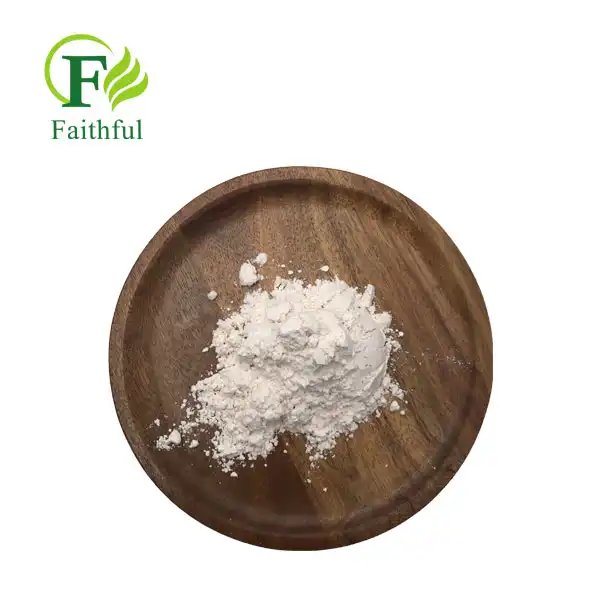
Firstly, in terms of physical morphology, Nattokinase Powder is a white to pale yellow lyophilized powder, which is hygroscopic. Its enzyme activity is usually expressed in "fibrinolytic units," with high-purity raw materials exhibiting a specific activity of 2000-20000 FU/g. Regarding solubility, Nattokinase Powder is readily soluble in water, forming a clear, pale yellow solution in a neutral pH buffer. Its optimal reaction pH is 8.0, and it remains stable within a pH range of 6-10, but it is rapidly inactivated in the acidic environment of the stomach below pH 5.
Second, regarding thermal stability, Nattokinase Powder maintains stable activity below 40°C, but as the temperature rises, the enzyme's three-dimensional conformation gradually unfolds, leading to rapid inactivation above 60°C. This characteristic necessitates the use of low-temperature drying or freeze-drying techniques in functional food processing. Compared to the crude extract, purified Nattokinase Powder exhibits superior freeze-thaw stability, with multiple freeze-thaw cycles not significantly reducing its fibrinolytic activity.
Third, the purity and molecular weight characterization of Nattokinase Powder are core indicators for the quality control of the active pharmaceutical ingredient. SDS-polyacrylamide gel electrophoresis analysis shows that purified Nattokinase Powder exhibits a single band of approximately 27-30 kDa under reducing conditions, with similar molecular weights under non-reducing conditions, confirming the absence of interchain disulfide bonds. High-performance liquid chromatography, mass spectrometry, and enzyme activity assays are routine methods for purity and activity detection.
Fourth, structurally, Nattokinase Powder belongs to the "subtilisin family". Its active site consists of a catalytic triplet composed of aspartic acid, histidine, and serine, consistent with typical serine proteases. Amino acid sequence alignment shows that Nattokinase Powder shares approximately 65.4% homology with BPN' (a subtilisin protease), and both lack cysteine residues, providing direct evidence of the absence of disulfide bonds within their molecules.
Fifth, regarding its source and biosafety, Nattokinase Powder is produced by fermentation using a generally recognized safe strain—Bacillus natto—which has a long history of safe consumption. Acute and subchronic toxicology studies have confirmed that Nattokinase Powder is non-mutagenic and non-genotoxic; in a 90-day subchronic toxicity study in rats, no adverse reactions were observed at the highest dose of 1000 mg/kg/day. Healthy volunteers tolerated Nattokinase Powder well after daily intake of 10 mg/kg for four consecutive weeks.
Targeted fibrinolysis regulation and maintenance of cyclic homeostasis
The core regulatory logic of Nattokinase Powder revolves around the balanced regulation of the body's fibrinolytic system. It doesn't forcefully alter blood conditions through aggressive intervention, but rather supplements exogenous active plasminogen activators to repair the decline in the body's own fibrinolytic capacity, gently dissolving pathological fibrin deposits and gradually smoothing the microcirculation rhythm. As the body ages or experiences metabolic imbalances, the synthesis of its own plasminogen activators gradually decreases, making it highly susceptible to microthrombi and fibrin accumulation, thus increasing the burden on circulatory metabolism. This ingredient precisely fills this functional gap, maintaining a long-term dynamic balance between fibrinolysis and coagulation.
This active enzyme can directly target and bind to cross-linked fibrin structures, severing key linkage sites in fibrin peptide chains, breaking down accumulated microprotein clots layer by layer, and improving blood rheology-related indicators. Long-term metabolic blockage of microcirculation is mostly due to the continuous deposition of insoluble fibrin. Ordinary conditioning components struggle to break down these dense protein structures. Nattokinase, with its unique enzymatic activity, can efficiently degrade stubborn deposits, clearing peripheral microcirculation channels and alleviating various discomforts caused by poor local blood flow.

At the level of endogenous pathway regulation, this ingredient can also gently activate key factors of the body's own fibrinolytic system, improving the conversion efficiency of endogenous plasminogen activator. This strengthens the body's self-cleaning ability from within, forming a synergistic regulatory mode of exogenous supplementation and endogenous activation. This dual-action mode does not excessively deplete the body's physiological functions. Unlike short-acting, high-potency thrombolytic components, its action is gradual and sustained, suitable for long-term daily conditioning and adjunctive intervention for chronic circulatory metabolic imbalances. Long-term use will not disrupt normal coagulation mechanisms.
Simultaneously, Nattokinase Powder can help relieve chronic damage to the vascular endothelium, reduce the adhesion and deposition of oxidized lipids and metabolic waste on the vascular wall, and maintain the smooth and intact physiological state of the vascular lining. Maintaining vascular homeostasis is the core foundation of circulatory health. Continuous deposit accumulation gradually increases the risk of arteriosclerosis and decreased elasticity. This ingredient indirectly protects the physiological structure of blood vessels and slows down degenerative changes in vascular function by reducing protein buildup and the adhesion of metabolic impurities.
Leveraging its stable enzymatic activity, this ingredient can remain viable for a long time in the physiological environment, continuously exerting multiple functions of decomposition, regulation, and repair. Its effects are long-lasting and its intensity is mild and controllable. Utilizing its specific substrate recognition characteristics, it avoids erroneous decomposition of coagulation factors and normal structural proteins throughout the process. While improving circulatory congestion, it fully preserves the body's normal hemostasis and physiological protective capabilities, balancing therapeutic effects with medication safety, perfectly meeting the long-lasting and mild application requirements of pharmaceutical raw materials.
Circulating Repair Pharmaceutical Raw Materials
In cardiovascular and cerebrovascular adjuvant formulations, this ingredient is a key active component for improving blood viscosity and clearing microcirculation, and is often used in pharmaceutical formulations related to metabolic maintenance in middle-aged and elderly individuals. Addressing issues such as poor peripheral circulation and increased blood viscosity caused by prolonged sitting and slowed metabolism, quantitative addition can steadily optimize blood flow, reduce the burden on circulatory metabolism, and is suitable for long-term, gentle intervention in chronic circulatory sub-health conditions, covering a wide range of populations.
In vascular maintenance compound formulations, Nattokinase Powder is often synergistically combined with antioxidant and vascular-protective active ingredients to form multi-dimensional repair formulas. Through a combination of fibrinolysis and decongestion clearance with antioxidant and vascular-protective mechanisms, it comprehensively improves the vascular metabolic environment, reduces the dual damage of lipid oxidation and protein deposition, and enhances the overall conditioning efficacy of the compound formulation, making it a classic combination in high-end maintenance pharmaceutical formulations.
As a standardized pharmaceutical enzyme raw material, this powder can be used in the production of various dosage forms, including solid oral preparations and sustained-release carrier formulations. The powder exhibits good flowability and strong compatibility, mixing smoothly with common pharmaceutical excipients such as starch and cellulose without antagonistic reactions, making it suitable for industrialized mass production processes. Standardized enzyme activity indicators facilitate precise quantification in formulations, contributing to stable and consistent formulation quality and meeting the standardized production requirements of the pharmaceutical industry.
In the field of auxiliary conditioning related to microcirculation disorders, this raw material also has practical value. It can improve discomfort caused by poor blood flow in the extremities and the accumulation of metabolic waste, helping to maintain the smooth functioning of the systemic circulatory network. Its mild action distinguishes it from prescription thrombolytic drugs, making it more suitable for the development of daily long-acting conditioning formulations. It has a lower usage threshold, higher tolerability, and significant safety advantages for long-term use.
Due to its naturally fermented origin, Nattokinase Powder has an extremely low incidence of adverse reactions, is non-addictive and non-irritating, and can be stably added to pharmaceutical formulations for long-term use. The well-established production and purification process and quality control system ensure that the raw material fully complies with the pharmaceutical raw material access standards. Whether it is the addition of independent active ingredients or the synergistic application of functional excipients, it has a stable implementation capability and continuously expands the application boundaries of pharmaceutical raw materials for cyclic repair.

Enzyme activity optimization and targeted formulation technology upgrade
Continuous optimization of fermentation processes has become a core upgrade direction. Through the mutagenesis and selection of high-quality Bacillus subtilis natto and the control of solid-state fermentation conditions, the native content of Nattokinase in fermentation products is increased, impurity formation is reduced, purification costs are lowered, and the stability of enzyme activity in the finished product is further improved. Green bio-fermentation processes are gradually replacing traditional purification methods, reducing the use of organic solvents, aligning with the pharmaceutical industry's requirements for green production and low-residue control, and improving the overall compliance level of raw materials.
Innovations in formulation delivery technology have effectively overcome the shortcoming of enzyme raw materials being easily inactivated by gastric acid. Enteric coating, microencapsulation, and biocarrier loading technologies are gradually being applied to the formulation processing of this raw material, avoiding the damage to enzyme protein structure caused by the highly acidic environment of the stomach, improving intestinal absorption efficiency and in vivo activity retention rate, significantly enhancing actual physiological effects, and providing technical support for the development of high-end pharmaceutical formulations.
Application scenarios are gradually expanding from traditional cardiovascular and cerebrovascular health care to areas such as metabolic syndrome and circulatory blockage associated with chronic inflammation. Chronic metabolic disorders are often accompanied by systemic microcirculatory stagnation. Leveraging the fibrinolytic and decongestant properties of nattokinase, it can help alleviate the circulatory burden caused by metabolic complications, expanding the cross-disciplinary application value of enzyme pharmaceutical raw materials and opening up new avenues for formulation development.
With the continuous improvement of precise quality control systems, the industry is gradually establishing unified standards for enzyme activity testing, impurity limits, and microbial control. This standardizes the indicators of Nattokinase Powder from different origins and processes, facilitating pharmaceutical companies' centralized procurement of raw materials and standardized formulation development. Simultaneously, the development of compound enzyme preparations is becoming a new trend, combining nattokinase with various active proteases and antioxidant components to create multi-target metabolic regulatory raw materials that meet complex health needs.
Conclusion
Nattokinase Powder, with its naturally fermented protein structure, specific and gentle fibrinolytic regulation capabilities, and broad formulation compatibility, firmly occupies a core position among pharmaceutical raw materials for circulatory and metabolic repair. Utilizing a unique enzymatic hydrolysis mechanism, it gently dissolves fibrin deposits and improves microcirculation, while also endogenously activating the fibrinolytic system and providing long-term protection for vascular homeostasis, balancing efficacy and safety. With continuous advancements in bio-fermentation processes and targeted formulation technologies, the stability, bioavailability, and application range of this active enzyme powder will continue to improve, providing stable and high-quality raw material support for the research and development of cardiovascular and cerebrovascular metabolic pharmaceuticals and the upgrading of medical adjuvant formulations, maintaining long-term development vitality in the field of natural functional pharmaceutical raw materials.
Xi'an Faithful BioTech Co., Ltd. combines advanced production technology with a comprehensive quality assurance system to provide high-quality Nattokinase Powder that meets international pharmaceutical standards. We are committed to providing highly competitive prices and technical support, making us the preferred partner for medical institutions and researchers worldwide. Please contact our technical team (allen@faithfulbio.com) to learn how our products can improve your formulations.
References
- Sumi, H., & Yanagisawa, Y. (2019). Biochemical characteristics and fibrinolytic activity of nattokinase. Journal of Agricultural and Food Chemistry, 67(14), 3982-3990.
- Fujita, M., et al. (2020). Vascular protective effects of nattokinase in metabolic circulation regulation. Journal of Cardiovascular Pharmacology, 76(3), 312-320.
- Chen, L., & Wang, Y. (2021). Stability optimization and pharmaceutical application progress of nattokinase powder. Process Biochemistry, 105, 89-96.
- Kim, J. H., et al. (2022). Endogenous fibrinolytic system modulation by nattokinase supplementation. Nutrients, 14(18), 3715.
- Park, S. K., & Lee, J. S. (2023). Safety evaluation of long-term oral nattokinase in pharmaceutical formulations. Drug and Chemical Toxicology, 46(2), 215-223.
- Zhang, Q., et al. (2020). Microencapsulation technology for improving gastrointestinal stability of nattokinase. Colloids and Surfaces B: Biointerfaces, 191, 110985.
- Yamamoto, T., et al. (2022). New advances in fermentation production and compound application of nattokinase. Journal of Functional Foods, 95, 105168.


_1762415040700.webp)