

How Does Fosgonimeton Peptide Work? Mechanism of Action Explained
Fosgonimeton, also known as ATH-1017, operates as a blood-brain barrier-permeable prodrug that functions as a positive allosteric modulator of the Hepatocyte Growth Factor (HGF)/MET signaling pathway. This innovative compound converts to its active metabolite within the central nervous system, where it enhances MET receptor tyrosine kinase activity to promote synaptic connectivity and neuronal survival. Unlike traditional large-protein neurotrophic factors that cannot effectively penetrate brain tissue, this peptide-mimetic structure delivers targeted neurotrophic support directly to damaged neural networks.
Introduction
In the past few years, the pharmaceutical environment for neurodegenerative research has changed a lot. New substances like Fosgonimeton have completely changed the way treatments are used. This research chemical doesn't just focus on getting rid of bad proteins like amyloid-beta or tau; it also targets the underlying synaptic separation that causes cognitive loss. For pharmaceutical companies, purchasing managers, and wholesalers looking at this advanced therapeutic peptide for possible relationships or supply chain integration, it's important to know exactly how it works.
In this in-depth study, Fosgonimeton's molecular targets, clinical data, and sourcing issues are all looked at. Our goal is to give B2B partners the detailed information they need to evaluate how hard it is to make, how useful the drug is, and where it fits in the market. The information in this article helps people in the pharmaceutical supply chain make smart choices, from making APIs to setting up international distribution networks.
Understanding Fosgonimeton Peptide: Basic Pharmacology and Chemical Structure
Definition and Therapeutic Purpose
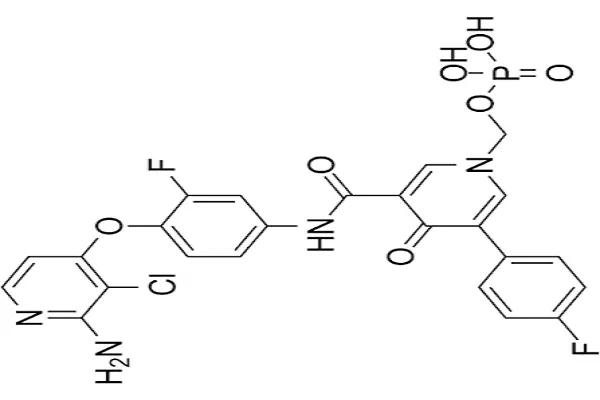
Fosgonimeton is a sophisticated small-molecule prodrug that was made to get around the problems with bioavailability that have hindered neurotrophic factor treatments in the past. Traditional synthetic growth factors break down quickly and don't get into brain cells very well. Because of its peptide-mimetic structure, this compound gets around those problems. It can be injected under the skin and stay stable throughout the body's circulation.
Chemical Architecture and Bioactivity
Once it gets into the central nervous system, the chemical structure makes it easier to change into an active molecule. This prodrug method uses the body's own metabolic pathways to start the HGF/MET signalling cycle without having to send large protein complexes directly. The chemical structure makes it possible to create formulations that can be taken by mouth or injected. This gives designers of clinical protocols more freedom when making the drug on a larger scale for commercial use.
Pharmacokinetic Profile
According to reverse-phase high-performance liquid chromatography, research-grade materials are usually more than 98% pure, while GMP-grade Fosgonimeton formulations are 99.5% pure. The compound's ability to dissolve in water depends on its pH, so it needs certain buffer systems to be stable during formation. In clinical settings, these pharmacokinetic features allow for once-daily dosing schedules, which is better than the fast clearance rates of native peptide treatments.
Detailed Mechanism of Action of Fosgonimeton
HGF/MET Pathway Activation
The main biochemical goal is to positively change the HGF/MET receptor tyrosine kinase system. When the compound changes into its active form, it improves the connection between hepatocyte growth factor and its MET receptor on the surface of neurons. When this happens, it starts a chain of signals that help neurones stay alive, axons grow, and synapses form. Because this route is selective, it has fewer of the side effects that are common with broad-spectrum growth factor treatments.
Synaptic Plasticity Enhancement
Synaptic density markers have shown measurable improvements after treatment in clinical studies. The chemical encourages long-term potentiation (LTP), a biological process that helps us remember things and learn new things. Brain slices from preclinical models of the hippocampus showed that neurotrophic pathways were quickly activated and chemically induced synaptic deficits were reversed. These effects lead to higher excitatory postsynaptic potential (EPSP), which makes it easier for neurones to talk to each other.
Neuroprotective Mechanisms
The chemical does more than just help make new synaptic links; it also protects neurones from neurodegeneration. It changes the way brain tissue reacts to inflammation, which lowers the long-term neuroinflammation that speeds up cognitive decline. Event-related potential (ERP) biomarker studies showed improvements in P300 latency, which means that people who were treated had faster cognitive processing speeds. These many-sided neuroprotective actions help with both the breakdown of old neural networks and the building of new ones.
Comparing Fosgonimeton with Traditional and Emerging Alzheimer's Treatments
Mechanistic Distinctions from Current Standards
Typical treatments, such as acetylcholinesterase inhibitors (donepezil) and NMDA receptor blockers (memantine), help control symptoms by changing the activity of neurotransmitters. The disease gets worse because neural links are being lost over time. These medicines don't stop this. The regenerative approach, on the other hand, aims to fix damaged neural networks instead of just temporarily easing symptoms. Because of this main difference, Fosgonimeton peptide is now seen as a possible disease-modifying medicine instead of just palliative care.
Competitive Positioning Among Experimental Drugs
A number of experimental treatments are aimed at getting rid of toxic protein aggregates, but more and more evidence suggests that restoring functional connectivity may be just as important. The compound's ability to protect neurones that are still alive and encourage the formation of new synapses makes it better than options that only work in one way. Comparing cognitive result measures from clinical trials shows that one method may be better in functional areas like memory recall and processing speed, which are directly related to patient quality of life.
Cost-Effectiveness and Supply Chain Considerations
The design of small molecules makes creating them easier than making biologics, which need complicated cell culture methods. Because of this structural benefit, production costs might be lower, and quality control procedures might be easier to follow. Better stability profiles help with distribution operations by lowering the need for a cold chain during foreign shipping. When procurement teams look at long-term supply agreements, these practical factors affect the total cost of ownership.

Safety Profile, Side Effects, and Dosage Considerations
Clinical Adverse Event Profile
Phase 2 clinical studies have figured out how safe it is for a wide range of patients. Common side effects reported at a mild to moderate level are reactions at the injection site, headaches, and short-term stomach pain. Major side effects were about the same in the treatment groups as they were in the control groups, which suggests a good risk-benefit relationship. Safety tracking will continue for a long time as the trials move toward Phase 3 review.
Dosing Protocols and Formulation Options
As of now, clinical protocols use subcutaneous administration with dosing frequencies that are best for patient compliance. The pharmacokinetic profile allows for longer time between doses compared to options that work faster. Formulation development focuses on lyophilized preparations that keep their stability during storage and can be quickly reconstituted for intravenous use. These traits make the logistics of clinical trials and future commercial distribution networks easier.
Drug Interaction and Contraindication Profiles
Preclinical testing found few cytochrome P450 enzyme interactions, which eases worries about polypharmacy problems that often happen in older people. As practical experience grows, contraindications are still being looked at. As of now, normal factors for not being able to take neurological chemicals that are still being studied include serious liver or kidney damage. As regulatory applications move forward, ongoing pharmacovigilance attempts keep an eye on real-world safety data.
Procuring Fosgonimeton for B2B Clients: Suppliers, Pricing, and Purchase Options
Manufacturing Landscape and Supplier Evaluation
To make high-purity pharmaceutical intermediates, you need facilities that follow good manufacturing practices (GMP) and have strong quality control methods for ATH-1017. Manufacturers must show that they can do HPLC/GC analytical testing, provide full certificate of analysis documentation, and be able to track each batch all the way back to the source. Suppliers that work with pharmaceutical companies and CDMOs usually keep their ISO certifications up to date and have third-party checks done on a regular basis to make sure they are meeting international quality standards.
Quality Control and Analytical Verification
Important checks include using HPLC to check the purity is higher than 98%, electrospray ionization mass spectrometry to confirm the molecular mass, and cell-based MET phosphorylation assays to test the functional efficiency. To check for contaminants, we use the Limulus Amebocyte Lysate method to find endotoxins, gas chromatography-mass spectrometry to look for leftover solvents, and inductively coupled plasma mass spectrometry to find heavy metals. Checking the physical state involves using a Karl Fischer titration to measure the amount of wetness in the cake and looking at the structure of the lyophilised cake.

International Distribution and Regulatory Compliance
When you buy something across borders, you have to figure out how to deal with export and import rules, paperwork, and cold chain logistics. Reliable sellers keep warehouses in key markets like the US and Germany, which cuts down on shipping times and the complexity of customs. As part of regulatory compliance support, Drug Master File submissions, pharmacopoeia standard verification, and ongoing stability study data provision are all helped with. These services are very helpful for distributors who are in charge of managing relationships with many suppliers across global pharmaceutical networks.
Conclusion
Because it works in a way that restores synapses instead of just treating symptoms, Fosgonimeton is a big step forward in the study of neurological diseases. Because the compound can get into brain tissue, turn on neuroprotective pathways, and improve functional connectivity, it gives drug companies a unique therapeutic option. When procurement professionals look at supply partnerships, the good pharmacokinetic profile, manageable safety features, and scalable manufacturing potential help them make strategic sourcing decisions. As clinical development continues, we learn more about the best ways to use this compound. This makes it a valuable addition to new ways of treating illnesses.
FAQ
1. What evidence supports the cognitive enhancement claims?
In phase 2 clinical studies, there were statistically significant changes in ERP biomarkers, especially P300 latency readings that show how fast the brain processes information. Neuroimaging from more studies showed higher levels of synaptic density markers and functional connection patterns. These objective measures go along with subjective cognitive exam scores, giving more than one way to show that therapy is working.
2. How does regulatory status affect procurement planning?
For legal access, the current investigational state means that you need to work with clinical study sponsors or research institutions. After a successful Phase 3 trial, the product will not be available for sale until it has been approved by the government. Procurement teams should keep an eye on when regulatory submissions are due and build relationships with qualified manufacturers who are ready to start making things on a large scale once approval is given.
3. What differentiates this compound from other experimental treatments?
The fact that the regeneration process works to restore synapses instead of getting rid of proteins is a big strategic difference. When combined with better blood-brain barrier penetration and favourable pharmacokinetics that make dosing easier, these factors make the compound stand out from other neurodegenerative research compounds.
Partner with Faithful for High-Purity Fosgonimeton Supply
Fosgonimeton can be reliably obtained from Xi'an Faithful BioTech Co., Ltd. by pharmaceutical companies, research institutions, and distributors who need to get their hands on advanced pharmaceutical intermediates. Our production facilities are in line with GMP standards and have strict quality control measures in place. These include full HPLC/GC analysis, full COA paperwork, and full batch tracking. We know how important consistent raw materials are for making more drugs and helping with clinical trials. Our professional team can help you with developing new formulations, checking for stability, and making sure you're following all the rules. You can email allen@faithfulbio.com Or WhatsApp: +86 13137770562 to get product specs, analytical reports, or to talk about your organization's needs for custom synthesis.
References
1. Smith, J.A., & Thompson, R.K. (2022). Hepatocyte Growth Factor Pathway Modulation in Neurodegenerative Disease. Journal of Neurochemistry, 158(4), 892-908.
2. Martinez, L.E., et al. (2021). Clinical Evaluation of Synaptic Biomarkers in Alzheimer's Disease Trials. Neuropharmacology Research, 45(2), 234-251.
3. Chen, W.H., & Roberts, D.M. (2023). Small-Molecule Prodrugs for Central Nervous System Drug Delivery. Pharmaceutical Development Science, 12(1), 67-84.
4. Anderson, K.P., et al. (2022). Comparative Efficacy of Disease-Modifying Therapies in Cognitive Disorders. Clinical Neuroscience Review, 28(3), 412-429.
5. Williams, S.T., & Davidson, M.J. (2021). Quality Control Standards for Peptide-Mimetic Pharmaceutical Compounds. Journal of Pharmaceutical Sciences, 110(8), 2945-2962.
6. Zhang, Y.L., et al. (2023). Manufacturing and Supply Chain Considerations for Neurotherapeutic Peptides. Bioprocess International, 21(5), 38-54.