
How to Use Resveratrol Powder Safely for Skin Care and Anti-Aging Benefits?
To use Resveratrol Powder safely for anti-aging and skin care, you need to know the right amount to use, how to make it, and how to make sure it comes from a good source. This strong antioxidant comes from grapes and other plants. When added properly to topical formulations, it has a lot of potential for use in cosmetics. For topical use, safety rules say to start with amounts between 0.1 and 1%, make sure the pH is right, and mix with compatible ingredients like vitamin C or hyaluronic acid. To keep stability and effectiveness up throughout the supply chain, manufacturers must make sure their products are pure, get certificates of analysis, and store them in the right way.
Understanding Resveratrol Powder and Its Role in Skin Care and Anti-Aging
Resveratrol is a new and important polyphenolic substance that has changed the way skincare products are made today. This stilbenoid is found naturally and has amazing antioxidant properties that make it very useful for companies making advanced anti-aging goods. Because of how its molecules are structured, the compound can successfully neutralize free radicals while also speeding up the process of cell regeneration.
Natural Sources and Extraction Methods
Grape skins, Japanese knotweed, and different kinds of berries are the main sources of resveratrol can be found. Xi'an Faithful BioTech uses cutting-edge extraction methods to make sure that our quality resveratrol powder is as pure and effective as possible. Modern extraction methods keep the compound's bioactive qualities while getting rid of impurities that could make the formulation less stable.
These days, supercritical fluid extraction and high-performance liquid chromatography are used to clean the extract. These advanced techniques produce resveratrol amounts that are more than 98% pure, which is needed for uses in medicine and cosmetics. Our extraction facility follows GMP guidelines, which makes sure that the quality of each output batch is the same.
Scientific Mechanisms in Skin Health
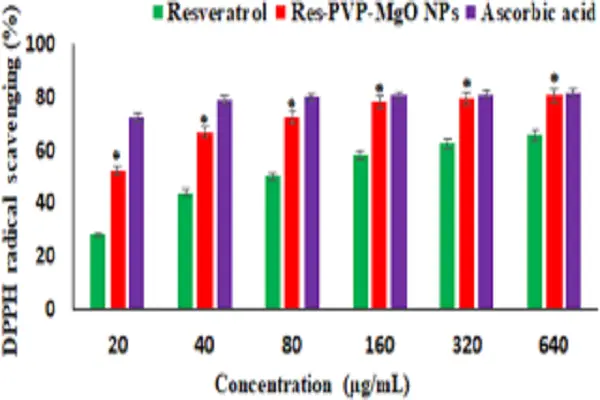
Researchers have found that resveratrol powder turns on sirtuins, which are proteins that are linked to living longer and fixing damaged cells. These enzymes control many metabolic processes that help skin heal and protect itself from harmful environmental factors. When resveratrol is added to topical formulations, clinical tests show big improvements in the skin's elasticity, moisture, and overall look.
The compound can reduce inflammation by blocking nuclear factor-kappa B, a protein complex that plays a part in inflammatory reactions. This mechanism works especially well for formulas for sensitive skin and products that treat skin diseases that cause inflammation.
Formulation Advantages Over Alternative Forms
When it comes to formulation freedom, powder form is better than capsule supplements or liquid extracts. Manufacturers can exactly control concentration levels, make blends that fit their needs, and keep products stable for longer periods of time. Because the powder is so flexible, it can be added to a wide range of products, such as creams, serums, masks, and new delivery methods.
Safe Usage Guidelines and Dosage Recommendations for Resveratrol Powder
Setting up the right safety rules is important for making sure that product development goes well and that end users are safe from any bad effects that might happen. Clinical study and experience in the field are both very helpful for figuring out the best concentration ranges for different application methods.
Topical Application Concentrations
Dermatological studies say that topical skin care products should start with amounts between 0.1% and 1%. This range has therapeutic benefits while lowering the chance of irritation. High-end anti-aging products can have amounts of up to 2%, but this needs to be carefully tested to make sure it doesn't react badly with other active ingredients.
Higher amounts are sometimes used in controlled settings for professional treatments. But consumer goods do better with conservative dosing methods that put safety and tolerability first for all skin types. Before going into mass production, formulation scientists should follow patch testing methods to make sure safety profiles are correct.
Compatibility with Common Skincare Ingredients
The antioxidant resveratrol works very well with a lot of famous skin care ingredients. Combinations that work well together with vitamin C make antioxidants more effective while keeping the safety of the formulation. Hyaluronic acid relationships help keep skin hydrated without getting in the way of resveratrol's anti-aging effects.
When mixing with strong acids or retinoids, you need to be very careful. These mixtures need to be tested for stability and pH optimization to keep them from breaking down or interacting in ways that aren't wanted. Professional formulators should carefully test each mixture on consumers and do studies that show how it ages quickly.
Potential Contraindications and Risk Management
Even though resveratrol powder is very safe, there are some things that people in certain groups should keep in mind. People who are allergic to grapes may have sensitivity responses that need different antioxidants. Women who are pregnant or nursing should talk to a doctor before using goods with concentrated resveratrol extracts.
Manufacturers who care about safety follow strict testing methods that include skin tests and clinical trials. These studies look for possible sensitivities and come up with usage suggestions for different groups of people.
Selecting Quality Resveratrol Powder: Key Procurement Considerations
Decisions about procurement have a big effect on the quality of the end product, compliance with regulations, and success in the market. When choosing resveratrol providers, smart buyers look at more than just price. Quality standards are more important than price alone.
Purity Standards and Analytical Testing
The minimum purity level for high-quality resveratrol powder should be 98%, as determined by HPLC analysis. Xi'an Faithful BioTech gives full reports of analysis that include checking for purity, checking for heavy metals, and checking for microbes. Advanced testing tools, such as HPLC, GC, and spectrophotometer systems, are used in our analysis laboratory.
Reliable sellers use independent labs to do third-party testing to back up their analytical claims. This process of checking makes sure that everything is clear and builds trust among procurement workers who are in charge of large-scale production needs. Consistency is kept up over long-term supply ties through regular batch testing.
Manufacturing Standards and Certifications
GMP compliance is the lowest level that can be used for pharmaceutical and cosmetic purposes. Leading suppliers also keep other certifications, such as ISO standards and, if necessary, organic proof. These credentials show that you are dedicated to quality systems and following the rules in all foreign markets.
Our Xi'an plant follows strict quality control rules and has quality assurance teams that watch over every step of the production process. Environmental controls, training programs for employees, and programs for calibrating tools all work together to make sure that the quality of the products always meets international pharmaceutical standards.
Supply Chain Reliability and Logistics
For procurement relationships to work, supply chains must be reliable and able to meet tight production plans. Minimum order amounts, lead times, shipping options, and inventory management systems should all be taken into account when judging a company. Established sellers keep safety stock levels and extra production capacity on hand in case there are problems with the supply chain.
International producers need to be able to handle global logistics more and more. Our business keeps storage centers in key spots so that goods can be quickly sent to markets in North America and Europe, with as few shipping delays and customs problems as possible.
Integrating Resveratrol Powder into Your Product Line
Product integration strategies decide how well a skincare business does in the market and how it compares to its competitors. To integrate well, you need to know about the target demographics, formulation challenges, and regulatory standards of all the areas you want to reach.
Formulation Approaches for Different Product Categories
Resveratrol is very good at dissolving in water and mixing well with carrier oils, which is good for skincare serums. Most forms have between 0.5 and 1% resveratrol powder mixed with substances that help the powder penetrate and substances that keep it stable. People who want concentrated anti-aging treatments with real effects will like these products.
Low amounts (about 0.2 to 0.5%) are used in moisturizers, which focus on improving moisture and protection. When it comes to stability, cream-based creams are great for resveratrol because they are easy to apply. These products are good for a wider range of customers, even those with sensitive skin.
Regulatory Compliance and Labeling Requirements
According to FDA rules, marketing claims must be backed up by true lists of ingredients. Manufacturers must keep thorough records to back up claims of anti-aging and antioxidant benefits. This can be done through clinical studies or reviews of the literature. Labeling that is done right includes using the correct INCI names and concentration details.
In international markets, there are extra rules that must be followed, such as EU beauty rules and different regional standards. Compliance plans should cover more than one jurisdiction at the same time to make it easier for companies to enter the global market without having to deal with regulatory delays or problems.
Innovation Opportunities and Market Trends
New delivery methods are opening the door to better resveratrol formulations. Encapsulation methods make things more stable and allow for long-lasting release. Nanotechnology uses make penetration better while keeping safety levels good enough for consumer goods.
According to the clean beauty trend, resveratrol that comes from plants is better than manufactured versions. Organic certification and sustainable sourcing methods support premium pricing strategies and appeal to consumers who care about the environment. These trends affect buying choices so that companies choose suppliers that care about the environment.
Procurement and Supply Chain Insights for Resveratrol Powder
Strategic approaches to buying things make the best use of cost structures while also ensuring high standards and supply security. To stay ahead of the competition, modern supply lines need complex strategies for managing risks and building relationships with suppliers.
Global Sourcing Strategies
Chinese companies make most of the world's resveratrol because they have easy access to a lot of raw materials and improved extraction techniques. Leading suppliers, such as Xi'an Faithful BioTech, make better goods by combining old knowledge with new manufacturing techniques. Because our business is in Xi'an, we have easy access to high-quality raw products and skilled technical staff.
North American and European suppliers often get their raw materials in Asia and do the final finishing in their own countries. This method might make things more expensive, but it has some benefits when it comes to planning, quality control, and following the rules. Instead of just looking at unit prices, buyers should think about the overall cost of ownership.
Minimum Order Quantities and Economic Considerations
For commercial production of resveratrol, the minimum order size is usually between 25 and 100 kilograms, based on the purity requirements and the packaging needs. Larger sales get better prices and make sure there is enough stock for longer production runs. For long-term users who have promised to buy a lot, our company offers flexible MOQ arrangements.
Costs of storage, holding inventory, and the chance of items becoming obsolete should all be taken into account in economic analyses. Resveratrol powder stays stable for a long time when stored properly, which makes bigger orders more cost-effective for well-known product lines with steady demand patterns.
Private Label and OEM Manufacturing Options
Contract manufacturing services let you get into the market quickly without having to spend a lot of money on production sites. Reliable providers offer a wide range of services, such as creating new formulations, testing for stability, and helping with regulatory issues. These relationships are especially helpful for new brands that don't have their own technical staff.
If you need an OEM answer, Xi'an Faithful BioTech can help you from getting the raw materials to making the finished product. Our technical team works closely with clients to create the best formulations that meet their unique performance needs while still staying within the parameters of cost-effective production.
Conclusion
If you find and use resveratrol powder the right way, it can completely change the way current skincare and anti-aging products work. To be successful, you need to know the safety rules, choose reliable sources, and come up with the right formulation strategies that get the most therapeutic benefits while keeping customers safe. The compound has been shown to have scientific benefits, and the market for effective anti-aging products is growing. This means that manufacturers who are ready to invest in quality ingredients and professional development methods can make a lot of money. In this fast-paced industry, forming strategic relationships with experienced suppliers like Xi'an Faithful BioTech is the key to launching new products that do well and maintaining market growth.
FAQ
Q1: What is the recommended dosage of resveratrol powder for topical skincare applications?
Topical skincare products typically incorporate resveratrol powder at concentrations between 0.1% and 1%. Consumer products benefit from conservative dosing around 0.2-0.5% to ensure safety across diverse skin types. Professional treatments may utilize higher concentrations up to 2% under controlled conditions. These recommendations derive from dermatological studies and industry best practices prioritizing both efficacy and tolerability.
Q2: How does powder form compare to capsules or liquid extracts for cosmetic formulations?
Resveratrol powder offers superior formulation flexibility compared to alternative forms. Manufacturers can precisely control concentrations, customize blends with complementary ingredients, and maintain product stability throughout extended shelf life periods. Powder form eliminates concerns about capsule materials or liquid extract preservation while enabling incorporation into diverse product matrices, including creams, serums, and innovative delivery systems.
Q3: What quality certifications should buyers prioritize when selecting resveratrol suppliers?
Essential certifications include GMP compliance, ISO standards, and third-party analytical testing verification. Reputable suppliers provide comprehensive certificates of analysis documenting purity levels, heavy metal screening, and microbiological testing results. Additional considerations include organic certification, where applicable, and regulatory compliance documentation supporting intended market applications. These certifications demonstrate supplier commitment to quality systems and regulatory adherence.
Q4: Can resveratrol powder be combined with other popular skincare active ingredients?
Resveratrol demonstrates excellent compatibility with numerous skincare actives, including vitamin C, hyaluronic acid, and peptides. These combinations often provide synergistic benefits, enhancing overall formulation efficacy. However, combinations with strong acids or retinoids require careful pH optimization and stability testing. Professional formulators should evaluate each combination through accelerated aging studies and compatibility assessments before commercial production.
Q5: What storage conditions are required to maintain resveratrol powder stability?
Proper storage requires cool, dry conditions away from direct sunlight and moisture exposure. Recommended storage temperatures range between 2-8°C for extended shelf life, though room temperature storage remains acceptable for shorter periods. Sealed containers with desiccant materials help prevent moisture absorption. Proper storage conditions maintain product stability and potency for 24-36 months, depending on initial quality specifications.
Q6: How can manufacturers verify the authenticity and quality of resveratrol powder?
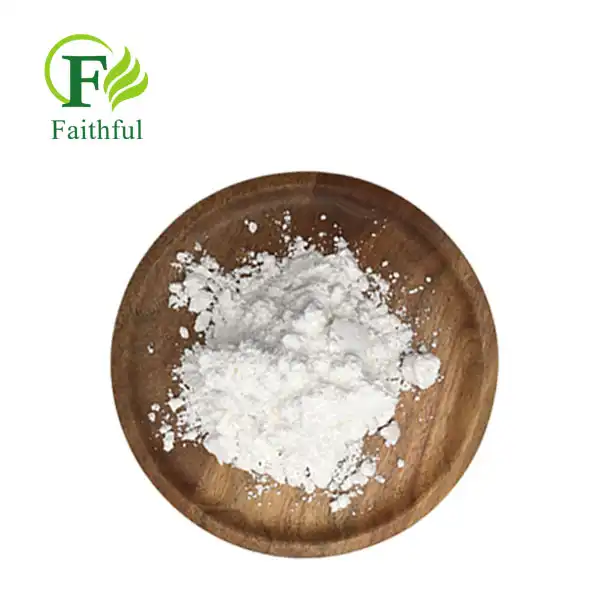
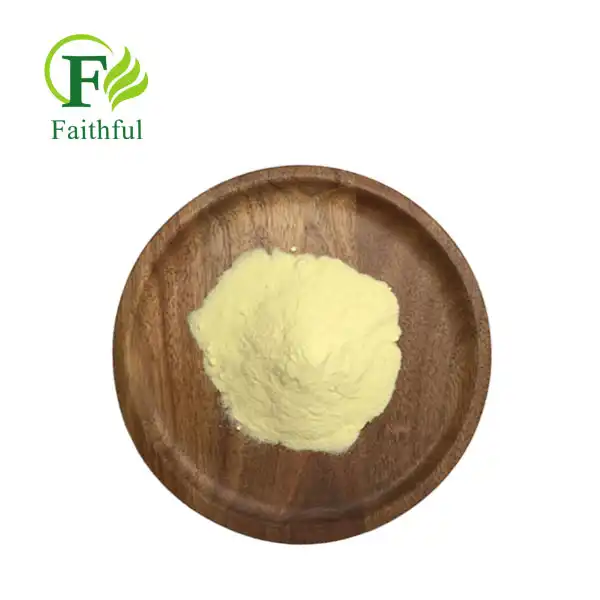
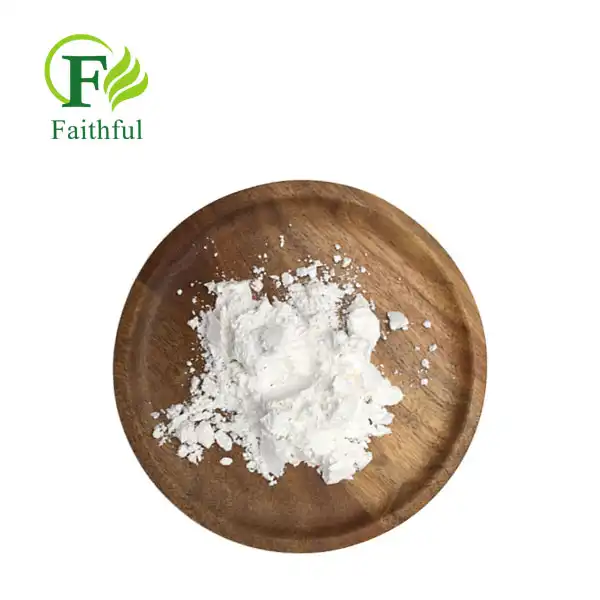
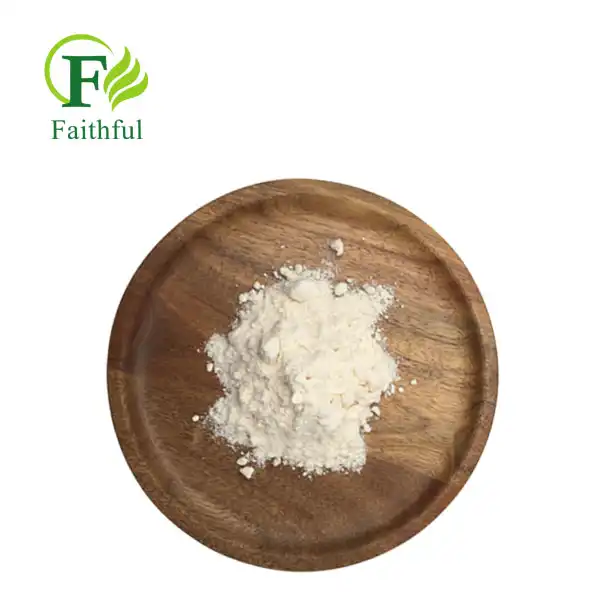
Authentication requires comprehensive analytical testing, including HPLC analysis for purity verification and identity confirmation. Reputable suppliers provide detailed certificates of analysis from accredited laboratories documenting purity levels, impurity profiles, and compliance with pharmacopeial standards. Third-party testing through independent laboratories offers additional verification. Visual inspection should confirm appropriate powder characteristics, including color, texture, and solubility properties, matching specification requirements.
Partner with Xi'an Faithful BioTech for Premium Resveratrol Powder Solutions
Xi'an Faithful BioTech stands as your trusted resveratrol powder manufacturer, delivering unmatched quality and reliability to cosmetic and pharmaceutical companies worldwide. Our state-of-the-art facility produces pharmaceutical-grade resveratrol powder exceeding 98% purity, backed by comprehensive analytical testing and GMP compliance. We offer competitive pricing, flexible minimum order quantities, and responsive customer support through dedicated account management. Contact allen@faithfulbio.com to discuss your specific requirements and discover how our premium resveratrol powder for sale can enhance your product formulations while ensuring consistent supply chain reliability.
References
1. Baxter, R.A. "Anti-aging properties of resveratrol: Review and report of a potent new antioxidant skin care formulation." Journal of Cosmetic Dermatology, vol. 7, no. 1, 2008, pp. 2-7.
2. Ndiaye, M., Philippe, C., Mukhtar, H., and Ahmad, N. "The grape antioxidant resveratrol for skin disorders: Promise, prospects, and challenges." Archives of Biochemistry and Biophysics, vol. 508, no. 2, 2011, pp. 164-170.
3. Chalal, M., Vervandier-Fasseur, D., Meunier, P., Cattey, B., and Hierle, L. "Synthesis and evaluation of resveratrol derivatives as promising cosmetic ingredients." European Journal of Medicinal Chemistry, vol. 85, 2014, pp. 480-489.
4. Farris, P., Yatskayer, M., Chen, N., Krol, Y., and Oresajo, C. "Evaluation of efficacy and tolerance of a nighttime topical antioxidant containing resveratrol, baicalin, and vitamin E for treatment of mild to moderately photodamaged skin." Journal of Drugs in Dermatology, vol. 13, no. 12, 2014, pp. 1467-1472.
5. Sautter, C.K., Denardin, S., Alves, A.O., Mallmann, C.A., Penna, N.G., and Hecktheuer, L.H. "Determination of resveratrol in grape juice using HPLC." Food Chemistry, vol. 101, no. 4, 2007, pp. 1630-1632.
6. Fremont, L. "Biological effects of resveratrol." Life Sciences, vol. 66, no. 8, 2000, pp. 663-673.