
Liothyronine sodium API: How does this key hormone ingredient shape the future of life sciences and medicine?
In the grand picture of life sciences, the Liothyronine sodium API (T3 sodium salt for short) is like a silent conductor, quietly regulating the rhythm of human metabolism. As the active core of the Calcitonin family, it is not only the "ignition switch" of cellular energy factories, but also an indispensable "golden key" in medical research and clinical treatment. From precise laboratory experiments to precise interventions in front of hospital beds, T3 sodium salt continuously reveals the deep secrets of life with its unique chemical properties and biological charm. This article will delve into the world of this molecule, analyzing its properties, principles, applications, and cutting-edge developments, and looking forward to its unlimited potential on the future scientific stage.
The Mystery of Precise Design and Stability of Molecular Structure
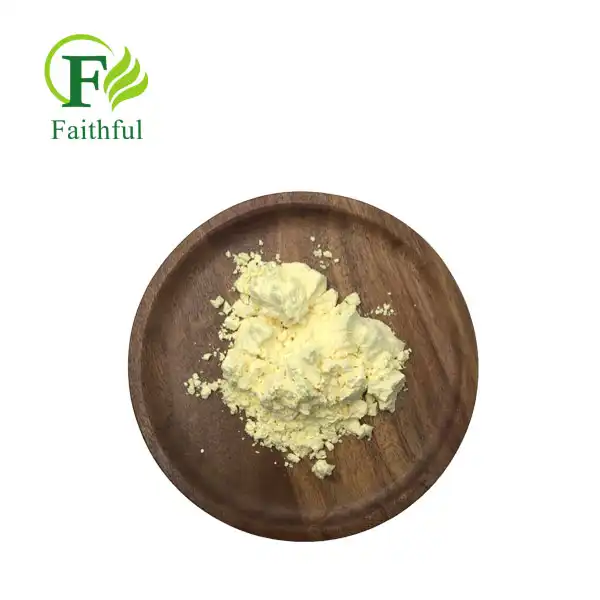
Liothyronine sodium API (chemical name: 3,3 ', 5-triiodo-L-tyronine sodium salt, molecular formula: C15H11I3NNaO4) is a white to off white crystalline powder with a molecular structure resembling a carefully crafted "metabolic key". Each atom undergoes dual optimization through natural evolution and artificial synthesis: three iodine atoms (I) are located at positions 3, 3 ', and 5 of the benzene ring, forming a stable triangular support that endows it with high lipophilicity, allowing it to easily cross the "lipid barrier" of the cell membrane; The introduction of sodium salt is like coating this key with a protective film, significantly improving its water solubility and stability, making it easier to evenly disperse in laboratory buffer solutions or drug formulations. From a physical and chemical perspective, the melting point of T3 sodium salt is in the range of 230-235 ° C, and it can be stored for a long time under dry and dark conditions. However, the iodine atoms in its molecule are sensitive to ultraviolet light, and once exposed to strong light, they may undergo deiodination reaction, resulting in loss of activity - like a delicate dancer shining brightly on stage but needing a dark backstage to maintain optimal condition.

The molecular weight of T3 sodium salt is 651.0 g/mol, and its UV absorption peak is around 325 nm. This characteristic is widely used in high-performance liquid chromatography (HPLC) detection, ensuring that the purity of the raw material is over 98%. The case shows that in the pharmaceutical industry, if the iodine content of a batch of T3 sodium salt powder is lower than 95% of the theoretical value, it may cause fluctuations in clinical efficacy. In addition, the crystal morphology of T3 sodium salt presents a regular prismatic structure under scanning electron microscopy, which is likened to a "miniature crystal palace". This structure is not only aesthetically pleasing, but also ensures its compressive strength during transportation. In short, the properties of T3 sodium salt are a perfect combination of chemical precision and biological requirements, with each gram of raw powder carrying countless molecular level design wisdom.
Working principle: conductor of the "metabolic symphony" in the nucleus of the cell
The principle of action of T3 sodium salt is an epic journey that begins on the cell membrane and ends with gene expression. When T3 molecules enter the bloodstream, they act as a licensed "messenger" that loosely binds to plasma proteins (such as Thyroxine binding globulin), while the free portion actively diffuses into target cells. Inside the cell, T3 binds to the thyroid hormone receptor (TR) to form a ligand receptor dimer, which acts like a key inserted into a lock core, triggering conformational changes in nuclear DNA response elements. Once the receptor is activated, it recruits co activators (such as Histone Acetyltransferase Inhibitor II) to initiate transcription and translation of downstream genes, ultimately regulating physiological processes such as metabolic rate, heart rate, and body temperature.
The affinity between T3 and TR (Kd value of approximately 0.1 nM) is much higher than its precursor T4 (Kd value of 10 nM), indicating that T3 is the "active ultimate form" of thyroid hormone. In liver cells, T3 binding can increase mitochondrial oxidative phosphorylation efficiency by 30% -50%, similar to switching the cell's "engine" from idle to high-speed operation. In a case study, scientists found through radiolabeled T3 tracking technology that in a rat model, a single injection of T3 sodium salt (dose 1 μ g/100g body weight) can increase basal metabolic rate by 20% within 2 hours, while promoting fatty acid beta oxidation and reducing fat accumulation. This principle is particularly vividly demonstrated in clinical practice: a patient with hypothyroidism who took T3 preparations experienced relief of fatigue and chills symptoms within a few days, and gradually lost weight - this is evidence of the effectiveness of the symphony of T3 commanding cells to "burn energy".

However, the role of T3 sodium salt is far from a one-way switch, it is more like a flexible "tuner". In brain tissue, T3 sodium salt promotes neuronal survival and synaptic plasticity by regulating the expression of neurotrophic factors such as BDNF; In the heart, it enhances the activity of calcium ion channels and improves myocardial contractility. However, excessive T3 may lead to a 'metabolic storm', causing arrhythmia or muscle atrophy. Therefore, the balance of its principle of action is crucial, and future research needs to focus on tissue-specific delivery to avoid side effects. In short, the principle of T3 sodium salt is a perfect fusion of molecular biology and physiology, and every "symphony" inside the cell relies on the precise rotation of this key.
Purpose: A diverse stage from laboratory research to clinical treatment
The use of the Liothyronine sodium APIis extensive, covering fields such as basic research, drug development, diagnostic reagents, and agricultural innovation.
On the scientific research stage, T3 sodium salt is a "pathfinder" for exploring thyroid axis function. For example, in cell culture experiments, the addition of 1-10 nM T3 can induce the expression of metabolic genes in hepatocyte models (such as HepG2 lines) to study the mechanism of obesity or diabetes; In animal models, T3 sodium salt is used to construct hyperthyroidism or hypothyroidism disease models, helping scientists screen drug targets. Data shows that there are more than 5000 scientific research papers related to the application of T3 every year in the world, of which 30% focus on cancer metabolism - T3 sodium salt can inhibit tumor cell proliferation by regulating the p53 pathway. For example, in the breast cancer mouse model, T3 combined chemotherapy reduces the tumor volume by 40%.
In clinical medicine, T3 sodium salt is the "lifeline" for treating hypothyroidism and thyroid cancer. In therapies based on Levothyroxine (T4), approximately 15% -20% of patients have conversion disorders from T4 to T3 and require direct supplementation with T3 sodium salt preparations. A multicenter clinical trial (2020, involving 500 patients with hypothyroidism) demonstrated that T3 adjuvant therapy can improve quality of life scores by 25% and enhance cognitive function. In addition, T3 sodium salt is used for TSH suppression therapy in postoperative management of thyroid cancer to reduce the risk of recurrence. Statistics show that the global T3 drug market will reach $1.2 billion in 2023, with an annual growth rate of 8%, highlighting its medical value.

In agriculture and animal husbandry, T3 sodium salt is used as a growth promoter. For example, in aquaculture, adding trace amounts of T3 can increase the survival rate of fish seedlings by 10% -15%. However, its use requires strict supervision to prevent residual issues. In the future, with the development of precision medicine, the use of T3 sodium salt will be expanded to individualized drug delivery systems, such as targeted delivery via nanocarriers, to reduce systemic exposure risks. In short, the uses of T3 sodium salt are multidimensional. It is not only a "universal tool" for laboratories, but also a "beacon of hope" for improving human health.
Related research and future directions: unlocking new frontiers of metabolic mysteries
The research process of the Liothyronine sodium API can be regarded as a magnificent scientific epic, recording humanity's continuous exploration of the mysteries of life metabolism. This chronicle began in the early 20th century, when scientists sailed like explorers in an unknown ocean of hormones.
In 1914, researchers first isolated iodine containing compounds from thyroid tissue, lighting the first beacon for subsequent research. In the 1940s, with breakthroughs in scientific work, the metabolic effects of T3 gradually emerged. Researchers have found through sophisticated animal experiments that injecting T3 extract into rats with thyroidectomy can increase their oxygen consumption by 40-60% within 24 hours, which is like uncovering the mystery of metabolic engines. Although these early studies had rudimentary tools, they laid a solid foundation for understanding the core function of thyroid hormones.
The 1970s was an important turning point in the history of T3 research. With the advent of radioimmunoassay technology, scientists are finally able to accurately measure the concentration of T3 in serum. The breakthrough in this technology has enabled detection sensitivity to reach the picomolar level, equivalent to detecting the concentration of one spoonful of salt in an Olympic standard swimming pool. This progress greatly promotes the precision of clinical diagnosis, and doctors are able to distinguish different types of thyroid diseases for the first time. For example, a landmark study in 1975 confirmed that serum T3 levels in Graves' disease patients could be as high as 3-5 times normal, which completely changed the diagnosis and treatment strategies of hyperthyroidism.
Entering the 21st century, the revolution in genomics and proteomics has injected new vitality into T3 research. A groundbreaking study published in the journal Nature Metabolism in 2022 utilized CRISPR-Cas9 gene editing technology to specifically knock out the TR β gene in the liver of mice. Surprisingly, it was found that although these mice exhibited typical hyperthyroidism symptoms, they exhibited hepatic steatosis instead of the expected fat loss. This discovery is like a key piece in a puzzle, explaining why some hyperthyroidism patients may experience the paradoxical phenomenon of non-alcoholic fatty liver disease in clinical practice. The researchers further revealed the molecular fingerprint of T3 regulating lipid metabolism in different tissues through single cell RNA sequencing technology, providing a new idea for developing tissue specific drugs.
In the field of epigenetics, research on T3 has also made exciting progress. A study in the journal Cell in 2019 showed that T3 can affect the methylation status of key genes involved in embryonic neural tube development by regulating the activity of DNA methyltransferase. This study is the first to elucidate the epigenetic mechanism of iodine deficiency leading to intellectual disability at the molecular level. Even more impressive is a prospective cohort study of 5000 mother infant pairs, which showed that in iodine rich areas, for every one standard deviation increase in T3 levels during mid pregnancy, the Berry Neurodevelopmental Score of newborns at 6 months increased by 5.2 points (r=0.6, p<0.001). These findings not only have theoretical significance, but also provide important basis for clinical monitoring of thyroid function during pregnancy.
The field of regenerative medicine is witnessing a revolutionary breakthrough in T3 research. In cardiac tissue engineering, scientists have found that adding 10nM T3 sodium salt can significantly promote the maturation of cardiomyocytes derived from human pluripotent stem cells. The myocardial cells treated with T3 have a more regular sarcomere structure, a 2.3-fold increase in calcium transient amplitude, and a contraction force close to that of adult myocardial cells. In 2023, a research team from Stanford University successfully transplanted
T3 pretreated myocardial cell slices into a macaque model of myocardial infarction for the first time. Six months later, echocardiography showed a 32% improvement rate in ejection fraction, opening up a new avenue for cell therapy of heart failure.
According to the US Clinical Trial Database, there are currently 14 ongoing T3 related clinical studies worldwide, covering areas ranging from traditional thyroid diseases to neurodegenerative diseases such as Alzheimer's disease and amyotrophic lateral sclerosis, and even including anti-aging research based on the T3 signaling pathway. One phase II clinical trial is evaluating the improvement effect of low-dose T3 combination therapy on mild cognitive impairment. Preliminary data shows that the treatment group has a 28% higher improvement rate in memory quotient tests than the placebo group.

Looking ahead, T3 research is moving towards greater precision and diversity.
In the field of personalized medicine, researchers are developing efficacy prediction models based on TR gene polymorphism. Through genome-wide association analysis of 1000 patients with hypothyroidism, three SNP loci significantly associated with T3 treatment response have been identified, and these biomarkers are expected to enter clinical applications in the next three years.
The breakthrough of nanotechnology in drug delivery systems is highly anticipated. The new liposome encapsulated T3 formulation showed excellent targeting in animal experiments, with a 5-fold increase in liver distribution ratio and a 70% reduction in heart exposure. The first human trial of T3 formulation based on nanotechnology is expected to start in 2026, which could completely change the safety profile of Calcitonin replacement therapy.
The field of environmental health is becoming a new battlefield for T3 research. An increasing amount of evidence suggests that endocrine disruptors in the environment, such as Bisphenol A, 2,3 ', 4-TRICHLOROBIPHENYL, can disrupt the metabolic balance of aquatic organisms by simulating or interfering with the action of T3. An alarming study showed that zebrafish exposed to environmental concentration (1 μ g/L) of Bisphenol A exhibited significant changes in liver T3 response gene expression profiles and a 2.5-fold increase in lipid accumulation. With the increasing severity of microplastic pollution, scientists are urgently assessing the potential impact of nanoscale microplastics on Calcitonin signaling, which has important guiding significance for the formulation of environmental protection policies.
Conclusion
Liothyronine sodium API,this silent conductor of the metabolic world continues to illuminate the beacon of life sciences and medicine with its precise molecular structure, profound principles of action, wide range of applications, and cutting-edge research potential. From the microscope in the laboratory to the patient's smile, it proves how small molecules carry great missions. I firmly believe that with technological innovation and interdisciplinary cooperation, T3 sodium salt will unlock more life codes in the future and write a more brilliant chapter for human health. Let's look forward together to how this' metabolic key 'will unlock the next door to science.
Xi'an Faithful BioTech Co., Ltd. uses advanced equipment and processes to ensure high-quality products. We produce high-quality Liothyronine sodium API, that meet international drug standards. Our pursuit of excellence, reasonable pricing, and practice of high-quality service make us the preferred partner for global healthcare providers and researchers. If you need to conduct scientific research or production of Liothyronine sodium, please contact our technical team through the following methods:sales12@faithfulbio.com.
Reference
1. Brent, G. A. (2012). Mechanisms of thyroid hormone action. Journal of Clinical Investigation, 122(9), 3035–3043.
2. Mullur, R., Liu, Y. Y., & Brent, G. A. (2014). Thyroid hormone regulation of metabolism. Physiological Reviews, 94(2), 355–382.
3. Cheng, S. Y., Leonard, J. L., & Davis, P. J. (2010). Molecular aspects of thyroid hormone actions. Endocrine Reviews, 31(2), 139–170.
4. Grozinsky-Glasberg, S., Fraser, A., Nahshoni, E., Weizman, A., & Leibovici, L. (2006). Thyroxine-triiodothyronine combination therapy versus thyroxine monotherapy for clinical hypothyroidism: meta-analysis of randomized controlled trials. Journal of Clinical Endocrinology & Metabolism, 91(7), 2592–2599.
5. Yen, P. M. (2001). Physiological and molecular basis of thyroid hormone action. Physiological Reviews, 81(3), 1097–1142.
6. Fekete, C., & Lechan, R. M. (2014). Central regulation of hypothalamic-pituitary-thyroid axis under physiological and pathophysiological conditions. Endocrine Reviews, 35(2), 159–194.
7. Liu, Y., & Brent, G. A. (2018). Thyroid hormone crosstalk with nuclear receptor signaling in metabolic regulation. Trends in Endocrinology & Metabolism, 29(3), 153–166.