

Rapastinel powder: Research Uses, Benefits, and Safety
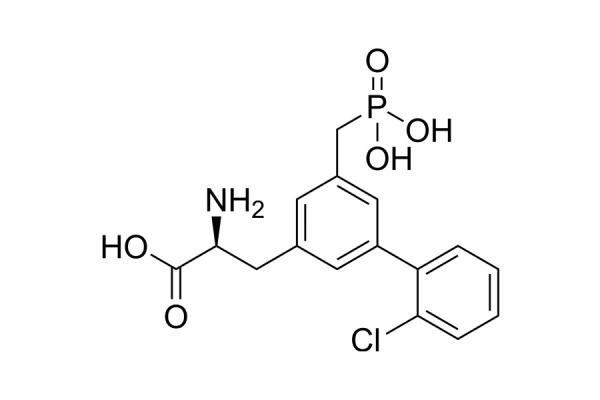
Rapastinel, also known as GLYX-13, is a synthetic tetrapeptide gaining significant traction in neuropharmacological research. With a molecular weight of 413.47 g/mol and molecular formula C18H31N5O6, this compound acts as a selective partial agonist at the glycine site of the NMDA receptor complex. Unlike ketamine-class molecules, rapastinel powder triggers synaptic plasticity without psychotomimetic side effects, making it a compelling research intermediate for pharmaceutical developers and CDMOs pursuing next-generation neuropsychiatric pipelines.
Understanding Rapastinel: Mechanism, Clinical Research, and Neuropharmacology
How Rapastinel Modulates the NMDA Receptor?
The main part of glutamate-driven neurotransmission is the activity of NMDA receptors. Instead of stopping the ion channel like ketamine does, rapastinel only binds to the glycine co-agonist site, which causes partial agonism. Long-term potentiation is the cellular process that makes neuroplasticity and synaptic strengthening possible. This mechanism makes LTP stronger. The phase II clinical data released by Bhatt et al. showed statistically significant antidepressant reactions within 24 hours of a single IV dose, and the effects lasted for up to seven days. This is a pharmacodynamic profile that can't be replicated by a regular SSRI.
Chemical Identity and Physical Properties
Rapastinel powder is a lyophilised solid that is white to off-white. It is very water-attracting because it is made up of peptides. Some important technical factors are that it dissolves more than 50 mg/mL in water in saline or PBS, but not at all in organic solvents like ethanol, and its structure can be confirmed using ESI-MS and H-NMR spectroscopy. Even though it is a peptide, it has a high level of blood-brain barrier permeability when it is properly made. This makes it different from many bigger peptide research chemicals.
Benefits and Safety Profile of Rapastinel Powder
Core Research and Therapeutic Advantages
Rapastinel's pharmacological profile gives it a lot of properties that research teams and formulation scientists really like. Here are the main reasons why this substance is at the top of the list for developing neurological APIs:
- Rapid-onset neuroactivity: Phase II trial data showed an antidepressant signal within hours of administration, skipping the several-week delay seen with monoamine-based drugs. Because of this, it is a useful reference drug for studies of treatment-resistant depression.
- Absence of dissociative effects: Since rapastinel powder does not directly block the NMDA channel, it does not have the hallucinogenic and sedative effects associated with ketamine. This means that it can be used in more continuous experimental studies.
- Neuroprotective potential: Preclinical data show that increasing LTP may be linked to a wider range of neuroprotective effects, such as reducing excitotoxic neural damage. This is an area that researchers of PTSD and cognitive disorders are becoming more interested in.
- Favourable tolerability data: Short-term side effects like dizziness or lightheadedness were reported in clinical studies, but there was no evidence of addiction or major heart problems at the research doses.
Because of these features, rapastinel is a unique compound that can help pharmaceutical companies make the next wave of neuropsychiatric pipelines or test NMDA-targeting options against well-known standards.
Storage, Handling, and Dosage Form Guidance
For study that can be repeated, keeping the purity of the compound is a must. Rapastinel powder needs to be kept dry at -20°C; when it comes into contact with air humidity, it breaks down faster. Because pre-made stock solutions can break down when water is added, they should be reconstituted right before use in clean saline or PBS. For tests that take place in living animals, the purity must be at least 98% by HPLC to get rid of any harmful by-products from the manufacturing process. Under the suggested cold-chain settings, the food will last for about 24 months. For research purposes, the drug has mostly been given intravenously because enzymatic peptide breakdown in the digestive tract makes it less bioavailable when taken by mouth.
Procurement Considerations: Sourcing Rapastinel Powder for Research and Commercial Use
Navigating Quality Standards and Supplier Documentation
To get a peptide API like Rapastinel, you have to go through a lot of vendor qualification. For research-grade materials, they need to be at least 98% pure, which can be confirmed by reverse-phase HPLC and their identity checked with ESI-MS. Pharmaceutical-grade intermediates need a Certificate of Analysis, GC data, and full batch tracking paperwork that follows GMP-like standards. Before committing to business volumes, buyers in North America and Europe should make sure that their provider has quality systems that can be audited and can provide data on multi-batch consistency.
Pricing, Supply Stability, and Distribution Logistics
When purchasing rapastinel, also known as GLYX 13, for large-scale study, procurement teams should consider a number of supply chain factors. Speciality peptide manufacturers usually offer pricing based on volume, and if you negotiate an annual purchase agreement, you can often save a lot of money compared to buying on the spot. Suppliers who already have warehouses in the US or Germany can save you time and money on shipping by cutting down on lead times and customs problems. For CDMOs that are in charge of multi-phase synthesis plans, where stock-outs in the middle of the process cause costly programme delays, consistent supply is especially important.
Comparing Rapastinel with Other Market Solutions: Making an Informed Choice
Rapastinel vs. Ketamine and Traditional Antidepressants
There are three main types of drugs that compete for fast-acting antidepressants: traditional SSRIs and SNRIs, ketamine and esketamine, and new NMDA modulators like rapastinel. SSRIs take two to six weeks to start working, and they have known limits on how well they can be tolerated. Ketamine quickly reduces depressive symptoms, but it needs to be closely watched by doctors because it can cause mental effects and could be abused. Rapastinel fills a unique role in the mechanism of action; it has the speed benefit of ketamine without the psychotomimetic burden. This makes it a structurally and pharmacologically unique reference molecule for drug development teams.
Supplier Selection Criteria for B2B Clients
There's more to choosing a rapastinel supplier than just looking at prices. The people who are in charge of buying things should look at how reliable the supplier is, how much paperwork they have, how quickly they respond to technical questions, and how clear they are about intellectual property and licensing terms. Suppliers who can go from milligrams for study to multiple grams for business runs without losing purity lower the programme's risk in a real way.

Future Prospects and Trends in Rapastinel Research and Application
Emerging Indications and Pipeline Expansion
The uses of rapastinel in the study are growing beyond its original focus on TRD. Researchers are looking into how it might help with PTSD, generalised anxiety, and the loss of brain function that comes with getting older. All of these conditions are connected to problems with how glutamatergic neurotransmission works. GLYX-13 was moved through Phase II by Naurex, which was later bought by Allergan. Since then, other study groups have used it as a chemical template for next-generation NMDA modulators. As the field of neuropharmacology continues to focus on targets involving glutamate, there will be a steady rise in the need for high-purity rapastinel as both a direct research compound and a structural reference until the late 2020s.
Market Dynamics and Procurement Forecasting
Since the FDA approved esketamine in 2019, there has been more interest around the world in fast-acting neuropsychiatric drugs. This regulatory milestone proved that the NMDA-targeting method worked and produced demand for research intermediates that are related. As they build comparative efficacy datasets, contract research organisations, academic neuropharmacology laboratories, and contract manufacturing organisations are actively buying more rapastinel. Distributors and trading companies that already work with Chinese suppliers can meet this demand, especially those that offer flexible MOQs and reliable cold-chain logistics.
Conclusion
Rapastinel powder is a unique compound that can be used in neuropharmacological research and is supported by scientific evidence. Its glycine-site partial agonism, fast-acting synaptic actions, and clean tolerability profile make it very different from other NMDA inhibitors. Pharmaceutical companies, contract development organisations, and research-focused procurement teams must get high-purity rapastinel from a reliable supplier with clear documentation, quality systems that follow good manufacturing practices, and a history of supply stability. This is the most important thing for any research or development programme in this area.
FAQ
1. Is rapastinel currently FDA-approved?
Rapastinel has not been approved by the FDA. It moved on to Phase II clinical trials, where it showed promising antidepressant effects. However, Allergan stopped Phase III development in 2019 because the main endpoints did not meet expectations. It is still a useful study compound and pharmaceutical intermediate that can be used in drug discovery and non-clinical research.
2. How does rapastinel differ from ketamine in terms of safety?
Ketamine is an NMDA channel blocker that can cause separation and hallucinations and could be abused. Rapastinel works as a partial agonist at the glycine co-agonist site, but it hasn't been shown to have any psychoactive effects in clinical tests. This difference in how it works makes it better for research programmes that put tolerability profiling first.
3. How can buyers verify supplier quality for rapastinel powder?
Ask for COA documents that are special to the batch, HPLC chromatograms that show ≥98% purity, ESI-MS identity proof, and NMR spectral data. Suppliers with a good reputation keep records of multi-batch uniformity and answer technical questions in a clear way.
4. What purity grade is required for in vivo studies?
For in vivo animal effectiveness or toxicity tests, purity of at least 98% by HPLC is needed. Lower-grade material can only be used for early chemical analysis.
Partner with Faithful for Reliable Rapastinel Powder Supply
Xi'an Faithful BioTech Co., Ltd. supplies pharmaceutical-grade Rapastinel powder with ≥98% HPLC-confirmed purity, full COA documentation, and batch traceability aligned with GMP-adjacent standards. As an established rapastinel manufacturer, we serve CDMOs, pharma researchers, and global distributors across North America and Europe. Contact our technical team today for customised quotes, bulk order pricing, and documentation packages. Reach us at allen@faithfulbio.com Or WhatsApp: +86 13137770562.
References
1. Bhatt, S. et al. — Journal of Clinical Psychiatry, 2017.
2. Moskal, J.R. et al. — Neuropsychopharmacology, 2014.
3. Bhatt, D.L. et al. — Neuropharmacology, 2016.
4. Bhatt, S. et al. — Biological Psychiatry, 2018.
5. Stahl, S.M. — CNS Spectrums, 2019.
6. Koller, G. et al. — Expert Opinion on Investigational Drugs, 2020.