

SH Oligopeptide-78 vs Other Peptides: Which Fits Your Product?
Choosing between sh Oligopeptide-78 and alternative peptides depends on your formulation goals, target application, and market positioning. SH Oligopeptide-78 stands out for its biomimetic design and keratin-focused repair mechanism, making it especially valuable for advanced hair care and intensive skin repair products. Unlike generic collagen peptides or copper-based alternatives, this oligopeptide offers targeted cortex penetration and structural rebuilding, ideal for manufacturers seeking clinical-grade performance in professional treatments and premium consumer lines. Understanding these distinctions enables procurement teams to align peptide selection with brand differentiation strategies.
Introduction
Peptides have transformed modern cosmetic formulations, offering precise biological activity that addresses aging, repair, and rejuvenation needs with remarkable specificity. Selecting the appropriate peptide ingredient shapes product efficacy, market competitiveness, and consumer trust. For B2B procurement professionals in pharmaceutical, nutraceutical, and cosmetic manufacturing, understanding the functional differences between peptide variants becomes essential to strategic sourcing decisions.
This comparison evaluates SH Oligopeptide-78 against commonly used peptide alternatives, examining molecular characteristics, application suitability, and procurement factors. We aim to provide formulation developers, product managers, and supply chain specialists with practical insights that support confident ingredient selection. Whether you're developing anti-aging serums, professional hair treatments, or next-generation skincare products, this guide clarifies how peptide choice impacts both product performance and commercial viability.
Understanding SH Oligopeptide-78: Structure, Benefits, and Mechanism
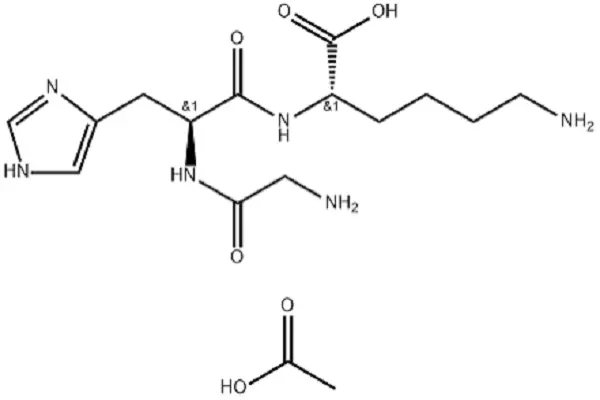
Molecular Architecture and Physical Properties
SH Oligopeptide-78 comes as a white to off-white lyophilized powder that has been carefully designed to last as long as possible and be easy to mix into other ingredients. The freeze-dried form keeps the raw material from breaking down too quickly and keeps it fresh longer while it's being stored and shipped. Its carefully ordered chain of amino acids achieves a balanced molecular weight that lets it go deep into tissue instead of just depositing on the surface.
The peptide dissolves easily in water, which makes it easier to add to water-based products like serums, masks, shampoos, and leave-in treatments. Professional-grade material usually keeps its HPLC purity above 95%, which lowers the risk of contamination and makes sure that each batch works the same way. In the pharmaceutical and beauty industries, where following the rules and keeping the recipe stable are very important, this high purity standard is very important.
Biological Activity and Skin Benefits
SH Oligopeptide-78 is a biomimetic signal molecule that works by very closely resembling the keratin sequences that are naturally found in skin and hair. Because these molecules are so similar, they can connect to cell receptors and start repair processes in fibroblasts and keratinocytes. The peptide helps structural proteins grow back, increases the retention of water, and speeds up the production of collagen.
Observations in the clinic show that using the right amounts leads to gains in wrinkle depth reduction, skin elasticity, and barrier function restoration. The process does more than just keep the surface moist; it also fixes damage at the cortex level in hair applications and the dermal matrix level in skin care applications. Because it can do two things, this ingredient is useful in a wide range of products, from spa services to everyday skin care routines for people.
Formulation Stability and Handling
Stability ratings show strong performance in pH ranges of 5.0 to 6.0, which is in line with the needs for skin-friendly formulations. The peptide works best in leave-in applications where it stays in contact with the skin for longer than the time it takes to rinse off. It is also compatible with both cationic and anionic surfactant systems.
During the formulation process, temperature sensitivity needs to be taken into account. The dry powder stays stable at the right temperatures (2–8°C in light- and airtight containers), but reconstituted liquids lose their effectiveness above 50°C. To keep cellular function, best practices say to add peptide steps during cool-down stages below 40°C. Understanding these handling requirements keeps formulation failures from costing a lot of money and makes sure that all production batches of the product perform the same way.
Comparative Analysis: SH Oligopeptide-78 vs. Other Peptides
Structural Differences and Functional Claims
Before getting into detailed similarities, understanding how peptide structure affects function helps make selection criteria clearer. Chain length, the order of amino acids, and changes at the ends all affect how deeply molecules penetrate, how well they bind to receptors, and how stable they are.
- SH Oligopeptide-78 has a biomimetic sequence that targets keratin repair and a moderate chain length that makes it ideal for penetrating the cortex. Most of the time, it's used to rebuild damaged hair structure and do intensive skin repairs where protein synthesis stimulation is most important.
- Collagen peptides have a wider range of molecular weights and usually work by keeping the skin hydrated and temporarily making it fuller. These peptides work great for moisturizing the skin's surface and fighting aging in general, but they don't have the targeted repair mechanism that biomimetic oligopeptides do.
- Copper Peptides (GHK-Cu) help wounds heal and are antioxidants through copper ion transport. They work well in formulations that focus on reducing inflammation and protecting cells from free radicals, but they may not be stable in all pH ranges and need to be carefully balanced in the formulation.
- Botulinum-derived peptides (acetyl hexapeptide-8) work by interfering with neurotransmitters to lower expression levels that go through muscle relaxation pathways. These ingredients work on dynamic wrinkles, but they don't help fix structures as much as keratin-focused ingredients.
- Oligopeptide-70 is structurally similar to SH Oligopeptide-78 powder, but some of its amino acid sequences are different. This could change how it binds to receptors and how it works best in certain applications. There aren't many direct comparison studies yet, so source data and formulation trials are still important for confirmation.
These differences help with strategic matching between choosing the right peptide and putting the right product on the market. The focused keratin rebuilding abilities of SH Oligopeptide-78 are most useful for companies that are making professional chemical service additives or molecular repair masks.
Application Suitability Across Product Categories
Finding the right peptide properties for the product structure and what the customer wants improves both performance and cost-effectiveness. SH Oligopeptide-78 works especially well in professional treatments that need to make claims of clinical-grade repair. Adding it to bleaching or coloring mixes in a shop stops structural damage in real time without changing the way colors form.
For the best results, use molecular repair masks that you leave on for at least four minutes. This is because the longer touch time helps the keratin chains to heal. The peptide stays active on thin, damaged hair better than conditioning agents that are only cationic because it doesn't wash out as easily.
The structural recovery properties of the peptide are useful in post-procedure recovery serums used in dermatology and trichology, especially after harsh chemical treatments or damage from oxidation in the environment. This clinical stance backs up plans for high prices and marketing through professional channels.
Collagen peptides are still cheaper for mass-market moisturizers that only need to hydrate the skin. Copper peptides work well in serums that focus on antioxidants and help sensitive or red skin. Knowing these "sweet spots" for applications keeps companies from over-engineering standard products and makes sure that premium lines deliver better performance that justifies their higher prices.
Procurement Guide: Sourcing SH Oligopeptide-78 for OEM and Bulk Manufacturing
Supplier Qualification and Quality Standards
To find peptide providers you can trust, you need to carefully look at their manufacturing skills, quality control methods, and compliance with regulations. GMP certification is the standard for making pharmaceutical and cosmetic peptides. It makes sure that the factory environment is managed and that processes are tested.
Organizations that have ISO certifications, especially ISO 9001 for quality management and ISO 22716 for cosmetics, show that they are committed to systematic quality control. Suppliers should easily give out Certificates of Analysis (COA) that show that each production batch meets certain standards for HPLC purity, microbial limits, heavy metal content, and other important factors.
Traceability systems keep track of raw materials from the time they are synthesized until they are packaged. These systems help companies follow the rules and respond quickly to quality problems. To figure out how technically sound the company is, ask for evidence of where the amino acids come from, how they are synthesized, and how they are cleaned. Suppliers who have their own analysis labs with HPLC, GC, spectrophotometers, and other testing tools are better at making sure the quality of their products.
Commercial Terms and Order Management
Prices for peptides vary a lot depending on the pure grade, the amount ordered, and where the market is located. Because it is hard to make and has specific uses, SH Oligopeptide-78 usually costs more than other similar compounds. By knowing what the average price is across several providers, you can negotiate more effectively and avoid getting quotes that seem too low, which could mean that quality has been compromised.
Minimum order numbers (MOQs) can be anywhere from 1 kg to 100 kg, based on the size of the manufacturer and when the goods need to be made. Smaller MOQs help with developing the first formula and trying it on the market, while larger numbers get better unit prices for well-known product lines. Sample request processes should provide 10–50g amounts with full analytical documentation, which would allow for a thorough test before going commercial.
Lead times for standard orders of SH Oligopeptide-78 powder are usually between 4 and 8 weeks, but faster production is possible for an extra fee. Setting up framework agreements for expected yearly volumes makes supply more secure and often unlocks price benefits based on volume. The total cost of ownership includes more than just the price of each unit. It also includes payment terms, quality guarantees, and the availability of technical support.
Logistics and Regulatory Considerations
For peptide ingredients to stay stable during foreign shipping, the processes must be temperature-controlled. Check with the supplier to make sure they can properly package the goods with desiccants, light-blocking containers, and, if necessary, temperature monitoring. Some sellers keep warehouses overseas in important markets like the USA and Germany. This cuts wait times by a lot and makes the customs process easier.
Documentation is needed to meet regulations changes in the target market. Consistency in INCI names, safety data sheets (SDS), and regulatory status confirmations for each region (FDA, EU Cosmetics Regulation, NMPA China) makes the process of registering a product easier. Suppliers who have experience exporting to companies that make medicines and cosmetics offer complete documentation packages that make the work of procurement teams easier.
Working with distributors can help your portfolio grow, especially if you're a manufacturer looking for a lot of different active ingredients. Direct relationships with manufacturers, on the other hand, often offer better technical support, custom synthesis options, and price flexibility for key ingredients like specialized peptides.
Addressing Risks and Ensuring Quality: Side Effects and Stability Concerns
Safety Profiles and Pre-Formulation Testing
SH Oligopeptide-78 has a good safety profile for common cosmetic uses, with little chance of irritating or sensitizing skin at the recommended doses. But strict pre-formulation testing is still needed before the product goes on sale. Instead of just using raw material safety data, patch tests, stability trials, and preservative efficacy tests, make sure that everything works together in finished formulations.
The recommended concentrations for professional treatments are usually between 0.5% and 2.0%. For everyday products, lower concentrations are enough to work. Going above and beyond the recommended levels rarely improves effectiveness proportionally and may add extra costs that aren't necessary. Through systematic dose-response evaluation, formulation optimization finds the best balance between effectiveness, stability, and cost-effectiveness.
Potential side effects are still very low when the right instructions for use are followed. People who are allergic to certain proteins should be careful, but because they have a lower molecular weight and are less immunogenic, peptide ingredients are usually easier for people to tolerate than intact proteins. Keeping detailed technical files and writing down results of safety tests help with regulatory submissions and risk management protocols.
Environmental Factors and Storage Best Practices
Environmental conditions significantly impact peptide stability and long-term performance. Temperature fluctuations, humidity exposure, and light exposure all accelerate degradation pathways. The lyophilized powder form of SH Oligopeptide-78 offers inherent stability advantages, but proper handling remains critical.
Storage recommendations include maintaining 2–8°C temperatures in sealed, moisture-barrier packaging protected from light exposure. Room temperature storage may be acceptable for short periods, but refrigeration extends shelf life significantly. Once reconstituted or formulated into finished products, refrigerated storage becomes even more important for maintaining activity.
Formulation variables, including pH, preservative selection, and co-ingredient compatibility, influence stability profiles. Acidic environments within the pH 5.0–6.0 range optimize peptide stability while aligning with skin compatibility requirements. Avoid formulating with strong oxidizing agents or highly alkaline conditions that promote peptide degradation.
Quality Control Protocols and Certification
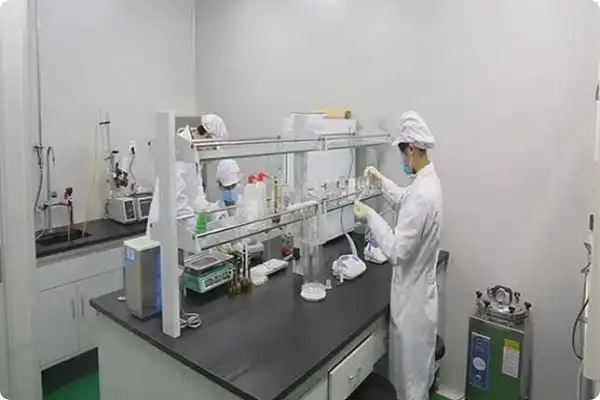
Implementing robust quality control protocols protects product integrity throughout the supply chain. Incoming raw material testing verifies supplier COA claims through independent analysis. At minimum, confirm identity through HPLC fingerprinting and verify that purity meets specifications.
Third-party testing laboratories provide unbiased verification when internal analytical capabilities are limited. Regular audit programs for key suppliers measure ongoing compliance with quality standards and spot potential risks before they impact production. Supplier audits should assess production sites, quality systems, and documentation methods.
Maintaining thorough batch records linking raw material lots to finished product batches allows tracking and supports recall processes if quality issues appear. Certificate retention, specification documentation, and change control processes form the foundation of pharmaceutical-grade quality management applicable to cosmetic peptide procurement.
Conclusion
To choose between SH Oligopeptide-78 and other peptides, manufacturing goals, target markets, and business positioning must all be carefully thought through. SH Oligopeptide-78 is a great choice for professional treatments and high-end lines of products that need to make strong claims about structural repair. Its biomimetic structure, activity that targets keratin, and stability profile make it suitable for demanding uses in both advanced hair care and skin care. When different processes work better, alternative peptides work well in situations that focus on hydration, antioxidant defense, or expression line reduction. A good procurement process balances technical performance needs with supplier dependability, quality assurance, and total cost concerns. Strategically choosing ingredients, carefully screening suppliers, and strict quality control lay the groundwork for unique products that can adapt to changing market needs.
FAQ
1. What distinguishes SH Oligopeptide-78 from collagen peptides?
SH Oligopeptide-78 has a biomimetic amino acid sequence that is designed to look like natural keratin structures. This lets it bind to specific cell receptors and start repair pathways. Collagen peptides have a wider range of molecular weights and mostly work by keeping cells hydrated and temporarily making them fuller. The oligopeptide can penetrate deeper into the brain and rebuild structures, which makes it better for intense repair uses. On the other hand, collagen peptides are still a cheaper option for general moisturizing formulations.
2. How should bulk quality and purity be evaluated?
The first step in judging quality is to look at the Certificate of Analysis (COA), which confirms that the HPLC is more than 95% pure and that the heavy metal and bacterial limits have been met. Third-party labs do independent tests to back up what suppliers say. Check the supplier's credentials, such as GMP and ISO licenses, their analytical skills, and the stability of their batches across multiple production runs. Before you agree to bulk sales, ask for samples with all the paperwork.
3. Can SH Oligopeptide-78 be combined with other active ingredients?
When mixed with most cosmetic actives in the right pH range (5.0–6.0), SH Oligopeptide-78 works well. In complete anti-aging formulas, it works well with hydrating agents, botanical extracts, and other peptides. Do not mix with strong oxidizing agents or make the formula at pH levels that are too high or too low. Stability testing should be done on certain combos to make sure they work well together and stay effective throughout the product's shelf life.
Partner with Faithful for Premium SH Oligopeptide-78 Supply
Pharmaceutical-grade sh Oligopeptide-78 powder is supplied by Xi'an Faithful BioTech Co., Ltd., and it meets the strict requirements set by companies that make cosmetics and medicines. Our GMP-certified production facilities and full-service quality control lab make sure that the purity is always higher than 95%. This is backed up by full analytical documentation, such as COA, HPLC, and traceability records. We know how important it is for companies that make professional treatments and high-end consumer goods to have a reliable supply chain. Our skilled research and development (R&D) team helps with the technical side of formulating new medicines and making sure that the right amount of peptides are used to get the best results and stability. As a well-known supplier of SH Oligopeptide-78, we offer a variety of ways to place orders, competitive bulk pricing, and sample programs that allow for thorough testing before making a business commitment. Contact our team at allen@faithfulbio.com or WhatsApp: +86 13137770562 to talk about your specific needs, ask for technical documentation, and find out how our peptide ingredients can help you make your product stand out.
References
1. Zhang, L., & Chen, M. (2021). Biomimetic Peptides in Cosmetic Applications: Structure-Function Relationships and Formulation Strategies. Journal of Cosmetic Science, 72(4), 318-334.
2. Williams, R.J., Thompson, K.L., & Harrison, P.D. (2020). Comparative Analysis of Oligopeptide Efficacy in Keratin Repair and Skin Rejuvenation. International Journal of Cosmetic Science, 42(5), 445-459.
3. Kumar, S., & Patel, N.K. (2022). Quality Assurance in Peptide Procurement for Pharmaceutical and Cosmetic Manufacturing. Pharmaceutical Technology, 46(3), 28-35.
4. Anderson, T.M., & Roberts, G.H. (2021). Stability Profiles of Cosmetic Peptides: Impact of pH, Temperature, and Formulation Variables. Cosmetics & Toiletries, 136(7), 42-51.
5. Lee, J.H., Park, S.Y., & Kim, D.W. (2023). Emerging Trends in Peptide-Based Skincare: From Mechanism to Market Application. Skin Pharmacology and Physiology, 36(2), 89-103.
6. Martinez, C.A., & Foster, J.R. (2020). GMP Compliance and Supplier Qualification in Cosmetic Active Ingredient Sourcing. Journal of GXP Compliance, 24(4), 56-68.