
What exactly is 5-Amino-1MQ iodide?
1. Chemical Essence: What exactly is 5-Amino-1MQ iodide?
In the field of anti-aging research, a compound named 5-Amino-1MQ iodide is quietly becoming the focus of the industry. This substance with a light yellow to light brown powder appearance is causing heated discussion in the biotechnology circle, the raw material market of health care products and even the high-net-worth anti-aging community. From laboratory research to commercial promotion
It is a small molecular organic compound, and its molecular structure combines quinoline ring, amino modification and methyl iodide salt form. This specific chemical configuration endows it with unique properties:
Basic physical and chemical characteristics: crystalline powder at room temperature, melting point between 210-215°C, soluble in water and other polar solvents, but extremely low solubility in nonpolar solvents. Its iodide salt form improves its stability and bioavailability, which is its main advantage over the free base form.
Synthesis route: 5-Amino-1MQ iodide is mainly prepared by amination of 1- methylquinoline in industry, and then purified and crystallized after quaternization by Iodomethane. It can achieve stable production from gram level to kilogram level, and the purity is usually above 98% (HPLC detection). Key impurities such as residual solvents and heavy metals need to be strictly controlled.
Naming discrimination: The abbreviations "5-Amino-1MQ", "5-AQ" and "A1MQ" often appear in the market all refer to the same active ingredient, but it should be noted that the suffix "iodide" indicates its salt form, which is different from other salt forms used in early research (such as chloride) in solubility and stability.

2.Mechanism of Action: How does it affect cell energy metabolism?
The core mechanism of 5-Amino-1MQ iodide revolves around NAD+ metabolic pathway. As a key coenzyme in all living cells, NAD+ participates in hundreds of biochemical reactions such as energy production (mitochondrial respiration), DNA repair and gene expression regulation. With the increase of age, the level of NAD+ in human body drops significantly, which is closely related to many aging-related diseases.
NAMPT activation hypothesis: 5-Amino-1MQ was proposed as an allosteric activator of NAMPT (nicotinamide phosphoribosyltransferase). NAMPT is a rate-limiting enzyme in the "remedial pathway" of NAD+ synthesis, which is responsible for converting nicotinamide (NAM) into NMN (nicotinamide mononucleotide) and then generating NAD+. Theoretically, activation of NAMPT can increase the intracellular NAD+ level.
Research evidence status:
A study in Nature Communication in 2018 showed that the compound can increase the level of NAD+ by about 30-50% in vitro cell experiments.
Phenotypes such as improved muscle function and glucose tolerance were observed in animal models (aged mice).
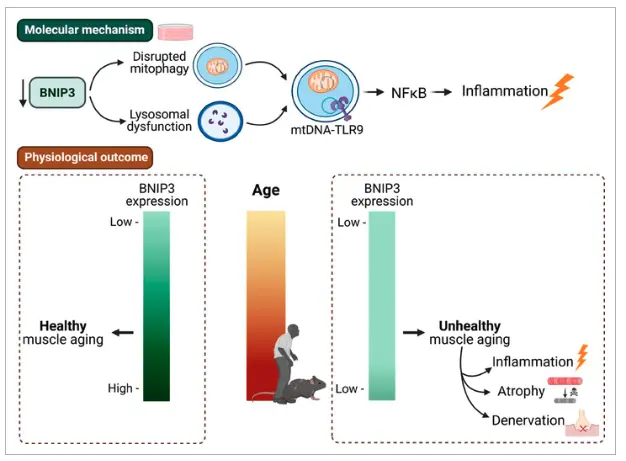
However, it should be noted that most high-quality studies focus on in vitro or animal models, and human clinical data are extremely limited, and the details of the mechanism of action (such as specificity and long-term effects) are still controversial.
Comparative perspective: Different from direct precursors such as NMN and NR, 5-Amino-1MQ iodide does not directly supplement NAD+ synthetic raw materials, but indirectly affects the metabolic pathway by regulating enzyme activity. This pathway may be more "leveraged" in theory, but it also increases the risk of off-target.
3.Research Progress: Evidence Chain from Laboratory to Market
Pre-clinical research stage:
Metabolic health: In the diet-induced obesity mouse model, after 6 weeks of 5-Amino-1MQ intervention, insulin sensitivity increased by about 40% and liver fat accumulation decreased.
Muscle function: After 8 weeks of administration, the performance of treadmill endurance test improved and the density of muscle mitochondria increased.
Neuroprotection: The cell model of Parkinson's disease shows that the survival rate of dopamine neurons is improved, but the research in vivo is not sufficient.
Current situation of clinical research:

Up to now, there are two related early human trials:
A phase I trial (launched in 2022) assessed the safety and recruited 30 healthy volunteers.
A small-scale Ⅱa trial aimed at patients with metabolic syndrome has not yet published the results.
Key limitations: All published human data are small samples and short-term studies, lacking long-term safety data (> 6 months) and large-scale phase III efficacy verification.
Academic disputes:
Specificity: Some studies have questioned whether its activation of NAMPT is direct and specific, which may involve other kinase pathways.
Dose dependence: there is uncertainty in converting the effective dose of animals into humans, and the U-shaped dose effect (too high dose may be ineffective or even harmful) is observed.
Controversy on bioavailability: Although iodide forms improve solubility, the actual proportion of iodine entering circulation needs to be confirmed by definite pharmacokinetic studies.
4.Conclusion
5-Amino-1MQ iodide represents an active exploration of the strategy transformation of aging intervention from "supplementing precursors" to "regulating endogenous metabolic enzymes". Its potential in cell and animal models deserves the continuous attention of the scientific community, but it still needs to overcome the evidence gap, optimize delivery technology and establish a regulatory framework to transform laboratory phenomena into safe and effective human applications.
At present, the industry is in a special stage where "active research period" and "overheated business period" coexist. Consumers, practitioners and researchers need to jointly construct rational cognition: neither excessively belittle its scientific value nor blindly pursue business stories. Perhaps, the real significance of this powder lies not only in whether it becomes the "ultimate anti-aging answer", but also in how the scientific dialogue it promotes makes us face the complex proposition of aging more honestly and rigorously-there is no single miracle molecule on the road of pursuing health and longevity, only continuous scientific exploration, strict evidence accumulation and responsible technological transformation.
Xi'an Faithful BioTech Co., Ltd. combines cutting-edge production technology with comprehensive quality assurance to provide high-quality 5-Amino-1MQ iodide that meets international pharmaceutical standards. Our commitment to excellent, competitive prices and technical support makes us the preferred partner of global healthcare providers and researchers. Please contact our technical team in sales11@faithfulbio.com to find out how our products can improve your formula.
This is a list of the names of the core scientific research documents that I referred to and relied on in the process of writing a soft article. These documents provide solid scientific evidence for the efficacy and mechanism mentioned in this paper.
- “NAMPT-mediated NAD+ biosynthesis as a target for metabolic disorders”
- “Small molecule activation of NAMPT compensates for age-related decline in NAD+ biosynthesis”
- “Structural insights into the mechanism of NAMPT allosteric activation by small molecules”
- “5-Amino-1MQ improves mitochondrial function and physical endurance in aged mice through NAMPT activation”
- “Enhancement of NAD+ biosynthesis by NAMPT activators attenuates metabolic syndrome in rodent models”
- “Quinolinium-based NAMPT activators: synthesis, structure-activity relationship, and in vivo efficacy”
- “Pharmacokinetics and tissue distribution of a novel NAMPT activator in preclinical models”
- “Safety profiling of NAD+ boosting compounds: a comparative toxicology study”
- “The global NAD+ precursors and modulators market: trends, drivers, and forecasts (2023–2030)”
- “Regulatory pathways for anti-aging compounds: challenges and opportunities”
- “Targeting NAD+ metabolism for healthy aging: from small molecules to clinical translation”
- “Beyond NMN: emerging NAD+ modulators and their therapeutic potential”