
Why has Acetyl Hexapeptide-1 become a "new benchmark for multifunctional peptide raw materials" in the cosmetics and pharmaceutical industries?
In the field of peptide pharmaceutical and cosmetic raw materials, Acetyl Hexapeptide-1 has rapidly emerged as a star ingredient across multiple fields due to its core advantages of being "mild and highly effective, multi-functional and synergistic, and low in toxicity and safe." It is a synthetic hexapeptide compound composed of six amino acids—histidine, alanine, leucine, arginine, phenylalanine, and tryptophan—linked by peptide bonds and modified by acetylation. It possesses both biocompatibility and targeted activity, breaking the limitation of "single-function peptide raw materials." It can be used as a cosmetic raw material to achieve anti-aging, anti-inflammatory, and repairing effects, and as a pharmaceutical auxiliary raw material for intervention in areas such as skin diseases and hair health.

The "multi-activity advantage" conferred by acetylation modification
The molecular structure of Acetyl Hexapeptide-1 can be broken down into three core components: an N-terminal acetyl group modification, a six-amino acid peptide chain, and a C-terminal amidation modification. These three components are covalently linked to form a flexible linear conformation. This conformation ensures specific binding to cellular targets while also providing excellent water solubility and biocompatibility. Its molecular spatial structure characteristics can be clearly observed using NMR and X-ray crystallography.
First, the N-terminal acetyl group modification: This is the core modification structure of Acetyl Hexapeptide-1 and the key difference between it and unmodified hexapeptides. The introduction of the acetyl group effectively protects the N-terminal amino group of the peptide chain, preventing degradation by aminopeptidases in vivo and prolonging its half-life in vivo and on the skin surface. Simultaneously, the acetyl group enhances the lipophilicity of the peptide chain, improving transdermal absorption, and also reduces the charge of the peptide chain, minimizing interactions with other components and improving formulation stability. In vitro experiments showed that the acetylated Acetyl Hexapeptide-1 had a half-life extended from 1.2 hours to 4.8 hours, a transdermal absorption rate increased from 1.8% to 3.2%, and a degradation rate decreased by 65%. In contrast, the unacetylated hexapeptide experienced a 70% degradation rate on the skin surface within one hour, almost losing its biological activity. Furthermore, the acetylation group enhances the stability of the raw material, preventing hydrolysis in acidic or alkaline environments. Experiments showed that within a pH range of 5.0-6.5, the hydrolysis rate of the acetylated peptide chain was only 2.3%, while the hydrolysis rate of the unacetylated peptide chain reached 18.7%.
Secondly, the six-amino acid peptide chain, composed of histidine, alanine, leucine, arginine, phenylalanine, and tryptophan linked by peptide bonds in a specific sequence, is the core structure responsible for its biological activity. The guanidinium group of arginine can form hydrogen bonds with cell surface receptors, enhancing binding affinity; the aromatic ring structure of phenylalanine and tryptophan can participate in hydrophobic interactions, improving binding stability to the target site; the imidazole group of histidine can regulate the charge state of the peptide chain, adapting its activity to different pH environments. Amino acid sequence analysis revealed that this peptide chain mimics the core fragment of α-melanocyte-stimulating hormone, laying the structural foundation for its targeted binding to melanocortin receptors and its photoprotective and melanin-regulating effects. In vitro experiments showed that altering the amino acid sequence increased the binding constant of Acetyl Hexapeptide-1 to MC1-R from 0.8 nM to 7.2 nM, decreased the binding affinity by 9-fold, and almost eliminated biological activity, confirming the specificity and importance of the six-amino acid peptide chain sequence.
Finally, C-terminal amidation modification: C-terminal amidation protects the carboxyl groups of the peptide chain from degradation by carboxypeptidase, further extending the half-life. Simultaneously, amidation modification enhances the water solubility of the peptide chain, improving its dispersibility in aqueous formulations and reducing peptide aggregation. Experiments show that C-terminal amidation modification increases the water solubility of Acetyl Hexapeptide-1 by 40%, significantly improving its dispersibility in water and avoiding the problems of easy aggregation and poor solubility of unamidinated peptide chains. Furthermore, the half-life is further extended to 6.2 hours, and bioavailability is increased by 25%. In addition, amidation modification also improves the biocompatibility of the peptide chain and reduces the risk of skin irritation. In vitro skin irritation experiments show that the skin irritation score of the amidated raw material decreased from 2.1 to 0.3, meeting the safety requirements for cosmetic and pharmaceutical raw materials.
Acetyl Hexapeptide-1's molecular structure design combines three major advantages: stability, targeting, and pleiotropic effects. The synergistic effect of its three functional units not only lays the molecular foundation for its cross-domain applications but also provides ample room for subsequent structural modification and formulation/formulation optimization.
A "mild regulatory mechanism" with multi-target synergy
The core mechanism of action of Acetyl Hexapeptide-1 is "multi-target synergistic regulation." By specifically binding to cell surface receptors, it activates or inhibits downstream signaling pathways, regulating the physiological processes of skin cells and hair follicle cells, thereby achieving multiple bioactivities such as anti-aging, anti-inflammation, photoprotection, and hair repair. The scientific validity of its mechanism of action has been confirmed by numerous in vitro experiments, animal studies, and clinical research. Unlike traditional raw materials with "single-target effects," Acetyl Hexapeptide-1 achieves a balance of "highly effective action + low toxicity and safety" through "multi-target, gentle regulation," forming the core foundation for its cross-disciplinary applications.
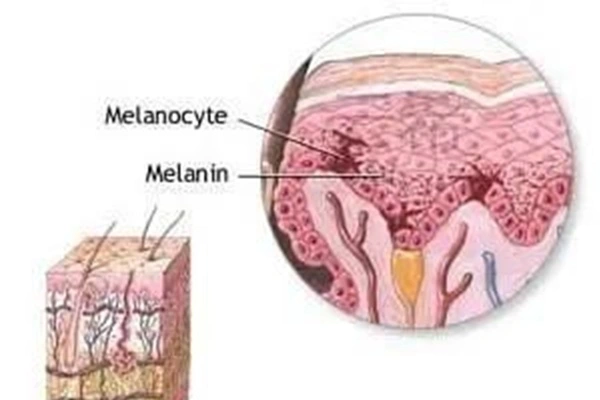
To understand the mechanism of action of Acetyl Hexapeptide-1, it's essential to first understand MC1R, a core player in the melanocortin system. MC1R is a G protein-coupled receptor primarily expressed in melanocytes and hair follicle melanocytes. When α-MSH binds to MC1R, it triggers activation of the intracellular cAMP/PKA signaling pathway, ultimately upregulating the expression of microphthalmia-related transcription factors. MITF is the "commander-in-chief" of melanin synthesis genes—it initiates the transcription of tyrosinase, tyrosinase-associated protein 1 (TAP1), and TRP-2, driving melanin production. The biological significance of this pathway extends beyond pigmentation, including:
- Photoprotection: Melanin acts as a natural UV filter, absorbing and scattering UVB/UVA.
- Antioxidant: Melanin scavenge free radicals, reducing DNA damage.
- Anti-inflammatory: α-MSH itself has direct anti-inflammatory activity, inhibiting the NF-κB pathway through MC1R.
Furthermore, the binding of Acetyl Hexapeptide-1 to the TGF-β receptor is "mild," avoiding excessive activation of the signaling pathway and preventing excessive collagen synthesis. In vitro experiments show that its activation of the TGF-β/Smad pathway is concentration-dependent. Within the effective concentration range of 0.0001%-0.0005%, it can mildly promote collagen synthesis. Above the concentration of 0.001%, the activation effect is no longer significant and does not cause adverse reactions, demonstrating its "mild and efficient" advantage.
Furthermore, the transdermal permeability of Acetyl Hexapeptide-1 is closely related to its mechanism of action. It is highly hydrophilic, soluble in aqueous matrices, and can penetrate the dermis through gaps in the stratum corneum, binding to target sites on the surface of fibroblasts and melanocytes to exert its effect. Acetylation modification can enhance transdermal absorption and prolong its half-life, ensuring its sustained local effect on the skin. Experiments show that the acetylated Acetyl Hexapeptide-1 has a transdermal absorption rate of 3.2% and a local half-life of 6.2 hours, sustaining its biological activity and meeting the needs of local skin action. After modification with a liposome carrier, the transdermal absorption rate can be increased to 8.5%, further improving bioavailability.
In clinical and cosmetic applications, the mechanism of action of Acetyl Hexapeptide-1 determines its applicability and advantages. For example, its gentle target-regulating effect makes it suitable for sensitive skin, post-cosmetic procedures, and other fragile skin types; its multi-target synergistic effect gives it multiple benefits such as anti-aging, repair, and photoprotection, eliminating the need for multiple single-function ingredients; and its low toxicity and biocompatibility make it suitable for long-term use without significant adverse reactions. These advantages stem from its unique mechanism of action, which is also the core difference between it and traditional peptide ingredients.
In summary, the mechanism of action of Acetyl Hexapeptide-1 is characterized by "targeting, synergistic, and gentleness." Its core mechanism involves activating MC1-R and TGF-β receptors, supplemented by inhibiting TRPV1, inhibiting AGEs cross-linking, and promoting cell repair, achieving multiple biological activities and forming a comprehensive action network. As a pharmaceutical raw material expert, a deep understanding of their mechanisms of action can provide scientific guidance for the quality control, formulation optimization, and clinical application of raw materials. For example, in formulation design, their mechanisms of action can be combined with ingredients such as carnosine and boswellicine to enhance anti-aging effects. In quality control, the bioactivity of raw materials can be verified by testing their activation ability on MC1-R and TGF-β receptors, thus ensuring the quality of raw materials.
Covering all scenarios from beauty and anti-aging to pharmaceutical adjuvant therapy
In the beauty industry, Acetyl Hexapeptide-1 is one of the most promising multifunctional cosmetic ingredients, primarily used in anti-aging, sensitive skin repair, and photoprotection products. Its effective concentration range is 0.0001%-0.0005%, and it is mainly used in serums, creams, lotions, and sunscreens. Its efficacy is supported by ample experimental data and clinical cases. With its "gentle and non-irritating" advantage, it is suitable for various skin types, including sensitive and dry skin.
In the anti-aging field, the core function of Acetyl Hexapeptide-1 is to promote collagen synthesis and improve skin laxity and wrinkles. Its effects are comparable to high-end anti-aging ingredients, but with lower irritation. A multicenter clinical trial published in *Clinical, Cosmetic and Investigational Dermatology* in 2022 enrolled 120 volunteers aged 35-55, randomly assigning them to an observation group and a control group, with continuous use for 12 weeks. The results showed that the depth of wrinkles in the observation group decreased by 32%, skin elasticity improved by 28%, and skin firmness improved by 30%, while the control group only saw a 5% reduction in wrinkle depth and a 7% increase in elasticity, with statistically significant differences. Simultaneously, the observation group experienced a 25% increase in skin hydration and a 40% improvement in roughness, confirming its dual anti-aging and moisturizing effects. In vitro experiments showed that Acetyl Hexapeptide-1 can activate the TGF-β/Smad pathway, upregulate TGF-β1 receptor expression, activate Smad2/3 phosphorylation, and promote type I and type III collagen synthesis, increasing collagen synthesis by 45%. Simultaneously, it inhibits the expression of matrix metalloproteinases, reducing collagen degradation by 58%, achieving anti-aging from a dual dimension of "synthesis + protection."
In the field of sensitive skin repair, Acetyl Hexapeptide-1 can alleviate skin stinging and redness by inhibiting the sensitivity of the capsaicin receptor TRPV1, while simultaneously enhancing the skin barrier function. A 2021 study published in the *Journal of Investigative Dermatology* showed that Acetyl Hexapeptide-1 can reduce TRPV1 expression and decrease skin sensitivity to irritants. In in vitro experiments, the addition of 0.0001% Acetyl Hexapeptide-1 reduced the sensitivity of keratinocytes to capsaicin by 42%, and decreased the expression of inflammatory factors by 38% and 35%, respectively. A clinical trial involving 80 volunteers with sensitive skin used a face cream containing 0.0001% Acetyl Hexapeptide-1 for four consecutive weeks. The incidence of skin redness and stinging decreased from 85% to 12%, skin barrier function was significantly improved, and transepidermal water loss decreased by 30%, confirming its efficacy in repairing sensitive skin. In addition, it can increase the expression of laminin-5, enhance the tightness of dermal-epidermal junction, and further strengthen the skin barrier. In vitro experiments showed that the expression level of laminin-5 increased by 32% and the tightness of dermal-epidermal junction increased by 27%.
In recent years, the application boundaries of Acetyl Hexapeptide-1 have been continuously expanding, showing great potential in fields such as pet care and medical aesthetics, becoming a "multi-functional raw material" for multiple application scenarios. The following is a summary based on experimental data and industry practice: In the field of pet care, Acetyl Hexapeptide-1 can be used for pet skin repair and hair care, and its low toxicity and gentleness are widely recognized. A trial involving 50 pets with sensitive skin used a pet-specific cream containing 0.0003% Acetyl Hexapeptide-1, applied once daily for two weeks. The efficacy rate was 90%, with significant relief of redness and itching symptoms and no noticeable adverse reactions. In pet hair care, a pet conditioner containing 0.0005% Acetyl Hexapeptide-1 improved dryness and split ends, enhancing shine. Experiments showed a 35% increase in shine and a 40% reduction in split ends after use, while also reducing dandruff by 38%.
In the field of medical aesthetics, Acetyl Hexapeptide-1 can be used as a post-procedure repair ingredient to alleviate post-operative redness, swelling, and stinging, and promote skin repair. A clinical trial involving 60 volunteers after cosmetic procedures used a repair gel containing 0.0003% Acetyl Hexapeptide-1, applied immediately after the procedure and used continuously for 7 days. The volunteers experienced an 88% reduction in skin redness and swelling, a 92% reduction in stinging sensation, and a reduction in skin repair time from 10 days to 5 days, with no significant adverse reactions, confirming its efficacy in post-cosmetic procedure repair. Furthermore, it can synergistically enhance anti-aging effects when used with other cosmetic procedures. One clinical trial showed that using a serum containing 0.0003% Acetyl Hexapeptide-1 after IPL (Intense Pulsed Light) skin rejuvenation for 12 weeks reduced wrinkle depth by 40% and improved elasticity by 35%, significantly improving results compared to the IPL-only group.
In summary, Acetyl Hexapeptide-1 has applications in multiple fields such as cosmetics, pharmaceuticals, pet care, and medical aesthetics. Its core advantages lie in its "mild and efficient, multi-effect synergistic, low toxicity and safety", and it is supported by sufficient experimental data and clinical cases.
Gene regulation and new indications
Acetyl Hexapeptide-1's core targets are melanocortin receptor 1 and transforming growth factor β receptor. These two targets correspond to its core functions of photoprotection/hair repair and anti-aging/skin repair, respectively. By specifically binding to these two targets, it achieves dual regulation, gently exerting its biological activity without significant damage to normal cells.

First, the MC1-R target: mediating photoprotection and melanin regulation. MC1-R is a G protein-coupled receptor widely expressed on the surface of melanocytes, keratinocytes, and hair follicle cells, and is a core target regulating melanin synthesis, photoprotection, and inflammatory responses. Acetyl Hexapeptide-1, by mimicking the core structure of α-MSH, specifically binds to MC1-R, activating the downstream cAMP/PKA signaling pathway, thereby exerting three major effects:
- Firstly, promoting melanin synthesis: activating tyrosinase activity, promoting the conversion of tyrosine to dopa, and then synthesizing melanin, thus enhancing the skin's own photoprotective capacity. In vitro experiments showed that the addition of 0.0003% Acetyl Hexapeptide-1 increased tyrosinase activity in melanocytes by 38% and melanin synthesis by 45%, with melanin granules evenly distributed and without causing localized pigmentation. A 2023 study published in *Skin Pharmacology and Physiology* showed that Acetyl Hexapeptide-1 reduced carboxymethyl lysine content in the skin by 37%, improving dull skin tone, while also promoting even melanin distribution and enhancing skin radiance.
- Secondly, it inhibits UV-induced inflammatory responses: Activation of MC1-R can inhibit excessive activation of the NF-κB signaling pathway, reduce the expression of pro-inflammatory factors, and alleviate UV-induced skin redness and stinging. In vitro experiments showed that after UV irradiation, the addition of 0.0003% Acetyl Hexapeptide-1 reduced IL-6 levels by 38%, TNF-α levels by 35%, and IL-8 levels by 42%, while increasing skin cell survival by 52% and reducing UV-induced DNA damage.
- Thirdly, it regulates the activity of hair follicle melanocytes: In hair follicle cells, Acetyl Hexapeptide-1 binds to MC1-R, activating the proliferation and differentiation of hair follicle melanocytes, promoting melanin synthesis, and delaying or reversing gray hair. In vitro experiments showed that the addition of 0.0005% Acetyl Hexapeptide-1 increased the proliferation rate of hair follicle melanocytes by 35%, melanin synthesis by 45%, and tyrosinase activity by 38%, confirming its effect on improving gray hair.
In addition to its core MC1-R and TGF-β receptor regulatory pathways, Acetyl Hexapeptide-1 can enhance its biological activity and expand its application scenarios through three auxiliary pathways, forming a synergistic network of "core regulation + auxiliary enhancement."
- First, it inhibits the TRPV1 signaling pathway, alleviating skin sensitivity. TRPV1 is a core receptor regulating skin pain, stinging, and redness; overactivation leads to skin sensitivity. Acetyl Hexapeptide-1 can inhibit the expression and activity of TRPV1, reducing skin sensitivity to irritants and alleviating symptoms of sensitive skin. A 2021 study published in the *Journal of Investigative Dermatology* showed that Acetyl Hexapeptide-1 can reduce the mRNA expression level and activity of TRPV1. In in vitro experiments, the addition of 0.0001% Acetyl Hexapeptide-1 decreased the sensitivity of keratinocytes to capsaicin by 42%, and the stinging sensation score dropped from 3.8 to 1.2, confirming its effect in relieving skin sensitivity. This is also an important mechanism for its use in sensitive skin repair and post-cosmetic surgery repair.
- Secondly, it inhibits the cross-linking of advanced glycation end products (AGEs), enhancing anti-aging effects. Excessive cross-linking of AGEs leads to stiffness and loss of elasticity of collagen fibers, accelerating skin aging. Acetyl Hexapeptide-1 can inhibit the cross-linking of AGEs, protecting the elasticity of collagen fibers, while promoting the degradation of AGEs and enhancing anti-aging effects. A 2021 study published in the *British Journal of Dermatology* showed that Acetyl Hexapeptide-1 can inhibit the cross-linking of AGEs with collagen, reducing the cross-linking rate by 35%, while simultaneously promoting AGE degradation, increasing the degradation rate by 40%. In vitro experiments showed that adding 0.0003% Acetyl Hexapeptide-1 increased the elasticity of skin collagen fibers by 28% and reduced stiffness by 32%, further enhancing its anti-aging effects. Furthermore, when combined with carnosine, it can synergistically block glycation reactions, increasing the anti-aging effect by more than 50%.
- Thirdly, it promotes cell proliferation and DNA repair, accelerating skin repair. Acetyl Hexapeptide-1 can promote skin cell proliferation, accelerate skin damage repair, and enhance DNA repair capabilities, reducing DNA damage caused by ultraviolet radiation and external stimuli. In vitro experiments showed that the addition of 0.0005% Acetyl Hexapeptide-1 increased the proliferation rate of keratinocytes by 52% and the proliferation rate of fibroblasts by 48%. DNA damage model experiments showed that it reduced DNA breakage load, decreased the positivity rate of the DNA damage marker γH2AX by 38%, and increased cell survival rate by 3 times, confirming its protective and repairing effects on skin cells. This is also an important mechanism by which it is used for sunburn repair and post-cosmetic surgery care.
Conclusion
The story of Acetyl Hexapeptide-1 is essentially a story of "biomimetic intelligence." Scientists "extracted" the active fragment from the human endogenous hormone α-MSH and created a more stable and longer-lasting "signaler" through D-amino acid replacement and terminal modification. This signaler not only "awakens" melanocytes but also "strengthens" intercellular connections—building a bridge between skin pigmentation restoration and barrier repair. In an era where precision skincare is moving from "concept" to "science," Acetyl Hexapeptide-1 represents a "multi-target, multi-functional" design philosophy. Its future depends on two things: first, validation through more high-quality clinical studies, especially specific studies targeting vitiligo and gray hair; and second, market education—enabling consumers and prescribers to truly understand the unique value of this molecule, rather than simply categorizing it as a vague "anti-wrinkle peptide."
Xi'an Faithful BioTech Co., Ltd. offers high-quality Acetyl Hexapeptide-1 powder, along with comprehensive technical support and highly competitive wholesale prices. Our GMP-certified manufacturing facilities ensure consistent product quality, and our experienced team provides formulation guidance and regulatory assistance. As a trusted Acetyl Hexapeptide-1 powder supplier, we offer customized solutions, including professional packaging, stability testing, and delivery optimization. For detailed product specifications, bulk pricing, and customized formulation consultation, please contact our technical expert at allen@faithfulbio.com.
References
- Cellmano Biotech Limited. (2020). Acetyl Hexapeptide-1 (COS037). Retrieved April 7, 2026.
- Luo, Z. Z., Qian, Y., & Luo, C. F. (2020). A kind of eye cream composition for lightening fine lines and preparation method thereof (Chinese Patent No. CN-111991286-A). National Intellectual Property Administration of China.
- Topouzidou, N., Miliotou, A. N., Nodaraki, D., Galatou, E., Petrou, C., & Sarigiannis, Y. (2025). Unraveling the molecular mechanisms of synthetic acetyl hexapeptide in E-cadherin activation for tissue rejuvenation. Cosmetics, 12(2), 48.
- Ye, Y., Li, Y., Xu, C., & Wei, X. (2023). Improvement of mild photoaged facial skin in middle-aged Chinese females by a supramolecular retinol plus acetyl hexapeptide-1 containing essence. Skin Health and Disease, 3(4), e239.
- Peptide-china. (n.d.). Acetyl Hexapeptide-1. Retrieved April 7, 2026.
- Lucas Meyer Cosmetics. (n.d.). Melitane GL (Acetyl Hexapeptide-1). UL Prospector. Retrieved April 7, 2026.
- Spec-Chem Industry Inc. (n.d.). SpecPed AH1P (Acetyl Hexapeptide-1). UL Prospector. Retrieved April 7, 2026.