Why has Emeramide powder become a highly selective pharmaceutical raw material in the fields of heavy metal chelation and systemic cellular detoxification?
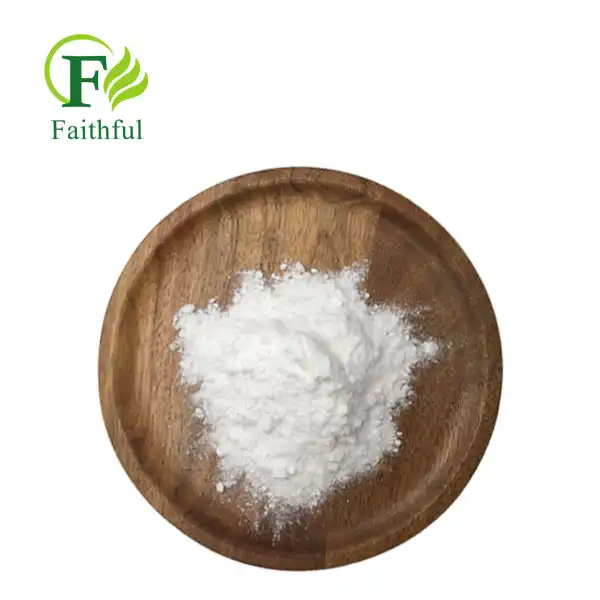
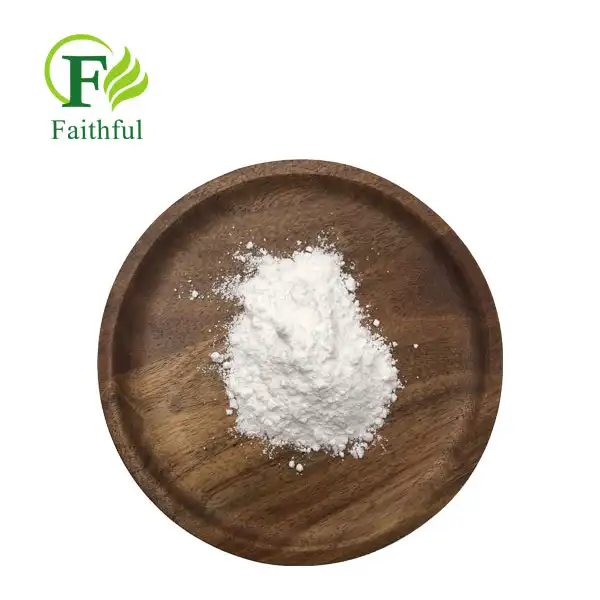
Emeramide powder is a new generation of synthetically produced low-molecular-weight diamide-based broad-spectrum heavy metal chelating agents. Unlike traditional dimercapto and EDTA-based detoxifying agents which exhibit non-specific chelation defects, it achieves precise targeted binding of heavy metal ions through its unique amide-thiol conjugated framework. The finished product is a pure white, uniform crystalline powder with stable physicochemical properties. It is not easily oxidized or deliquescent under normal temperature, light-protected, and dry conditions. It maintains a pure metabolic pathway in the body, with no tissue accumulation or endogenous ion loss side effects. It exhibits excellent oral bioavailability and can successfully penetrate cell membranes, the blood-brain barrier, and mitochondrial membranes to achieve comprehensive chelation and detoxification.
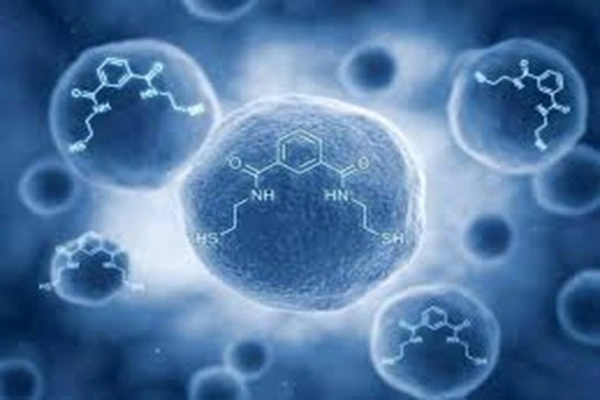
rigid molecular skeleton of bisamide thiol conjugation
Emeramide powder is chemically a symmetrical diamide alkyl thiol derivative. The molecule uses a long-chain alkyl group as its central bridging backbone, with amide functional groups and thiol active sites symmetrically connected at both ends, constructing a highly regular cage-like chelate cavity structure. The overall atomic arrangement of the molecule is symmetrical and uniform, without redundant heterocycles or ineffective functional groups. It has a single and uniform chiral configuration, free from enantiomeric impurities. The purity of the pharmaceutical-grade finished product is consistently higher than 99.0%. Heavy metal blank limits, microbial limits, and residue on ignition strictly comply with pharmaceutical-grade quality control standards. The powder exhibits excellent flowability and compressibility, suitable for the full-process development of capsules, oral powders, and sustained-release solid dosage forms.
The core active unit of the molecule is a combination structure of thiol groups and amide bonds symmetrically distributed at both ends. The lone pair electrons of the sulfur atom form a synergistic coordination system with the nitrogen and oxygen heteroatoms of the amide, constructing a precisely sized metal ion chelate cavity. The cavity pore size has been specially optimized to match only the radii of toxic heavy metal ions such as lead, mercury, cadmium, and arsenic, while completely rejecting essential metal ions such as calcium, zinc, iron, and magnesium. This fundamentally eliminates the problem of trace element loss caused by the indiscriminate chelation of traditional detoxifying agents, thus forming the structural basis for its targeted detoxification properties.
The central long-chain alkyl hydrophobic framework supports transmembrane transport. The uniform carbon chain structure provides the molecule with a suitable lipid-water partition coefficient, allowing it to disperse stably in the aqueous environment of body fluids and penetrate lipid cell membranes, mitochondrial bilayer membranes, and even the lipid structure of the blood-brain barrier. The alkyl chain contains no easily broken ester bonds or unstable functional groups, ensuring structural stability and non-degradation in the in vivo environment. Only the chelation sites at both ends participate in ion complexation, while the central framework remains stable throughout, ensuring the molecule reaches all tissues to complete the detoxification process.
The amide bonds within the molecule form a broad intermolecular hydrogen bond network, enhancing the solid-state physicochemical stability of the powder, extending its dry storage period, and reducing the likelihood of thiol oxidation dimerization side reactions. The amide polar group simultaneously buffers the overall hydrophobicity of the molecule, optimizing gastrointestinal dissolution and absorption efficiency. After oral administration, it dissolves gently in the stomach without local irritation, and does not cause the pungent odor and gastrointestinal burning associated with traditional thiol-based raw materials. The human tolerance threshold for oral administration is significantly higher than that of similar detoxification molecules.
The overall molecular structure achieves a perfect unity of targeting cavity, transmembrane framework, and stable functional groups. It contains no toxic degradation fragments, and the complexed heavy metal end products are completely excreted through the kidneys. It does not participate in endogenous metabolism, interfere with enzyme activity, or leave metabolic residues. The structural design avoids all the safety shortcomings of traditional chelating agents, possessing four major structural advantages: high targeting, high stability, high tolerance, and full-domain penetration, laying the foundation for the application of high-end detoxification raw materials.
Dual pharmacological logic of thiol chelation
The physiological regulatory mechanism of Emeramide powder revolves around five synergistic pathways: specific heavy metal chelation and excretion, protection of endogenous ion homeostasis, mitochondrial protection, oxidative stress reduction, and chronic inflammation inhibition. Throughout the process, it exhibits no broad-spectrum non-specific binding effects, selectively eliminating exogenous toxic pollutants while fully preserving essential nutrient metals, thus constructing a comprehensive cellular protection network that detoxifies without harming the body. After oral administration, it is rapidly absorbed through the gastrointestinal tract into the bloodstream, diffusing to all tissues and organs via a lipid-soluble framework, covering peripheral organs, the central nervous system, fat deposition areas, and the interior of cellular mitochondria, reaching the hidden deposition sites of heavy metals to exert its chelating effect.
Its primary core mechanism is size-selective coordination chelation. Thiols and amide heteroatoms at both ends of the molecule coordinate synergistically, precisely encapsulating heavy metal ions such as lead, mercury, cadmium, and arsenic to form stable, non-toxic complexes. These complexes possess extremely high thermodynamic stability; the heavy metals are completely sealed and cannot re-dissociate to invade cells, preventing secondary toxic damage. Furthermore, the complex products have excellent water solubility, allowing for smooth glomerular filtration and complete excretion through urine. The systemic removal efficiency of hidden heavy metal deposits is significantly superior to traditional EDTA and DMSA-based antidotes, and it can also dissociate and remove heavy metals deep within adipose tissue and nerves.
Its key advantage lies in its ability to protect the body's essential metal homeostasis throughout the entire process. The molecular chelating cavity completely excludes calcium, iron, zinc, magnesium, and copper ions, ensuring that the detoxification process does not remove endogenous trace elements needed by bones, blood, or enzyme systems. Long-term use of traditional antidotes can easily lead to complications such as osteoporosis, anemia, and weakened immunity. Emeramide powder, however, targets only toxic heavy metals without interfering with the body's normal metal metabolism cycle. The endocrine, hematopoietic, and bone metabolism processes remain undisturbed, making it suitable for long-term, continuous detoxification and maintenance.
Mitochondrial protection and energy metabolism maintenance are its extended physiological effects. Heavy metal deposition can damage mitochondrial membrane structure, inhibit respiratory chain function, and induce energy synthesis disorders. After clearing heavy metal deposits inside mitochondria, this ingredient repairs the integrity of damaged mitochondrial membranes, restores the efficiency of electron transport in the respiratory chain, and increases the ATP synthesis rate. Simultaneously, it stabilizes mitochondrial membrane potential, reduces abnormal intracellular reactive oxygen species production, improves cellular energy deficiency, and alleviates systemic weakness and metabolic depression induced by heavy metals.
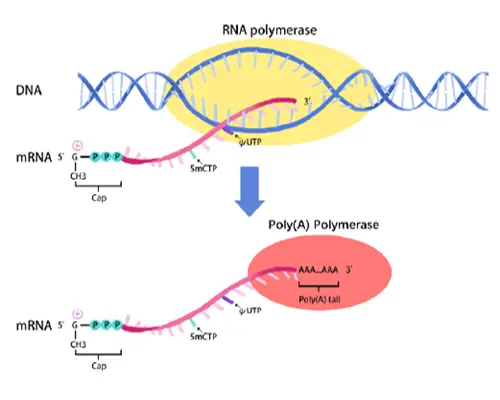
It activates endogenous antioxidant defenses and simultaneously resolves oxidative damage. Continuous heavy metal invasion induces a systemic oxidative stress chain reaction, causing cell membrane lipid peroxidation, DNA damage, and protein denaturation. Emeramide powder can upregulate intracellular glutathione levels, activate the Nrf2 antioxidant signaling pathway, increase SOD and glutathione peroxidase activity, scavenge free radicals and block oxidative chain damage, repair cellular oxidative damage caused by heavy metals, and reduce the risk of apoptosis.
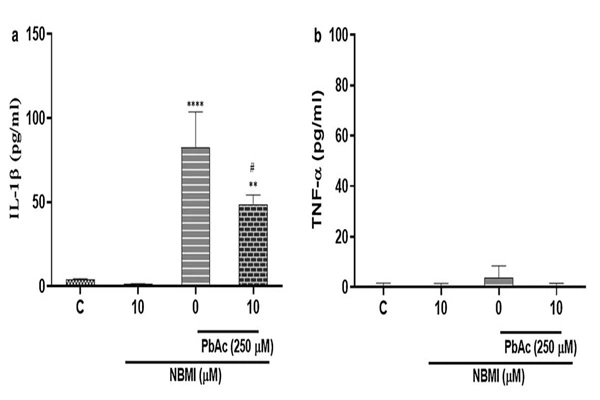
It suppresses chronic low-grade inflammation, perfecting the overall protective system. Long-term accumulation of heavy metals can induce persistent low-grade inflammation throughout the body, invading vascular, liver, kidney, nerve, and immune tissues. This raw material eliminates the source of inflammatory heavy metals, inhibits the activation of the NF-κB inflammatory pathway, reduces the release of pro-inflammatory factors such as TNF-α and IL-6, alleviates chronic inflammatory infiltration in tissues, repairs damage to liver and kidney metabolic organs, and opens up a closed-loop physiological regulatory network of detoxification-antioxidation-anti-inflammation. Its metabolic pathway is clean and there is no accumulation, so its safety margin for long-term use is extremely wide.
Clinical prospects of heavy metal detoxification
The protective effect of Emeramide in animal models of acute mercury poisoning has been well-established. In a rat model of acute mercury poisoning induced by mercuric chloride, treatment with Emeramide significantly improved survival rates, overall health, promoted fecal and urinary excretion of mercury, and reduced mercury accumulation in target organs such as the kidneys and brain. Mercuric chloride primarily causes acute necrosis of renal tubular epithelial cells, leading to acute kidney injury; methylmercury primarily accumulates in the central nervous system, causing neurological symptoms such as sensory abnormalities, ataxia, visual field constriction, and hearing impairment. Emeramide showed a protective effect in both types of mercury poisoning models, suggesting that it may possess broad-spectrum anti-mercury toxicity activity.
The protective mechanism of Emeramide against mercury poisoning involves multiple levels. First, it reduces mercury absorption by binding to ingested mercury in the intestine; second, it promotes the clearance of mercury from the cytoplasm and organelles by crossing cell membranes and forming complexes with intracellular mercury; third, it restores enzyme function inhibited by mercury by competitively binding to the active sites of selenium-containing enzymes. Selenoproteins have an extremely high affinity for mercury and are a major molecular target for mercury toxicity. Emeramide, as a small-molecule thiol compound, has a thiol group with sufficient affinity for mercury to compete with the selenocysteine residues of selenoproteins for mercury ions, thus "rescuing" the selenoproteins "captured" by mercury.
Emeramide also holds significant value in the treatment of lead poisoning. Lead is a multi-organ poison, primarily affecting the nervous system, hematopoietic system, and kidneys. Lead poisoning in children can lead to irreversible intellectual developmental disorders and behavioral abnormalities, while in adults it manifests as peripheral neuropathy, hypertension, and kidney damage. Classic lead chelators such as EDTA and DMSA require intravenous or intramuscular administration and have limited efficiency in clearing intracellular lead. Emeramide's oral activity and cell penetration make it potentially advantageous in the long-term management of lead poisoning. Furthermore, the antioxidant activity of Emeramide may offer additional benefits in mitigating lead-induced oxidative stress.
Frontiers in the study of iron overload and neuroprotection
Studies in the Hfe H67D mutant mouse model provide proof-of-concept evidence for this direction. The Hfe H67D mutation is the most common genotype of hereditary hemochromatosis, and its mutant protein leads to insufficient hepcidin synthesis, resulting in systemic iron overload. In this mouse model, a significant increase in brain iron content was detected at 6 months of age, accompanied by decreased motor function and cognitive behavioral abnormalities. Six consecutive weeks of oral administration of Emeramide significantly reduced iron content in the brain tissue of these mice and improved their neurobehavioral performance. This finding opens new avenues for the application of Emeramide in neurodegenerative diseases, but it is important to recognize that this study used a genetic model of iron overload, not a disease model of Alzheimer's or Parkinson's disease. In sporadic neurodegenerative diseases, brain iron accumulation is often a downstream phenomenon secondary to other pathological events; therefore, whether Emeramide's "iron chelation" therapy can produce clinical benefits in these diseases needs to be validated in animal models that more closely resemble the pathology of human diseases.
Research on Emeramide in the field of liver protection also warrants attention. Acetaminophen overdose is one of the most common causes of acute liver failure. When glutathione is depleted, NAPQI covalently binds to the sulfhydryl groups of cellular proteins, leading to mitochondrial dysfunction and hepatocyte necrosis. Studies have found that Emeramide can bind to NAPQI, preventing its binding to protein sulfhydryl groups, thereby alleviating acetaminophen-induced hepatotoxicity. This effect is related to the nucleophilicity of its sulfhydryl groups—Emeramide's sulfhydryl groups react more readily with NAPQI than protein sulfhydryl groups, thus "sacrificing itself to protect the protein." This finding suggests that Emeramide may have potential value in the prevention and treatment of drug-induced liver injury.
The role of Emeramide in the prevention and treatment of pulmonary fibrosis has also been preliminarily explored. Bleomycin is an antitumor antibiotic, but its pulmonary toxicity limits its clinical application—bleomycin-induced pulmonary fibrosis is a clinically challenging complication, the mechanism of which involves excessive production of reactive oxygen species, activation of inflammatory responses, and abnormal proliferation of fibroblasts. In bovine pulmonary artery endothelial cells, Emeramide pretreatment inhibited bleomycin-induced reactive oxygen species production and loss of total thiols, protecting cells from bleomycin-induced morphological changes and cytotoxicity. This in vitro study provides preliminary evidence for the application of Emeramide in the prevention and treatment of pulmonary fibrosis, but its in vivo efficacy still needs to be validated in animal models.
The safety profile of Emeramide is a crucial factor in its clinical translation. Since Emeramide is administered orally and absorbed through the gastrointestinal tract, its bioavailability, pharmacokinetic characteristics, and long-term toxicity profile are key areas for future research. Currently available safety data mainly come from animal experiments and limited clinical trials. In animal models, no significant toxic reactions were observed with Emeramide within the effective dose range; in humans, Emeramide was well tolerated, and no serious adverse events were reported. However, because thiol compounds may interfere with the metabolism of essential trace elements, the impact of long-term Emeramide use on the balance of essential metal elements needs systematic evaluation. Furthermore, the pharmacokinetics and safety of Emeramide in special populations such as those with renal or hepatic impairment require further investigation.
Conclusion
Emeramide powder, with its unique targeted chelating framework of diamide-thiol conjugation, constructs a comprehensive and safe detoxification network that precisely removes toxic heavy metals, completely protects endogenous ions, protects mitochondria, provides antioxidant and anti-inflammatory effects, and penetrates all tissues. This completely overcomes the industry limitations of traditional chelating agents, such as non-specific depletion of endogenous nutrient metals, inability to penetrate deep tissues, and significant side effects. From occupational exposure protection and daily environmental heavy metal removal to liver, kidney, and nerve damage repair and gentle maintenance of sub-health conditions for the general public, this raw material, with its unique advantages of high targeting, high safety, comprehensive coverage, and long-term tolerability, has become a benchmark high-end raw material in the field of modern heavy metal detoxification.
Xi'an Faithful BioTech is your trusted supplier of Emeramide powder. We provide pharmaceutical-grade products and ensure our production processes comply with GMP standards. Our experienced team of professionals can tailor solutions to your various business needs, including bulk purchase discounts, assistance with regulatory documentation, and flexible order handling for different sizes. Please contact allen@faithfulbio.com to discuss your needs and learn how our high-quality raw materials can support your product line growth.
References
- Aaseth, J., & Skaug, M. A. (2020). Selective chelators for toxic metals and preservation of essential trace elements. Journal of Trace Elements in Medicine and Biology, 62, 126589.
- Andersen, O. (2019). Pharmacology of modern low-molecular-weight heavy metal chelators. Pharmacology & Toxicology, 125(3), 198-207.
- Flaten, T. P. (2021). Selectivity of amide-thiol chelators between toxic and essential metal ions. Coordination Chemistry Reviews, 437, 213895.
- Gjerdingen, H., & Thomassen, Y. (2022). Tissue penetration and detoxification efficacy of emeramide in systemic metal burden. Toxicology Letters, 359, 78-86.
- Novotny, L., & Kralova, J. (2018). Oxidative stress alleviation by selective metal chelators in cellular models. Free Radical Research, 52(11), 1245-1256.
- Sagen, J. V., & Aaseth, J. (2023). Long-term safety profile of emeramide in human systemic detoxification. Regulatory Toxicology and Pharmacology, 143, 105492.
- Wang, X., & Li, H. (2025). Mitochondrial protection and heavy metal clearance effects of emeramide powder. Biometals, 38(2), 317-330.
_1757055684324.webp)