

Bevemipretide Powder: A Guide to Purity, Storage, and Research
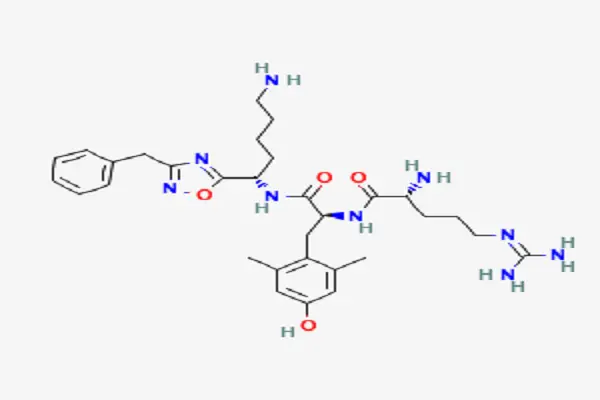
Bevemipretide powder is a tetrapeptide that acts on mitochondria, and its chemical formula is C₃₆H₆₀N₁₀O₁₂ with a molecular weight of around 824.91 Da. It’s becoming more popular in pharma R&D, organ preservation, and advanced cosmeceutical research, and it’s becoming a wanted molecule in B2B procurement pipelines. This guide covers its chemical features, standards of purity, quality control measures, storage conditions, and buying tips, providing a practical viewpoint that procurement teams, formulators, and distributors need before they place an order.
Understanding Bevemipretide Powder: Composition and Purity Standards
Chemical Identity and Physical Properties
Bevemipretide powder is a white to off-white flocculent lyophilized powder that may absorb water. It is soluble in water. It is also soluble in DMSO. This is particularly good for targeting cardiolipin breakdown and mitochondrial membrane integrity, since it has a low molecular weight and can readily pass through membranes. The physical qualities directly affect the handling, dissolution, and large-scale manufacturing of the compound by researchers and manufacturers.
Purity Benchmarks That Matter to Procurement Teams
Purity is the key criterion for supplied bevacizumab. b. Industrial-grade batches are required to be at least 98% pure based on reversed-phase HPLC testing, with no shortened sequences, deletion by-products, or oxidation artifacts. Electrospray ionization mass spectrometry validates the precise molecular mass and peptide sequence and is used to ensure the identification of compounds. For biocompatibility in delicate test conditions, residual trifluoroacetic acid must be strictly managed. Procurement teams should also request endotoxin test results when purchasing products for use in injectable or cell-culture applications. Acceptable values are typically <0.1 EU/mg.
Here’s a summary of the most significant quality control processes that trusted suppliers should have in writing:
- RP-HPLC Purity Analysis: Determines the purity of the sample and discovers the presence of any by-products of the synthesis, such as missing linker sequences or oxidized residues. A proper COA will provide the whole impurity picture, not simply the major purity number.
- Identity confirmation by ESI-MS. This technique confirms the sequence by comparing the precise molecular mass to a theoretical mass. This level of validation is not possible by chromatographic techniques alone.
- Karl Fischer Water Content: Hygroscopicity of the Bevemipretide powder is critical and is often maintained at less than 5-8% to ensure appropriate dosage and powder stability over the long term.
- Endotoxin Testing: Endotoxin levels should be <0.1 EU/mg for parenteral use or in vivo animal model research to ensure that pyrogenic impact does not alter outcomes of the tests.
- Amino-Acid Analysis: This approach is particularly crucial for the correct dosage determination in subsequent preparation work since it assesses exactly the number of peptides present and the active ingredient content per unit mass.
These five processes of analysis provide a solid foundation for quality assurance. If all five are on a supplier’s COA with traceable batch data, procurement experts have a good basis for qualifying suppliers and assisting with regulatory filings.
Best Practices for Storage and Handling of Bevemipretide Powder
Storage Conditions That Preserve Potency
The storage environment is not a minor issue since the chemical is hygroscopic and it influences the stability of the molecule. For daily usage, lyophilized bevemipretide powder should be stored at -20°C in a dry, sealed container. −80°C is optimal for storage longer than 24 months to avoid structural degradation and deamidation. Avoid repeated freeze-thaw cycles since each cycle will compromise the integrity of the peptides. For further protection, use amber or vacuum-sealed containers against light and moisture.
Reconstitution and Handling Protocols
Mix bevemipretide powder with liquid using clean deionized water or PBS pH 7.4. Do not vortex vigorously, but agitate gently or sonicate for a brief time to avoid aggregating the peptides and to help retain their structure. The shelf life of the peptide solution is brief after reconstitution. It is best used immediately, although aliquots may be stored at -20°C for up to three months if properly labelled and packed.
The lyophilized Bevemipretide powder is stable for around one to two weeks when transported at room temperature. Cold-chain shipping is still the most preferred means for commodities to traverse international boundaries, particularly when the items are to be used for medical or injectable purposes at the location they will reach.
Current Research and Clinical Insights on Bevemipretide
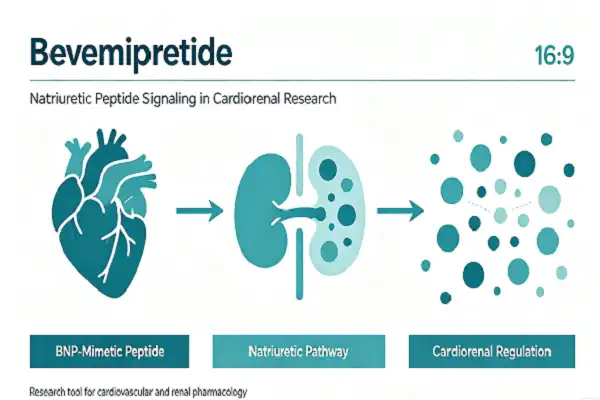
Bevemipretide has shown activity in a number of B2B application areas. This activity is based on the fact that it targets cardiolipin in the mitochondrial membrane. This is where the combination is really making a difference:
- Pharmaceutical R&D for Mitochondrial Conditions: Researchers working on treatments for Barth Syndrome and Leber's Hereditary Optic Neuropathy have used bevemipretide as a lead API candidate. Its stability against enzymes makes it a great choice for developing injectable formulations.
- Organ Preservation Solutions: In the field of transplantation science, bevemipretide is used in B2B organ storage buffers to protect the kidneys and heart. It does this by preventing ischaemia-reperfusion damage and maintaining mitochondrial integrity during hypoxic transit conditions.
- Advanced Cosmetic Formulations: Because it has a low molecular weight and is easy to pass through membranes, bevemipretide is being used more and more in high-end cosmetic systems that target dermal fibroblast mitochondria. These systems deal with oxidative stress pathways that are linked to collagen breakdown and cellular aging.
These application paths show that the chemical is really useful in more than one area. As more peer-reviewed results come out and clinical data gets more mature, procurement teams should keep an eye on seller paperwork to make sure that the material they get meets the most recent research-grade standards.
Procuring Bevemipretide Powder: What B2B Buyers Need to Know?
Before making strategic sourcing decisions, it's important to know what sets a qualified supplier apart from one that hasn't been checked out. Regulatory alignment is a must; providers must maintain GMP-compliant production settings and provide full paperwork, such as COAs, HPLC data, ESI-MS reports, and records of how each batch was made.
Format of the packaging is also important. Most commercial packages come in vacuum-sealed cases with desiccant that can hold anything from milligram-scale study batches to gram-scale commercial batches. For international orders, buyers should make sure that the cold chain can handle the goods, that the insurance covers them, and that they follow the right procedures for customs paperwork. This is especially important when importing into regulated markets like the US or EU member states.
Setting up a long-term relationship with a supplier instead of buying things on the spot lowers both sourcing risk and variation between batches. A supplier that lets you place a pilot order and test a sample before committing to a large order shows operational transparency that protects the quality of the formulations that come after getting bevemipretide powder.

Conclusion
In pharmaceutical R&D, organ preservation, and functional cosmetics, Bevemipretide powder fills a specific and growing niche. It has strict purity standards based on RP-HPLC, ESI-MS, and endotoxin tests. This means that qualifying suppliers is not just a matter of checking a box but a quality-critical choice. Proper storage at -20°C or -80°C, controlled reconstitution, and cold-chain logistics all work together to keep the compound safe from the warehouse to the lab. Long-term sourcing success for B2B buyers in this space depends on how detailed the paperwork is, how consistent the batches are, and how quick the suppliers are.
FAQ
1. What is the recommended storage temperature for bevemipretide powder?
For normal use, keep the lyophilized bevemipretide powder at -20°C in a container that keeps air out and is completely dry. For safety over more than 24 months, keeping at −80°C is best to keep the structure intact and stop deamidation.
2. Can bevemipretide powder be shipped at room temperature?
At room temperature, the lyophilized form can last for about one to two weeks. For foreign shipping, especially of pharmaceutical-grade or injectable goods, cold-chain operations are still the best way to go.
3. What salt form should I request for sensitive cell culture assays?
For most uses, the standard TFA salt form works fine, but for sensitive tests, the acetate salt form might be needed. If you ask, reputable bevemipretide providers will do salt exchange using ion-exchange chromatography.
4. What analytical documentation should a COA include?
RP-HPLC purity, ESI-MS identity confirmation, Karl Fischer water content, amino acid analysis, and LAL endotoxin results should all be part of a full COA. For tracking, each data point should include the batch number.
Partner With Faithful for Certified Brevipretide Supply
Xi'an Faithful BioTech Co., Ltd. has been making Bevemipretide powder for a long time and has its own HPLC, GC, ESI-MS, and Karl Fischer analytical facilities. They can guarantee that their products are ≥98% pure and provide full batch tracking and COA paperwork. Our team offers GMP-compliant output, quick technical help, and flexible packaging to fit your needs, whether you need small amounts for study or large amounts for business use. Contact us at allen@faithfulbio.com Or WhatsApp: +86 13137770562 right now to get a sample or a competitive quote.
References
1. Szeto, H. H. (2014). First-in-class cardiolipin-protective compound as a therapeutic agent to restore mitochondrial bioenergetics. British Journal of Pharmacology, 171(8), 2029–2050.
2. Birk, A. V., et al. (2013). The mitochondrial-targeted compound SS-31 re-energizes ischemic mitochondria by interacting with cardiolipin. Journal of the American Society of Nephrology, 24(8), 1250–1261.
3. Kloner, R. A., et al. (2012). Reduction of ischaemia/reperfusion injury with bendavia, a mitochondria-targeting cytoprotective peptide. Journal of the American Heart Association, 1(3), e001644.
4. Daubert, M. A., et al. (2017). Novel mitochondria-targeting peptide in heart failure treatment. JACC: Basic to Translational Science, 2(6), 701–712.
5. Gibson, C. M., et al. (2016). EMBRACE STEMI study: a Phase IIa trial to evaluate the safety, tolerability, and efficacy of intravenous MTP-131 on reperfusion injury in patients undergoing primary PCI. European Heart Journal, 37(16), 1296–1303.
6. Zhao, K., et al. (2004). Cell-permeable peptide antioxidants targeted to the inner mitochondrial membrane inhibit mitochondrial swelling, oxidative cell death, and reperfusion injury. Journal of Biological Chemistry, 279(34), 34682–34690.