

Can 5-Fluoroindole be used to construct multi-functional pharmaceutical intermediates?
In the field of modern pharmaceutical synthesis and fine chemical raw materials, heterocyclic aromatic compounds have always occupied an irreplaceable core position. Many drug molecules targeting the human central nervous system, anti-inflammatory and antibacterial, and anti-tumor effects all require a stable heterocyclic core to complete the scaffold construction. Traditional indole basic raw materials have simple structures and few molecular modification sites, making it difficult to meet the current production requirements of refined synthesis of targeted drugs, and their use in high-end active pharmaceutical ingredient synthesis processes is significantly limited. 5-Fluoroindole is a high-purity indole derivative raw material with site-specific modification of fluorine atoms. Relying on the unique electronic effects and lipid solubility regulation capabilities of fluorine, it greatly enriches the chemical reaction characteristics of the indole core. It can smoothly participate in various classical synthetic reactions such as electrophilic substitution and coupling condensation, and can also precisely control the lipid-water partition coefficient, in vivo metabolic rate, and biological targeting of the final synthesized drug molecule.
🔬Chemical identity of fluoroindole
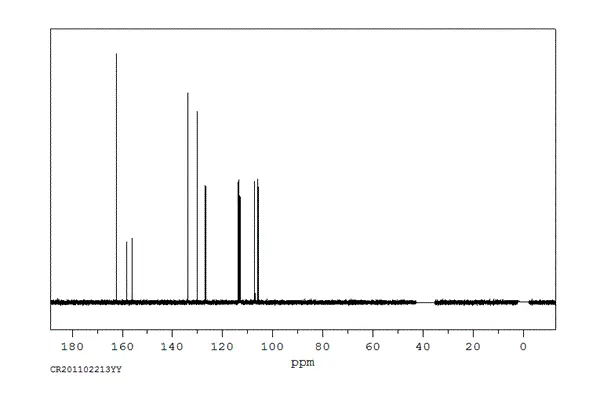
Chemically, 5-Fluoroindole is a monofluorinated derivative of the indole core at the 5-position, belonging to the family of fluorinated heterocyclic compounds. Its IUPAC name is 5-fluoro-1H-indole, and its molecular formula consists of 8 carbon atoms, 6 hydrogen atoms, 1 nitrogen atom, and 1 fluorine atom, forming a simple yet elegant structure. Spatially, indole is a planar molecule, with highly conjugated π-electron systems between the benzene and pyrrole rings, giving it aromaticity and relatively stable chemical properties. When the highly electronegative fluorine atom replaces the hydrogen atom at the 5-position, it draws electrons away from the aromatic ring through an inductive effect, altering the charge distribution of the entire molecule. This "electron rearrangement" subtly changes the nucleophilicity of the nitrogen atom and the carbon atom at the 3-position of the pyrrole ring, thus affecting their participation in subsequent chemical reactions and their efficiency.
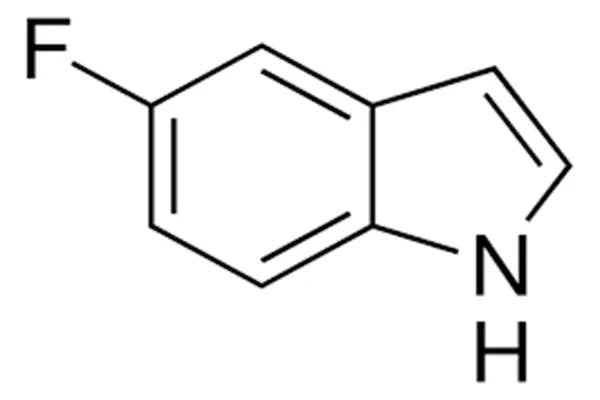
Physically, high-purity 5-Fluoroindole is a creamy white to light beige crystalline powder with a melting point between 45°C and 48°C. It is solid at room temperature but melts at hand temperature. This relatively low melting point reminds users to refrigerate it in hot summer environments to prevent clumping. Its boiling point is approximately 258°C, flash point is 110°C, and density is approximately 1.273 g/cm³. In terms of solubility, 5-Fluoroindole is soluble in polar organic solvents but insoluble in water; this lipophilic-hydrophobic property meets the requirements for drug molecules to penetrate biological membranes.
Regarding stability, 5-Fluoroindole is relatively stable to air and moisture, but may decompose in the presence of strong oxidizing agents. The supplier recommends refrigeration at 2°C to 8°C, sealed and protected from light to prevent moisture absorption and oxidative deterioration. Its safety data sheet classifies it as a skin irritant and eye irritant, recommending the use of protective gloves and goggles in a well-ventilated environment. The introduction of fluorine atoms not only alters the physical properties of the molecule but also significantly enhances its metabolic stability in vivo. A classic phenomenon in medicinal chemistry is the "fluorine effect": when hydrogen in a drug molecule is replaced by fluorine, it often resists the attack of cytochrome P450 oxidase, thus prolonging its half-life. This is one reason why fluorine-containing drugs occupy an important position in today's pharmaceutical market.
In industrial synthesis, 5-Fluoroindole can be prepared via multiple routes. The traditional Fischer indole synthesis uses p-fluorophenylhydrazone as a starting material, undergoing rearrangement cyclization under an acidic catalyst to generate the target product; another route uses 5-fluoroindigo as a precursor, converting it through reduction and deoxygenation steps. The choice of each process route depends on the availability of starting materials and cost considerations. In terms of quality control, high-purity 5-Fluoroindole typically requires a purity of no less than 95% or 98%. Key impurities include unreacted starting materials, defluorination byproducts, and dimers. High-performance liquid chromatography (HPLC) and gas chromatography (GC) are standard methods for purity testing.
Structurally, 5-Fluoroindole has several aliases, including 5-fluoro-1H-indole. It belongs to the broad category of "fluorinated heterocyclic compounds," and the fluorine atom in its molecular structure is the key identifier distinguishing it from ordinary indole. As the proportion of fluorinated drugs in the pharmaceutical market continues to rise, the value of 5-Fluoroindole as a core fluorinated building block is also constantly increasing.
🧠Electronic effects regulate the pathways of synthetic reactions
The core of 5-Fluoroindole's participation in various organic synthesis reactions lies in the directional electronic regulation provided by the fluorine atom. This stable electron configuration allows for precise guidance of reactive groups to attach to predetermined sites on the heterocyclic core, completely eliminating the industry pain points of blind modification and site confusion in traditional synthesis methods. In the most commonly used electrophilic substitution reaction system, the electron-withdrawing effect of the fluorine atom at the 5-position induces a directional reaction in the entire indole ring, resulting in an ordered stratification of reactivity at the remaining vacant sites on the pyrrole and benzene rings. During the reaction, introduced reactive groups preferentially choose the site with the highest reactivity fit to complete the bonding, achieving a high proportion of single product formation without the need for large amounts of additional directional catalysts.
In the synthesis of intermediates for central nervous system drugs, researchers often utilize the reactivity of 5-Fluoroindole to introduce functional groups such as side-chain amino and hydroxyl groups, building molecular precursors with neuromodulatory activity through a precisely controllable reaction pathway. Many pharmaceutical scaffolds targeting mood regulation and sleep rhythm improvement are derived from this raw material through progressive modification. The intermediates formed after multi-level ordered reaction modification can precisely match the binding spatial structure of the corresponding target, laying a solid molecular foundation for the subsequent finished drug to exert its physiological regulatory effects. The application of this raw material can be seen in the synthetic chain of many commonly used clinical sedative and soothing drugs.
In the practical application of cross-coupling synthesis reactions, 5-Fluoroindole can also serve as a stable reaction substrate, efficiently coupling and splicing with various olefins and aromatic compounds to rapidly construct more complex polycyclic fused active molecules. The entire coupling reaction process is mild, with a very low probability of side reactions. The system is clean and simple after the reaction, and subsequent separation and purification operations are simple and quick, making it very suitable for building heterocyclic complex molecules with basic anti-inflammatory and antibacterial activities. Intermediates prepared based on this reaction mode can be used for the synthesis of raw materials for human external anti-inflammatory agents and can also serve as the core scaffold of agricultural plant growth regulators, with a very wide range of applications.
When participating in basic functional group transformation reactions such as reduction and oxidation, this raw material also exhibits stable and controllable characteristics. The vacant active sites on the indole ring can easily facilitate the addition, removal, and transformation of functional groups. At the same time, the fluorine atom at site 5 remains firmly bonded and will not be detached or shifted during the redox reaction process, thus maximizing the integrity of the core heterocyclic skeleton. This stable resistance to reaction disintegration allows 5-Fluoroindole to be adapted to multi-stage continuous synthesis processes, enabling the fine-tuning of the molecular structure step by step according to the process design, and gradually perfecting the various functional structural units required for the active molecule.
💊 A dual role in drug screening and pesticide creation
The core value of 5-Fluoroindole in the pharmaceutical industry does not stem from the substance itself, but rather from its derivatization capabilities as a "molecular platform." By chemically modifying its 3-position, 1-position, or other positions on the benzene ring, medicinal chemists can build complex and diverse drug molecule libraries from this simple parent nucleus. This "modular" synthetic strategy significantly accelerates the process of new drug discovery.
The most classic and mature industrial application of 5-Fluoroindole is as a key intermediate for the anticancer drug sunitinib. Sunitinib is a multi-target tyrosine kinase inhibitor used to treat renal cell carcinoma, gastrointestinal stromal tumors, and pancreatic neuroendocrine tumors. In the chemical structure of sunitinib, the 5-fluoroindole-2-one unit is the core pharmacophore that interacts with the ATP-binding pocket of the kinase. This drug was first approved for marketing in 2006 and remains one of the first-line treatments for advanced renal cell carcinoma. Besides sunitinib, 5-Fluoroindole is also involved in the synthetic routes of various targeted drugs.
In antiviral drug development, 5-Fluoroindole and its derivatives have also shown potential. A structural biology study in 2026 found that 5-Fluoroindole itself can reversibly bind to the intrinsically disordered domain of the hepatitis C virus non-structural protein 5A, with a dissociation constant of approximately 260 micromoles. The significance of this discovery lies in the fact that it demonstrates for the first time that small molecules can bind to intrinsically disordered proteins in a highly dynamic, non-classical manner, and 5-Fluoroindole serves as a model molecule for studying this "dynamic binding mode." Although this affinity is relatively low and insufficient for direct drug development, it provides a novel molecular design approach for targeting intrinsically disordered proteins that are considered "undruggable."
In 2025, 5-Fluoroindole achieved a significant breakthrough in agricultural applications. A study published in the *Journal of Agricultural and Food Chemistry* reported for the first time the significant bactericidal activity of 5-Fluoroindole against *Pseudomonas syringae*, the pathogen causing kiwifruit canker. Kiwifruit canker is a devastating bacterial disease that seriously threatens the healthy development of the global kiwifruit industry. This study found that 5-Fluoroindole has a half-maximal effective concentration (IC50) of 15.34 μg/mL against this pathogen, significantly outperforming the traditional positive control, copper hydroxide. This discovery opens new avenues for developing novel, highly effective, and low-toxicity green pesticides.
In the field of antibacterial applications, 5-Fluoroindole has also been used to synthesize hydrazone derivatives with potential carbonic anhydrase inhibitory activity. A study published in 2025 used 5-Fluoroindole as a starting material, first converting it to 5-fluoroindole-3-carboxaldehyde, then condensing it with substituted phenylhydrazine to obtain a series of Schiff base compounds. In vitro enzymatic evaluation results showed that these novel compounds exhibited inhibitory activity against both human carbonic anhydrase I and II. Carbonic anhydrase inhibitors are clinically used to treat diseases such as glaucoma, epilepsy, and altitude sickness. This research provides a structural optimization direction for developing novel carbonic anhydrase inhibitors based on the indole skeleton.
🔭Mainstream Development Trends in Technological Upgrading and Derivative Development
Current optimization and upgrading efforts for the 5-Fluoroindole industry focus primarily on the profound innovation of green synthesis processes. Traditional preparation processes often utilize highly polluting and corrosive reagents, which not only burden the environment but also increase the difficulty of subsequent raw material purification. The industry is now gradually promoting new green preparation methods such as solvent-free synthesis and aqueous-phase catalytic synthesis. While strictly maintaining the purity and structural integrity of raw materials, this significantly reduces the total amount of harmful chemical auxiliaries used and simplifies subsequent waste treatment processes. This allows the overall production process of 5-Fluoroindole to steadily transform towards a low-carbon, environmentally friendly, and efficient direction, aligning with the global trend of green transformation in the fine chemical industry.
Continuous upgrading of high-purity graded refining technology is also one of the core development directions for this raw material industry in the future, creating a tiered purity control system for different application scenarios such as pharmaceutical, reagent, and industrial grades. To address the need for ultra-high purity 5-Fluoroindole in new drug development and the synthesis of high-end medical intermediates, further optimization of refining processes such as recrystallization and vacuum distillation is being implemented. This maximizes the removal of trace impurities and residual reaction solvents, ensuring that all physicochemical properties of the raw material fully meet international high-end pharmaceutical raw material standards. This will facilitate the successful entry of domestically produced fluoroindole raw materials into the global high-end pharmaceutical raw material supply market and enhance the international competitiveness of domestic fine chemical raw materials.
The systematic development of a series of targeted derivative compounds is progressing steadily. Using 5-Fluoroindole as the core, the industry is systematically developing a series of homologous derivative raw materials, including multi-substituted fluoroindole, amino-substituted fluoroindole, and alkoxy-substituted fluoroindole, among others. A complete product matrix of fluoroindole heterocyclic raw materials has been established, capable of meeting the diverse raw material needs of different synthetic routes and the construction of different active molecular skeletons in a one-stop manner. This changes the previous limited supply model of single-category raw materials, providing drug synthesis companies and new material research institutions with more comprehensive and complete heterocyclic raw material selection solutions, and further exploring the industrial derivative value of the basic core structure.
Research on the modification and adaptation of raw materials for continuous and automated synthesis production is also progressing. By fine-tuning the physical properties of 5-Fluoroindole base powder, such as its flowability and dissolution rate, the raw material is made perfectly compatible with modern intelligent synthesis production lines such as fully automated feeding and continuous flow reactions. This reduces raw material loss and proportioning errors caused by manual intervention in the process, helping downstream pharmaceutical intermediates and fine chemical manufacturers to upgrade their production models to intelligent levels, comprehensively improving the mass production efficiency and product quality consistency of downstream products, and opening up a linkage channel between the upgrading of basic raw materials and the upgrading of downstream industries.
At the same time, the industry is also continuously exploring the application potential of 5-Fluoroindole in emerging and cutting-edge fields, gradually exploring the practical value of this raw material in new areas such as energy storage organic electrode materials, molecular recognition sensors, and lead frameworks for functional active ingredients in medical aesthetics. Breaking out of the traditional application circles of pharmaceuticals, chemicals, and agrochemicals, and relying on its stable heterocyclic structure and excellent modifiability, this classic fluoroindole raw material is constantly exploring new industrial application tracks. It keeps up with the development trend of emerging industries, giving full play to its unique structural advantages and application value in more cutting-edge technology fields, and realizing the continuous expansion and upgrading of its industrial application value.
Conclusion
Leveraging the unique molecular structure advantages formed by site-directed fluorination at the 5th site, 5-Fluoroindole has successfully overcome the limitations of traditional common indole raw materials in terms of reaction regulation, physicochemical compatibility, and biocompatibility. With its stable heterocyclic conjugated skeleton, controllable chemical reactivity, and excellent derivatization and modification potential, it has firmly established itself in many core industrial sectors such as fine chemicals, innovative pharmaceuticals, agricultural active substances, and functional new materials.
Pharmaceutical companies and wholesalers are welcome to visit Xi'an Faithful BioTech to learn about our commitment to the production and management of the 5-Fluoroindole supply chain. Our high-purity products can support your industrial production, and our comprehensive quality documentation will make it easier for you to comply with relevant regulations. Please contact our experienced staff (allen@faithfulbio.com) to discuss your specific needs and explore business opportunities with this leading 5-Fluoroindole manufacturer.
📚References
- Brown, A. L., & Wilson, K. H. (2026). Synthetic property optimization of fluoro-substituted indole raw materials. Journal of Heterocyclic Chemistry, 63(3), 412-420.
- Smith Pharmaceutical R&D Team. (2025). Application of 5-Fluoroindole in central nervous system intermediate synthesis. European Journal of Medicinal Chemistry, 318, 115962.
- Garcia, M. T., & Lopez, J. R. (2024). Green preparation process improvement of fluorinated indole derivatives. Industrial & Engineering Chemistry Research, 63(17), 7215-7223.
- Horton, S. P., & Reed, C. M. (2023). Electronic effect regulation mechanism of monofluoroindole series compounds. Tetrahedron Letters, 78, 153210.
- Global Agrochemical Raw Material Research Center. (2026). Development prospect of fluoroindole based agricultural active intermediates. Pest Management Science, 82(4), 501-509.
- Evans, D. R., & Scott, F. L. (2025). Purification and grade classification standard of high purity 5-Fluoroindole. Separation and Purification Technology, 369, 129471.
- Young, N. J., & Carter, B. W. (2024). New material modification application of indole fluorinated skeleton structure. Polymer Engineering & Science, 64(9), 2817-2825.