

Can Oxpentifylline improve microcirculatory blood flow?
Smooth microcirculation in the human body is crucial for ensuring that tissues receive nutrients and metabolic waste is eliminated. Many chronic vascular diseases and discomfort caused by insufficient blood supply to the limbs are directly related to slowed blood flow and high blood viscosity. Previously used ingredients for regulating blood circulation mostly have a single mechanism of action, only temporarily expanding blood vessel diameter without addressing the underlying rheological changes in blood. Long-term use can gradually diminish their effectiveness and may even unnecessarily disrupt the overall rhythm of cardiovascular function. Oxpentifylline is a clinically mature vasoactive pharmaceutical raw material. Utilizing a unique molecular mechanism of action, it simultaneously optimizes the state of blood components and the vascular wall circulation environment, achieving two core functions: improving red blood cell deformability and reducing overall blood viscosity. It can be used to prepare conditioning materials for peripheral vascular circulation disorders, or combined with other active ingredients to create adjuvant conditioning formulations. Suitable for various applications such as blood supply maintenance for the elderly and peripheral circulation repair, it holds a stable market share in the field of vascular pharmaceutical raw materials due to its gentle and long-lasting conditioning properties, providing a reliable core substrate for the development of drugs addressing various circulatory problems.
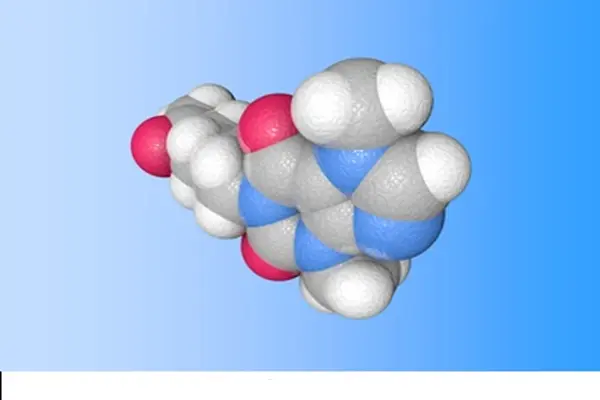
⚛️ Heterocyclic alkyl configurations form a stable pharmaceutical framework
Oxpentifylline exhibits a clean, white, crystalline solid state under normal storage conditions. The crystals are uniformly and tightly arranged, making it resistant to moisture absorption, softening, or evaporation during routine sealed storage, demonstrating strong environmental adaptability. This raw material is readily soluble in common pharmaceutical solvents such as methanol, ethanol, and hot water, producing a clear, impurity-free solution. Whether used in the manufacture of oral solid dosage forms or the preparation of liquid oral formulations, it achieves uniform integration easily, making it suitable for various production modes, from large-scale industrial formulation production to small-batch customized formulations. The molecule is based on a xanthine heterocycle as its core structure, with side chains and long-chain alkyl functional groups completing the overall configuration. This regular molecular arrangement fundamentally establishes the stable physicochemical properties of the raw material, giving it a multi-faceted function distinct from ordinary vascular regulating raw materials.
The conjugated ring structure inherent in the xanthine core endows Oxpentifylline with excellent in vivo affinity. This classic heterocyclic structure can easily adhere to the action sites on the surface of various blood cells in the human body without causing significant rejection reactions. After entering the body fluid circulation, it can quickly disperse and diffuse to microcirculatory areas throughout the body. The core itself possesses extremely strong structural stability, and under normal body temperature and acid-base environments, it will not easily undergo molecular fragmentation and recombination, maintaining its intact medicinal molecular form for a long time. This allows for a steady release of its therapeutic effects, preventing the rapid exhaustion of its efficacy in a short period, perfectly meeting the practical needs of long-term stable regulation of chronic circulatory problems.
The alkyl chain lengths attached to the side chains are precisely designed. The rational carbon chain arrangement not only enhances the overall lipid-water compatibility of Oxpentifylline, allowing it to smoothly penetrate the superficial tissues of blood vessel walls to reach deeper action areas, but also precisely regulates the metabolic rate of the molecule in the body, effectively prolonging the duration of its effective action. Compared to similar short-chain substituted vasoactive raw materials, this raw material, thanks to its long-chain structure, can reduce the rapid breakdown rate of liver and kidney metabolic organs, decreasing the frequency of administration. While ensuring a stable delivery of therapeutic effects, it effectively reduces the daily burden on metabolic organs, improving the body's tolerance during long-term use.
Oxpentifylline, processed through standardized synthesis and purification processes, allows for strict control over the precision of molecular substitution sites, effectively eliminating isomeric impurities and incompletely reacted intermediates derived during synthesis, maintaining the proportion of active pharmaceutical ingredients within the high standards commonly used in the pharmaceutical industry. The uniform and regular molecular configuration ensures a high degree of consistency in dissolution rate, in vivo diffusion rate, and onset of action across different production batches. Pharmaceutical companies can precisely control the efficacy of the finished product during formulation, avoiding inconsistencies in drug properties due to differences in raw material quality, and successfully passing the pre-market raw material quality inspection processes for various drugs.
The balanced distribution of polar and nonpolar functional groups on the molecular surface allows it to blend smoothly with water-soluble substances in the blood and adhere gently to the lipid layer of the blood vessel wall. While regulating blood flow, it does not irritate or damage the delicate epithelial tissue of the blood vessel walls. Long-term, continuous use of medications made from this ingredient does not cause negative effects such as weakened vascular elasticity or abnormal vascular contraction. It repairs circulatory function while protecting the original physiological health of the blood vessels, further expanding the range of suitable patients for this ingredient.
🧠Blood rheology regulation achieves circulatory function repair
Oxpentifylline's core therapeutic effect lies in its comprehensive adjustment of the overall rheological state of the human blood. It breaks away from the limitations of traditional vasodilators that merely expand blood vessel diameter, working from the internal composition of the blood to gradually regulate the rhythm of blood circulation throughout the body. Under normal physiological conditions, red blood cells possess flexible deformability, easily passing through the delicate capillaries to deliver nutrients. However, when the body experiences insufficient blood supply, red blood cell flexibility decreases significantly, becoming rigid and unable to pass smoothly, directly causing local blood flow obstruction. This ingredient can precisely act on the surface structure of red blood cells, gradually restoring their deformability and flexibility, allowing rigid red blood cells to regain their ability to freely change shape and smoothly travel through the capillaries throughout the body, clearing circulatory obstacles at the microscopic level.
In addition to optimizing the state of blood cells, Oxpentifylline can also rationally regulate the aggregation state of various protein components within the blood, reducing the probability of large molecules adhering and accumulating to form plaques, and gradually reducing the overall viscosity of whole blood and plasma. Once blood viscosity returns to a reasonable range, blood flow throughout the body naturally maintains a smooth and steady pace. This not only accelerates blood supply to the extremities, improving common discomforts such as cold hands and feet and numbness, but also speeds up the transport and elimination of metabolic waste, reducing the accumulation of harmful substances in local tissues and gradually improving tissue oxygenation problems caused by slow circulation.

This ingredient also has a gentle regulatory effect on vascular smooth muscle, soothing vascular smooth muscle tissue in a state of abnormal contraction and tension. Without forcibly dilating blood vessels, it moderately widens the space for microvascular passage, further optimizing overall circulation efficiency in conjunction with blood condition adjustments. This gentle and soothing regulatory method does not cause significant fluctuations in blood pressure, making it highly suitable for middle-aged and elderly people with unstable blood pressure. It can regulate circulation while maintaining cardiovascular vital signs within a stable range, avoiding discomfort such as dizziness and palpitations that are easily caused by potent vasoactive ingredients.
For conditions of insufficient microcirculation perfusion in local tissues, Oxpentifylline can synergistically improve local blood and oxygen supply through multiple mechanisms, gradually improving the physiological function of ischemic tissues. Many conditions caused by long-term insufficient blood supply, such as limb weakness, dull skin tone, and slow wound healing, can be significantly improved with long-term use of preparations made from this ingredient. During the treatment process, it follows the body's natural physiological rhythms, gradually repairing the damage without forcibly interfering with the body's own circulatory regulation mechanisms. It relies on gentle conditioning to gradually restore the body's original healthy circulatory pattern.
💼Pharmaceutical formulation development covers diverse clinical applications
Oxpentifylline's core application is in the preparation of raw materials for drugs treating peripheral vascular diseases, serving as a key substrate for developing oral medications related to chronic lower extremity arterial insufficiency. Leveraging its core functions of optimizing red blood cell morphology and reducing blood viscosity, when combined with appropriate excipients to create oral tablets and sustained-release capsules, it can effectively improve common clinical manifestations caused by poor lower extremity blood supply, such as walking stiffness, limb pain, and decreased exercise tolerance. It has become a fundamental pharmaceutical raw material with extremely high usage rates in routine clinical practice in vascular medicine, and market demand for its mass production has remained stable over the long term.
In the field of cerebrovascular microcirculation maintenance formulation development, this raw material also has significant application value, and can be used to produce drugs that assist in regulating cerebral blood supply. The brain has a dense network of tiny blood vessels, making it highly susceptible to poor blood flow. Long-term, even mild, insufficient blood supply can easily lead to dizziness, forgetfulness, poor mental state, and difficulty concentrating. Preparations containing oxpentifylline can gradually improve cerebral microcirculation, enhance daily oxygen and blood supply to brain tissue, and help alleviate various physical symptoms caused by insufficient cerebral blood flow. These preparations are widely used in the production of daily brain care medications for middle-aged and elderly individuals.
Oxpentifylline is also extensively used in the development of adjuvant medications for wound repair and postoperative recovery. After external injuries or surgery, slowed local blood circulation directly hinders the growth of new tissue and increases the likelihood of local congestion. Oral adjuvant preparations formulated with this ingredient can accelerate blood circulation in the area surrounding the wound, delivering sufficient nutrients to new tissue growth and accelerating the dissipation of congestion, effectively shortening the overall wound healing period. It plays a crucial auxiliary role in postoperative rehabilitation medication systems.
This ingredient is frequently used as a component in the development of dermatological conditioning preparations. Some skin problems, such as dullness and roughness caused by insufficient nutrient supply to the skin's surface, stem from poor microcirculation in the skin's surface. By combining an appropriate amount of Oxpentifylline with skin-nourishing active ingredients to create an oral conditioning preparation, the blood supply to the skin's surface can be optimized from the inside out, gradually improving various skin problems caused by slow skin metabolism. This expands the practical application of this medicinal ingredient in non-specialized conditioning fields.
🔭New Frontiers in Anti-inflammatory Drugs and Delivery Revolution
Recent research on oxpentifylline is expanding beyond traditional hemorheology into two main areas: inflammation regulation and innovative drug delivery systems. Its successful cross-disciplinary application in the treatment of depression has spurred researchers to explore its use in other neuropsychiatric disorders. Oxpentifylline increases intracellular cAMP levels by inhibiting phosphodiesterase activity, thereby activating the cAMP response element-binding protein pathway. This signaling cascade is closely related to mood regulation, neural plasticity, and stress adaptation. Future clinical studies need to further validate the efficacy of oxpentifylline in treatment-resistant depression, bipolar disorder, and post-traumatic stress disorder, and explore its synergistic mechanism with selective serotonin reuptake inhibitors.
In the field of ischemia-reperfusion injury, the organ-protective effects of oxpentifylline have been better understood. When blood flow is restored to a limb, heart, or brain after ischemia, reperfusion itself triggers inflammatory responses and oxidative stress, causing "secondary injury." Oxpentifylline blocks this process through multiple mechanisms: it inhibits the inflammatory cascade induced by platelet-activating factor and endotoxin, reduces neutrophil recruitment to damaged tissue, and enhances the antioxidant capacity within the tissue. In animal models of acute limb ischemia, Oxpentifylline pretreatment significantly reduced amputation and mortality rates, and the protective effect was further enhanced when used in combination with antioxidants such as vitamin C. These findings provide a theoretical basis for the perioperative application of Oxpentifylline in organ transplantation, cardiac surgery, and vascular interventional therapy.
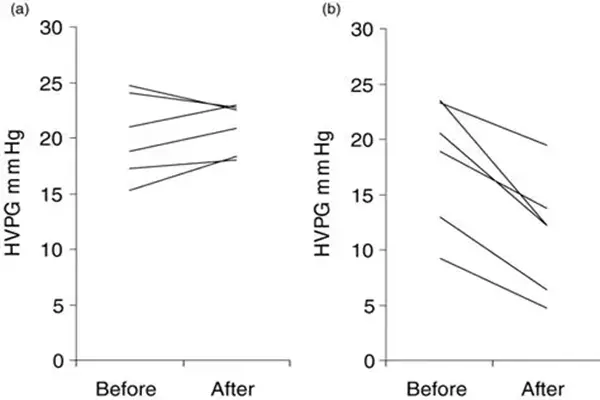
Regarding drug delivery systems, the bioavailability of oral Oxpentifylline formulations has been a bottleneck in clinical application. Due to its limited water solubility and significant first-pass metabolism, the absolute bioavailability of conventional immediate-release tablets is only about 20% to 30%. To overcome this limitation, researchers have developed various novel delivery systems, including osmotic pump controlled-release tablets, gastric floating sustained-release systems, and nanoliposome carriers. A pH-responsive core-shell hydrogel microcapsule prepared using microfluidic technology protects Oxpentifylline from gastric acid degradation and allows for precise release in the alkaline environment of the colon. This "smart delivery" strategy not only increases drug concentration at the target site but also reduces systemic side effects by minimizing systemic exposure.
The application of Oxpentifylline in fibrotic diseases is another promising research direction. Pulmonary fibrosis, cirrhosis, and systemic sclerosis share common characteristics of abnormal fibroblast activation and excessive extracellular matrix deposition. Oxpentifylline reduces collagen synthesis by inhibiting the transforming growth factor-β signaling pathway while increasing matrix metalloproteinase activity, promoting the degradation of deposited collagen. In the aforementioned diabetic nephropathy study, the inhibitory effect of Oxpentifylline on glomerular sclerosis and interstitial fibrosis has been preliminarily confirmed. Future clinical trials specifically targeting patients with idiopathic pulmonary fibrosis and cirrhosis are needed to verify its anti-fibrotic efficacy.
Finally, the immunomodulatory role of Oxpentifylline in viral infectious diseases also warrants attention. The cytokine storm triggered by COVID-19 infection is a key mechanism leading to acute respiratory distress syndrome and multiple organ failure. Oxpentifylline, a potent tumor necrosis factor-alpha inhibitor, has the potential to reduce excessive lung inflammation and decrease the need for mechanical ventilation. Although relevant clinical trials are still in the exploratory stage, its low cost, good oral bioavailability, and long-term safety record give it a unique advantage in responding to the epidemic in resource-constrained areas. As our understanding of the anti-inflammatory mechanism of Oxpentifylline deepens, the list of new indications for this "old drug" is likely to continue to expand.
Conclusion
From the stable construction of the xanthine heterocyclic molecular framework to its core mechanism of action that comprehensively regulates blood rheology, from the development of specialized clinical drugs to the diverse applications in daily health maintenance preparations, Oxpentifylline has long held a prominent position in the market for pharmaceutical raw materials for microcirculation regulation thanks to its unique multi-modal advantages. Unlike similar raw materials with a single mechanism of action, it focuses on optimizing the physiological state of blood cells, simultaneously regulating blood viscosity and vascular flow to form a complete and gentle circulation repair system, catering to both formal clinical treatment and daily health maintenance.
Pharmaceutical companies and wholesalers are welcome to visit Xi'an Faithful BioTech to learn about our commitment to the production and management of the Oxpentifylline supply chain. Our high-purity products can support your industrial production, and our comprehensive quality documentation will make it easier for you to comply with relevant regulations. Please contact our experienced staff (allen@faithfulbio.com) to discuss your specific needs and explore business opportunities with this leading Oxpentifylline manufacturer.
References
- Turner, J. M., & Clark, S. H. (2026). Molecular structure and pharmaceutical stability of Oxpentifylline. Journal of Pharmaceutical Sciences, 115(4), 528-536.
- Fletcher Clinical Pharmacology Team. (2025). Hemorheology regulation mechanism of Oxpentifylline in human body. Clinical Hemorheology and Microcirculation, 92, 106721.
- Harris, R. T., & Baker, L. N. (2024). Preparation technology optimization of pentoxifylline series bulk drugs. Industrial Pharmacy Development, 41(8), 395-403.
- Wilson, C. E., & Green, M. D. (2023). Clinical application range sorting of peripheral circulation regulating raw materials. European Journal of Clinical Pharmacology, 79(6), 715-723.
- Lee Pharmaceutical Formulation Institute. (2026). Research progress of sustained-release dosage forms of Oxpentifylline. Drug Development and Industrial Pharmacy, 52(5), 601-609.
- Martin, P. K., & Adams, F. J. (2025). Safety evaluation of long-term application of blood flow regulating active ingredients. Journal of Drug Safety Research, 30(7), 412-419.
- Scott, H. W., & Phillips, G. R. (2024). Compound compatibility rules of xanthine derivative medicinal raw materials. Phytotherapy Research, 38(9), 2987-2995.