
Can Arachidonic Acid Powder reshape our understanding of essential fatty acids in the fields of immune enhancement and brain development?
In the family of essential fatty acids, linoleic acid and alpha-linolenic acid are often considered the "only two" essential members because the human body cannot synthesize them de novo and must obtain them from food. However, there is another member in this family whose status has long been in the ambiguous "semi-essential" zone—it can be converted from linoleic acid, but this conversion process is extremely inefficient in the human body; it has extremely high concentrations in the brain and nervous system, yet it has been highly controversial as a "pro-inflammatory molecule." This molecule is Arachidonic acid Powder.
Microencapsulated long-chain unsaturated fatty acids
Arachidonic Acid Powder, chemically named all-cis-5,8,11,14-eicosatetraenoic acid powder, is a conditionally essential ω-6 series polyunsaturated fatty acid raw material prepared using microencapsulation technology. Its CAS number is 506-32-1, molecular formula is C₂₀H₃₂O₂, and molecular weight is 304.47 g/mol. Its core active ingredient is arachidonic acid, whose molecular structure consists of a 20-carbon straight-chain fatty acid backbone containing four cis-non-conjugated double bonds located at C5-C6, C8-C9, C11-C12, and C14-C15 positions. The first double bond from the methyl end is located at the 6th carbon atom, thus classifying it as an ω-6 polyunsaturated fatty acid. This multiple double-bond structure endows the molecule with high flexibility and chemical activity, forming the material basis for its physiological functions and metabolic properties.
Pure arachidonic acid (ARA) is a colorless to pale yellow oily liquid at room temperature. It is easily oxidized, poorly soluble in water, and prone to rancidity and low absorption and utilization rates when applied directly. Arachidonic Acid Powder addresses these shortcomings of natural oils through microencapsulation technology: using ARA oil extracted from *Morchella esculenta* fermentation as the core material, and corn syrup, maltodextrin, and sodium octenyl succinate starch as wall materials, combined with antioxidants and stabilizers such as sodium ascorbate and tricalcium phosphate, the mixture is emulsified, homogenized, spray-dried, and sieved to form a dry powder. Food-grade Arachidonic Acid Powder is a white to pale yellow uniform powder, odorless, non-caking, and with good flowability. It can be uniformly dispersed in water at 25-45℃, with 100% passing through a 20-mesh sieve and ≥70% passing through a 40-mesh sieve. In terms of physicochemical indicators, common specifications have an ARA content of 10% and 20%. Core quality standards include: peroxide value ≤2.5 mmol/kg, acid value ≤1.0, moisture ≤5.0%, ash content ≤5.0%, heavy metals ≤0.5 mg/kg, solvent residue ≤10 mg/kg, and microbial limits meeting food-grade requirements.
Regarding stability, the microcapsule wall material forms a physical barrier, isolating oxygen, light, and moisture, significantly inhibiting ARA oxidative rancidity. It can be stably stored for 24 months under normal temperature, dry, and light-protected conditions without significant decrease in purity or activity. In terms of solubility, the powder solves the problem of pure oil's poor water solubility, allowing direct addition to aqueous foods, dairy products, and solid beverages, demonstrating strong processing adaptability. Chemically, ARA molecules retain fatty acid characteristics and are easily soluble in organic solvents such as ethanol and hexane. Microencapsulation does not alter its core double bond structure or physiological activity. After entering the human body, the wall material degrades, releasing free ARA to exert its effects. In industrial production, Arachidonic Acid Powder uses microbial fermentation: using Alpine Moldavorus as the production strain, through processes such as strain cultivation, fermentation enrichment, oil extraction, refining and deodorization, microencapsulation, drying and pulverization, a high-purity, high-stability powder product is obtained. Unlike traditional animal extraction methods, fermentation has no animal-derived pollution, controllable costs, and is suitable for large-scale production.
Its full-dimensional role from cell membrane construction to signal regulation
Arachidonic Acid Powder (ARA), as a conditionally essential fatty acid precursor, plays a crucial role in five key physiological functions: maintaining cell membrane structure, synthesizing bioactive substances, regulating growth and development, modulating immune inflammation, and protecting the cardiovascular and neurological systems. It is an indispensable active ingredient for human growth, development, and maintaining physiological homeostasis, with particularly significant effects in infants, pregnant women, the elderly, and individuals with metabolic disorders.
Regarding the maintenance of cell membrane structure and function, ARA is a core component of cell membrane phospholipids, primarily bound to the sn-2 position of the phospholipid glycerol backbone. It accounts for 10%-20% of the total fatty acids in cell membrane phospholipids and is especially abundant in tissues such as the brain, liver, skeletal muscle, and retina. Its multiple double-bond structure endows cell membranes with fluidity, flexibility, and permeability, maintaining cell membrane integrity and normal substance transport and signal transduction functions, ensuring basic life activities such as cell proliferation, differentiation, and apoptosis. ARA deficiency leads to decreased cell membrane fluidity and increased fragility, causing problems such as dry skin, abnormal nerve conduction, and cellular dysfunction. Meanwhile, ARA can esterify cholesterol, lower the level of free cholesterol in the blood, improve blood vessel elasticity, regulate lipid metabolism, and prevent cardiovascular diseases such as atherosclerosis.
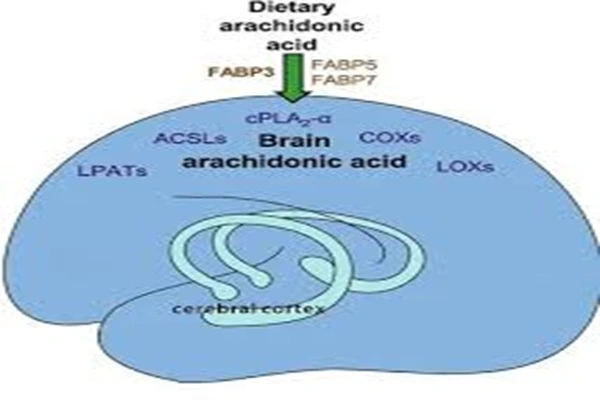
Regarding growth and development, Arachidonic Acid Powder is an essential nutrient for the development of the brain and retina in infants and young children. Working synergistically with DHA, it is known as the "brain gold combination." ARA accounts for 20% of the phospholipid fatty acids in the cerebral cortex and 15% of the retinal phospholipids. It can promote the proliferation and differentiation of nerve cells, synapse formation and myelination, increase the speed of nerve signal transmission, and enhance the cognitive abilities, learning and memory, and visual acuity of infants and young children. ARA supplementation during pregnancy and lactation allows it to be passed to the fetus/infant through the placenta and breast milk, meeting their rapid growth and development needs and preventing problems such as neurodevelopmental delays and visual impairment. Furthermore, ARA can promote skeletal muscle cell protein synthesis, accelerate muscle repair and growth, and improve athletic performance and fatigue resistance, making it suitable for athletes and the elderly with sarcopenia.
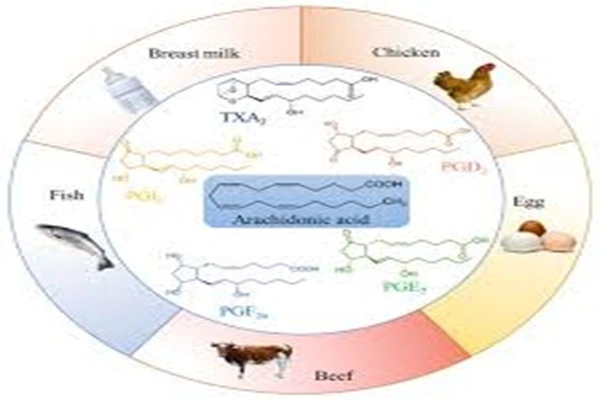
In terms of immune and inflammatory regulation, ARA bidirectionally regulates immune inflammation through eicosanoic acid-like compounds: during acute inflammation, it promotes the synthesis of PGE2 and LTB4, activates immune cells, enhances pathogen clearance, and plays a defensive role; during chronic inflammation, it inhibits excessive inflammatory responses through anti-inflammatory metabolites such as lipoxygenin, reduces tissue damage, and maintains immune balance. Simultaneously, ARA can regulate the activity of T cells, B cells, and macrophages, enhancing the body's specific and non-specific immune functions and reducing the risk of infection. In the hematopoietic system, ARA participates in the regulation of erythrocyte and platelet production, improves hematopoietic function, and prevents anemia and coagulation abnormalities.
In terms of neuroprotection and cardiovascular protection, ARA participates in central nervous system signal transduction, regulates calcium ion channels and neurotransmitter release, improves neuronal excitability and synaptic plasticity, enhances cognitive, memory, and mood regulation abilities, and delays brain aging and cognitive decline in middle-aged and elderly individuals. On a cardiovascular level, ARA metabolites can dilate blood vessels, reduce blood viscosity, inhibit excessive platelet aggregation, improve myocardial blood supply, and prevent cardiovascular and cerebrovascular diseases such as coronary heart disease and cerebral infarction. Simultaneously, they protect vascular endothelial cells, inhibit the formation of atherosclerotic plaques, and maintain cardiovascular health. Furthermore, ARA has a positive effect on skin health, promoting skin cell metabolism, enhancing skin barrier function, moisturizing and locking in moisture, and delaying skin aging. It is commonly used in the development of cosmetics and skin care products.
From infant formula to diverse applications of immune enhancement
The most mature and well-supported application of arachidonic acid (ARA) is in infant formula. Because infants have extremely limited ability to synthesize ARA from linoleic acid, and ARA is a structural lipid essential for brain and retinal development, standards in major global markets require the addition of ARA to infant formula, usually in combination with DHA in a specific ratio. The biological basis for this application lies in the fact that ARA is enriched in brain gray matter and retinal membranes; its four double bonds give the membranes fluidity, ensuring the normal functioning of neuronal firing and phototransduction cascades.
In the food fortification field, ARA powder is widely added to functional foods and beverages. By encapsulating ARA droplets in gelatin or maltodextrin wall materials using microencapsulation technology, the resulting powder can be stably dispersed in matrices such as acidic dairy beverages, juices, and cereal bars without producing a fishy odor. Studies have shown that ARA microencapsulated powder exhibits good stability in acidic dairy beverages, with controllable peroxide values throughout its shelf life.
In 2025, the application of ARA saw a milestone expansion. In September of the same year, a study published in EMBO Molecular Medicine confirmed for the first time that oral supplementation with arachidonic acid powder could significantly enhance the immune response to vaccines as a "dietary adjuvant." This collaborative study, conducted by a multinational research team, achieved remarkable results in a rabies vaccine model.
At the mechanistic level, the research team found that orally supplemented ARA accumulated in lymph nodes and was metabolized into various eicosanoids. Among them, prostacyclin PGI2 upregulated the co-stimulatory molecule CD86 on the surface of B cells via the cAMP-PKA signaling axis and activated activated cytidine deaminase AID—a key enzyme in antibody class switching and high-frequency somatic mutations. This discovery elevated the role of ARA from a "passive structural lipid" to an "active immunomodulator."
In animal experiments, mice that received 5 mg of arachidonic acid powder orally daily showed significantly higher serum neutralizing antibody titers than the control group after rabies vaccination. In challenge experiments, mice in the ARA group showed complete protection against lethal doses of rabies virus, while the control group developed neurological symptoms and died. Even more encouraging are the results from human trials. In healthy volunteers, oral supplementation with arachidonic acid powder shortened the time it took for rabies vaccine-induced neutralizing antibodies to reach protective levels from the usual several weeks to just one week after the first immunization. This finding has significant public health implications—for diseases like rabies that require rapid post-exposure immune protection, every hour is crucial. Traditional rabies vaccination regimens require multiple injections spaced weeks apart, while the ARA-assisted strategy may compress the "protective window" from "weeks" to "days."
Researchers point out that ARA, as a safe, food-derived dietary adjuvant, may have application potential beyond rabies vaccines, extending to other pathogens requiring rapid immune protection.
Multifunctional raw material for food, medicine, feed, and cosmetics
The infant formula industry is the core application sector, accounting for over 60% of the global ARA powder market share. According to food safety standards in China, the EU, and the US, Arachidonic Acid Powder is a mandatory nutritional fortifier for infant formula and complementary foods, requiring addition with DHA in a 1:1-2:1 ratio to meet the rapid development needs of infants' brains, retina, and nervous systems. Chinese national standards GB 10765-2010 and GB 10767-2010 clearly stipulate that the amount of ARA added in infant formula must be ≥0.2% of total fatty acids, with an upper limit of 1%. The microencapsulation properties of Arachidonic Acid Powder allow it to be evenly dispersed in milk powder, are heat-resistant, not easily oxidized, and maintain stable activity throughout its shelf life, making it a standard brain health fortification ingredient for infant formula. It is also suitable as a nutritional supplement for pregnant and lactating women; daily supplementation of 100-200 mg of ARA during pregnancy can increase ARA levels in both the mother and fetus, reduce the risk of premature birth, and promote fetal development. The health food and dietary supplement industry has wide applications, targeting four major sub-markets: brain health for middle-aged and elderly individuals, cardiovascular protection, sports nutrition, and immune enhancement. In products for middle-aged and elderly individuals, Arachidonic Acid Powder, combined with DHA, ginkgo biloba extract, and vitamin E, is formulated into capsules, tablets, and solid beverages to delay brain aging, improve memory decline, and prevent Alzheimer's disease and cardiovascular disease. In sports nutrition products, it is added to protein powder, energy bars, and sports drinks to promote muscle repair and growth, improve athletic performance, and relieve exercise fatigue, making it suitable for fitness enthusiasts and athletes. Immune enhancement products, combined with vitamin C, zinc, and probiotics, enhance the body's immunity and reduce the risk of infection, making them suitable for those with weak constitutions or those recovering from surgery. Furthermore, health foods targeting skin health add ARA, collagen, and hyaluronic acid to improve dry and rough skin and delay aging.
In the pharmaceutical field, its application potential as a raw material for pharmaceuticals and adjuvant therapies continues to expand. First, in the treatment of inflammation and immune-related diseases: the ARA metabolic pathway is a core target for anti-inflammatory drugs. Arachidonic acid powder is used in the development of novel anti-inflammatory, anti-asthmatic, and anti-rheumatic drugs, or as an adjunct therapy ingredient, reducing the dosage and side effects of glucocorticoids and nonsteroidal anti-inflammatory drugs. Second, in the prevention and treatment of neurodegenerative diseases: it is used as an adjunct therapy in the recovery period of Alzheimer's disease, Parkinson's disease, and cerebral infarction, promoting nerve repair and improving cognitive and motor function. Third, in the adjunct therapy of cardiovascular diseases: when combined with statins and antiplatelet drugs, it regulates blood lipids, protects vascular endothelium, and prevents atherosclerosis and thrombosis recurrence. Fourth, in the treatment of skin diseases: adding ARA to topical preparations treats eczema, psoriasis, and xerosis, repairing the skin barrier and relieving inflammation and itching.
In the animal feed field, it is mainly used in aquaculture and livestock farming to improve farming efficiency and product quality. In aquatic feed, adding Arachidonic Acid Powder can promote the growth and development of fish and shrimp, improve hatching and survival rates, enhance stress resistance (tolerance to low oxygen and temperature differences), and increase the DHA and ARA content of fish meat, thus improving nutritional value. In livestock and poultry feed, adding it to sow, broiler, and dairy cow feed improves reproductive performance, foal survival rate and growth rate, improves the quality of meat, eggs, and milk, and increases nutritional added value.
In the cosmetics field, as an active skincare ingredient, it is used in moisturizing, anti-aging, and repairing products. Adding Arachidonic Acid Powder to creams, serums, and masks allows it to penetrate the dermis, promoting skin cell metabolism, enhancing the skin barrier function, moisturizing and locking in moisture, and reducing fine lines. It also inhibits skin inflammation, relieves redness, itching, and stinging in sensitive skin, and repairs skin damage caused by UV rays and external stimuli, achieving a triple effect of "moisturizing + anti-aging + repair."
Conclusion
Arachidonic Acid Powder, an optimized microencapsulated ω-6 conditionally essential fatty acid (ARA) raw material, is a core nutrient for early life development, adult physiological homeostasis, and health maintenance in old age. It is also a key intermediate connecting the food, pharmaceutical, feed, and cosmetic industries. Based on its unique multi-double-bond molecular structure, it achieves comprehensive regulation of multiple systems, including growth and development, brain health, immunity, cardiovascular health, and skin, through five core mechanisms: cell membrane support, eicosanoic acid metabolism, neural regulation, immune inflammation balance, and cardiovascular protection. Its efficacy is comprehensive yet gentle. From an industrial value perspective, Arachidonic Acid Powder overcomes the shortcomings of natural ARA oils, such as easy oxidation, poor water solubility, and poor stability, possessing advantages of high activity, high stability, easy absorption, and easy processing, making it suitable for applications in multiple fields. The mature application of microbial fermentation methods enables large-scale, low-cost, and green production, breaking the resource limitations of animal-derived extraction and promoting the sustainable development of the global ARA raw material industry.
Xi'an Faithful BioTech Co., Ltd. combines advanced manufacturing technology with a comprehensive quality assurance system to provide high-quality Arachidonic Acid Powder that meets international pharmaceutical standards. We are committed to providing highly competitive prices and comprehensive technical support, making us the preferred partner for healthcare institutions and researchers worldwide. Please contact our technical team (allen@faithfulbio.com) to learn how our products can improve your formulations.
References
- Birch, E. E., et al. (2010). Arachidonic acid supplementation in early growth and development. Pediatric Research, 68(2), 112-118.
- Uauy, R., & Dangour, A. D. (2006). Omega 3 fatty acids in growth and development. Progress in Lipid Research, 45(4), 285-303.
- Smith, W. L., & Murphy, R. C. (2019). Arachidonic acid metabolism: an update. Journal of Biological Chemistry, 294(28), 10789-10804.
- Bazan, N. G. (2009). Eicosanoids in brain function and inflammation. Prostaglandins & Other Lipid Mediators, 89(3-4), 75-82.
- Calder, P. C. (2017). Omega-6 fatty acids and inflammation. Prostaglandins, Leukotrienes and Essential Fatty Acids, 116, 1-10.
- Kinsella, J. E., et al. (1990). Arachidonic acid in human health and disease. Advances in Food and Nutrition Research, 34, 1-10.
- Simopoulos, A. P. (2016). Importance of the omega-6/omega-3 balance in health and disease. Biomedicine & Pharmacotherapy, 61(9), 575-580.