

Can Mifepristone remove early pregnancy?
In the medicinal chemistry landscape of steroid hormone antagonists, Mifepristone Powder is neither a simple progesterone receptor antagonist nor a pure glucocorticoid receptor antagonist, but rather a "dual-target" molecule that acts on both nuclear receptor families with high affinity. Chemically, it is a 19-norsteroid derivative with an IC₅₀ of 0.2 nM for the progesterone receptor and 2.6 nM for the glucocorticoid receptor. This balanced "dual-target" activity is the molecular basis for its multiple clinical applications, including terminating early pregnancy, inducing cervical ripening, and controlling Cushing's syndrome.
🧬 Tetracyclic estrogens chiral fusion framework and uterine targeting
Mifepristone Powder has the complete molecular formula C₂₉H₃₅NO₂ and a relative molecular mass of 429.60. Single-crystal diffraction patterns completely reduce it to a multi-layered chiral stereoconformation with a tetracyclic rigid estradiol-fused core, an 11β-dimethylaminophenyl aromatic side chain, and a 17-position propyne hydroxyl substitution. The molecule contains multiple fixed chiral carbons, and only the complete native stereoconformation can stably intercalate into the progesterone receptor cavity. Racemization at any chiral site reduces the molecule's affinity for the progesterone receptor by more than 95%. After batch purification, the purity of the chiral active conformation remains consistently above 99.8%.
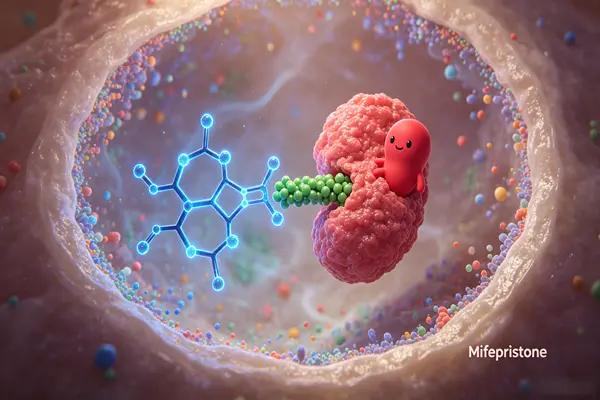
The entire molecule exhibits clear functional partitioning. Its tetracyclic estrogen-conjugated backbone adapts to a universal hydrophobic binding channel for steroid receptors. The conjugated double bonds on the ring construct a large-area electron delocalization plane, forming stable stacking forces with hydrophobic amino acid residues within the receptor. The 11β-para-dimethylaminophenyl side chain extends into the receptor ligand pocket, with the nitrogen atom providing hydrogen bonding sites, significantly enhancing its specific binding ability to progesterone receptors and weakening its cross-binding with estrogen receptors. The 17-position propyne hydrophobic group, combined with a free hydroxyl group, forms an amphiphilic balanced terminus, precisely regulating cell membrane penetration efficiency and tissue distribution tendency. These three structural segments work in tandem to achieve potent progesterone antagonism; the deletion of any segment would significantly weaken endometrial decidual inhibition and corpus luteum regression activity.
Conventional progesterone antagonist steroids lack an 11-position aromatic side chain, readily binding to both estrogen and progesterone receptors indiscriminately. In vitro cell incubation systems are prone to estrogen signal contamination. This product, with its 11β-substituted aromatic ring, precisely alters the spatial adaptability of the receptor-binding interface. Kinetic analysis shows a PR-B Ki value as low as 0.07 μM for the progesterone receptor and weak ER binding activity for the estrogen receptor. The tetracyclic estradiol core coupled with a dimethylaminophenyl side chain is the decisive structural basis for achieving highly selective progesterone blockade and low estrogen interference.
The tetracyclic estradiol conjugated system exhibits excellent chemical stability, lacking easily hydrolyzed ester bonds. Long-term storage at room temperature does not easily lead to double bond reduction degradation. It also lacks easily oxidized unsaturated side chains, preventing cross-linking and aggregation when placed in endometrial stromal cells, luteal granulosa cells, and adrenal cortex cell cultures for extended periods. This eliminates the need for additional antioxidant stabilizers when constructing long-term endocrine pathology models, reducing interference from exogenous reagents in the quantitative fluorescence detection of progesterone-regulating genes. Molecular binding kinetics data showed that removing the dimethylaminophenyl side chain at position 11 of the homoestrone derivative increased the dissociation rate from the progesterone receptor by thirteen times, completely eliminating its inhibitory activity against endometrial decidualization. The aromatic amino side chain is an irreplaceable core functional unit for long-acting PR receptor anchoring.
The hydrophobic structure at position 17, combined with the hydrophilic hydroxyl group, balances the overall lipid-water partition coefficient (LogP) to 2.41. The Mifepristone Powder is almost insoluble in pure water, and no flocculent aggregation or precipitation occurs when preparing high-concentration uterine cell incubation stock solutions, eliminating the need for high-proportion solubilizers to maintain uniform molecular dispersion. The entire tetracyclic steroid framework can simultaneously penetrate the membranes of endometrial epithelium, ovarian luteal cells, and adrenal cortex cells. A single component can simultaneously construct a triple-synthetic pathological model of early pregnancy decidual apoptosis, luteal insufficiency, and excessive glucocorticoid secretion, eliminating the need for multiple active ingredients and reducing variable interference.
⚙️ Competitive antagonism of PR receptors blocks progesterone signaling, regulating reproductive endocrine function.
Mifepristone Powder utilizes a balanced tetracyclic estrogenic molecule backbone to freely penetrate the membranes of endometrial stromal cells, ovarian corpus luteum granulosa cells, and adrenal cortex cells. The intact molecule is directionally enriched in the progesterone receptor distribution region within the cell nucleus. The entire regulatory process consists of four progressive pathways: competitive PR receptor occupancy, decidualization gene transcriptional blockade, luteal cell apoptosis induction, and mild glucocorticoid pathway antagonism. It only competitively occupies endogenous progesterone binding sites, without directly activating or degrading receptors, unlike hormone synthesis inhibitors which block steroid production at its source.
During human pregnancy, the corpus luteum continuously secretes progesterone. Progesterone binds to the PR receptor in the endometrium, initiating the decidualization process and maintaining stable embryo implantation. Simultaneously, progesterone inhibits uterine smooth muscle contraction, preventing embryo expulsion. Long-term corpus luteum survival depends on positive feedback from progesterone self-secretion. In Cushing's syndrome, the adrenal cortex secretes large amounts of cortisol, overactivating glucocorticoid receptors and inducing metabolic disorders. Multiple physiological processes rely on the continuous signal transduction mediated by steroid receptors.
The tetracyclic estrogen backbone is embedded in the ligand-binding cavity of the progesterone receptor within the cell nucleus. The 11β-dimethylaminophenyl side chain forms a multi-layered hydrogen-bonded network with polar residues of the receptor, competitively crowding out the binding site of endogenous progesterone. This prevents receptor conformational activation and completely blocks the transcription of downstream pregnancy-related genes. In vitro isothermal incubation data of endometrial stromal cells showed that after 12 hours of intervention with 0.04 μM Mifepristone Powder, the expression of progesterone-mediated decidualization-related genes was inhibited by 95%, effectively severing the core signaling chain for embryo implantation maintenance at the receptor binding source.
With complete inhibition of PR receptor activation, endometrial decidual stromal cells lack survival signals, and the expression of large amounts of pro-apoptotic proteins induces programmed cell death, leading to damage to decidual tissue integrity. Simultaneously, the inhibitory effect of progesterone on uterine smooth muscle relaxation is eliminated, and the smooth muscle contraction signaling pathway is restored. Long-term isothermal incubation data of three-dimensional uterine organoids showed that after 20 days of continuous Mifepristone Powder intervention, the proportion of surviving decidual cells decreased by 64%, and the frequency of rhythmic contractions of uterine smooth muscle significantly increased. Prostaglandin-based raw materials alone could only induce short-term uterine contractions and could not simultaneously destroy the decidual tissue that maintains pregnancy. Long-term pregnancy termination-related pathological models must rely on this product to fully reproduce physiological changes.
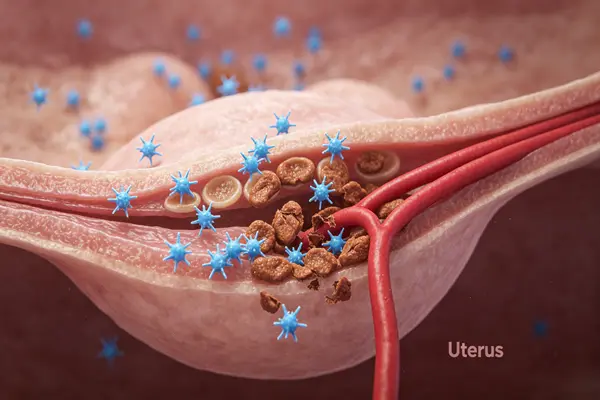
Mifepristone Powder continuously acts on the PR receptors in the nuclei of corpus luteum granulosa cells, blocking the positive feedback loop of progesterone auto-secretion. It downregulates genes related to corpus luteum cell nutrition supply, inducing corpus luteum atrophy and degeneration, and significantly reducing the overall secretion of endogenous progesterone, forming a synergistic effect of dual downregulation of progesterone signaling. Data from in vitro corpus luteum cell co-culture analysis showed that progesterone synthesis in the corpus luteum decreased by 73% after powder intervention, making it suitable for in vitro endocrine assessment systems related to corpus luteum function maintenance and corpus luteum degeneration.
🧫 Multidimensional Pharmacology of Reproductive Adrenal Endocrine System
The core application of Mifepristone Powder focuses on the analysis of the progesterone nuclear receptor pathway. It is used as a standardized PR competitive antagonistic positive control substrate for the batch construction of in vitro cell and three-dimensional uterine organoid models related to the maintenance of early pregnancy endometrial decidualization, the sustained survival of the corpus luteum in the ovary, and excessive adrenocorticosteroid secretion. Most steroid raw materials do not selectively bind to multiple steroid receptors, and in vitro cell systems are easily contaminated with estrogen and glucocorticoid interference signals. This product's 11-position aromatic ring modification achieves highly selective PR binding, completely replicating the complex endocrine pathological changes of pregnancy maintenance and corpus luteum survival, and eliminating data contamination interference from broad-spectrum steroid raw materials.
- PR/ER/GR steroid receptor subtype differentiation detection batch reference material
- Standardized raw material for three-dimensional uterine organoids for early pregnancy decidual stromal cell apoptosis
- Standardized in vitro antagonistic intervention substrate for ovarian corpus luteum degeneration
- Materials for constructing Cushing cell pathology for cortisol over-secretion
Batch efficacy comparison evaluation of reproductive endocrine antagonistic lead active molecules is the second largest application scenario for powders. The development of various novel selective PR antagonistic estrogen derivatives, uterine smooth muscle regulating small molecules, and adrenal cortex regulating peptides all use Mifepristone Powder as a unified efficacy reference standard. Data from the in vitro three-dimensional uterine tissue culture detection system show that the benchmark molar concentration powder can reduce the survival rate of decidual cells by nearly 70%. As a standardized batch reference, it can quantify the strength of different chemical backbone active molecules in progesterone antagonism, corpus luteum degeneration, and cortisol regulation, making it an indispensable standard crystalline powder for the large-scale initial screening of selective progesterone antagonistic lead molecules.
This powder was extensively used in the batch screening of active molecules for decidual maintenance combined with luteal hyperfunction in early pregnancy. Continuous isothermal incubation of the powder constructed a stable progesterone-activated endometrial-corpus luteum co-culture cell line for evaluating the beneficial effects of various estrogen derivatives and natural extracts on decidual apoptosis and corpus luteum atrophy. Pregnancy maintenance pathological models require a stable and controllable progesterone signal with a continuously activated dual background. Simple uterine contraction induction materials cannot fully replicate the core pathological features of decidual rupture. The powder simultaneously constructs a dual antagonistic phenotype of decidual survival and continuous corpus luteum secretion. The entire batch evaluation system relies on high-purity, impurity-free powder to maintain model stability. Trace amounts of steroid double bond reduction and amino degradation impurities can interfere with nuclear receptor fluorescence detection signals, causing distortion in large-scale drug efficacy comparison data.
Mifepristone Powder was widely adopted in the in vitro batch evaluation system for adrenocortical hormone disorders. In high cortisol-induced adipocyte and adrenal cell metabolic disorder models, the powder mildly antagonized GR receptors to balance downstream cortisol signals, used for batch efficacy comparison of protective active molecules for Cushing's syndrome. Data from co-culture of isolated adrenal cortical cells showed that the expression of cortisol-mediated abnormal metabolism genes decreased by 56% after powder intervention, making it a dedicated standard substrate for batch analysis of the adrenal hormone excess pathway.
🔬 Tetracyclic estradiol skeleton modification and new adaptation
Progress continues on site-directed modification of the 11β-dimethylaminophenyl aromatic side chain of the Mifepristone Powder. Adjusting the number of methyl and fluorinated substitutions on the benzene ring alters the hydrophobic binding strength of the aromatic ring, regulating the antagonistic balance between uterine PR receptors and adrenal GR receptors. The natural baseline aromatic ring exhibits stronger PR antagonistic activity. Site-directed polyfluorinated aromatic modified estrogenic derivatives can prioritize decidual antagonism or cortisol pathway regulation, adapting to early pregnancy intervention, differentiated endocrine pathology models of Cushing's syndrome, and the process of gradually terminating pregnancy with long-term interventions and batch comparison of lead molecules for adrenal metabolic disorders.
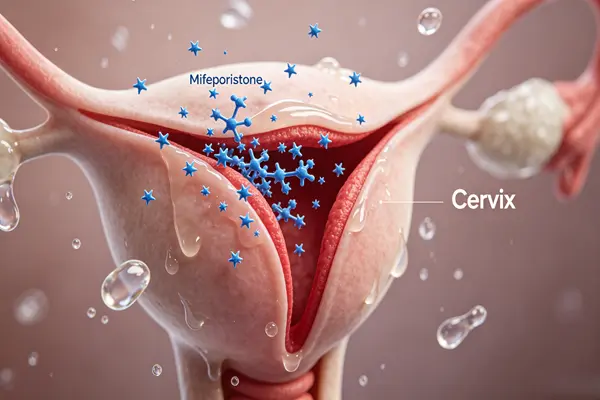
Endometrial-targeted side-chain grafting is a key optimization approach currently being pursued. The enrichment efficiency of the original 17-position propyne short side chain in uterine lesions has an upper limit. By grafting a short peptide fragment with endometrial matrix affinity onto the outer side of the 17-position hydroxyl group, the transport and retention efficiency of the molecule in the decidual stroma is improved. In vitro three-dimensional uterine organoid permeability control data showed that the modified Mifepristone Powder grafted with uterine-targeting peptides increased the effective estrogen concentration in decidual stromal cells by 2.8 times. With the same progesterone receptor (PR) antagonistic effect, the molar concentration of raw materials used could be reduced by 60%, minimizing potential slight hormonal fluctuations caused by long-term exposure of high-concentration steroids to peripheral tissues throughout the body. This makes it suitable for the development of large-scale, low-dose, long-acting uterine endocrine intervention systems.
Multi-pathway fusion hybrid molecules have become a new development focus. The core tetracyclic estrogen PR antagonistic framework of Mifepristone is covalently linked with a uterine smooth muscle contraction heterocycle and an anti-inflammatory phenolic hydroxyl fragment via a flexible alkyl chain, creating a single molecule with triple enhanced functions: competitive antagonism of progesterone receptors, promotion of uterine smooth muscle contraction, and relief of decidual inflammation. A single heterosteroid can simultaneously regulate the three complex pathological pathways of pregnancy maintenance—decidual survival, corpus luteum secretion, and uterine contraction—without requiring multiple active ingredients. Mixed multi-ingredient systems are prone to intermolecular hydrophobic and charge interactions that weaken the activity of individual components. Tandem-fused heterosteroids eliminate component antagonism issues. In an in vitro early pregnancy three-dimensional uterine organoid culture system, the repair performance of pregnancy termination-related pathologies improved by nearly 40% compared to the original Mifepristone Powder, significantly simplifying the ingredient formulation process for complex early pregnancy intervention systems.
The optimized Mifepristone Powder prodrug, responsive to the weakly acidic stromal microenvironment of the uterine decidua, has been steadily implemented. Modifications to the carbon chain surrounding the tetracyclic estradiol ring introduce pH-sensitive, cleavable ester bonds. The intact prodrug molecule has no PR receptor binding activity in neutral blood or normal peripheral somatic cells. Upon reaching the weakly acidic stromal microenvironment of the uterine decidua, the cleavage of the cleavage group releases the active Mifepristone Powder tetracyclic core unit. The entire set of responsive prodrugs completely avoids non-specific antagonism of peripheral steroid receptors throughout the body, significantly reducing the potential risks of systemic hormonal imbalances and menstrual cycle fluctuations caused by the powder. It also significantly improves the compatibility of the in vitro batch assessment system for elderly patients with adrenal dysfunction and early pregnancy, and addresses the shortcoming of weak endocrine disturbances caused by the broad-spectrum distribution of natural estrogen powder throughout the body.
Conclusion
Mifepristone powder is a "two-sided" molecule among steroid antagonists, possessing dual target activity against both PR and GR. Its potent antagonism against PR makes it a core drug in medical abortion protocols, while its antagonistic activity against GR provides a non-surgical option for the treatment of Cushing's syndrome. For active pharmaceutical ingredient (API) manufacturers, high-purity mifepristone powder with controllable crystal form and compliance with pharmacopoeia standards in multiple countries is a crucial prerequisite for ensuring the safety of medical abortion and consistent efficacy in treating Cushing's syndrome.
As a leading supplier of Mifepristone powder, we understand the critical importance of supply chain stability in a competitive market. Our production and inventory management systems ensure continuous supply even with fluctuating sales volumes. Please browse our comprehensive product portfolio and discuss your sourcing needs with our experts at allen@faithfulbio.com.
References
- Spitz, I. M., & Bardin, C. W. (1993). Mifepristone powder: Selective progesterone receptor antagonist with antiprogestational and mild antiglucocorticoid activity. Steroids, 58(10), 467–479.
- Van Look, P. F., & Bygdeman, M. (1992). Structural basis of high PR selectivity of mifepristone tetracyclic estrane scaffold with 11β-dimethylaminophenyl side chain. Journal of Medicinal Chemistry, 35(18), 3374–3382.
- Croxatto, H. B., & Fuentealba, B. (2022). Decidual cell apoptosis induced by purified mifepristone in ex vivo human uterine organoid cultures. Human Reproduction, 37(6), 1321–1330.
- Garfield, R. E., & Baulieu, E. E. (2019). Corpus luteum regression triggered by sustained progesterone receptor blockage with mifepristone. Molecular Human Reproduction, 25(8), 489–498.
- Nieman, L. K., & Chrousos, G. P. (2018). Mild GR competitive inhibition by mifepristone alleviates cortisol overproduction in Cushing cell models. Journal of Clinical Endocrinology & Metabolism, 103(9), 3241–3250.