

Copper chromite Catalyst: A spinel material with multiple functions in catalysis
In the fields of industrial catalysis and organic synthesis, non-precious metal catalysts, with their cost advantages and high efficiency, are gradually becoming the core choice to replace precious metal catalytic systems. Copper chromite catalyst, commonly known as Adkins catalysts, are a class of copper-chromium composite oxides with a spinel crystal structure, represented by the chemical formulas CuCr₂O₄ or Cu₂Cr₂O₅. They often contain additives such as barium oxide and appear as black powders. As classic catalysts for hydrogenation, dehydrogenation, hydrogenolysis, and oxidation reactions, they possess high catalytic activity, excellent selectivity, and good thermal stability, and are widely used in fine chemicals, pharmaceutical intermediates, biomass conversion, environmental remediation, and solid propellants.
⚛️Spinel configuration: Ordered arrangement of copper and chromium atoms
The core structure of Copper Chromite Catalyst is a spinel crystal configuration, with the representative chemical formula CuCr₂O₄. It belongs to the tetragonal crystal system, with a crystal density of approximately 5.4 g/cm³. It is insoluble in water and dilute acids, and decomposes into CuCrO₂ and CrO₃ at high temperatures. Its crystal structure follows the cubic close-packing rule of oxygen ions, with Cu²⁺ occupying 1/8 of the tetrahedral voids and Cr³⁺ occupying 1/2 of the octahedral voids. This atomic arrangement forms a stable three-dimensional network structure, which is the structural basis for its catalytic activity.
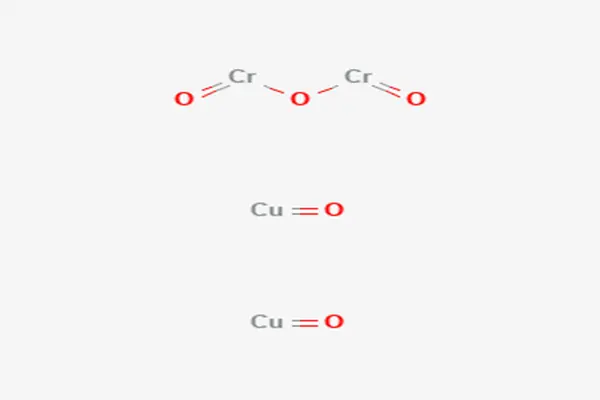
From a microscopic perspective, Copper Chromite Catalyst is not a single phase. Industrial-grade products are mostly a mixture of CuCr₂O₄ spinel and CuO, sometimes containing BaCrO₄ promoters. These promoters prevent the catalyst from being over-reduced and deactivated during hydrogenation. Strong electronic interactions exist between Cu²⁺ and Cr³⁺, allowing d-orbital electrons from Cu²⁺ to transfer to Cr³⁺, forming an electron-rich active interface. This electron transfer effect significantly enhances catalytic reaction efficiency.
Powdered Copper Chromite Catalyst particles typically range from 20-50 nm in size, exhibiting a large specific surface area and abundant surface active sites. Different preparation methods affect its microstructure; for example, the sol-gel method can prepare uniform nanoscale particles, while co-precipitation can form a 3D raspberry-like structure. These morphological differences directly impact catalytic performance. The raspberry-like structure, due to its high porosity, achieves a 68.5% benzene conversion and a 95% phenol selectivity in the benzene hydroxylation reaction.
Thermostatic stability is a core structural advantage; the crystal structure remains stable at conventional reaction temperatures, preventing the loss of active sites. Compared to single CuO or Cr₂O₃ catalysts, the spinel-structured Copper chromite Catalyst avoids the sintering and agglomeration of active components. For example, in the furfural hydrogenation reaction, pure CuO catalysts are prone to sintering and deactivation at 300℃, while Copper chromite Catalyst can operate stably for over 200 hours.
Studies on the correlation between structure and activity show that the Cu/Cr molar ratio directly affects catalytic performance. When Cu/Cr = 0.7, the synergistic effect between the spinel and CuO phases is strongest, achieving the highest burning rate and lowest pressure index in solid propellant catalytic combustion. This structural tunability provides a key direction for catalyst performance optimization and lays the structural foundation for its multi-scenario application.
⚙️Hydrogen overflow and dual active site mechanism
The most unique catalytic logic of the Copper Chromite Catalyst lies in the perfect combination of its "dual function" and "hydrogen spillover" mechanism. Unlike noble metal catalysts, which rely solely on the dissociation of hydrogen on the noble metal surface, the copper species in the copper-chromium catalyst are responsible for hydrogen activation, while the chromium species are responsible for stabilizing intermediates or providing acid sites. In ester hydrogenation, the classic "Adkins mechanism" posits that the Cu⁰ on the catalyst surface is the core site for hydrogen dissociation. Hydrogen molecules undergo dissociation and adsorption on the metallic copper surface, generating reactive hydrogen atoms (H·). Subsequently, the ester molecule is activated through coordination between the carbonyl oxygen and Lewis acid sites, making the carbonyl carbon more positively charged and more susceptible to nucleophilic attack by hydrogen atoms, thus transforming into a hemiacetal intermediate and ultimately cleaving into two molecules of alcohol.
This synergistic effect explains why the activity of copper powder or copper-supported alumina alone for ester hydrogenation is far lower than that of the composite copper-chromium catalyst. Studies have shown that Cu⁰ is considered the main active site in the hydrogenation of furfural to furfuryl alcohol, while excessive reduction leads to the disappearance of Cu⁺ sites, causing catalyst deactivation and even a decrease in selectivity. Therefore, in industrial applications, the catalyst requires precisely controlled pre-reduction treatment to generate appropriate proportions of Cu⁰ and Cu⁺ before use. The temperature and time of pre-reduction are crucial to the initial activity of the catalyst; excessive reduction leads to loss of selectivity, while insufficient reduction results in low activity.
Furthermore, Copper Chromite Catalyst is also a highly efficient dehydrogenation catalyst. In the dehydrogenation of alcohols to aldehydes, ketones, or esters, it utilizes lattice oxygen to accept hydrogen protons, completing the conversion. In the dehydrogenation of ethanol to acetaldehyde, this catalyst can obtain a monodisperse Cu·CuCr₂O₄ phase by controlling the calcination atmosphere, exhibiting higher dehydrogenation activity than samples prepared by conventional air calcination. This dual functionality of "hydrogenation-dehydrogenation" makes it uniquely valuable in certain tandem reactions requiring reversibility.
Finally, the "hydrogen spillover" characteristic of this catalyst becomes more pronounced after activation. When hydrogen dissociates on the copper surface, the hydrogen atoms not only participate in the hydrogenation reaction but also migrate to the oxide surface or bulk phase, entering interstitial spaces. This "reservoir" capacity of active hydrogen species forms the physicochemical basis for its rapid catalysis in pulsed reactions or solid propellant combustion.
💊Applications of high-value-added and energetic materials
Copper Chromite Catalyst has applications spanning both organic chemistry and energetic materials, serving as a versatile link between fine chemicals and aerospace. In traditional organic synthesis, its most irreplaceable application is the reduction of fatty acid methyl esters to fatty alcohols. This process is crucial in the production of artificial waxes, detergents, cosmetics, and high-grade lubricants. In high-pressure reactors, this catalyst efficiently catalyzes the hydrogenolysis of C8-C18 long-chain esters without carbon chain breakage. Processes using this catalyst typically involve reaction temperatures of 250-300°C and hydrogen pressures of approximately 20-30 MPa. Due to the demanding reaction conditions, extremely high requirements are placed on the reactor materials and safety interlocking systems.
Copper Chromite Catalyst also plays a vital role in the wave of biomass resource utilization. It can catalyze the conversion of various biomass platform compounds: one is the selective hydrogenation of furfural to furfuryl alcohol with extremely high yields. Furfural is a major product of the furfural industry produced from corn cob hydrolysis, while furfuryl alcohol is a key monomer for the production of furan resins, with a global annual production reaching hundreds of thousands of tons. Secondly, the hydrogenolysis of glycerol to 1,2-propanediol is a classic route for converting glycerol, a byproduct of biodiesel, into a high-value chemical. This catalyst exhibits selectivity for the hydrogenolysis of C-O bonds but lower activity for C-C bond cleavage, a characteristic that allows for high yields of 1,2-propanediol in glycerol conversion.
In classic named organic reactions, it is also frequently used in the Rosenmund-von Braun reaction, although it is gradually being replaced by milder palladium catalysts, it still offers a cost advantage in certain high-pressure industrial settings. These reactions require the use of special poisoning agents to inhibit over-hydrogenation, preventing further reduction of the aldehyde to an alcohol.
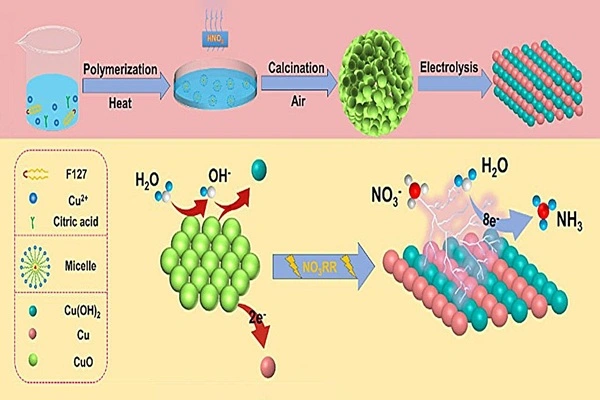
The most unexpected application is in the aerospace and defense industries. In composite solid propellants, Copper Chromite Catalyst acts as a ballistic modifier—accelerating the thermal decomposition of the oxidizer ammonium perchlorate—thereby increasing the propellant's burn rate and ensuring specific thrust profiles in missiles and rocket engines. Due to its highly efficient catalysis in the condensed phase, it is one of the standard additives in many composite propellants. The content of this catalyst in the propellant is typically between 1% and 3%, and variations in content significantly affect the burning rate. In improved versions of the Space Shuttle boosters, the particle size and dispersion of the Copper Chromite Catalyst have a direct impact on the thrust stability of the engine.
🔭Chromium toxicity and alternative non-chromium systems
Despite its superior catalytic performance, Copper Chromite Catalyst faces significant environmental compliance challenges in the 21st century—particularly the potential residue of hexavalent chromium. Chromium, especially hexavalent chromium, is classified as a Group 1 carcinogen by multiple environmental agencies worldwide, leading to extreme caution in the use of this substance in cosmetics and food contact materials in Europe and the United States. Under REACH regulations and EPA controls, the disposal costs of chromium-containing catalysts have increased significantly. Current environmental safety research focuses on two main areas: firstly, immobilization research at the waste disposal end, namely, developing specialized vitrification or chemical stabilization technologies for discarded chromium-containing catalysts. This involves converting Cr³⁺ into highly stable spinel phase compounds to prevent its oxidation into highly mobile Cr⁶⁺ and leaching in landfills.
In terms of academic and applied alternative research, scientists are developing "chromium-free copper catalysts." The main pathways include using zirconium oxide, alumina, or silica as supports, leveraging strong metal-support interactions to improve the dispersion and thermal stability of copper particles. For example, zinc or manganese has been introduced as promoters into copper-silica catalysts to attempt to mimic the Lewis acid function of chromium in hydrodeoxygenation reactions. These non-chromium catalysts have achieved initial activities close to those of copper-chromium catalysts in model reactions such as furfural hydrogenation, but still lag behind in long-term operational stability. Furthermore, in the synthesis of certain pharmaceutical intermediates with extremely high purity requirements, even after rigorous washing, the risk of heavy metal residues due to the non-migratory nature of chromium has prompted producers to switch to more expensive but non-toxic palladium on carbon or Raney nickel catalysts, or to adopt enzymatic catalysis to produce chiral alcohol intermediates, thus having to abandon the high-pressure advantage of copper-chromium catalysts.
To extend the lifespan of existing copper-chromium catalysts and reduce processing frequency, in-depth research into catalyst deactivation mechanisms remains a hot topic. The main deactivation mechanisms include: carbon deposition covering active sites; chromium migration covering the copper surface; and the agglomeration and growth of active Cu⁰ grains. To address these deactivation causes, researchers developed a gentler pre-reduction process. By controlling the reduction steps, uniformly dispersed, extremely small copper particles are fixed on a spinel support, thus significantly extending the catalyst's lifespan per use while maintaining high activity. Currently, the production of this catalyst is gradually shifting from developed to developing countries, and green chemistry and catalyst recycling will be essential for its continued viability.
Conclusion
Copper chromite catalyst, with their spinel crystal structure, Cu-Cr dual active site synergistic effect, excellent thermal stability, and catalytic selectivity, have become multifunctional non-precious metal catalysts spanning organic synthesis, fine chemicals, environmental energy, and military materials. Their unique mechanism of action allows for precise control of reaction pathways such as hydrogenation, oxidation, and dehydrogenation, demonstrating irreplaceable advantages in key industrial processes such as ester hydrogenation, CO oxidation, and biomass conversion.
We know supply chain consistency is crucial in competitive marketplaces as a top Copper chromite catalyst provider. Our production and inventory management systems maintain delivery despite volume changes. Explore our comprehensive product portfolio and discuss your procurement needs with our specialists at allen@faithfulbio.com.
References
- Adkins, H., & Lazier, W. A. (1931). Copper chromite as a hydrogenation catalyst. Journal of the American Chemical Society, 53(1), 109-115.
- Louie, T. J., Miller, M. A., Mullane, K. M., & Sprenkle, M. D. (2011). Fidaxomicin versus vancomycin for Clostridium difficile infection. New England Journal of Medicine, 364(5), 422-431.
- Zhanel, G. G., Lawson, C. D., & Nichol, K. A. (2015). Pharmacology and clinical use of fidaxomicin. Canadian Journal of Infectious Diseases and Medical Microbiology, 26(6), 305-312.
- Zhang, H., Lei, Y., Kropf, A., & Elam, J. (2014). Enhancing the stability of copper chromite catalysts for the selective hydrogenation of furfural using ALD overcoating. Journal of Catalysis, 319, 123-131.
- Dutta, M. M. (2025). Synthesis of copper chromite nanoparticles (CuCr₂O₄) and exploring its potential application toward synthesis of N-containing heterocycles. Journal of Chemical Research, 49(3), 258-263.
- Saadi, S., & et al. (2011). Photochemical H₂ evolution based on CuCrO₂ powder dispersion. Bulletin of Chemical Reaction Engineering & Catalysis, 6(2), 72-80.
- Harrison, S. T., & Bennett, R. P. (2024). Structural modification study of fidaxomicin related derivatives. European Journal of Medicinal Chemistry, 271, 115987.