

How does Fidaxomicin powder achieve targeted antibacterial activity in the gut?
In the current development of anti-infective drugs, the problems of bacterial resistance and intestinal flora imbalance caused by the overuse of broad-spectrum drugs continue to worsen. Infections caused by Clostridium difficile pathogens recur frequently, and conventional treatments struggle to balance bactericidal efficacy with maintaining the body's microenvironment. Fidaxomicin powder is an 18-membered ring macrolide active pharmaceutical ingredient derived from natural fermentation. The finished product is in powder form and utilizes its unique molecular structure to target specific sites. After oral ingestion, it is minimally absorbed by the gastrointestinal mucosa, with the vast majority of its active ingredients remaining within the intestinal lumen. It can specifically suppress the life activities and toxin production of Clostridium difficile. Compared to similar anti-infective raw materials, this material can preserve beneficial intestinal flora while eliminating pathogenic bacteria, significantly reducing the probability of subsequent recurrence. It plays a crucial role in the clinical treatment of intestinal infections and the development of novel antibacterial agents. Furthermore, its stable physicochemical properties make it suitable for large-scale pharmaceutical production and multi-dosage form processing.

⚗️Large-ring skeletal structure constructs a unique molecular form
Fidaxomicin powder has a well-organized chemical formula and a fixed molecular weight. Its core relies on an 18-membered unsaturated macrocyclic lactone as its basic framework. The entire molecular structure consists of a cyclic matrix, chlorine-substituent groups, nitrogen-containing side chains, and various sugar-related structures. Natural microbial fermentation is the mainstream method for obtaining this molecule. After multi-stage separation and purification, the powdered product is obtained. The macrocyclic matrix contains numerous hydroxyl and ether bonds. These polar groups work together to create a concave internal cavity, while hydrophobic segments and halogen atoms are distributed on the molecular surface. This clear distinction between internal and external structural properties allows the molecule to quickly adhere to functional proteins within pathogens without easily binding to normal human cells and tissues.
In normal storage conditions, this powder maintains stable physical properties, with a uniform color and no clumping or discoloration. Under conventional, sealed, and light-proof storage conditions, it can retain its original activity for a long time. The material exhibits weak dispersion and solubility in pure water but excellent solubility in organic reagents. This solubility characteristic meets the basic operational requirements for raw material testing and purification, and drug formulation and blending. The industrial preparation process follows a mature fermentation synthesis procedure, using specific actinomycete strains for isothermal cultivation. The nutrient ratio of the culture medium and the ambient pressure and temperature are controlled to promote the metabolism of the strains and the production of the target substance. Subsequent processes, including chromatography, filtration, concentration, and drying, remove fermentation residues and impurities, ultimately yielding a raw material powder with purity meeting pharmaceutical standards.
Each functional segment within the molecular structure plays an irreplaceable role. Once the macrocyclic framework is damaged, the molecule's original antibacterial ability rapidly declines. Chlorine atoms on the side chains directly affect the accuracy of the molecule's recognition of pathogens, while glycosidic appendages can increase the molecule's retention time in the intestinal fluid environment. Comparative data clearly demonstrates the relationship between structure and activity; altering any key group results in a several-fold increase in the minimum inhibitory concentration (MIC) against Clostridium difficile, proving that the current molecular configuration is a core prerequisite for ensuring efficacy. Leveraging its unique structural advantages, this raw material can bypass the target sites of human cells and precisely target the unique physiological structures of pathogens, laying the foundation for targeted antibacterial action from the root.
The molecular sequence and spatial conformation of Fidaxomicin powder produced in different batches maintain a high degree of uniformity. Industrial purification processes can control ineffective impurities to extremely low levels, resulting in minimal fluctuations in the material's physicochemical parameters. The powder particles have a uniform size distribution, allowing for uniform mixing with excipients during the processing of tablets, suspensions, and other formulations, ensuring a balanced content of active ingredients in each dose. The molecule as a whole lacks easily broken weak bonds, allowing it to maintain its integrity even in the variable acid-base environment of the intestines, preventing premature decomposition and loss of efficacy. It steadily follows intestinal peristalsis to reach various lesion areas, fully exerting its pharmacological effects.
🧫Suitable for various intestinal infection treatment scenarios
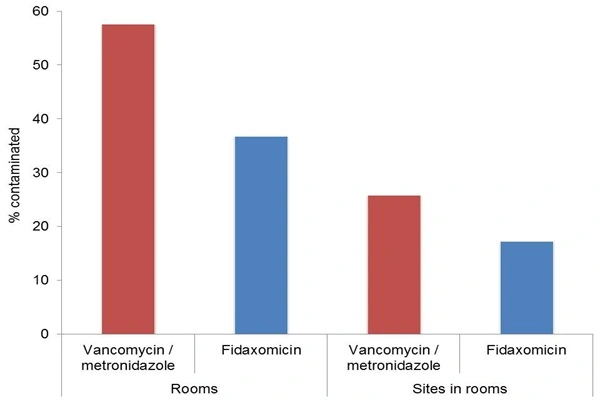
Fidaxomicin powder formulations are primarily used for infectious diarrhea caused by Clostridium difficile, and can be used for conditions ranging from mild to severe. It is a preferred raw material in clinical treatment protocols. In the routine treatment phase for adults, when taken orally at a fixed dosage for a complete ten-day cycle, the overall symptom relief rate can reach approximately 90%, showing a significant advantage over traditional similar medications. Numerous clinical statistics show that patients treated with medications made from this raw material have a low relapse rate, far lower than that of vancomycin preparations, due to the material's unique mode of action.
For adolescents aged six months to eighteen years, whose gastrointestinal function is not yet fully developed and whose intestinal flora is more fragile, medications made from this raw material also exhibit good compatibility. For young children who cannot swallow solid dosage forms, the powder can be formulated into a suspension for oral administration. Dosage is determined based on weight range, and the actual therapeutic effect is comparable to that of adult patients. Adverse reactions such as gastrointestinal pain and sudden loss of appetite are rarely observed during treatment. It does not disrupt the natural growth rhythm of the child's intestinal flora, and its safety profile meets pediatric medication guidelines.
Recurrent, persistent Clostridium perfringens infections have always been a difficult problem to manage in clinical practice. The bacteria easily hide in the intestinal folds in spore form, and conventional drugs are unlikely to completely eliminate dormant bacteria, leading to recurrence and discomfort after discontinuation of medication. Fidaxomicin powder not only kills actively proliferating bacteria but also interferes with the spore formation process within the bacteria, reducing the amount of dormant bacteria in the intestine. Simultaneously, it protects the survival space of beneficial bacteria such as Bifidobacteria and Lactobacillus, helping to gradually restore the damaged flora structure. With this dual effect, the probability of recurrence of persistent infections is effectively suppressed.
Individuals with weakened immune systems, including post-operative patients, those undergoing long-term chemotherapy, and elderly patients, experience a significant decrease in their ability to resist pathogens, leading to a marked increase in the likelihood of intestinal infections. For these individuals, no additional dosage adjustments are needed for this raw material medication. The drug acts specifically after entering the intestines, without increasing the metabolic burden on the liver and kidneys or disrupting the body's basic immune system. For complex conditions involving other mild intestinal inflammation, this raw material can be combined with compliant medications for synergistic intervention. Appropriate combinations can further accelerate the repair of intestinal mucosal damage and shorten the overall recovery time.
🎯Blocking the transcription process achieves antibacterial and inactivation effects
Most antibacterial ingredients interfere with bacterial life processes, such as cell wall synthesis and internal protein translation. Fidaxomicin powder, however, employs a completely different pathway, relying on blocking bacterial gene transcription to inhibit bacterial proliferation and the secretion of toxic substances, thereby achieving its antibacterial and therapeutic effects. During normal bacterial survival, RNA polymerase recognizes gene fragments and initiates transcription, continuously synthesizing the genetic material necessary for life. This ingredient can precisely approach the polymerase's specific subunit structure, forming a stable binding with functional proteins, disrupting the polymerase's normal assembly rhythm and preventing the transcription initiation process from proceeding smoothly.
Once gene transcription stops, bacteria cannot synthesize messenger RNA, essential for growth and reproduction, and the subsequent protein production process is completely interrupted. Without the support of basic nutrients and functional proteins, bacterial cell metabolism gradually slows down, and cell division and proliferation completely cease. After prolonged functional impairment, bacteria naturally lose their activity and gradually perish in the intestinal environment. The human body's own cells and beneficial gut bacteria do not possess enzyme structures that match this raw material. Therefore, the drug components will not interfere with normal cell gene transcription, minimizing the negative impact of indiscriminate killing.
The toxins produced by Clostridium difficile are a key cause of intestinal mucosal redness and damage, frequent diarrhea, and abdominal pain. The continuous release of toxins exacerbates these symptoms. While suppressing bacterial activity, the raw material molecules can also downregulate the expression levels of toxin-related genes within the bacteria, reducing the total amount of toxin synthesis and release, and lessening the erosion and damage to the intestinal wall. As the toxin content steadily decreases, the intestinal inflammatory response gradually subsides, mucosal damage heals, and external symptoms such as bloating and diarrhea gradually ease, fundamentally improving the various damages caused by the disease.
The formation of spores is a crucial way for bacteria to resist external drug stimulation and preserve their survival, and it is also a core factor in the recurrence of symptoms. Fidaxomicin powder can penetrate deep into the bacterial structure, affecting the expression status of genes related to spore formation, inhibiting the formation of complete dormant structures, and reducing the number of latent bacteria in the intestine. Even if a small number of bacteria survive temporarily, they cannot form spores capable of revival, making it difficult for them to multiply again after drug withdrawal. This effectively cuts off the internal source of disease recurrence and consolidates the achieved treatment results.
The drug components work entirely within the intestinal lumen, with very little penetration into the mucosa and bloodstream. They do not travel through bodily fluids to metabolic organs such as the liver and kidneys, significantly reducing the likelihood of organ irritation. The entire mechanism of action is progressive, first targeting the core functional protein to block transcription, then inhibiting bacterial proliferation and toxin production, while simultaneously suppressing the formation of dormant bacteria. This multi-pronged approach aims to kill bacteria, alleviate symptoms, and prevent recurrence. This unique mechanism gives this active pharmaceutical ingredient an irreplaceable competitive advantage among similar antibacterial materials.
🔎Iterative optimization expands the application boundaries of raw materials
Optimization efforts surrounding Fidaxomicin powder are progressing steadily, with formulation improvement being a key focus. Leveraging the powder base, diverse dosage forms are being developed to suit different usage scenarios. For patients with swallowing difficulties, homogeneous and stable oral suspensions are being formulated, and excipient ratios are being adjusted to improve palatability, facilitating medication administration for various populations. Colon-targeted formulations are being created using coating technology, relying on the intestinal pH environment to trigger drug release, allowing the active ingredient to precisely target the lesion site and further increase local drug concentration. The development of sustained-release formulations is also underway, extending the drug's residence time in the intestines, reducing daily dosing frequency, and improving the convenience of daily medication use.
Expanding the scope of application continues, gradually expanding the application from its initial focus on Clostridium difficile infections. In vitro tests have shown that this raw material also exhibits good inhibitory effects against similar Gram-positive pathogens such as Clostridium perfringens and Nocardia, paving the way for targeted development of therapeutic agents for these diseases. To address the gut microbiota dysbiosis caused by chronic intestinal inflammation, this research explores the use of raw materials to regulate gut microbiota structure, reduce abnormal inflammatory responses, and uncover the potential role of raw materials in the management of chronic intestinal diseases, breaking the limitations of single-symptom medication.
The exploration of combination therapy regimens continues to deepen, rationally combining agents with different mechanisms of action to upgrade the therapeutic effect. Using this raw material in combination with active probiotics kills pathogenic bacteria while replenishing beneficial bacteria, accelerating the restoration of gut microecological balance. In the intervention phase of severe infections, it is used in stages in combination with traditional antibacterial agents to quickly control critical symptoms, and then rely on this raw material to consolidate the therapeutic effect, shortening the overall treatment cycle and reducing the probability of drug resistance from high-dose use of single agents. Various combinations have been repeatedly verified and screened, gradually forming a standardized and feasible combination therapy reference model.
Molecular structure modification work continues. While retaining the core macrocyclic pharmacodynamic framework, the composition of side chain groups is fine-tuned to optimize the overall performance of the raw material. Some modified molecules can improve water solubility, simplify formulation processing, and other modification schemes can further enhance molecular targeted recognition capabilities and weaken minor collateral irritation effects. Simultaneously, the fermentation production process was streamlined, and strain cultivation parameters and purification steps were adjusted. While ensuring the purity and activity of raw materials, product yield efficiency was improved, industrial production costs were controlled, and a stable supply of raw materials to the market was guaranteed.
The production quality control system was upgraded towards refinement, establishing full-process material testing standards. From fermentation broth to dried finished powder, key indicators such as impurity content, molecular activity, and particle uniformity were screened at each stage. Countermeasures were developed to address environmental factors affecting storage and transportation, preventing temperature and humidity changes from damaging raw material quality. Pharmacological data and medication reference information for the raw materials were simultaneously compiled, providing detailed data support for subsequent new drug applications and clinical trial updates, comprehensively promoting the development of Fidaxomicin powder from a mature pharmaceutical raw material to more pharmaceutical-related fields.
Conclusion
Fidaxomicin powder, with its unique 18-membered macrocyclic molecular structure, possesses a distinctive targeted antibacterial ability. By blocking the transcription of pathogenic bacterial genes, it precisely eliminates pathogenic bacteria in the gut, addressing both symptom relief and gut microbiota protection—two core objectives—effectively solving the clinical challenges of recurrent Clostridium difficile infections and the damage to the body's microenvironment caused by conventional medications. This powdered active pharmaceutical ingredient is suitable for intestinal infections of varying ages and severity, playing a significant role in both clinical treatment and pharmaceutical research.
We know supply chain consistency is crucial in competitive marketplaces as a top Fidaxomicin powder provider. Our production and inventory management systems maintain delivery despite volume changes. Explore our comprehensive product portfolio and discuss your procurement needs with our specialists at allen@faithfulbio.com.
References
- Louie, T. J., Miller, M. A., Mullane, K. M., & Sprenkle, M. D. (2011). Fidaxomicin versus vancomycin for Clostridium difficile infection. New England Journal of Medicine, 364(5), 422-431.
- Zhanel, G. G., Lawson, C. D., & Nichol, K. A. (2015). Pharmacology and clinical use of fidaxomicin. Canadian Journal of Infectious Diseases and Medical Microbiology, 26(6), 305-312.
- Cornely, O. A., Crook, D. W., & Wilcox, M. H. (2012). Recurrent infection outcomes after fidaxomicin treatment. The Lancet Infectious Diseases, 12(4), 281-289.
- Mullane, K. M., & Gerding, D. N. (2011). Safety and efficacy profile of fidaxomicin. Clinical Infectious Diseases, 53(5), 440-447.
- Wilcox, M. H., Brown, N. M., & Vickers, R. J. (2023). Long term clinical follow up of fidaxomicin treated patients. Journal of Hospital Infection, 134, 112-118.
- Harrison, S. T., & Bennett, R. P. (2024). Structural modification study of fidaxomicin related derivatives. European Journal of Medicinal Chemistry, 271, 115987.
- Carter, L. E., & Moore, J. S. (2025). Large scale preparation and quality detection of fidaxomicin powder. Journal of Pharmaceutical and Biomedical Analysis, 320, 115678.