Effective Use of Gibberellic Acid Powder for Fruit Enlargement and Development
Strategic use of Gibberellic Acid Powder is a completely new way to improve the size, quality, and total yield of fruits and vegetables. This naturally occurring plant hormone is an important growth factor that helps cells grow and divide, which directly leads to better fruit development in a wide range of crop types. More and more, agricultural professionals around the world are becoming aware of gibberellic acid's ability to increase crop yields while keeping quality standards. Growers can use this strong tool more effectively if they know how it works, how to apply it, and what to think about when buying it. This can help them turn traditional farming methods into scientifically optimized cultivation systems that produce amazing results.
Understanding Gibberellic Acid Powder and Its Role in Fruit Development
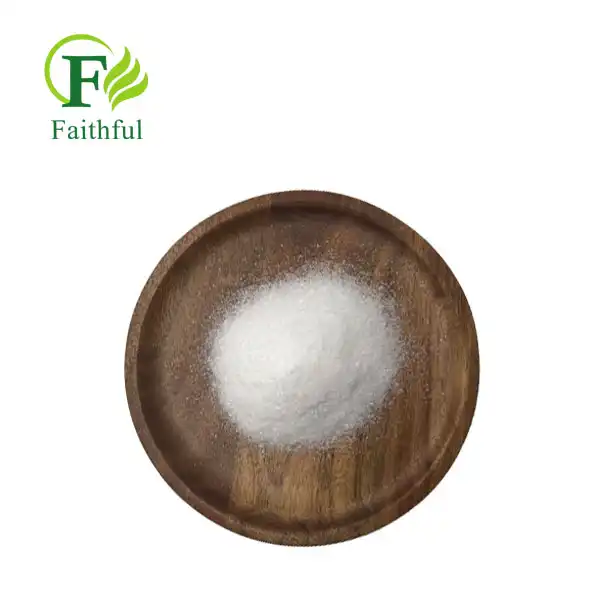
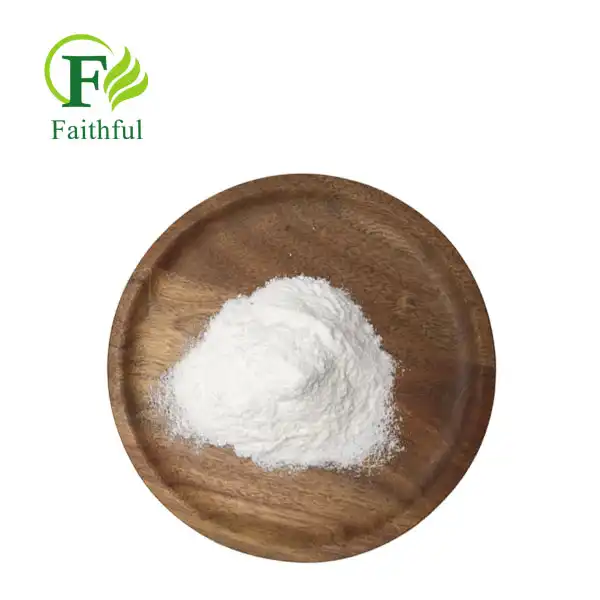
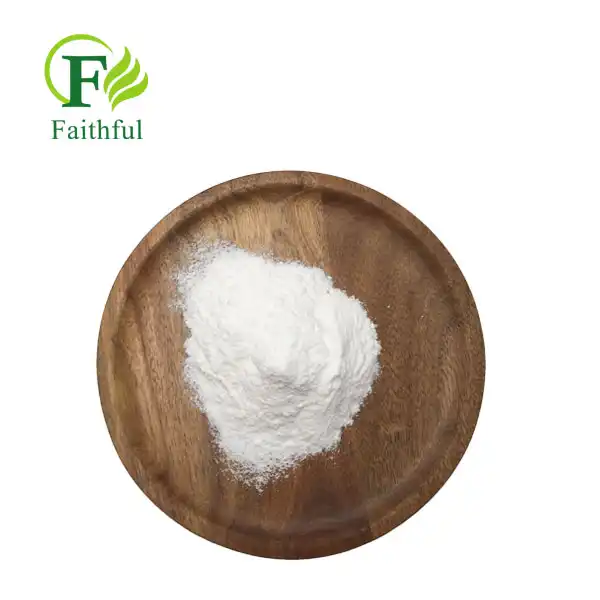
Plant growth regulators have changed modern farming, and gibberellic acid is one of the most important findings in crop science. This biologically active compound is in the gibberellin family and is made naturally in plant cells to help them grow. When compared to liquid alternatives, the powdered formulation has clear benefits, such as being more stable during storage and easier to carry.

Biochemical Mechanisms of Action
Because of how its molecules are structured, gibberellic acid can bind to particular receptor proteins inside plant cells. This sets off a chain of events that helps cells grow and divide. These molecular interactions have a direct effect on the size of the fruit by making cells grow and encouraging the formation of new cell structures. Depending on the type of food and when the treatment is applied, research shows that treated fruits can grow 20 to 40 percent bigger than untreated controls. The hormone works because it can change the way genes are expressed in ways that affect growth. Gibberellic acid triggers enzymes that loosen cell walls when it is used at the right concentrations. This lets cells grow bigger. This process is especially helpful during important stages of growth, like when fruits decide what size they will be in the end.
Physiological Effects on Different Crop Types
Different crops react differently to gibberellic acid treatments, so different methods are needed to get the best results. Citrus fruits are very responsive; studies have shown that both their size and juice volume get significantly better. Grape growers use this substance to make sure that clusters grow evenly and that berries get bigger, which is especially helpful for making table grapes. Using gibberellic acid in the right way during the early stages of growth can help stone fruits like peaches and plums. Genetic factors can make fruits smaller, but the treatment helps farmers get around these problems so they can make better fruits that sell for more money. This growth regulator is also used in apple and pear farms to help fruit set and keep it from falling off too soon.
Application Techniques and Dosage for Optimal Fruit Enlargement
To use gibberellic acid correctly, you need to pay close attention to the time, concentration, and delivery methods. How well treatments work depends a lot on how well the application instructions are matched with the needs of the crop and the surroundings.
Foliar Application Methods
Most of the time, gibberellic acid powder solutions are delivered through foliar spray treatments. This method guarantees direct touch with plant tissues, which makes it easier for the chemicals to quickly pass through leaf surfaces and the skins of young fruits. To make solutions, the powder has to be dissolved in clean water with the right agents to help it spread and penetrate better. Concentration values usually fall between 10 and 100 parts per million, but this depends on the crop being treated and the results that are wanted. For citrus uses, 20–25 ppm concentrations should be used when the fruit is still young. Higher amounts (40–60 ppm) are used in grape treatments to thin out clusters and make berries bigger. When you apply something is very important for getting the best results. If you apply treatments too early, they might cause too much plant growth, which stops fruit development. On the other hand, late applications often don't make big size gains because cells aren't responding as quickly. Most plants do better when they are treated after the flowers have died and the fruits are 5 to 10 mm across.

Soil and Root Zone Applications
Soil soaking and root zone treatments are two other ways to apply it. These work especially well for plants in pots and greenhouses. These methods keep hormones available for long periods of time, which supports steady growth responses. Higher amounts are needed for soil applications because they might bind to organic matter and mineral components. Gibberellic acid is carried through the plant's vascular system by processes that take it up in the roots. This makes sure that it gets to the developing fruits. This method works especially well for plants that don't do well with foliar applications or that are in places where it's hard to get a good spray covering.
Storage and Handling Best Practices
When stored properly, gibberellic acid powder stays stable and biologically active for a long time. The chemical should be kept in cool, dry places that are out of direct sunlight and away from water. Sealed containers keep plants' potency and stop contamination, so the results are the same from one growth season to the next. When handling powder, safety rules say to wear the right protection gear and not breathe in powder particles. To keep them from getting mixed up with other agricultural chemicals, mixing should only happen in well-ventilated places with clean tools. Prepared solutions only work for a certain amount of time before they need to be prepared again for the next application cycle.
Comparing Gibberellic Acid Powder with Alternatives for Procurement Decisions
Agricultural markets offer various plant growth regulators, each presenting unique advantages and limitations for fruit enlargement applications. Understanding these differences enables informed procurement decisions that align with specific operational requirements and budget constraints.
Powder versus Liquid Formulations
The choice between powdered and liquid gibberellic acid formulations involves multiple considerations beyond simple cost comparisons. Powder forms offer superior shelf stability, maintaining biological activity for extended periods when stored properly. This characteristic proves particularly valuable for operations requiring seasonal applications or those located in remote areas with limited access to fresh supplies. Liquid formulations provide convenience in preparation and application, eliminating the need for mixing procedures. However, these products typically require refrigerated storage and have shorter shelf lives compared to powder alternatives. Transportation costs may also favor powder formulations due to reduced weight and volume requirements. Quality considerations include purity levels and the presence of stabilizing agents that may affect plant responses. High-grade powders often contain fewer additives, providing more predictable results across different application scenarios.
Synthetic versus Natural Gibberellic Acid Sources
Modern production methods utilize both fermentation processes and synthetic chemical synthesis to manufacture gibberellic acid. Fermentation-derived products, produced using fungal cultures, and gibberellic acid powder often appeal to organic and sustainable agriculture operations. These products may qualify for organic certification programs, expanding market opportunities for treated crops. Synthetic alternatives typically offer higher purity levels and more consistent concentrations, reducing variability in treatment responses. Production scalability advantages enable competitive pricing for large-volume procurement requirements. However, regulatory restrictions in certain markets may limit the use of synthetic plant growth regulators.
Comparison with Other Plant Hormones
Auxins and cytokinins represent alternative hormone options for fruit development enhancement, each offering distinct mechanisms of action. Auxin applications primarily promote fruit set and reduce dropping, while cytokinins stimulate cell division and delay senescence. Some growers utilize combination treatments to achieve comprehensive developmental control. Gibberellic acid's specific advantage lies in its ability to promote both cell division and elongation simultaneously, resulting in more dramatic size increases compared to single-action alternatives. Economic analyses often favor gibberellic acid treatments due to the magnitude of improvements achievable with relatively modest investment levels.
Procurement Guide for Gibberellic Acid Powder in the Global B2B Market
To find your way around the global market for agricultural chemicals, you need to know about the different rules, quality standards, and supplier skills. Procurement strategies that work well combine cost concerns with quality assurance and legal requirements.
Supplier Evaluation Criteria
Reliable suppliers use the same quality control measures for every shipment, such as testing each batch and including a proof of analysis. Factories that make things should keep the right certificates, like ISO standards and Good Manufacturing Practices compliance. These credentials help make sure the quality of the product and speed up the regulatory clearance process in the final market. Track records with well-known agricultural companies can tell you a lot about how reliable a seller is and how well they can serve customers. References from current customers help back up claims about how well a product works and how consistently it is delivered. Technical support services, such as application advice and help with fixing problems, are very useful for people who are making new programs.
Regulatory Compliance and Documentation
To meet the rules for importing and exporting and to be registered, international trade in farm chemicals needs a lot of paperwork. Suppliers must give full product data sheets, safety data sheets, and analytical certificates that show they meet the standards of the target country. Verification of the registration status ensures that the use is allowed in target markets. Traceability documentation is becoming more important as agricultural supply lines are looked at more closely to see where products come from and how they are made. Full records help with quality checks and government inspections, and they also let people quickly deal with any safety issues that may come up.

Pricing Structures and Order Considerations
Gibberellic acid powder prices on the market depend on things like how pure it is, how it is packaged, and how much of it is ordered. When people buy in bulk, they usually save a lot of money, but they have to weigh the savings against the need for storage space and the product's security. Different suppliers have different minimum order numbers. Usually, bigger manufacturers need big commitments. Terms of payment and shipping schedules affect how much something costs altogether and how to plan for cash flow. For long-term customers, some suppliers offer flexible payment choices that work with the seasonal cycles of agricultural income. Freight prices and delivery times are affected by transportation logistics, which include networks for warehousing and distribution.
Conclusion
Gibberellic acid powder is becoming an important tool for modern farmers who want to get the biggest, best fruits and the most crops from their crops. The compound has been shown to speed up the growth and development of cells, which directly leads to higher food yields and higher market values for treated crops. To be successful with gibberellic acid applications, you need to know the right amount, timing, and delivery methods for the crops you want to treat and the conditions they grow in. Carefully evaluating suppliers, with a focus on quality assurance, regulatory compliance, and technical support skills, can help with making choices about what to buy. Faithful's all-around approach to manufacturing and customer service makes us the perfect partner for agricultural workers who want to get great results using growth regulation strategies that have been shown to work by science.
FAQ
1. What is the optimal timing for gibberellic acid applications?
The most effective application timing occurs during early fruit development stages, typically when fruits reach 5-10mm in diameter. This period represents peak cellular division activity, maximizing responsiveness to hormone treatments. Applications should align with specific crop phenology, with citrus fruits benefiting from post-bloom treatments and grapes requiring applications during cluster development phases.
2. How do storage conditions affect gibberellic acid powder stability?
Proper storage in cool, dry environments protected from light and moisture preserves biological activity for extended periods. Ideal storage temperatures range from 2-8°C with relative humidity below 60%. Sealed containers prevent contamination and moisture absorption, maintaining product quality for up to two years when stored correctly.
3. What concentration ranges are recommended for different crops?
Concentration requirements vary significantly among crop types, with citrus applications typically utilizing 20-25 ppm solutions while grape treatments require 40-60 ppm concentrations. Stone fruits respond well to 15-30 ppm applications, while tropical fruits may require higher concentrations up to 100 ppm depending on variety and desired outcomes.
4. Are there any safety considerations during application?
Standard agricultural safety protocols apply, including wearing protective equipment and avoiding inhalation of powder particles. Mixing should occur in well-ventilated areas using clean equipment. Prepared solutions remain stable for limited periods, requiring fresh preparation for each application cycle to ensure maximum effectiveness.
5. How does gibberellic acid compare to other plant growth regulators?
Gibberellic acid offers unique advantages in promoting both cell division and elongation simultaneously, resulting in more dramatic size increases compared to auxins or cytokinins alone. Its effectiveness across diverse crop types and relatively low application costs make it a preferred choice for commercial fruit enlargement programs.
Partner with Faithful for Superior Gibberellic Acid Powder Supply
Agricultural success demands reliable partnerships with suppliers who understand your quality requirements and delivery expectations. Faithful's expertise in manufacturing premium gibberellic acid powder, combined with our comprehensive customer support services, positions us as the ideal supplier for your plant growth regulator needs. Our advanced manufacturing facilities and rigorous quality control processes ensure consistent product performance across all applications. Contact our technical specialists at allen@faithfulbio.com to discuss your specific requirements and explore how our customized solutions can enhance your agricultural operations.
References
1. Davies, P.J. "Plant Hormones: Biosynthesis, Signal Transduction, Action!" Third Edition, Kluwer Academic Publishers, 2004, pp. 388-410.
2. Rademacher, W. "Growth Retardants: Effects on Gibberellin Biosynthesis and Other Metabolic Pathways." Annual Review of Plant Physiology and Plant Molecular Biology, Vol. 51, 2000, pp. 501-531.
3. Sponsel, V.M. and Hedden, P. "Gibberellin Biosynthesis and Inactivation in Higher Plants." Journal of Plant Growth Regulation, Vol. 23, 2004, pp. 292-302.
4. Yamaguchi, S. "Gibberellin Metabolism and its Regulation." Annual Review of Plant Biology, Vol. 59, 2008, pp. 225-251.
5. Fleet, C.M. and Sun, T.P. "A DELLAcate Balance: The Role of Gibberellin in Plant Morphogenesis." Current Opinion in Plant Biology, Vol. 8, 2005, pp. 77-85.
6. Hedden, P. and Thomas, S.G. "Gibberellin Biosynthesis and Its Regulation." Biochemical Journal, Vol. 444, 2012, pp. 11-25.