
Is Pepsin Enzyme Powder the core of digestive enzymes for pepsin hydrolysis?
Maintaining digestive function and regulating gastrointestinal homeostasis are important directions in modern formulation development and pharmaceutical raw material application. Protein hydrolysis digestive enzymes, due to their high adaptability and physiological homology, have long occupied a key position in pharmaceutical excipients and active ingredient blends. Pepsin Enzyme Powder is an acidic protease powder refined and extracted from animal gastric mucosa. Relying on its specific hydrolytic activity under strong acid conditions, it directionally breaks down dietary and endogenous macromolecular proteins, reducing the digestive burden on the gastrointestinal tract and maintaining digestive metabolic balance.

The specific spatial folding features of acidic proteases
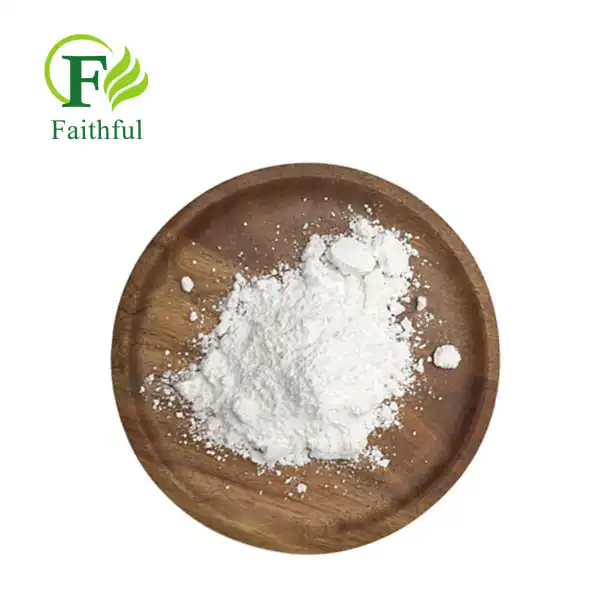
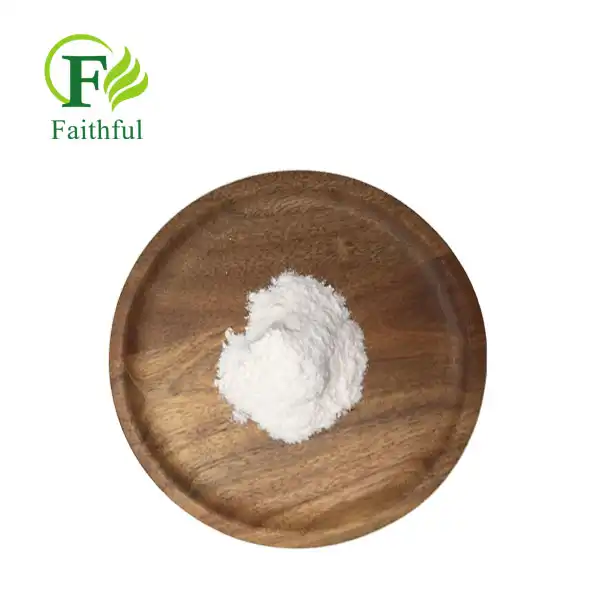
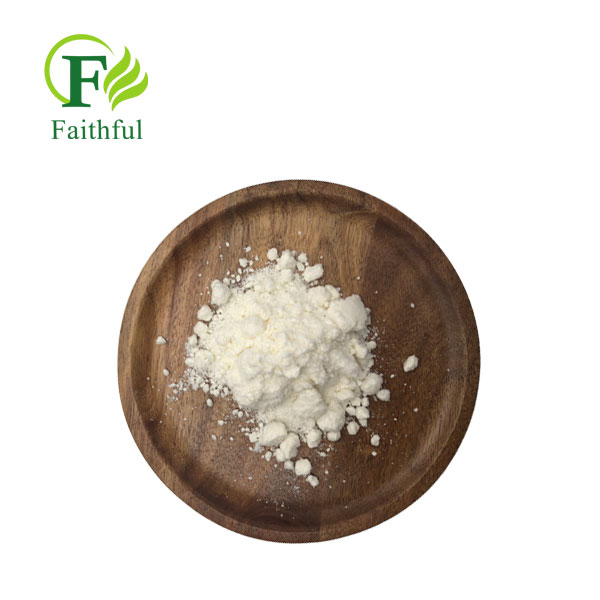
Pepsin Enzyme Powder belongs to the aspartic protease family. It is naturally synthesized in proenzyme form and, upon activation in an acidic environment, forms a mature active conformation. The overall single-chain protein structure is regular and stable, with a standard molecular weight of approximately 35 kDa. The peptide chains form a compact, spherical folded shape through hydrogen bonds and hydrophobic interactions. The raw material is a fine, off-white to light yellow powder with no irritating odor. The pharmaceutical-grade finished product undergoes purification, sterilization, and low-temperature drying, resulting in extremely low levels of impurities and pyrogens, meeting pharmacopoeia control requirements. This enzyme is naturally adapted to strongly acidic environments. Within the gastric juice pH range of 1.0–3.5, its molecular folded structure remains intact and stable, without denaturation or loosening, which is its core structural advantage distinguishing it from neutral and alkaline proteases.
The active center is composed of specific aspartic residues. These two key sites work synergistically to form a groove structure suitable for embedding in large proteins, precisely recognizing protein peptide bond sequences and providing a structural basis for targeted hydrolysis. The complete peptide chain is compactly arranged, with polar and hydrophobic amino acids distributed in distinct zones. This ensures both good dispersibility in acidic aqueous solutions and the ability to bind and adsorb close to the surface of food proteins, enhancing hydrolysis efficiency. Unactivated pepsinogen molecules carry additional peptide segments, allowing them to remain dormant in a neutral environment, preventing indiscriminate hydrolysis of the body's own tissue proteins and forming a natural safety protection mechanism at the structural level.
In industrial refining, low-temperature concentration and gentle drying processes are employed to maximize the preservation of the protein's natural folding conformation, avoiding damage to the active site and enzyme activity degradation caused by high temperatures. Batch-produced Pepsin Enzyme Powder exhibits consistent enzyme activity across batches, with stable activity indicators for standard pharmaceutical grades. It demonstrates excellent solubility and dispersibility, allowing for direct and uniform mixing with various acidic formulation excipients, and is suitable for various production processes, including solid and liquid formulations. The absence of complex disulfide bond cross-links within the molecule provides moderate structural flexibility, enabling it to maintain its functional conformation even in the dynamic acid-base fluctuations of the stomach, ensuring continuous digestion.
As a natural enzyme raw material extracted from animals, its amino acid sequence is highly homologous to human endogenous pepsin, exhibiting excellent biocompatibility. It does not trigger rejection or excessive reactions after entering the digestive tract, and shows excellent long-term tolerance when used in combination. Compared to microbially synthesized proteases, the spatial conformation of naturally extracted pepsin is more closely aligned with human digestive physiology, resulting in higher substrate binding efficiency, gentler action, and stronger targeting, with minimal gastrointestinal irritation caused by excessive hydrolysis.
The stable microstructure of this enzyme raw material determines its advantages in storage and application. Under sealed, cool, and light-protected conditions, its enzyme activity retention period is long, and it is not easily subject to spontaneous degradation and inactivation. It can meet the needs of pharmaceutical companies for routine inventory turnover and large-scale continuous production, making it a classic category of digestive pharmaceutical raw materials with stable structure and outstanding cost-effectiveness.
Regulation of protein hydrolysis and digestive homeostasis under acidic conditions
The core operating logic of Pepsin Enzyme Powder relies on the highly acidic physiological environment of the stomach for activation. Through specific peptide bond hydrolysis, it breaks down the structure of large protein molecules, streamlining the digestive tract's metabolic rhythm and gradually improving metabolic imbalances caused by insufficient digestive motility. This enzyme does not interfere with the normal breakdown of carbohydrates and lipids; it targets only protein substrates, with a clear and specific action pathway, effectively alleviating various discomforts caused by protein digestion disorders.
Under acidic conditions mediated by gastric acid, dormant zymogens rapidly cleave redundant peptides, converting them into highly active mature pepsin, which immediately binds to large molecular weight globulins, fibrin, and other substrates in the stomach. By breaking the peptide bonds between aromatic and hydrophobic amino acids, it breaks down intact large protein molecules into smaller polypeptides and oligopeptides, significantly reducing the physiological stress on subsequent intestinal digestion and absorption, shortening protein metabolism time, and improving overall nutrient conversion efficiency.

For individuals with weak gastrointestinal function and insufficient digestive enzyme secretion, exogenous supplementation with Pepsin Enzyme Powder can directly replenish the deficiency of acidic digestive enzymes, maintaining the dynamic balance of protein breakdown in the stomach. With age, mucosal damage, or medication effects, the synthesis of endogenous pepsin continues to decline. Large, undigested protein molecules easily remain in the gastrointestinal tract and ferment, causing symptoms such as bloating and indigestion. This ingredient can effectively compensate for functional deficiencies and gently restore digestive rhythms.
Simultaneously, this enzyme can help regulate the metabolic rhythm of the gastric microenvironment, reducing the formation of harmful metabolites caused by the accumulation of incompletely digested proteins, alleviating the chronic metabolic burden on the gastric mucosa, and indirectly maintaining the integrity of the digestive tract barrier. Reasonable protein breakdown and metabolism can reduce abnormal fluctuations in the osmotic pressure of gastrointestinal contents, reducing the risk of mucosal edema and digestive disorders. Through gentle metabolic regulation, it stabilizes gastrointestinal physiological function, meeting the long-term conditioning needs of individuals with chronic digestive weakness.
The entire process is gentle and controllable. The enzyme activity naturally adjusts with the ambient pH, and its activity automatically decreases after entering the neutral intestinal environment. It does not continuously act on normal intestinal tissue proteins, and its action boundary is clear and safe. This environmentally dependent activity change pattern allows pepsin to exert its effects only in the stomach, without disrupting the balance of the downstream digestive system throughout the process. It balances conditioning effects with physiological safety, perfectly meeting the application standards for mild and compatible pharmaceutical raw materials.
Application of food digestion and immunoassay reagents
The most mature and well-supported applications of Pepsin Enzyme Powder are in the food industry and digestive biology research, as well as the production of diagnostic reagents.
- First, in food processing, Pepsin Enzyme Powder is used as a protein hydrolase to improve the nutritional and functional properties of products. In the hydrolysis of porcine plasma proteins, pepsin works synergistically with deamidases to remove amide groups, improving their processing adaptability. Pepsin Enzyme Powder is also used in the production of hypoallergenic infant formula by partially hydrolyzing allergenic epitopes in milk proteins, reducing their immunogenicity. Furthermore, it is used for protein modification during beer clarification and cheese ripening.
- Second, in in vitro simulated digestion models, Pepsin Enzyme Powder is a globally recognized standard enzyme for "gastric digestion" in laboratories. According to the experimental protocol published by Sigma-Aldrich, pepsin is dissolved in hydrochloric acid or 0.1 M glycine-hydrochloric acid buffer at pH 1.0-2.0, and the food sample to be digested is added. The mixture is incubated in a 37°C water bath for 1-4 hours, and then the pH is adjusted to 7.0 with sodium bicarbonate or sodium hydroxide to terminate the reaction. This simulation system is widely used to assess food bioavailability, degrade pesticide residues, and study bioactive peptides released during digestion.
- Thirdly, in diagnostic reagent production, Pepsin Enzyme Powder is one of the core enzymes in fecal occult blood immunochemical detection kits. Pepsin is used to lyse hemoglobin in fecal samples, exposing hidden antigenic epitopes for capture and detection by specific antibodies. This technology has significant value in colorectal cancer screening. Furthermore, Pepsin Enzyme Powder is also used to digest antigens in formalin-fixed, paraffin-embedded tissue sections, exposing epitopes by hydrolyzing cross-linked proteins, enhancing the signal of immunohistochemical staining, and assisting pathologists in differential diagnosis.
- Fourth, in proteomics research, the combination of Pepsin Enzyme Powder and trypsin can improve protein sequence coverage and digestion efficiency. In fact, traditional trypsin only cleaves at lysine and arginine, potentially ignoring certain domains. Introducing pepsin before trypsin digestion yields more overlapping peptides, aiding in the sequencing of complex proteins and the identification of post-translational modification sites. A 2025 study developed a microwave-assisted enzyme digestion technology that reduces pepsin digestion time from the traditional overnight process to 4 minutes, while simultaneously producing bioactive peptides with antibacterial, antioxidant, and antidiabetic activities.
- Fifth, the quality standards for pepsin raw materials and preparations listed in the Chinese Pharmacopoeia are the basis for the compliant application of this active pharmaceutical ingredient in China. Pepsin Enzyme Powder provided by Yaxin Bio meets the pharmacopoeia standards, with a potency ≥12000 units/g, and is used for protein digestion and casein hydrolysis in vaccine production. Under GMP production conditions, the fermentation and purification processes of pepsin must ensure that the endotoxin and host protein residues in the final product are below the pharmacopoeia limits to guarantee its safety in biopharmaceutical applications.
Enzyme activation modification and targeted formulation
Purification processes continue to be upgraded to be greener, with novel bio-separation and membrane filtration technologies gradually replacing traditional processes. This effectively removes impurities such as proteins, viral agents, and residual organic solvents, further improving the purity and safety of raw materials and meeting the stringent requirements of high-end sterile formulations and pediatric digestive drugs. The implementation of refined graded processing allows products with different enzyme activity specifications to precisely meet different formulation needs, achieving customized raw material supply.
Enzyme molecule modification and stability improvement have become important directions. Through mild modification methods such as slight cross-linking and carrier adsorption, the tolerance of pepsin to acid-base fluctuations is enhanced, activity decay during storage is slowed, and the shelf life of formulations is extended. Modified raw materials can adapt to a wider range of formulation environments, reducing acid-base limitations and expanding the research and development space for compound formulations.

Breakthroughs continue in the development of sustained-release and targeted-release formulations. Utilizing technologies such as enteric coating and microencapsulation, targeted release of digestive enzymes is achieved, avoiding acid-base losses during preparation and storage. This ensures that the active ingredients are activated and take effect only after reaching the stomach, improving raw material utilization and the precision of action. Novel compound enzyme synergistic formulations are continuously iterated, combining plant-derived digestive enzymes and stomach-nourishing active ingredients to create multi-target gastrointestinal repair preparations, expanding the scope of indications.
Application areas are gradually expanding, from traditional digestive conditioning to special medical food raw materials, pet medical digestive preparations, and biochemical research reagents, leveraging mature enzymatic properties and safety data to achieve compliant cross-domain applications. Simultaneously, industry-wide unified quality control standards are continuously improved, establishing an integrated system for enzyme activity detection, microbial limits, and exogenous risk substance control, promoting the standardized and high-quality development of the Pepsin Enzyme Powder industry.
Conclusion
Pepsin Enzyme Powder, with its unique molecular structure of natural acidic protease, targeted and gentle protein hydrolysis mechanism, and broad formulation compatibility, has become an irreplaceable classic pharmaceutical raw material in the field of digestion and metabolism. It precisely complements the body's acidic digestive function, regulates the rhythm of protein breakdown and metabolism in the stomach, and balances efficacy, safety, and compatibility flexibility, playing a long-term and stable role in digestive drugs, medical nutritional preparations, and biochemical processing excipients.
Xi'an Faithful BioTech Co., Ltd. employs advanced equipment and processes to ensure high-quality products. Our high-quality Pepsin Enzyme Powder raw materials meet international pharmaceutical standards. Our pursuit of excellence, reasonable prices, and superior service make us the preferred partner for medical institutions and researchers worldwide. If you require research or production of Pepsin Enzyme Powder, please contact our technical team at allen@faithfulbio.com.