
Flurbiprofen API powder: How can an outdated drug navigate chirality, anti-inflammatory, and future formulations in the molecular world?
In the long struggle between humans and pain and inflammation, nonsteroidal anti-inflammatory drugs (NSAIDs) have always played the role of the "regular army". In this vast family, Flurbiprofen occupies an irreplaceable place with its unique molecular structure and significant efficacy. For professionals in the pharmaceutical industry, Flurbiprofen API powder is not just a white or off white crystalline powder, but also an active pharmaceutical ingredient (API) with enormous potential for formulation development.
As a typical representative of 3-Phenylpropionic acids, Flurbiprofen exhibits fascinating complexity in chemistry - it has a chiral center and exists with distinct R-type and S-type enantiomers. In pharmacology, it blocks the synthesis of Prostaglandin E2 by inhibiting cyclooxygenase (COX), thereby precisely regulating the inflammatory response in the human body. From long-term management of rheumatoid arthritis to prevention of pupil dilation during ophthalmic surgery, to emergency analgesia after sports injuries, Flurbiprofen's application scope spans multiple departments.
However, this' veteran 'is not perfect either. Its non selective inhibitory effect often leads to gastrointestinal discomfort and other side effects, which has prompted generations of pharmacists and chemists to improve it. This article will delve into the mysteries of Flurbiprofen API powder from four dimensions: molecular structure, pharmacological applications, mechanisms of action, and cutting-edge scientific research. It will also explore how to use modern formulation technology to rejuvenate this veteran.
1、 Molecular Structure: Precise Layout of a Fluorine Atom and a Pair of 'Mirror Brothers'
To understand why Flurbiprofen appears so unique within the NSAID family, we must first turn our attention to the microscopic world represented by its chemical formula C15H13FO2. The subtlety of this molecular structure lies in the introduction of a fluorine atom and the presence of a pair of "mirror brothers", which directly determine its physical properties, pharmacological activity, and even toxicity characteristics.
Core skeleton and "stroke of genius"
The chemical name for Flurbiprofen is 2- (2-fluoro-4-biphenyl) propionic acid. Structurally, it can be simplified into three key components: a biphenyl structure, a propionic acid side chain, and a special fluorine atom. The biphenyl structure provides the hydrophobicity and rigidity of the molecule, enabling it to accurately embed into the hydrophobic channels of COX enzymes. The carboxyl group on the propionic acid side chain is the key to the ionic bond binding with the arginine residue in the enzyme active site, which is the "lever" for its inhibitory effect.
However, the most striking feature is the fluorine atom located at the 2-position of the biphenyl ring. In medicinal chemistry, the introduction of fluorine atoms is a classic "bioelectronic rearrangement" substitution strategy. The radius of fluorine atoms is similar to that of hydrogen atoms and does not produce steric hindrance; But its electronegativity is extremely strong, which can significantly change the electron cloud distribution and lipid solubility of the entire molecule. For Flurbiprofen, this fluorine atom not only enhances the metabolic stability of the molecule (making it less susceptible to liver oxidative degradation), but also improves its selective binding ability to COX enzymes. It is precisely because of this "finishing touch" that Flurbiprofen has become one of the most active propionic acid nonsteroidal anti-inflammatory drugs currently known. In the product information of Merck Life Sciences, it is clearly labeled as a cyclooxygenase (COX) inhibitor with biochemical/physiological effects and a solubility of methanol: 50 mg/mL.
The 'mirror brothers' in the chiral world
The most dramatic scene in the Flurbiprofen structure comes from the chiral carbon atom attached to the carboxyl group on its propionic acid side chain. This carbon atom connects four different functional groups, resulting in two enantiomers of Flurbiprofen: R-Flurbiprofen and S-Flurbiprofen. They are like the left and right hands of a person, mirror images of each other, but cannot completely overlap.
In the Flurbiprofen API powder obtained through chemical synthesis, we usually obtain the racemic form, which is a mixture of two enantiomers each accounting for half. But in living organisms, the fate and abilities of these two 'mirror brothers' are vastly different. According to the data from the European Bioinformatics Institute (ChEBI), S-Flurbiprofen (also known as Esflurbiprofen) is the main active ingredient, which can efficiently inhibit COX enzymes and block prostaglandin synthesis, making it a well deserved "anti-inflammatory and analgesic expert".
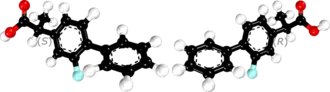
However, R-Flurbiprofen appears quite mysterious. For a long time, it has been considered to have low activity in vivo and even regarded as a useless' isomer burden '. However, recent studies have found that although R-type has weak ability to inhibit prostaglandins in the body, it may play a unique analgesic role in the nervous system and will not cause gastrointestinal damage. What's even more amazing is that there is a substance called "isomerase" in living organisms that can convert some R-forms into S-forms. This chiral reversal phenomenon makes R-Flurbiprofen a precursor drug. The phenomenon of different configurations of the same molecule having completely different pharmacological activities can be regarded as a classic in medicinal chemistry.
Process Guidelines for Physical and Chemical Properties
For pharmaceutical engineers, the physical parameters of Flurbiprofen API powder are the "instructions" for the formulation process. Its melting point is between 110-112 ° C, which makes it operable in formulation processes such as hot melt extrusion. It is almost insoluble in water, which is both a challenge and an opportunity - low water solubility leads to slower oral absorption, but at the same time makes it suitable for development into sustained-release formulations or topical patches. It is this "combination of rigidity and flexibility" molecular structure that gives Flurbiprofen a solid foundation to move from the laboratory to the pharmacy shelves.
2、 Usage: From deep joints to the surface of the eyeball, and then to the forefront of the battlefield
Flurbiprofen API powder itself is not a terminal product for direct medication, but it is the cornerstone for building various dosage forms. Based on this raw material, the pharmaceutical industry has developed a wide range of formulations that extend their therapeutic reach to every corner of the human body, covering a wide range of fields from chronic disease management to acute symptom control.
The 'firefighter' of the musculoskeletal system
The most traditional and widespread application of Flurbiprofen is in the treatment of rheumatoid arthritis, osteoarthritis, and ankylosing spondylitis. In these autoimmune or degenerative diseases, the inflammatory cytokine storm at the joint synovium of patients is like a raging fire, causing joint redness, swelling, heat pain, and even loss of function. Flurbiprofen enters the body through oral formulations (such as sustained-release tablets, regular tablets) and quickly rushes to the "fire scene", effectively extinguishing inflammation, relieving pain, and improving joint mobility.
In the UK, Flurbiprofen 100mg tablets are clearly approved for the treatment of rheumatoid arthritis, osteoarthritis, as well as musculoskeletal injuries and trauma such as periarthritis, shoulder periarthritis, bursitis, tendinitis, etc. For patients in the acute phase, doctors can even increase the daily dose to 300mg to achieve rapid symptom control. In addition, Flurbiprofen can also exert a strong analgesic effect on acute mild to moderate pain such as toothache, postoperative pain, dysmenorrhea, and migraine.
The 'Guardian Behind Ophthalmic Surgery'
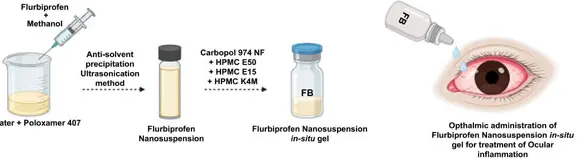
In the field of ophthalmology, Flurbiprofen has an impressive role as an inhibitor of pupil dilation. The last thing doctors want to see during intraocular surgeries such as cataract or laser trabeculoplasty is sudden pupil constriction (small pupil during surgery), which greatly increases the risk of surgery and may even lead to complications.
At this point, Flurbiprofen eye drops became a key player. Eye tissue releases prostaglandins when stimulated by surgical trauma, which can cause contraction of the pupillary sphincter and lead to pupil constriction. Flurbiprofen precisely inhibits the synthesis of prostaglandins in the eye through local eye drops, thereby stabilizing pupil size and providing surgeons with a clear and stable operating field of view. The data from the Chinese Medical Information Query Platform also confirms this point, clearly stating that Flurbiprofen eye drops are used to inhibit pupil constriction during intraocular surgery, as well as to treat postoperative inflammation and prevent macular cystic edema.
Transdermal Pioneer in Sports Medicine and Analgesia
For patients who are not convenient for oral administration or are concerned about gastrointestinal side effects, topical preparations provide an excellent alternative solution. Flurbiprofen cataplasm and gel plaster are widely welcomed in clinical practice. These formulations are directly applied to painful areas such as the knee, shoulder, or waist, and the medication acts directly on deep soft tissues such as tendons, tendon sheaths, and muscles through transdermal absorption, effectively relieving swelling and pain caused by osteoarthritis, shoulder periarthritis, tennis elbow, and trauma.
Pharmacokinetic data shows that after applying Flurbiprofen Babu ointment to healthy adults, the drug can form a high concentration locally, while the blood drug concentration is only a fraction of oral administration (about 38.5 ng/mL). This "targeted" distribution significantly reduces the risk of systemic side effects. For patients who are concerned about the "three part poison of medicine", this precise targeting method of drug delivery is undoubtedly a great blessing.
Frontier Applications: Battlefield and Trauma Care
The latest research has even pushed Flurbiprofen into a more complex battlefield - the treatment of infectious burns. A study published in Biomaterials Science in 2026 encapsulated Flurbiprofen and ciprofloxacin together into a nanofiber dressing. In this "core-shell" structured dressing, Flurbiprofen is responsible for regulating the excessive inflammatory response of burn wounds, inhibiting reactive oxygen species (ROS), while antibiotics are responsible for killing bacteria. Experimental results have shown that this dual controlled dressing achieved significant healing effects on the 18th day of treating infectious burns in mice, far superior to the untreated group. This marks the evolution of Flurbiprofen's use from simple pain management to a higher level of tissue regeneration and wound repair.
3、 Working principle: A precise interception that occurs next to the arachidonic acid waterfall
The reason why Flurbiprofen API powder can perform multiple functions such as anti-inflammatory, analgesic, and antipyretic is due to its precise intervention in a core biochemical reaction process in the human body - the arachidonic acid metabolism pathway. Understanding this principle is like obtaining the key to understanding and reading its efficacy and side effect codes.
Intercept the production line of the 'messenger'
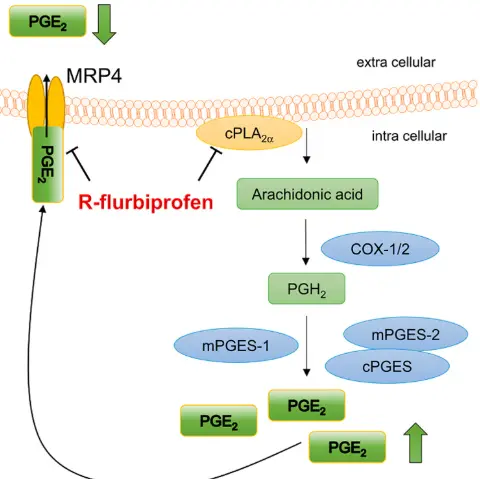
When our body tissues are damaged, infected, or undergo an immune response, phospholipids on the cell membrane release a key substance called arachidonic acid under the action of phospholipase A2. Arachidonic acid itself is harmless, but it is converted into a series of substances with strong biological activity, such as prostaglandins, prostacyclin, and thromboxane, under the catalysis of two key enzymes - cyclooxygenase-1 and COX-2.
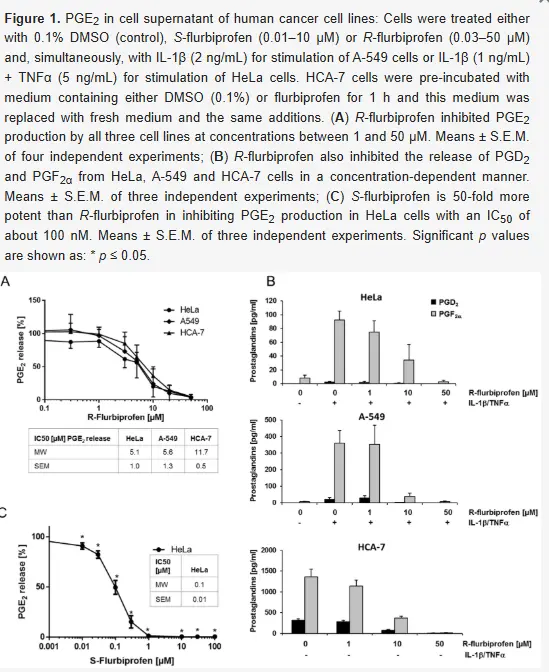
These substances are like "messengers" inside the body. Among them, prostaglandin E2 is the main culprit causing inflammation and pain. It can dilate blood vessels (leading to redness and swelling), enhance vascular permeability, and directly stimulate pain nerve endings (causing pain). It can also act on the hypothalamic thermoregulatory center (causing fever). The task of Flurbiprofen is to intercept the production line of these "messengers" halfway.
As a potent and non selective COX inhibitor, Flurbiprofen's molecular structure can precisely embed into the hydrophobic channels of COX enzymes, interacting with tyrosine and arginine residues at the enzyme's active site, thereby blocking the binding of arachidonic acid to the enzyme. Sigma Aldrich's data clearly states that the mode of action of Flurbiprofen is "enzyme inhibition", which inhibits the key steps of converting arachidonic acid into prostaglandin G2 and prostaglandin H2. Once this production line is shut down, downstream signals of inflammation, pain, and fever will also disappear.
The accidental injury of 'good police' and 'bad police'
However, Flurbiprofen's non selectivity also leads to its main side effects. There are actually two main subtypes of COX enzymes: COX-1 and COX-2.
COX-1 can be seen as the "good police" or "steward" in the body. It is stably expressed in the vast majority of normal tissues, especially gastric mucosa, kidneys, and platelets, responsible for synthesizing prostaglandins that protect the gastric mucosa, prostaglandins that maintain renal blood flow, and thromboxane that promotes platelet aggregation. Protecting COX-1 means protecting the stomach wall from erosion by stomach acid.
COX-2, on the other hand, is the "bad police". Under normal circumstances, its expression is extremely low, but it sharply increases under inflammatory stimuli (such as cytokine induction), specifically responsible for synthesizing prostaglandins that cause inflammation and pain.
The ideal anti-inflammatory drug should only inhibit COX-2 while retaining COX-1. But Flurbiprofen is like a shotgun, it has a strong inhibitory effect on both. Although this makes its anti-inflammatory effect exceptionally strong, it also means that while extinguishing the flames of inflammation, it accidentally harms the "good police" who protect the gastric mucosa. That's why long-term oral administration of Flurbiprofen may lead to gastric mucosal damage, erosion, and even bleeding. The black boxed warning section in the drug instructions of eMC in the UK repeatedly mentions gastrointestinal risks and recommends the use of the lowest effective dose and shortest course of treatment.
4、 Latest research direction: Equipping old drugs with new wings - Nanotechnology and intelligent delivery
Although Flurbiprofen has definite therapeutic effects, its non selective side effects and poor solubility, as well as the need to improve its bioavailability, have always been the fortresses that pharmaceutical scientists are trying to overcome. In recent years, with the explosive development of materials science and nanotechnology, research on Flurbiprofen is ushering in a revival of "old drugs for new use". The focus of research is no longer just on the molecule itself, but on how to "package" it, how to guide it accurately to the lesion, and how to minimize the impact on the whole body while maximizing therapeutic effects.
Intelligent Cannon: The Magical Loading of MOF Materials
Metal organic framework materials are a new star in the field of materials science in recent years, with ultra-high specific surface area, adjustable pore size, and good biocompatibility. A study published in BMC Anesthesiology in 2026 loaded Flurbiprofen into ZIF-8 nanoparticles and constructed a new material called FP@ZIF-8 The new drug delivery system.
ZIF-8 is like a tiny 'smart bomb'. It exists stably in neutral environments such as normal blood and tissue, but once it enters the slightly acidic environment of inflammation or tumors, it rapidly degrades and releases drugs. The research results show that the drug loading capacity of this nano formulation is as high as 53%, and in vitro experiments, FP@ZIF-8 Not only can it promote endothelial cell proliferation, but it can also significantly reduce the production of reactive oxygen species in macrophages. In the mouse inflammatory pain model, FP@ZIF-8 Has demonstrated superior analgesic effects compared to free Flurbiprofen. This means that through this' packaging ', we can enable Flurbiprofen to accurately release drugs at the lesion site, improving efficacy while reducing irritation to normal tissues such as the gastrointestinal tract.
Ionic Liquid: The Magic of Penetrating Skin
For topical preparations, how the drug penetrates the skin barrier is crucial. In 2026, a study published in Colloids and Surfaces B: Biointerfaces proposed a clever strategy: combining S-Flurbiprofen with Lidocaine (a local anesthetic) to synthesize a novel ionic liquid.
This ionic liquid breaks the original solid form of the two drugs and appears as a liquid at room temperature, greatly enhancing their lipid solubility. The researchers prepared it as a latex agent. The results of in vitro transdermal experiments showed that the cumulative transdermal volume of this ionic liquid latex agent, S-Flurbiprofen, reached 931.3 ± 68.7 µ g/cm ² within 8 hours, which is 4.5 times that of ordinary formulations. In animal models, the formulation demonstrated a foot swelling inhibition rate of up to 85.9% and an analgesic effect of 94.9%. This "killing two birds with one stone" design not only solves the problem of drug transdermal delivery, but also achieves a synergistic effect of anti-inflammatory and local analgesia.
Conclusion
Looking back at our in-depth exploration of Flurbiprofen API powder, it is not difficult to find that this seemingly simple molecule is actually the result of the collision between nature and human intelligence. From a micro perspective, the precise implantation of fluorine atoms and the presence of chiral carbon atoms in its molecular structure have staged a delicate stereochemical drama, directly determining its pharmacological activity and metabolic fate. From a macro perspective, it blocks the core mechanism of prostaglandin synthesis by inhibiting COX enzymes, making it a key to regulating inflammatory responses. However, at the same time, this key also opens Pandora's box due to non selectivity, bringing the risk of gastrointestinal side effects.
In the field of applications, Flurbiprofen demonstrates its extraordinary "versatility" trait. It can penetrate deep into joints and alleviate long-term pain in patients with rheumatoid arthritis; Can also transform into several drops of eye drops, silently guarding the stability of the pupils during cataract surgery; It can also be made into Babu ointment, becoming a "personal guard" when suffering from sports injuries.
And today, standing at the forefront of pharmaceutical technology, we are delighted to see that Flurbiprofen, this' veteran ', is revitalizing with modern technology. Whether it is the precise release of pH responsive "smart bombs" constructed using MOF materials, the significant enhancement of transdermal absorption through the formation of ionic liquids with lidocaine, or the incorporation of nanofibers into multifunctional dressings for treating infectious burns, these all mark a new stage in the research of Flurbiprofen from simple "utilization" to "design" and "modification". At the same time, personalized medication guidance based on CYP2C9 genotype has built a genetic firewall for patients in terms of safety.
Xi'an Faithful BioTech Co., Ltd. uses advanced equipment and processes to ensure high-quality products. We produce high-quality Flurbiprofen API powder that meet international drug standards. Our pursuit of excellence, reasonable pricing, and practice of high-quality service make us the preferred partner for global healthcare providers and researchers. If you need to conduct scientific research or production of Flurbiprofen API powder , please contact our technical team through the following methods sales1@faithfulbio.com.
Reference
Sigma-Aldrich. (n.d.). Flurbiprofen cyclooxygenase inhibitor. Merck. Retrieved March 12, 2026, from https://www.sigmaaldrich.cn/CN/zh/product/sigma/f8514
Hao, C., et al. (2026). Enhanced transdermal delivery of S-flurbiprofen-lidocaine ionic liquid-loaded emulgel for synergistic anti-inflammation and analgesia. Colloids and Surfaces B: Biointerfaces, *262*, 115537. Advance online publication.
European Bioinformatics Institute. (2017, February 22). *(S)-flurbiprofen (CHEBI:42446)*. ChEBI. https://www.ebi.ac.uk/chebi/CHEBI:42446
electronic Medicines Compendium. (2025, November 11). Flurbiprofen 100mg Tablets. https://www.medicines.org.uk/emc/medicine/19656
National Center for Biotechnology Information. (n.d.). Flurbiprofen response. MedGen. Retrieved March 12, 2026, from https://www.ncbi.xyz/medgen/941175
Sigma-Aldrich. (n.d.). Flurbiprofen A mixture of S(+) and R(-) enantiomers. Merck. Retrieved March 12, 2026, from https://www.sigmaaldrich.cn/CN/zh/product/mm/344079m
SpringerLink. (2026). Flurbiprofen@ZIF-8 nanoformulation with potential for analgesia. BMC Anesthesiology, *26*, 19. https://doi.org/10.1186/s12871-025-03467-3
Kamboj, M., Kaur, J., Rathi, V., Preet, S., Poundarik, A., & Das, B. (2026). A multiphasic core-shell flurbiprofen and ciprofloxacin-loaded nanofibrous dressing cures infected burns via dual control of infection and inflammatory response. Biomaterials Science. Advance online publication. https://doi.org/10.1039/D5BM01645B