

Formulating with Palmitoyl Pentapeptide-4: Stability and Dosage
Formulating with Palmitoyl Pentapeptide-4 demands careful attention to stability parameters and precise dosage optimization to preserve its collagen-boosting activity throughout shelf life. This lipophilic peptide, celebrated for its anti-aging efficacy in cosmetic applications, presents unique challenges in solubility, pH sensitivity, and compatibility with other actives. Understanding these technical considerations allows manufacturers and procurement professionals to develop stable, effective formulations that meet regulatory standards while delivering consistent consumer results in skincare products.
Understanding Palmitoyl Pentapeptide-4 in Skincare Formulations
Chemical Structure and Mechanism
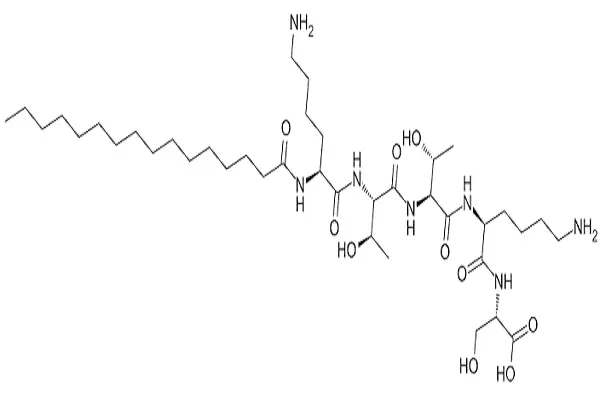
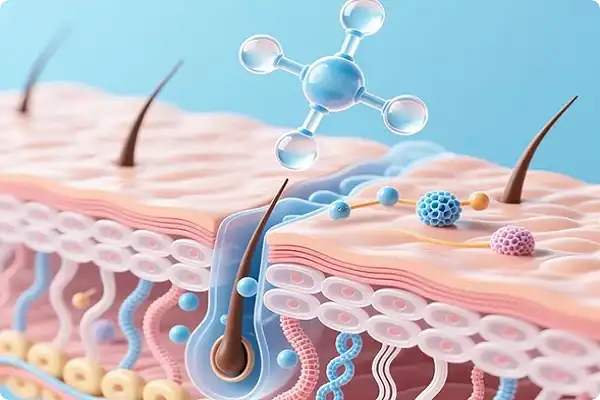
Palmitoyl Pentapeptide-4 is made up of five amino acids connected with palmitic acid. It has lysine and threonine residues and is lipophilic, which means it can go deeper into the skin. This change makes it easier for the molecule to pass through the stratum corneum than it would have been if it hadn't been changed. Once it is taken, it tells cells to make more collagen types I and III, fibronectin, and glycosaminoglycans. These substances work together to make the extracellular matrix stronger. Researchers have found that this peptide works as a matrikine, which means it copies the body's natural repair cues that get weaker as we age. This man-made option to natural peptides like copper peptides is more stable and predictable in the manufacturing process, which makes it a good choice for mass production.
The palmitoyl group does two things: it increases bioavailability in the skin and decreases water solubility, which changes how formulations are made. Manufacturers like this property because it lets them use the actives in a variety of product forms without the phase separation problems that come up with purely hydrophilic actives.
Formulation Types and Concentration Guidelines
Cosmetic peptides are usually found in serums at amounts between 3% and 5%. Their water-light forms make them easy for the skin to absorb quickly. Most night creams and anti-aging moisturizers have 2% to 4% peptide amounts that are rounded out with moisturizing agents and occlusive substances that help the skin's barrier function. Because the skin around the eyes is so sensitive, eye contour creams use lower amounts, usually between 2% and 3%. Knowing these numbers helps procurement teams figure out the right amount of raw materials to order and check out a supplier's ability to deliver regular batch performance. The peptide's lipophilic property makes it easy for cream-based formulations to mix with oil phases without making emulsions less stable. To keep the clarity of serum mixtures and stop precipitation during storage, careful solubilization methods are needed.
Professional healing products used after surgery sometimes use higher amounts, up to 8%, using the peptide's ability to rebuild the matrix when the barrier function is lost. For these specialized applications to work, they need to be tested for stability and come with detailed instructions.
Stability Factors in Formulating with Palmitoyl Pentapeptide-4
Environmental and Chemical Challenges
Extreme alkalinity breaks down peptide links and the palmitoyl ester connection, so the peptide is most stable between pH 4.0 and 7.0. Changes in temperature during production and storage speed up the rate of breakdown, especially above 40°C, where peptide chains break. Free radicals are made when you are exposed to light, especially UV radiation. These radicals oxidize amino acid residues, which lowers the biological activity. Oxygen contact starts the same breakdown processes, so antioxidant systems are needed in formulations. Interactions between ingredients add more risks. For example, anionic polymers like carbomers bind cationic lysine residues, which lowers the stickiness and the availability of peptides. In the same way, mixing directly with low-pH L-Ascorbic acid creates an unfriendly climate that can lead to precipitation or less effectiveness.
Because of these weaknesses, formulators have to carefully watch over the working conditions and choose ingredients that work well together. Monitoring the temperature during production stops thermal degradation, and using a nitrogen blanket during packaging lowers oxidative stress.
Best Practices for Stability Enhancement
Using Palmitoyl Pentapeptide-4 powder in formulations requires careful attention to pH and solubilization. Using buffering systems to keep the pH of the formulation between 5.0 and 6.5 protects the integrity of the peptides while still being skin-friendly. Pre-solubilization methods make incorporation much better. For example, combining the powder with butylene glycol or glycerin in a 1:1 ratio and then slowly heating it to 35–40°C makes a homogeneous solution that can be added to the water phase. Using liposomes or cyclodextrins for encapsulation protects the peptide from environmental stressors and allows controlled release, which increases both the shelf life and the time the product is in contact with the skin. Unlike anionic systems, nonionic thickeners such as hydroxyethylcellulose do not interact with charges in ways that may reduce formulation stability. The type of packaging you choose is also very important. For example, airless pump bottles minimize oxygen exposure, while amber or dark-colored containers help reduce photodegradation.
When kept dry and sealed, temperature-controlled storage at -20°C for raw materials can extend their shelf life to 24 months. As a new formulation is being made, rapid stability testing at high temperatures helps makers figure out how to keep the product fresh before it goes on sale. These steps make sure that the peptide keeps its ability to stimulate collagen from the time it is made until it is used by a customer.
Dosage Optimization: Balancing Efficacy and Safety
Industry Standards and Efficacy Thresholds
Clinical proof shows that concentrations as low as 2% are beneficial for anti-aging effects that can be seen. For leave-on treatments, the best results are seen between 3% and 5%. Formulations with less than 2% show little to no improvement in smoothing out fine lines and making skin firmer over normal test periods. Concentrations higher than 8% rarely provide equal benefits and raise the prices of raw materials for no reason. Adaptation for different skin types is still easy—for example, formulations for sensitive skin usually cap concentrations at 3%, while higher percentages are fine for normal to resilient skin. Because the peptide is light, it can be used in more situations than strong actives like retinoids, which need to be carefully titrated to avoid irritating the skin.
The format of the product also affects dosage decisions. Rinse-off products need higher amounts to make up for the short contact time, but expensive peptides are still not often used in this way. When manufacturers try to balance cost with performance claims, they usually aim for the 3% to 4% range. This gives them measurable results without spending too much.
Regulatory Compliance and Safety Considerations
Global cosmetic laws say that this peptide is safe in amounts up to 10%, but in real life, formulations rarely get that high. Usually, overuse doesn't make people irritated, but it does waste money without making things work better. Not enough concentrations below the effective thresholds disappoint customers and hurt the brand's reputation. For this reason, accurate dosing is essential for business success. Quality standards, such as ISO 22716 (Good Manufacturing Practices for Cosmetics), and compliance paperwork, such as Certificates of Analysis, are now necessary to buy something. These papers show that the peptide is pure (usually more than 95%) and that it doesn't contain any microbes or heavy metals.
Traceability along the supply chain meets legal needs in North America and Europe, where rules on cosmetic chemical openness are getting stricter. Using HPLC to measure batch-to-batch consistency makes sure that formulations can be used again and again, which is important for brands that want to keep their customers coming back. To build trust in technical skills, safety data sheets and toxicological profiles are used to support regulatory filings and answer questions from consumers about safety.
Comparative Insights for Procurement Decisions
Active Ingredient Benchmarking
Compared to retinol, this peptide is more stable and less likely to irritate the skin. However, some customers prefer retinol because it shows results faster. Vitamin C derivatives work as extra antioxidants, but they need to be carefully separated in the mixture to avoid pH problems. Stable derivatives like sodium ascorbyl phosphate work better in goods that contain peptides. Hyaluronic acid is a great ingredient to use with peptides because it adds moisture without changing their action or safety. Peptide-based products are becoming more popular in the market among people looking for gentler anti-aging treatments, especially in the growing "clean beauty" section.
When procurement professionals are thinking about these options, they should consider the target audience and how to position themselves. More and more, high-end brands are combining Palmitoyl Pentapeptide-4 powder with multiple peptides and antioxidants to create complete anti-aging systems. On the other hand, budget-friendly lines may use the peptide as the main ingredient along with basic moisturizers.
Supplier Evaluation Criteria
Suppliers who are qualified show they follow GMP by having quality control systems and facility certifications that keep track of production from the raw materials all the way through to the final release tests. Private label options, such as custom concentration development and packaging solutions, are useful for brands that don't have their own formulation experts. There are usually tiered discounts for buying in bulk. For example, orders above 10 kilograms often lower the cost per unit by 15% to 25%. Smaller amounts are used for product development at first. Minimum order amounts vary a lot. For example, known suppliers may require a minimum of 1 kilogram, while specialized distributors can handle smaller study quantities.
Logistics factors like dependable shipping routes and easy access to warehouses in key markets like the US and Germany cut down on wait times and customs problems. Suppliers who offer complete technical data packages with solubility profiles, stability studies, and formulation guidelines can help products be developed faster and avoid formulation failures that waste time and resources.
Case Studies and Best Practices in Formulation
Industry Applications and Success Stories
High-performance anti-aging night creams use the skin's natural circadian repair rhythm to their advantage by putting peptide amounts of about 4% in emulsion bases that are rich in ceramides and fatty acids. These formulations present the peptide as an alternative to retinol that doesn't irritate the skin, making it appealing to people who have sensitive skin or can't handle retinoids. Even in complex emulsions with more than one oil phase, the lipophilic property keeps the phases from separating. Precision eye contour serums treat crow's feet and fine lines with light bases containing 3% peptides. These serums take advantage of the ingredients' high safety profile in sensitive areas where strong actives can cause swelling or soreness. This type of product is popular because it gives noticeable effects without the burning or redness that comes with acidic treatments.
Post-procedure recovery balms are a growing market for professional beauty products. This peptide speeds up matrix reconstruction after microneedling or laser treatments. Formulations mix 5% to 8% peptide with occlusive agents like medical-grade silicones to make shields that protect skin while sending messages to heal it. These medical uses show that they can be stable even when the barrier function is broken and there is a chance of contamination.
Quality Assurance and Future Opportunities
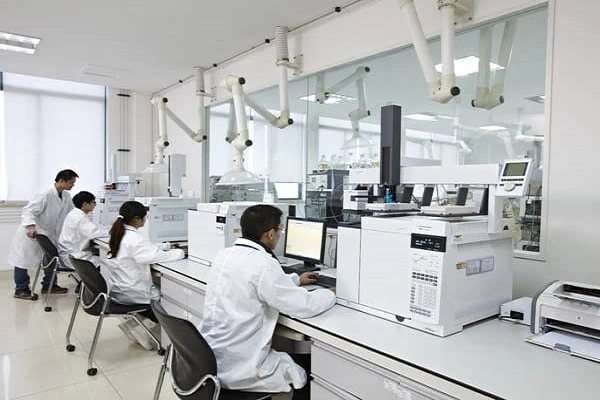
Checking the activity of peptides consistently through bioassay testing makes sure that performance is the same from batch to batch. HPLC and mass spectrometry are two analytical methods that are used to check the stability of molecules and find breakdown products before they are sent to customers. New technologies like microencapsulation and nanoemulsion delivery systems promise better bioavailability and longer release profiles. This will make next-generation products stand out in markets that are already very competitive. As the need for sustainable and clear supply chains grows, so do the chances for suppliers who show they care about ethical sourcing and the environment.
Synergistic peptide combinations are on the rise as a way to fight multiple aging processes at the same time. This means that sellers need to expand their product lines to meet the needs of formulators who need to work with more complex ingredients. As people learn more about peptide technology, brands that take advantage of these trends while staying stable and following the rules will be in a good position.
Conclusion
To make stable, useful goods with Palmitoyl Pentapeptide-4, you have to carefully balance a lot of technical factors, such as pH control, temperature management, ingredient compatibility, and accurate doses. By knowing these factors, manufacturers can come up with formulations that keep working throughout storage while still meeting government standards. It is good for procurement plans to look at a supplier's quality certifications, expert help, and ability to be flexible with logistics. The peptide is safe and works well, so Palmitoyl Pentapeptide-4 is a good addition to anti-aging skin care lines, especially for companies that want to use gentler actives instead of traditional ones. The market for peptide-based cosmetics is growing, and companies that were quick to adopt palmitoyl pentapeptide-4 and know how to make products with it well will have an edge when it comes to getting customers' attention and trust.
FAQ
1. How should the powder be incorporated without clumping?
Because it has been changed to be lipophilic, the powder doesn't dissolve right away in cold water. Before adding it to the water phase or during the last cooling step of emulsion preparation, mix it with butylene glycol or glycerin in a 1:1 ratio and heat it slowly between 35 and 40°C. This method stops clumping and makes sure that the ingredients are spread out evenly in the mixture.
2. What pH range ensures optimal stability?
The peptide is most stable between pH 4.0 and 7.0, and it works best between pH 5.0 and 6.5. Extreme alkalinity breaks down peptide bonds and the palmitoyl ester linkage, which lowers the biological activity. Keep this range of buffer systems up to date to protect the ingredient while still being compatible with skin chemistry.
3. Can it be combined with vitamin C formulations?
When low-pH L-ascorbic acid is added directly, it can break down the peptide or cause it to precipitate. These problems can be avoided by using stable vitamin C products like sodium ascorbyl phosphate, or you could think about using the two ingredients in different steps to keep their effectiveness without affecting their stability.
4. What is the typical shelf life for raw material?
The shelf life is usually 24 months if kept at -20°C in dry, covered cases that are kept out of light. Keeping something at room temperature for a long time causes it to slowly break down and dissolve, which lowers its effectiveness and potency.
Partner with Faithful for Premium Peptide Supply
Xi'an Faithful BioTech Co., Ltd. is ready to meet your peptide formulation needs with cosmetic-grade ingredients such as Palmitoyl Pentapeptide-4, which are highly pure and come with full analysis paperwork. As a supplier with a lot of experience in pharmaceutical intermediates and natural active ingredients, we use advanced testing tools like HPLC, GC, and spectrophotometry to keep strict quality control and make sure every batch meets the strictest requirements. Our GMP-compliant production sites and skilled research and development team are here to help you with all aspects of the product development process, from the initial formulation advice to production on a larger scale.
Our flexible supply options can meet a wide range of purchasing needs, whether you need large amounts or specific ratios for private label development. To meet the needs of regulators in North America, Europe, and Asia, we provide full traceability documentation, Certificates of Analysis, and stability data. Email our team at allen@faithfulbio.com Or WhatsApp: +86 13137770562 to get samples, talk about technical details, or look into business options that could add scientifically proven anti-aging ingredients to your skin care line.
References
1. Katayama K, Armendariz-Borunda J, Raghow R, et al. "A pentapeptide from type I procollagen promotes extracellular matrix production." Journal of Biological Chemistry, 1993; 268(14): 9941-9944.
2. Robinson LR, Fitzgerald NC, Doughty DG, et al. "Topical palmitoyl pentapeptide provides improvement in photoaged human facial skin." International Journal of Cosmetic Science, 2005; 27(3): 155-160.
3. Gorouhi F, Maibach HI. "Role of topical peptides in preventing or treating aged skin." International Journal of Cosmetic Science, 2009; 31(5): 327-345.
4. Lupo MP, Cole AL. "Cosmeceutical peptides." Dermatologic Therapy, 2007; 20(5): 343-349.
5. Schagen SK. "Topical Peptide Treatments with Effective Anti-Aging Results." Cosmetics, 2017; 4(2): 16-28.
6. Zhang L, Falla TJ. "Cosmeceuticals and peptides. " Clinics in Dermatology, 2009; 27(5): 485-494.