
Glutathione Powder Dosage for Immune Support: How Much Should You Take?
Most clinical studies say that adults should take between 250 and 500 mg of Glutathione powder every day to help their immune systems. But the effectiveness varies a lot depending on bioavailability factors and the health of the person taking the medicine. Researchers have found that liposomal formulations or reduced glutathione powder forms are better absorbed than oxidized variants. This means that dosage factors are very important for both companies that make immune support products and people who want to get therapeutic benefits.
Understanding Glutathione Powder and Its Role in Immune Support
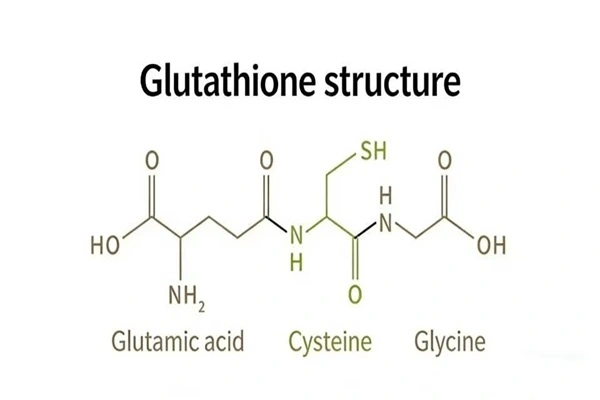
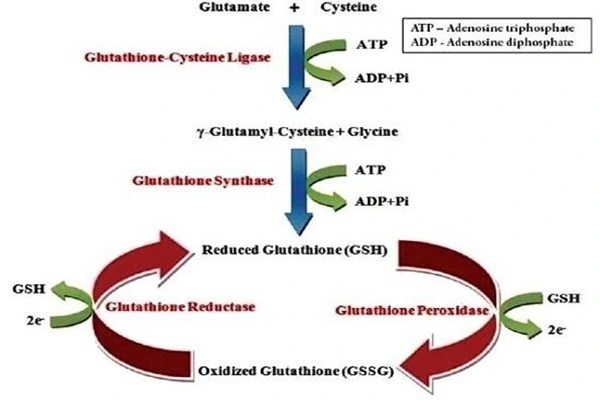
It is made up of three amino acids: glycine, glutamate, and cysteine. It is a very important protective process in the body. Antioxidants are very important molecules like this one. They protect cells from damage caused by oxygen and help the body's defense system work at its best. The chemical is naturally found in all cells, but the immune system, lungs, and liver have the most of it.
The Science Behind Glutathione's Immune-Supporting Properties
Glutathione changes how the defense system works, according to several studies. It helps natural killer cells do their job, makes lymphocytes grow faster, and keeps the balance of cytokines. More glutathione in the body makes the immune system stronger against pathogens and environmental stressors. Studies that have been published in professional journals back this up.
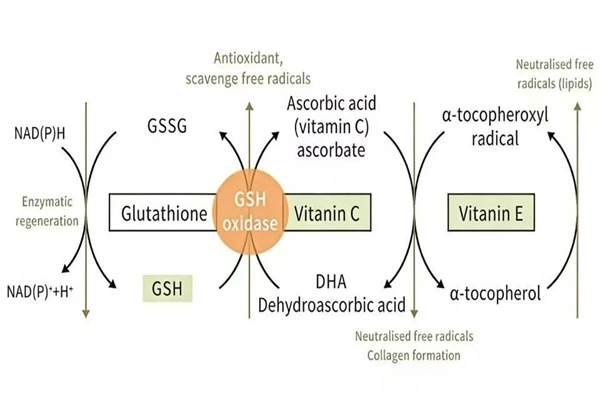
You can get rid of free radicals with glutathione, but it does more than that. It builds a defense system inside cells by making other antioxidants, like vitamin C and vitamin E, again. As an antioxidant that can fix itself, glutathione is very useful in immune support formulas that need to work for a long time.
Glutathione's Unique Cellular Benefits
Glutathione works directly inside cells, protecting DNA stability and mitochondrial function, unlike water-soluble antioxidants that stay outside of cells. Glutathione is different from other antioxidants, such as ascorbic acid or alpha-tocopherol, because it works inside cells. This makes it essential for complete immune support tactics.
There is clinical proof that not having enough glutathione can make you more likely to get infections and make it take longer to get better. The immune system generally gets weaker with age because the production of glutathione naturally goes down. For a healthy immune system throughout life, taking high-quality glutathione powder as a vitamin can help keep cellular levels at their best.
Determining the Right Glutathione Powder Dosage for Immune Support
To make dosing plans that work, you need to know both the therapeutic goals and the safety margins. Clinical study helps us figure out the best ranges, but absorption and utilization rates are very dependent on the person.
Clinical Dosage Guidelines and Safety Considerations
Scientists studying glutathione's potential as an immune system enhancer typically take 250 mg to 1000 mg of the compound daily, divided into multiple doses. For most people, maintenance and preventive only require lower doses, between 250 and 500 mg. On the other hand, larger dosages could be necessary during times of high immune system stress or during the healing process after an illness.
At therapeutic concentrations, glutathione supplements have a very low risk of side effects, making them an attractive treatment option. However, persons with specific medical conditions should exercise extreme caution. Inhaled forms can cause bronchospasm in patients with asthma; those taking specific medications should discuss the risk of drug interactions with their healthcare providers.
Factors Affecting Optimal Dosage
Age has a big effect on glutathione needs because after age 20, natural output drops by about 10–15 percent per decade. Younger people may need lower maintenance doses, while older people usually need higher amounts to get their cell counts back to normal.
How much to take is also affected by your health. Some people may need more than healthy people because they have chronic inflammatory diseases, get infections often, or have high oxidative stress. Environmental factors like pollution, smoking, or intense physical exercise can lower glutathione levels, which means that supplementation plans need to be changed.
Timing and Bioavailability Optimization
The way glutathione is used depends on when it is taken. On an empty stomach, vitamins are usually better absorbed, but some people may feel light stomach pain. Compared to taking a single large dose, splitting daily doses into two or three smaller amounts throughout the day supports more stable blood levels.
Bioavailability is a key factor to consider when taking glutathione products. The breakdown of traditional oral forms by digestive enzymes makes uptake less efficient. For example, liposomal encapsulation or acetylated types make drugs more bioavailable, which means that less of them is needed to get to the right blood levels for treatment.
Comparing Glutathione Powder to Other Forms and Brands
There are different kinds of glutathione supplements on the market, and each has its own pros and cons. Knowing about these differences helps makers choose the right raw materials and makes it easier for them to make smart decisions about what to buy.
Powder Versus Capsule Formulations
When it comes to doses and formulating, glutathione powder gives you the most options. Manufacturers can exactly control amounts, mix ingredients that work well together, and make their own delivery systems. Powder dosage forms can also be mixed with liquids, which may help the body absorb the medicine better than solid dosage forms.
Capsules are convenient and make doses more consistent, but they may make it harder to come up with new formulations. The process of packaging can change how stable something is, especially when it comes to glutathione types that are sensitive to moisture. But pills that are made correctly protect against oxidation and light, which makes the shelf life longer.
Natural Versus Synthetic Glutathione Sources
The ways that glutathione is made have a big effect on both quality and cost. Using yeast or bacteria to ferment glutathione makes natural L-glutathione that is the same as human-made forms. This biotechnology method makes sure that the product is very pure and bioavailable, and it also uses environmentally friendly ways to make the product.
Synthetic chemical synthesis is a cheaper way to make glutathione, but it can also add impurities or make racemic mixes with both L- and D- forms. Because L-glutathione is the only biologically active form, manufactured sources need to be carefully cleaned to get rid of any inactive isomers.
Quality Evaluation Criteria for B2B Procurement
When purchasing managers look at glutathione providers, they should focus on a few important factors. Testing by a third party for purity, heavy metals, and bacterial contaminants makes sure that the product is safe and meets all regulations. Documentation for the certificate of analysis should include HPLC proof of the glutathione content and chirality.
Certifications for manufacturing, like GMP, ISO9001, and organic badges, show that quality management is done in a planned way. Being open with suppliers about where their materials come from, how they're made, and how they test them builds trust in long-term supply relationships. These evaluation factors help procurement teams keep risks to a minimum while making sure that the quality of the products they make stays consistent.
Procurement Insights: How to Buy Glutathione Powder in Bulk for Immune Support Solutions
When buying glutathione in bulk, you need to pay close attention to quality standards, logistics, and your ties with suppliers. Because the substance is easily oxidized and broken down, it needs to be handled in a certain way throughout the supply chain.
Supplier Vetting and Quality Certifications
Getting glutathione starts with carefully evaluating the suppliers. Manufacturers should check records of regulatory compliance, quality systems, and output capabilities. Site audits or reviews by a third party can tell you a lot about how things are really made and how quality control is done.
As proof, you need certificates of analysis for each batch, stability data showing how long the product will last in different storage conditions, and legal compliance certificates for the markets you want to sell to. Suppliers should give clear information about the levels of purity, the amount of moisture, the spread of particle sizes, and the microbiological limits.
Pricing Analysis and Contract Considerations
Prices for glutathione vary a lot depending on the quality grade, how it is made, and how much is ordered. Products that come from fermentation usually cost more than synthetic options, but their higher bioavailability may be worth the extra money. Volume discounts get big when you buy several kilograms at a time, which makes buying in bulk a good deal for established makers.
The terms of the contract should include requirements for quality, dates for delivery, and measures for "force majeure." Price stability terms protect against changes in the cost of raw materials, and quality guarantees make sure that the product always works the same way. Total landing costs are affected by payment terms and currency issues, especially when doing business internationally.
Logistics and Storage Management
Because glutathione is easily damaged by oxygen, it needs to be stored and shipped in a certain way. Logistics that control temperatures keep things from breaking down while they're being shipped, and moisture walls keep things from getting damaged by humidity. By keeping oxygen out, nitrogen flushing or vacuum packing can increase the shelf life of food.
When managing inventory, prices must be weighed against the risk of running out of stock. Because glutathione has a short shelf life at room temperature, it needs to be rotated first-in, first-out, and the expiration date needs to be carefully watched. Keeping things in cold storage costs more, but it makes things last a lot longer.
Faithful's Premium Glutathione Powder Solutions
Xi'an Faithful BioTech Co., Ltd. is the world's leading manufacturer of glutathione powder, providing top-notch quality and dependability to the pharmaceutical, nutritional, and cosmetics industries. Our high-tech production facilities and strict quality control systems make sure that the products we make are always of the highest quality and meet the strict needs of immune support users.
Advanced Manufacturing and Quality Assurance
During the whole process of production, our glutathione powder is tested thoroughly using high-tech diagnostic tools such as HPLC, GC, and mass spectrometry systems. Each batch gets a detailed proof of analysis that confirms the chemical composition, microbiological safety, and purity levels. Our quality control lab meets accreditation standards that are higher than those needed by the business.
Modern fermentation technology is used in the production process to make natural L-glutathione with very high purity levels. Our modern buildings are subject to strict environmental controls, which keep the products stable and increase their shelf life. During the production and packaging stages, temperature and humidity monitoring devices make sure that the best storage conditions are always met.
Comprehensive Service and Support Advantages
Our skilled technical team offers a wide range of support services, such as help with choosing the right product, formulating it, and coming up with new uses for it. We offer custom packing solutions that are made to fit the needs of each customer. These include nitrogen flushing, adding desiccant, and using special container materials that keep the integrity of the product.
Our glutathione powder is priced competitively, and we offer discounts for big orders, which makes it a good choice for mass production. Our efficient supply chain skills make sure that our products are always available and on time for deliveries, which helps our customers plan their production and keep track of their inventory.
Application Expertise and Innovation
The money we spend on research and development helps us keep improving the ways we make glutathione powder and the formulas we use for it. Our products are used in a lot of different areas, such as building blocks for medicines, food supplements, cosmetics, and specialized research. We make sure to follow GMP, ISO9001, and other foreign rules that are needed to sell our products in other countries.
When customers hire us to do custom formulation work, we help them with things like making the product more stable, making it easier to dissolve, and coming up with ways to send it. By working together, this method helps customers get better product performance and keep up with the competition in the market.
Conclusion
Finding the best amount of glutathione powder to support the immune system means matching how well it works, how safe it is, and how bioavailable it is. Clinical evidence supports daily doses between 250 mg and 500 mg for most people, but changes may need to be made depending on the person. Particle types are especially good for immune support because they are more flexible and can be absorbed better. Getting high-quality products from reputable makers guarantees consistent safety and potency profiles that are necessary for therapeutic benefits.
FAQ
Q1: What is the recommended daily dosage of glutathione powder for immune support?
Clinical studies suggest 250-500mg daily for most adults, divided into two or three doses throughout the day. Individual needs may vary based on age, health status, and oxidative stress levels. Consulting healthcare professionals helps determine personalized dosage recommendations.
Q2: How long does it take to see immune benefits from glutathione supplementation?
Most individuals notice improvements in energy and overall well-being within 2-4 weeks of consistent use. Measurable changes in immune markers typically appear after 6-8 weeks of supplementation. Long-term benefits continue accumulating with sustained use over several months.
Q3: Can glutathione powder be combined with other immune-supporting supplements?
Glutathione works synergistically with vitamin C, vitamin E, and selenium, enhancing overall antioxidant effectiveness. N-acetylcysteine can boost natural glutathione production, complementing direct supplementation. Avoiding simultaneous intake with certain medications prevents potential interactions.
Q4: What factors affect glutathione powder absorption and effectiveness?
Bioavailability depends on formulation quality, timing of intake, and individual digestive health. Liposomal or acetylated forms demonstrate superior absorption compared to standard preparations. Taking supplements on an empty stomach typically enhances uptake, though divided doses maintain more stable blood levels.
Partner with Faithful for Superior Glutathione Powder Solutions
Faithful BioTech delivers exceptional glutathione powder quality backed by comprehensive technical support and competitive bulk pricing. Our GMP-certified manufacturing facilities ensure consistent product excellence, while our experienced team provides formulation guidance and regulatory assistance. As a trusted glutathione powder supplier, we offer customized solutions including specialized packaging, stability testing, and delivery optimization.
Contact our technical specialists at allen@faithfulbio.com for detailed product specifications, bulk pricing information, and custom formulation consultations.
References
1. Wu, G., Fang, Y. Z., Yang, S., Lupton, J. R., & Turner, N. D. (2004). Glutathione metabolism and its implications for health. Journal of Nutrition, 134(3), 489-492.
2. Dröge, W., & Breitkreutz, R. (2000). Glutathione and immune function. Proceedings of the Nutrition Society, 59(4), 595-600.
3. Allen, J., & Bradley, R. D. (2011). Effects of oral glutathione supplementation on systemic oxidative stress biomarkers in human volunteers. Journal of Alternative and Complementary Medicine, 17(9), 827-833.
4. Richie, J. P., Nichenametla, S., Neidig, W., et al. (2015). Randomized controlled trial of oral glutathione supplementation on body stores of glutathione. European Journal of Nutrition, 54(2), 251-263.
5. Sekhar, R. V., Patel, S. G., Guthikonda, A. P., et al. (2011). Deficient synthesis of glutathione underlies oxidative stress in aging and can be corrected by dietary cysteine and glycine supplementation. American Journal of Clinical Nutrition, 94(3), 847-853.
6. Ballatori, N., Krance, S. M., Notenboom, S., Shi, S., Tieu, K., & Hammond, C. L. (2009). Glutathione dysregulation and the etiology and progression of human diseases. Biological Chemistry, 390(3), 191-214.