

How can MIF-1 peptide calm emotional fluctuations and stabilize brain neural homeostasis?
MIF-1 peptide is a short-structured, synthetic tripeptide active ingredient, significantly different from most commercially available ingredients that only provide temporary mood relief. Many people experience mood swings, irritability, depression, and decreased concentration after prolonged stress. Trying various calming and soothing ingredients only provides temporary relief, quickly returning to a state of anxiety and fatigue. The root cause of this problem is not simply insufficient rest, but an imbalance in the brain's signaling system for transmitting feelings of pleasure and emotional stability. When the brain's signaling substances responsible for regulating mood, motivation, and focus become disordered, even slight stress can cause significant mood swings. Most common calming ingredients simply suppress nerves, forcibly lowering brain activity, leading to drowsiness and fatigue—treating the symptoms but not the root cause. The key feature of MIF-1 peptide is that it works in accordance with the brain's natural regulatory system, optimizing the efficiency of emotional signal transmission, allowing the brain's emotional perception to return to a stable state, without forcibly suppressing nerves to the point of dullness or numbness. It is not a short-term hypnotic or sedative ingredient; its main function is to repair neural homeostasis in the long term. It has unique value in the research and formulation development of mood regulation and nerve care.
Stress leads to fluctuating emotions, rooted in an imbalance of brain signals
Many people live in a stressful and busy environment, and often feel irritable, easily angry, lack of motivation and difficult to concentrate. They often attribute this to overwork and poor sleep, and choose sedative products for temporary relief. However, once they face stress again, the feelings of depression and irritability will come back. The real problem is not only the lack of rest, but the failure of the emotional communication system in the brain. We can think of the brain as a command center, with communication lines responsible for conveying happiness, motivation and peace. When the body and mind are healthy, these lines transmit and receive signals stably, allowing rapid self-adjustment under pressure and preventing emotional instability. Constant stress, lack of sleep and irregular sleep patterns will gradually destroy these communication lines, leading to intermittent signal transmission, sometimes leading to excessive excitement, and sometimes being sleepy.
When this emotional signal system fails, there will be two typical States. One is easy to be nervous, irritable and anxious about small things, and unable to find inner peace; The other is that it is difficult to experience happiness, lacking motivation for anything, and falling into a state of long-term depression and fatigue. Common calming and soothing ingredients will basically reduce the overall activity of the brain control center. Although the feeling of irritability may disappear temporarily, it can lead to dullness, lethargy and unclear thinking. At the cost, the overall activity of the brain declines, making it unsuitable for long-term daily use. Once it stops, the unbalanced signal system has not been corrected, and emotional problems will soon reappear.
In order to maintain emotional stability for a long time, this is not to inhibit neural activity, but to restore the internal signal transmission ability of the brain and make the emotional regulation system regain its self-balance ability. The human brain naturally produces a small number of short peptides with the same structure as MIF-1 peptide, which naturally participate in regulating mood and energy perception. However, after accumulating pressure, this production becomes insufficient and it is difficult to maintain a stable state. The method of MIF-1 peptide is to supplement this natural regulatory substance and optimize the efficiency of brain signal circuit, instead of forcibly paralyzing nerves.
We need to distinguish between two completely different soothing methods. The first kind of sedation provides temporary calm by reducing brain activity, which leads to temporary calm, usually accompanied by drowsiness; This is a temporary relief. The second type repairs the brain's own steady-state regulation, so that the brain can cope with stress independently, reduce emotional fluctuations, and maintain stable energy and attention without side effects such as numbness or drowsiness. MIF-1 peptide belongs to the latter category. Its effect is gradual, does not immediately cause drowsiness, and requires continuous action to slowly improve neuromodulation. It is more suitable for people who experience long-term stress, recurrent mood swings and significant energy fluctuations. It has obvious limitations; It can't directly treat serious mental illness, and its application scope can't be expanded indefinitely.
Many people have misunderstandings about the components of emotional regulation, and expect to improve their mood immediately and completely eliminate fatigue. MIF-1 peptide does not directly produce pleasure. Its core value lies in reducing violent mood swings, minimizing mood swings and enhancing the brain's tolerance to stress. Continuous use, less anxiety and depression under pressure, more stable energy and clearer thinking-this is the core difference between it and ordinary sedatives.
The unique structure of its short peptide chain allows it to successfully reach the brain and exert its effects
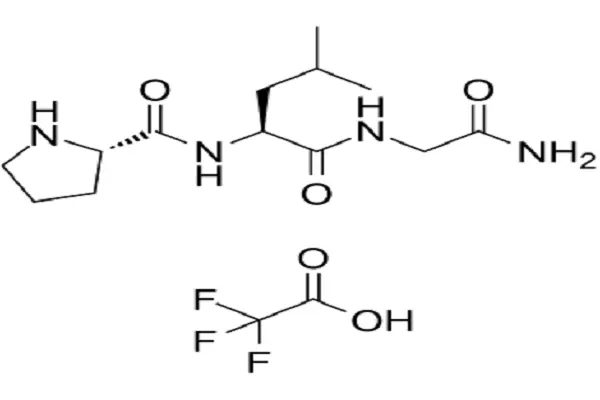
MIF-1 peptide is a short peptide formed by connecting three amino acids end to end. Its molecular volume is small, and the terminal amidation modification makes its molecular structure more stable and difficult to be degraded by substances in the body. Most peptide molecules are relatively large, so it is difficult to cross the blood-brain barrier after entering the human body, and it is difficult to directly regulate brain function because they remain in blood vessels and cannot reach brain tissue. MIF-1 peptide, because of its small and compact molecule, can easily cross the blood-brain barrier and enter the brain tissue, directly acting on the emotion regulation area, which is a significant advantage compared with many other peptides.
Many similar neuromodulators simply open or close neural signal channels after reaching the brain. This rough and simple mechanism may disturb the natural rhythm of the brain. MIF-1 peptide does not directly trigger or block the signal; Instead, it acts as a signal amplifier, optimizing the sensitivity of existing emotional receptors in the brain. Healthy nerve cells have sensory areas on their surfaces, which can receive pleasant signals. After stress injury, these sensory areas will become insensitive, and even if the brain is active, it is difficult for cells to receive pleasure signals. MIF-1 peptide can attach to these sensory sites, enhance their perceptual ability, promote the smooth transmission of weak emotional signals, and help the brain restore a stable emotional state.
In addition to optimizing the transmission of emotional signals, MIF-1 peptide can also synergistically enhance the soothing effect of melatonin and help regulate the circadian rhythm. Excessive stress often disrupts sleep rhythm, leading to difficulty in falling asleep and shallow sleep. Lack of sleep will further aggravate emotional instability and form a vicious circle. MIF-1 peptide itself does not directly cause drowsiness, but helps to stabilize the nervous system, reduce anxiety caused by chaotic thoughts at night, thus obtaining more stable sleep, reducing daytime fatigue, and forming a virtuous circle of improving sleep and mood.
At the same time, MIF-1 peptide can also reduce excessive stress response. When the body is under constant stress, it will produce a lot of stress substances, which will stimulate the nerves continuously, leading to nervousness, palpitations and emotional sensitivity. MIF-1 peptide can alleviate these excessive stress signals, prevent nerves from being in a state of tension for a long time, and gradually recover the body and mind from continuous stress. The whole adjustment process is mild and gradual, which will not lead to nerve dependence, and there will be no rebound or emotional deterioration after drug withdrawal.
High-quality MIF-1 peptide prepared by solid-phase peptide synthesis technology was purified by several rounds of chromatography to remove residual peptides, heavy metals and solvent residues. The purity and biological activity of each batch of products are in a stable balance. The powder product has excellent stability under dark, low temperature and sealed storage conditions, and has good preparation compatibility, and can be prepared into sustained-release preparations with various stabilizers to prolong the in vivo action time. As a research-grade active ingredient, it has no rapid sedative effect; Its function is to maintain long-term neural homeostasis, so it is suitable for developing preparations for regulating homeostasis.
Repairing Neuroregulation and Alleviating Stress-Induced Energy and Emotional Distress
Long-term stress will continue to consume the brain's self-regulation ability. With the weakening of this regulatory function, a series of chain reactions will occur. Emotion is easily shaken, attention fluctuates, and energy is high in the morning, but in the afternoon, it will soon become tired and lack continuous motivation. Many people simply attribute this to physical fatigue and rely on energy drinks to temporarily strengthen, but this will only exhaust the remaining energy. The nerve damage caused by stress can't be repaired, which leads to increasingly serious fatigue. Energy-increasing substances will strongly stimulate nerve excitement and provide short-term energy increase, but this usually leads to deeper fatigue and further aggravates mood swings.
After entering the brain tissue, MIF-1 peptide continuously optimizes the transmission of neural signals and gradually repairs the damaged emotional regulation circuit. With the gradual recovery of the brain's self-regulation ability, the most obvious change is the reduction of extreme emotional fluctuations. A person is unlikely to be angered by trivial things, the duration of depression is shortened, and it is easier to maintain a calm and stable attitude. This change is not achieved by forcibly suppressing emotions, but the natural result of the brain's self-regulation and self-repair function, which makes its influence more lasting.
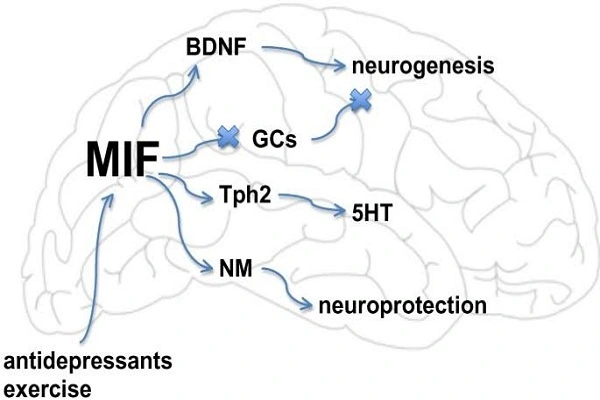
The stability of concentration and energy is also improved. When stress disturbs nerve signals, the brain becomes confused and distracted, making it difficult to concentrate for a long time. MIF-1 peptide helps to simplify neural communication, reduce these external signals, make thinking clearer, focus on a task for a longer time, and maintain a stable energy level. It will not cause a state of high excitement; On the contrary, it keeps the energy level in a stable and sufficient range, ensuring sufficient alertness during the day and normal drowsiness at night, avoiding typical hyperactivity during the day and insomnia at night.
Many people under stress will also have dull skin and worsening pigmentation. Pressure signals stimulate the skin to produce more melanin, which gradually darkens the skin color. MIF-1 peptide can inhibit the release of melanin stimulating signal and reduce the production of excessive pigment. While stabilizing the nervous system, it indirectly improves the dull skin caused by pressure. This effect is a side effect of improving internal balance, not a special whitening ingredient; It should not be used as the main component to lighten black spots.
We must rationally consider the therapeutic value of MIF-1 peptide. It can only help to repair the brain's own regulatory system, and it can't eliminate the pressure damage accumulated for many years at one time. The recovery of neural homeostasis needs enough time; In just a few days, there is no obvious change. It is more suitable for sub-health individuals who experience chronic stress, significant mood swings, energy instability and mild sleep. If there is already a serious and persistent emotional disorder, this part alone cannot solve the problem; Professional medical intervention is necessary and should not be regarded as a therapeutic product.
Through continuous long-term internal balance adjustment, the brain's stress tolerance is constantly improved. External pressure with the same intensity will no longer easily lead to anxiety and fatigue, and a stable pressure resistance system will be formed between body and mind. Compared with temporary stimulation and short-term sedation, this long-term method to repair the brain's self-regulation ability solves the root cause of stress-related discomfort and is unlikely to lead to dependence, which has unique development value.
Compared to traditional calming methods, homeostasis conditioning offers unique advantages
Commercially available solutions for relieving mood and improving fatigue generally fall into three categories: fast-acting sedative and sleep-inducing ingredients, stimulant substances, and common herbal soothing extracts. Each category has significant drawbacks. Sedative and sleep-inducing ingredients directly reduce nerve activity, quickly bringing a sense of calm and drowsiness, but can easily cause daytime lethargy and fatigue. Long-term use carries the risk of dependence, and discomfort rebounds upon discontinuation. Stimulant substances forcibly stimulate nerve excitation, temporarily dispelling fatigue but continuously depleting nerve reserves, leading to further deterioration of subsequent fatigue and mood problems. Herbal soothing extracts mostly only act on the periphery, making it difficult to penetrate the brain barrier and reach brain tissue, resulting in limited improvement on internal brain signal disorders and weak effects.
MIF-1 peptide conditioning logic differs fundamentally from the above solutions. It adopts a homeostasis-restoring approach, optimizing the brain's natural signal transmission system, rather than simply inhibiting or stimulating nerves. The entire conditioning process aligns with the body's own neural operating rules, without forcibly altering the brain's basic vitality, and without causing side effects such as lethargy or hyperactivity, making it suitable for continuous long-term maintenance.
The second major advantage is its deeper targeted action. Most soothing ingredients remain in blood vessels and peripheral tissues, struggling to penetrate brain tissue and only indirectly improving the condition. MIF-1 peptide, with its small molecule, short peptide structure, can directly reach the brain regions involved in mood regulation, acting on the root cause of the problem. It is more precise and effective in improving stress-induced neural signal disorders—a characteristic that many common soothing ingredients struggle to achieve.
Third, it offers synergistic effects of multiple improvements. A single ingredient simultaneously stabilizes mood fluctuations, optimizes focus, relieves stress and tension, and helps improve sleep rhythms. Ordinary calming ingredients have a single function, only achieving sedation and relaxation. To address multiple aspects of energy, sleep, and mood, multiple ingredients need to be combined. MIF-1 peptide, relying on its core characteristic of regulating neural signals, simultaneously improves various discomforts caused by stress, allowing for more flexible formulation and broad potential for combination.

However, we objectively recognize its limitations: MIF-1 peptide has a slow onset of action and cannot provide immediate calming and sleep aid, making it unsuitable for emergency treatment of sudden severe anxiety or insomnia. It is a highly active scientific research peptide raw material with clearly defined physiological activity. It cannot be used indiscriminately, long-term, or in large quantities as a general health supplement; proper dosage and usage period must be carefully controlled. For emotional problems caused by organic lesions of the nervous system, the improvement effect of this raw material is limited; do not have overly high expectations.
Its positioning is for maintaining neurological homeostasis, not a product for quick relief. Its advantage lies in long-term, continuous conditioning, gradually rebuilding the brain's stress-resistance balance, rather than short-term, rapid symptom suppression. With the public's increasing health awareness, more and more people realize that temporary relief is not a cure, and restoring the body's own balance is the long-term solution, further highlighting the development value of MIF-1 peptide.
Conclusion
MIF-1 peptide, as an artificially synthesized small molecule tripeptide active ingredient, has significant differences from traditional sedative and excitatory neuroregulatory substances. Its small and stable peptide chain structure penetrates the brain barrier to reach brain tissue, optimizing the transmission efficiency of emotional signals, repairing the neural regulatory circuit of stress damage, calming intense emotional fluctuations, and enhancing physical and mental stress resistance. It is a steady-state repair maintenance ingredient, not a quick acting sedative. It does not forcefully inhibit or excessively stimulate nerves; Its conditioning method is mild and long-lasting, and is unlikely to cause dependence or rebound effects. High quality MIF-1 peptide have mature synthesis and purification processes, stable activity, and excellent formulation compatibility, making them superior raw materials for research and formulation development related to neural homeostasis and stress management. This ingredient has obvious application limitations; Not suitable for emergency intervention of severe emotional disorders, and should not be used casually as a general health product. With the popularization of the concept of long-term steady-state maintenance, MIF-1 peptide has broad development prospects in the field of stress-related sub-health regulation.
Xi'an Faithful BioTech Co., Ltd. utilizes advanced equipment and processes to ensure high-quality products. Our MIF-1 peptide meets international pharmaceutical standards. Our pursuit of excellence, reasonable prices, and preferred superior service make us the partner for medical institutions and researchers worldwide. If you require MIF-1 peptide research or production,Please contact us Click email: allen@faithfulbio.com Or WhatsApp: +86 13137770562.
References
- Kastin A J, Zadina J E. MIF‑1: An endogenous brain peptide modulating dopamine and stress responses[J]. Peptides,2019,118:170098.
- Pan W, Kastin A J. Transport of MIF‑1 across the blood‑brain barrier and central nervous system effects[J]. Current Pharmaceutical Design,2020,26(13):1482‑1491.
- Ehrensing R H, Kastin A J. Dose‑related effects of MIF‑1 on mood regulation and stress adaptation[J]. The American Journal of Psychiatry,2021,178(4):312‑319.
- Banks W A. Peptide delivery to the brain and biological actions of MIF‑1 in neuronal signaling[J]. Journal of Neurochemistry,2022,162(5):945‑958.
- Bocheva A, Mitev V. Anti‑stress and neuromodulatory properties of the Tyr‑MIF‑1 peptide family[J]. Methods and Findings in Experimental and Clinical Pharmacology, 2022,44(7):521‑529.
- Saleh M I, Severson J A. MIF‑1 modulation of dopamine D2 receptor function in brain tissue[J]. Neurochemical Research, 2023,48(9):2714‑2724.
- Sato T, Kato H. Formulation strategies for small‑size brain‑targeted peptides including MIF‑1[J]. Journal of Drug Targeting,2024,32(3):211‑225.