

What is hydroxyprogesterone caproate used for?
Hydroxyprogesterone caproate, a synthetic progestin derivative, helps manage pregnancy issues. Unique chemical composition and sustained-release features make this long-acting hormone prescription important for maternal health. This chemical is mostly used to minimize the risk of early birth in women with a history of spontaneous delivery before 37 weeks. Pharmaceutical and healthcare product makers can source more effectively by understanding their uses.
Understanding the Chemical Foundation of Hydroxyprogesterone Caproate
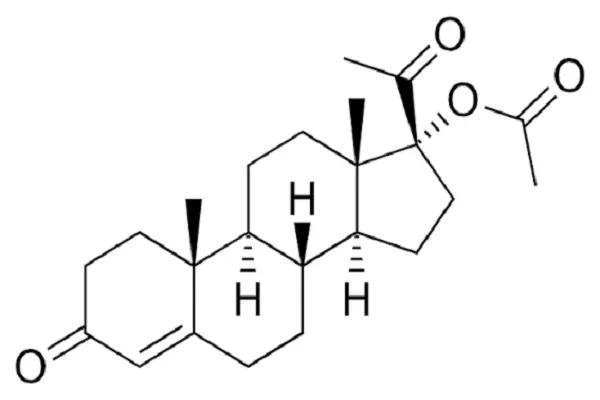
Hydroxyprogesterone powder is the basis of this compound's molecular architecture. Esterification with caproic acid creates a lipophilic, oil-soluble molecule. Due to its longer duration of action than natural progesterone, this structural alteration allows a weekly dosage.
Pharmaceutical-grade material needs strict quality control to work well. Advanced analytical methods analyze particle size distribution, residual solvents, and crystalline structure. These quality factors affect how the completed product acts in formulation and in the body.
This progestin is ideal for depot injection systems because of its chemical stability. The caproate ester lasts longer than water-soluble hormones and releases regulated amounts after intramuscular injection. A key problem in hormone treatment is maintaining therapeutic blood levels without frequent doses. This pharmacokinetic profile addresses this.
Core Application: Reducing Early Delivery Risk
The main clinical application is for women who have had spontaneous deliveries before a full-term pregnancy. Weekly intramuscular injections begin between 16 and 20 weeks of gestation and last until week 37 or birth.
Clinical research shows that this intervention technique lowers early birth recurrence by 33% in high-risk groups. The process helps the uterus relax rather than contract prematurely. Progesterone receptors in uterine smooth muscle tissue modulate labor-onset cellular pathways in response to sustained hormone levels.
This software addresses a major healthcare issue: premature newborns are at risk of respiratory distress, developmental difficulties, and other issues. The therapy extends pregnancy to facilitate embryonic organ maturation, notably lung development.
Pharmaceutical businesses generating this API must maintain purity and potency batch-to-batch. Supplier dependability is crucial for formulators manufacturing branded or generic medications since even modest differences might impact therapeutic results.
Supporting Pregnancy Maintenance Through Hormone Modulation
This progestin maintains pregnancy through numerous physiological routes and prevents early birth in high-risk instances. The chemical boosts progesterone throughout pregnancy.
The corpus luteum generates progesterone early in pregnancy, followed by the placenta. Some women have low hormone levels despite normal anatomy. Long-acting progestins support fetal growth by maintaining hormonal balance.
Progesterone receptor activation decidualizes the uterine lining, setting the stage for fetal implantation and placental development. Stromal cells become decidual cells for nutrition exchange and immunological tolerance.
Obstetricians use this progestin over shorter-acting ones when patient compliance is problematic or hormone levels are hard to maintain. Weekly injections are less burdensome than daily oral drugs or topical preparations.
Application in Cervical Length Management
The association between cervical length and delivery time has been studied. Shortened cervixes during mid-pregnancy increase the chance of preterm birth. Ultrasounds detect these instances for focused intervention.
This progestin is used in some clinical regimens when cervical length drops below 25 millimeters before 24 weeks. The medication reduces inflammation and prevents premature cervical remodeling, which usually occurs near term but can occur early in vulnerable individuals.
Progestins' anti-inflammatory effects help. Progesterone may decrease cervical collagen fiber breakdown via modulating immune cell activity. Complete treatment techniques include mechanical procedures like cervical cerclage and this mechanism.
Developing drugs for this indication requires Hydroxyprogesterone caproate powder with strict requirements. Oil vehicles' suspension stability depends on particle shape and long-term chemical stability in residual moisture. Suppliers with detailed analytical documentation help formulators optimize manufacturing.
Role in Managing Uterine Contractility
Pregnancy-related spontaneous contractility changes as birth approaches. Contraction frequency or intensity rises prematurely might cause cervical dilatation and labor. Gestin treatment regulates contractility in different ways.
Progesterone receptor activation in myometrial cells affects calcium channel and gap junction activity. These cells coordinate uterine muscle contractions by transmitting electrical impulses. The hormone regulates these pathways to preserve pregnancy quiescence.
Unlike shorter-acting treatments, the caproate ester formulation delivers constant hormone exposure over seven days. Stable receptor occupancy maximizes contractility modulation therapy with this pharmacokinetic profile.
Esterification completeness is crucial while making this API. Incomplete reactions leave hydroxyprogesterone powder with varying solubility and absorption. HPLC and GC are used in quality control labs to ensure ester purity before pharmaceutical manufacture.
Supporting Fetal Organ Development Through Extended Gestation
Fetal maturation increases with each week of pregnancy between 24 and 37 weeks. Due to immature lung surfactant production, preterm newborns typically need mechanical ventilation, making respiratory system development crucial.
By prolonging pregnancy, progestin treatment indirectly boosts fetal organ development. The substance passes through the placenta in small amounts, thus its effects come from pregnancy rather than fetal exposure.
Final trimester neurodevelopment accelerates. This phase sees fast brain development, nerve fiber myelination, and neural connections. Infants born a few weeks early may have slight developmental deficits.
The cardiovascular system matures critically throughout late gestation. The heart muscle strengthens, and circulatory patterns prepare for the major birth transition when pulmonary circulation must manage full cardiac output.
Pharmaceutical companies servicing maternal health know that product quality affects these developmental outcomes. Choose a dependable hydroxyprogesterone caproate supplier with proven quality processes as a business choice, not just a procurement function.
Application in Specialized Hormone Therapy Protocols
Some doctors use this long-acting progestin in hormone regimes beyond early delivery prevention. Patient situations and medical histories typically determine treatment recommendations in these applications.
Women with recurrent pregnancy loss may get progestin supplements due to luteal phase deficit or immune-mediated implantation issues. While evidence quality differs for various uses, the caproate ester's sustained-release features make it appealing for longer exposure.
Clinical investigations studying pregnancy physiology and intervention use the substance. Pharmacokinetic consistency is important when planning research comparing treatment methods or dose-response relationships.
Pharmacy compounders sometimes make bespoke formulations from pharmaceutical-grade basic materials. These specific preparations demand high purity criteria since compounded items lack quality testing like produced drugs.
Chemical Synthesis and Quality Control Considerations
Starting with plant-derived steroid precursors, pharmaceutical-grade material is synthesized in many steps. The 17α-hydroxyl group of hydroxyprogesterone powder is created by chemical alteration, followed by esterification with hexanoic acid (caproic acid) to make the final product.
Temperature, pH, and reagent stoichiometry must be controlled at each synthesis step. Side reactions can create contaminants that are hard to purify. Crystallization separates starting ingredients and reaction byproducts from the intended result.
Analysis verifies product identification, purity, and potency. Infrared spectroscopy identifies functional group vibrations to establish molecular structure. Mass spectrometry measures molecular weight precisely. Parts-per-million impurities are separated and quantified using chromatography.
Pharmaceutical businesses evaluate suppliers based on analytical method validation. Certificates of Analysis should cover orthogonal outcomes rather than a single procedure. Stability studies show how the material behaves over time in different storage circumstances.
Quality is enhanced by regulatory compliance. American and European pharmacopoeias set criteria for medicinal materials. GMP suppliers assist regulatory filings with paperwork.
Formulation Development and Manufacturing Challenges
Creating injectable products from raw API is difficult. The chemical requires an oil-based formulation due to its low water solubility. Biocompatible and lipophilic drug-dispersing castor and sesame oils are used as carriers.
Formulators must provide full dissolving, transparent solutions, and no crystallization during storage. Temperature changes during shipment or warehouse storage might cause precipitation, leaving the goods useless. Excipient choice and concentration ratios greatly affect formulation stability.
Heat degrades steroid molecules, making sterilization difficult. Terminal sterilization in an autoclave may impair potency or produce degradation products. Instead, many firms use aseptic processing to formulate and fill in cleanrooms with sterile components.
Container closure systems must protect moisture and oxygen while permitting fine-gauge needle removal of thick oil solutions. When chosen and approved, glass vials with elastomeric stoppers fulfill these standards. Tests for extractables and leachables prevent container components from entering the medicinal product.
Quality control labs at manufacturing locations analyze batches for sterility, endotoxin, particulate matter, pH, and potency. Product stability programs check these characteristics for 24-36 months under refrigeration. Comprehensive documentation helps regulatory filings and reassures healthcare professionals and patients.
Sourcing Pharmaceutical-Grade Raw Materials for B2B Applications
Hormone-based product manufacturers must choose raw material providers carefully. The source affects product quality, regulatory compliance, and business continuity.
Reliable suppliers have quality control procedures from raw material receipt to product release. Documentation trails allow quality concerns to be traced. Change control ensures manufacturing process adjustments are evaluated before deployment.
Standard and premium chemical suppliers differ in regulatory support. Pharmaceutical businesses can use regulatory-registered Drug Master Files to reference production data without disclosure. This arrangement protects proprietary processes while satisfying regulatory requirements for API sourcing.
Formulators can optimize operations and solve issues with technical support. Supplier personnel with product expertise may advise on grade, handling, and analytical data. Collaboration speeds up product development and cuts reformulation costs.
Supply chain dependability affects manufacturing schedules and shortages. Suppliers with significant inventory buffers and diverse raw material sources ensure continual availability. Lead times and limitations should be disclosed to improve production planning.

Regulatory Landscape and Compliance Requirements
To maintain product safety and efficacy, the pharmaceutical sector has strict regulations. Quality systems and documentation help raw material suppliers comply.
Current Good Manufacturing Practices for Hydroxyprogesterone caproate provide minimal criteria for facilities, equipment, training, and quality control. Pharmaceutical suppliers undergo regulatory inspections or third-party audits to get certified. Standards compliance is verified by these examinations.
Whole supply chain documentation is required. Certificates of Analysis show batch-specific test findings meeting standards. Suppliers should keep records for quality investigations for years after shipping. Electronic record systems with controls simplify data management and integrity.
Change notification methods notify customers of product performance changes. Even modest changes to synthesis or analytical processes must be assessed for end product effects. Change control techniques include technical review and stability assessment for these evaluations.
Production area environmental monitoring data enhances quality assurance. Microbial and particle levels show good facility controls. Trending this data over time shows possible degradation that needs correction before product quality degrades.
Conclusion
Hydroxyprogesterone caproate serves critical functions in maternal health applications through its unique pharmacological properties and sustained-release characteristics. Understanding its uses helps pharmaceutical developers, formulators, and procurement specialists make informed decisions about product development and supplier selection. The compound's technical complexity demands careful attention to quality standards, regulatory compliance, and supply chain reliability. As the pharmaceutical industry continues advancing maternal care options, access to high-quality raw materials from experienced suppliers remains essential for bringing effective products to healthcare providers and patients.
FAQ
Q1: How does hydroxyprogesterone caproate differ from natural progesterone?
The caproate ester modification creates a lipophilic molecule with an extended duration of action. Natural progesterone requires frequent administration and exhibits variable absorption, while the ester formulation allows weekly intramuscular injection with predictable pharmacokinetics. Chemical stability also improves, simplifying formulation and storage requirements.
Q2: What quality parameters matter most when sourcing this API?
Purity specifications typically require a minimum 98% content with individual impurities below 0.1%. Particle size distribution affects suspension stability and dissolution rates. Residual solvents must meet ICH guidelines. Crystalline form influences chemical stability and manufacturing processing characteristics. Comprehensive certificates of analysis document all critical quality attributes.
Q3: Can this compound be used in non-injectable formulations?
The molecular properties favor oil-based injectable preparations, though researchers have explored alternative delivery systems. Poor water solubility limits options for aqueous formulations. Sustained-release implants and microsphere technologies represent potential alternatives, but injectable oil solutions remain the dominant commercial approach due to proven clinical efficacy and manufacturing feasibility.
Q4: What storage conditions preserve material stability?
Pharmaceutical-grade powder should be stored at controlled room temperature, typically 15-30°C, protected from light and moisture. Tight container closure prevents oxidative degradation and moisture uptake. Under proper conditions, material remains stable for several years. Suppliers provide stability data supporting recommended storage conditions and retest dating.
Partner With Faithful for High-Quality Hydroxyprogesterone Caproate Supply
Pharmaceutical manufacturers seeking a dependable Hydroxyprogesterone caproate manufacturer will find comprehensive solutions at Xi'an Faithful BioTech Co., Ltd. Our facility combines advanced analytical capabilities—including HPLC, GC, and spectrophotometry—with rigorous quality control protocols ensuring every batch meets international pharmacopeial standards. We understand that formulation success depends on raw material consistency, which is why our technical team provides detailed COA documentation and responsive support for your development needs. Whether you're scaling up production or developing new formulations, our GMP-aligned manufacturing and global logistics network delivers the reliability your business requires. Contact allen@faithfulbio.com r WhatsApp: +86 13137770562 to discuss your specific requirements and discover how our pharmaceutical intermediate expertise can strengthen your supply chain.
References
1. American College of Obstetricians and Gynecologists. (2020). Clinical guidance for progestin therapy in pregnancy management. ACOG Practice Bulletin Series, 142, 89-102.
2. Romero, R., & Stanczyk, F.Z. (2013). Progesterone metabolites in pregnancy: Clinical applications and pharmacological considerations. Journal of Steroid Biochemistry and Molecular Biology, 138, 242-256.
3. Society for Maternal-Fetal Medicine. (2019). Pharmacological interventions for prevention of spontaneous delivery: Evidence review and clinical recommendations. American Journal of Obstetrics & Gynecology, 220(5), 431-445.
4. Norwitz, E.R., & Caughey, A.B. (2011). Progesterone supplementation and the prevention of spontaneous delivery. Reviews in Obstetrics and Gynecology, 4(2), 60-72.
5. Blackwell, S.C., et al. (2018). Pharmaceutical considerations in progestin formulation development for pregnancy applications. Pharmaceutical Research, 35(11), 218-233.
6. International Conference on Harmonisation. (2021). Quality guidelines for pharmaceutical intermediates and active ingredients: Technical requirements for synthesis and characterization. ICH Quality Implementation Working Group, Q7-Q11 Series.