

How do nicotinamide ethanolamine disrupt mitochondrial energy metabolism and parasitic homeostasis in parasites?
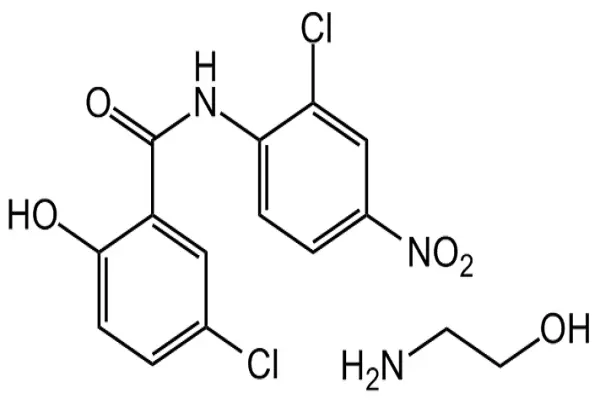
Niclosamide ethanolamine is a classic mitochondrial uncoupling broad-spectrum anthelmintic raw material. It is a highly water-soluble derivative of free niclosamide modified by ethanolamine ion salt formation, completely solving the core defects of the original drug, such as poor water solubility, poor dispersion, low bioavailability, and large fluctuations in efficacy. As the most widely used oxidative phosphorylation inhibitor in veterinary parasitology, parasite energy metabolism mechanism research, antiparasitic agent development, and in vitro parasite model construction, Niclosamide ethanolamine does not act on traditional receptors, ion channels, or nucleic acid synthesis pathways. Instead, it precisely targets the inner mitochondrial membrane electron transport system of parasites. By embedding into the phospholipid bilayer, disrupting the proton transmembrane electrochemical gradient, and completely dissociating the coupling relationship between oxidation and phosphorylation, it causes complete paralysis of ATP synthesis in the parasite, irreversible depletion of energy reserves, and ultimately leads to muscle paralysis, cortical disintegration, reproductive arrest, and complete loss of parasitic colonization ability. Compared to ordinary niclosamide, ethanolamine salt modification significantly improves molecular water solubility, water dispersion uniformity, mucosal penetration efficiency, and adsorption capacity on the insect surface, enabling it to maintain stable efficacy in various systems such as water-based drug administration, feed mixing, and mucosal immersion treatment. This raw material has a broad spectrum of anthelmintic activity against most zoonotic tapeworms, trematodes, some nematodes, and ectoparasites. It also possesses broad-spectrum antiviral activity, anti-tumor stem cell activity, and inhibition of abnormal glucose and lipid metabolism, making its research applications extremely wide-ranging.
🧩 Ethanolamine Salt Modification Reshapes Molecular Physicochemical Properties and Insecticidal Targeting Capacity
The core value of niclosamide ethanolamine, fundamentally different from traditional niclosamide, stems from its ionic salt modification. This chemical modification fundamentally overturns the original drug's solubility defects and penetration limitations, making it a high-quality anthelmintic suitable for aquatic administration and biological systems. Unmodified niclosamide is a typical hydrophobic aromatic compound, with a rigid fused ring of dichlorosalicylic acid aniline as its main component. It has a very low proportion of polar groups and extremely strong overall hydrophobic properties, making it almost insoluble in pure water and only able to disperse in small amounts in high-concentration organic solvents. In in vitro insect culture, aquatic immersion anthelmintics, and animal drinking water administration scenarios, free niclosamide rapidly forms visible aggregates and suspended precipitates. The effective drug molecules cannot be evenly distributed within the system, and most insects cannot access the effective drug concentration, ultimately resulting in highly unstable efficacy, fluctuating inhibition rates, and significant differences between parallel samples. Niclosamide ethanolamine, by introducing ethanolamine cations and niclosamide anions to form a stable ionic salt structure, significantly enhances the overall molecular polarity and hydration capacity. In neutral and weakly alkaline aquatic environments, it can rapidly dissociate and disperse uniformly, forming a molecularly homogeneous system, completely avoiding problems such as particle aggregation, precipitation inactivation, and uneven local concentration. This salt-forming modification does not destroy the pharmacodynamic structure of the niclosamide core; it only optimizes the molecular physicochemical properties, thus retaining 100% mitochondrial uncoupling activity while achieving a several-fold increase in bioavailability. This is the core reason why this derivative is gradually replacing free niclosamide as the mainstream API raw material.
The molecular dissociation characteristics of niclosamide ethanolamine are highly compatible with the parasitic microenvironment of parasites, giving it a natural advantage in host body cavities, intestinal fluids, and tissue exudates. The intestinal environment of livestock, poultry, and aquatic animals is mostly in the weakly alkaline to neutral range, which is precisely the environment in which this salt-type molecule is most stable, has the highest degree of dissociation, and releases the most active core. Within this pH range, ethanolamine salts can completely dissociate into free niclosamide anions and ethanolamine cations. The niclosamide core, with its moderate lipophilicity, rapidly penetrates the parasite's cortical barrier, while the ethanolamine groups remain in the aqueous phase, enhancing overall dispersibility and creating a dual advantage of "uniform dispersion in the aqueous phase and efficient penetration in the lipophilic phase." In contrast, free niclosamide cannot diffuse uniformly in the intestinal aquatic environment, is easily adsorbed and encapsulated by intestinal contents, and cannot contact the parasite's surface, resulting in a significant decrease in anthelmintic efficiency. Under strongly acidic conditions, this salt structure undergoes proton reversal, re-precipitating the hydrophobic free core and forming a precipitate. This is a key mechanism requiring strict control of the buffer system's pH in in vitro experiments and formulation applications. Understanding the pH-dependent dissociation law is a prerequisite for ensuring the stable efficacy and reproducible experiments of niclosamide ethanolamine.
The selective difference between molecular transmembrane penetration and parasite-targeted enrichment is the core structural basis for Niclosamide ethanolamine to achieve low host toxicity and high parasite killing effect. Parasite cortical cell membranes are densely lipided, low in cholesterol, and highly permeable. Furthermore, parasites lack the multidrug resistance efflux transport system found in higher animals. The active nucleus of nicotinamide ethanolamine can penetrate the parasite cortex without resistance, entering the parenchymal cells and accumulating in the inner mitochondrial membrane. In contrast, mammalian host cells have high cholesterol content, dense membrane structures, and well-developed efflux transport systems. At conventional effective anthelmintic concentrations, drug accumulation is minimal, and host mitochondria are almost unaffected by uncoupling. Simultaneously, the mitochondrial membrane potential of parasites is much higher than that of ordinary host cells. This strong negative potential actively attracts the negatively charged nicotinamide active nucleus, leading to its accumulation in the inner mitochondrial membrane and creating a target-specific hyperconcentration effect, greatly amplifying the uncoupling efficacy. This potential-targeted accumulation characteristic allows nicotinamide ethanolamine to precisely distinguish between parasite mitochondria and host mitochondria, achieving highly selective anthelmintic damage, ensuring a wide treatment safety window and minimal host side effects.
Niclosamide ethanolamine in solid form exhibits excellent structural stability. Under conditions of low temperature, protection from light, dryness, and airtight storage, it can maintain its salt structure intact, without isomerization, degradation, or precipitation impurities for extended periods. Its ionic bonding is extremely stable and will not spontaneously dissociate, ensuring high purity and activity over a long period. However, its molecular stability decreases significantly in the liquid phase. Strong light irradiation can induce benzene ring dechlorination and oxidation, and aromatic ring opening. High temperatures can disrupt ion balance, leading to salt fragmentation and nucleus precipitation. Prolonged exposure to open conditions can cause water molecule association and localized crystallization and aggregation, resulting in a latent decrease in the concentration of effective active molecules. The fundamental reason for poor reproducibility in a large amount of research data is not the difference in insect viability, but rather the significant inactivation of active molecules due to prolonged storage of the working solution, light degradation, and pH shifts. Therefore, in vitro experiments with niclosamide ethanolamine must strictly adhere to standardized procedures, including preparation and use immediately, protection from light, low temperature, and neutral buffer systems, to avoid systematic errors from the outset.
Niclosamide ethanolamine does not exhibit direct protein denaturation, nucleic acid damage, or membrane lysis toxicity. Its biological activity relies entirely on mitochondrial membrane intercalation and proton leakage mechanisms, making it a typical functional metabolic inhibitory anthelmintic rather than a rapidly disinfecting toxin. After entering the parasite, the drug does not immediately cause death but gradually disrupts the energy metabolism system, depleting the parasite's endogenous ATP reserves—a chronic, irreversible, metabolic lethality pattern. Initially, parasites exposed to the drug only exhibit weakened movement, decreased adhesion, and slower peristalsis. As the proton gradient continues to collapse and ATP is continuously depleted, muscle paralysis, cortical relaxation, reproductive arrest, and structural disintegration gradually occur. This delayed lethality characteristic dictates that sustained effective concentration exposure is necessary to achieve the full anthelmintic effect; instantaneous high-concentration shocks cannot achieve optimal insecticidal efficiency. This is the core mechanism behind the necessity of continuous administration in long-term drug intervention models.
⚖️ Mitochondrial uncoupling mechanism completely disrupts ATP synthesis and energy homeostasis in parasites
All life activities of parasites rely entirely on the mitochondrial oxidative phosphorylation system for energy. Nicolasamide ethanolamine targets and intervenes in the parasite's most core and irreplaceable energy metabolism center, achieving the effect of fundamentally blocking the parasite's survival and proliferation. Under normal physiological conditions, the electron transport chain complexes I–IV on the inner mitochondrial membrane of parasites continuously transfer high-energy electrons, using the energy released by the electrons to continuously pump protons from the matrix into the intermembrane space, forming a stable proton electrochemical gradient across the inner membrane, i.e., positive on the outside and negative on the inside, high on the outside and low on the inside, representing a proton potential energy reserve. This proton kinetic potential is the sole energy source for ATP synthase. As protons flow back to the matrix via ATP synthase along the concentration gradient, mechanical energy is converted into chemical energy, driving the synthesis of ATP from ADP and phosphate, continuously providing energy support for the parasite's peristalsis, adsorption, nutrient transport, protein synthesis, reproductive division, and osmotic pressure maintenance. Parasites have a simple structure, a single metabolic pathway, extremely low energy reserves, and almost no glycogen or lipid storage. They rely entirely on real-time mitochondrial energy supply. Once oxidative phosphorylation is interrupted, the parasite has no effective compensatory pathway. This is the fundamental reason why uncoupling drugs have a highly specific killing effect on parasites.
The active nucleus of niclosamide, produced by the dissociation of nicotinamide ethanolamine, is a typical mitochondrial inner membrane proton carrier-type uncoupling agent. It can efficiently embed into the hydrophobic region of the phospholipid bilayer of the mitochondrial inner membrane, constructing an artificial proton transmembrane channel and completely disrupting the proton balance across the membrane. After embedding in the inner membrane, the drug continuously captures high concentrations of protons in the intermembrane space and directly transports them back to the mitochondrial matrix. This causes protons pumped out by the electron transport chain to leak and dissipate directly without passing through ATP synthase or generating any energy gain. To maintain membrane potential balance, the electron transport chain continuously accelerates electron transport and pumps out protons, leading to high-speed electron idling, a significantly increased oxidation rate, and a dramatic increase in oxygen consumption. However, all energy is lost as heat and cannot be converted into ATP, resulting in a typical state of hyperoxidation and phosphorylation paralysis. The parasite's mitochondria undergo continuous high-speed oxidation with zero ATP production, completely destroying the energy synthesis system and cutting off all energy sources at the source.
As the uncoupling effect continues, the parasite's internal ATP reserves enter an irreversible and rapid depletion state, triggering a systemic chain reaction of metabolic collapse. Parasites lack energy storage substances; under normal conditions, ATP can only sustain basic life activities for a few minutes to tens of minutes. After intervention with nicotinamide ethanolamine, the synthesis of new ATP completely ceases, and existing ATP is continuously consumed and cannot be replenished. Within a short period, the parasite's ATP level drops below the critical survival threshold. The first systems to be damaged are the high-energy-consuming life systems: the cephalic suckers and hook muscles lose their energy supply, completely losing their tension and unable to continue adhering to the host mucosa; the active nutrient transport proteins on the body surface cease functioning, and the absorption of glucose, amino acids, and ions completely stops; the synthesis of actin and tubulin is hindered, and the stability of the cytoskeleton collapses; the osmotic pressure regulation system fails, leading to cellular edema, cortical relaxation, and structural collapse. With the simultaneous failure of multiple systems, the worm completely loses its ability to colonize, move, feed, and repair itself, gradually becoming paralyzed and detaching, ultimately being expelled from the body by the contents of the host cavity, achieving the deworming effect.
The worm's energy depletion further induces an outbreak of oxidative stress and systemic damage to organelles, accelerating the worm's death process. During the high-speed idle of the electron transport chain, a large number of escaped electrons combine with oxygen to generate reactive oxygen free radicals such as superoxide anions and hydrogen peroxide. The worm's weak antioxidant system has limited clearance capacity and cannot compensate for the high-speed oxidative stress. Large amounts of reactive oxygen species (ROS) accumulate and attack mitochondrial membrane lipids, membrane proteins, respiratory chain complexes, and nucleic acid structures, causing damage to the inner mitochondrial membrane, cristae disintegration, and denaturation and inactivation of respiratory chain proteins, resulting in complete mitochondrial structural destruction. Damaged mitochondria further release apoptosis-inducing factors, triggering programmed cell degeneration, cortical rupture, and leakage of contents, escalating from functional inhibition to complete structural destruction. This dual lethal mechanism of "energy deprivation + oxidative damage" gives Niclosamide ethanolamine extremely strong insecticidal efficacy; once the parasite enters a severely uncoupled state, metabolic function cannot be restored even after drug withdrawal, and the damage is completely irreversible.
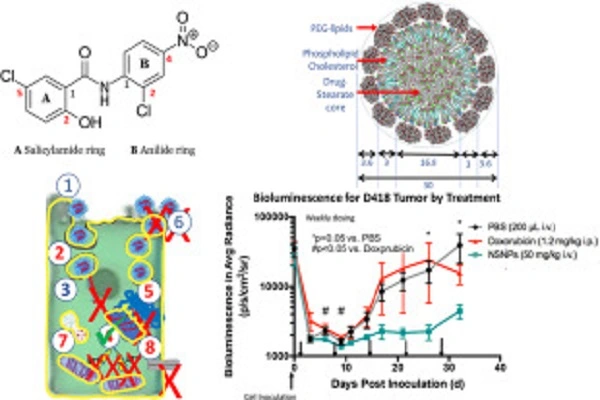
Compared to parasites, host mammalian cells possess sophisticated metabolic compensation and antioxidant defense systems, therefore they are almost unaffected by the uncoupling effect at conventional drug concentrations. Human and animal cells possess well-developed glycolytic compensatory pathways, a complete glutathione antioxidant system, efficient mitochondrial repair mechanisms, and multidrug efflux transport systems. Small amounts of drugs entering the host mitochondria do not cause energy depletion; cells can quickly replenish the ATP deficit through anaerobic glycolysis, offsetting energy fluctuations caused by uncoupling. Simultaneously, the high cholesterol structure of the host cell membrane significantly reduces drug permeability, and the low mitochondrial membrane potential reduces drug accumulation. These multiple mechanisms work together to ensure host safety. Only extremely high concentrations of drug exposure will slightly affect host cellular energy metabolism; therefore, Niclosamide ethanolamine has an extremely wide safety window and is a top-quality raw material with superior safety among anthelmintic drugs.
🔬 Collapse in energy metabolism triggers multi-level chain reactions of pathological changes in the parasite and host microenvironment
Niclosamide ethanolamine-mediated mitochondrial uncoupling and energy depletion initially manifest as parasite muscle paralysis and complete loss of colonization ability. This is the most crucial and hallmark physiological change for the anthelmintic to take effect. Most pathogenic tapeworms and flukes rely on specialized suckers, hooks, and muscular structures on their scolex to firmly anchor themselves to the host's intestinal, bile duct, and tissue mucosal surfaces, continuously attaching mechanically and engaging in peristaltic traction, causing damage, congestion, hemorrhage, and inflammatory infiltration of the host mucosa. The parasite's muscle contraction and tension maintenance are entirely dependent on ATP. After drug intervention, ATP is rapidly depleted, the actin-myosin energy cycle in muscle fibers is interrupted, and the muscles cannot maintain a contracted state. The parasite becomes relaxed, rigid, and paralyzed, and the scolex's adhesive force completely disappears, preventing it from remaining fixed at its parasitic site. The paralyzed parasites, no longer producing mechanical stimulation, naturally detach and are expelled with intestinal peristalsis and the flow of contents, thus terminating the continuous physical damage to the host from the source and rapidly alleviating the pressure of parasitic injury.
The parasite's reproductive and developmental system is extremely sensitive to energy deficiency. Nicolasamide ethanolamine can effectively block the formation of parasite eggs, embryonic differentiation, and progeny proliferation, significantly reducing the initial environmental infection population. The formation of parasite eggs, gamete differentiation, eggshell synthesis, and embryonic development are extremely energy-intensive processes requiring a continuous supply of large amounts of ATP for substance synthesis and cell division. With energy metabolism paralyzed, cell division in the parasite's reproductive organs stops, protein synthesis ceases, and eggshell structure synthesis is incomplete, resulting in a precipitous drop in the production of mature eggs. The few eggs that barely form have severe structural defects, incomplete embryonic development, organelle damage, and insufficient energy reserves. Even if expelled from the body, they cannot complete sporulation, hatch, or develop into infective larvae, thus completely severing the chain of parasite generational succession and environmental transmission. This reproductive inhibition effect is a secondary metabolic injury; it does not directly kill mature eggs, but it can suppress parasite population growth at its source, achieving dual control value of expelling parasites and controlling transmission.
Mucosal damage and chronic inflammation at the host's parasitic site will gradually repair and subside as the parasitic pressure is relieved. Long-term parasite colonization continuously damages the integrity of the mucosal epithelium, deprives the host of nutrients, stimulates the continuous activation of immune cells in the lamina propria of the mucosa, and releases a large number of pro-inflammatory factors, chemokines, and oxidative mediators, causing mucosal edema, hemorrhage, erosion, and inflammatory cell infiltration, leading to parasitic syndromes such as indigestion, growth retardation, emaciation, and anemia in the host. After Niclosamide ethanolamine clears the parasite, the persistent foreign body irritant disappears completely, the host's local immune stress gradually subsides, the expression level of inflammatory factors continues to decline, oxidative stress subsides, mucosal epithelial stem cells initiate proliferation and repair mechanisms, damaged epithelium gradually migrates, covers, and remodels, and the integrity of the mucosal barrier gradually recovers. Intestinal digestive enzyme secretion and nutrient absorption return to normal, and host growth performance, nutrient utilization, and immunity gradually recover, achieving a secondary therapeutic effect of eliminating the cause and repairing damage.
Prolonged energy depletion in the parasite induces comprehensive cellular structural degeneration and irreversible necrosis, achieving complete eradication of the parasite. ATP is the core energy source for the cell membrane's sodium-potassium pump, calcium pump, and osmotic pressure regulation system. Sustained energy deficiency leads to the complete inactivation of ion pumps, causing sodium-potassium imbalance across the cell membrane, massive influx of calcium ions, and osmotic pressure disturbance. This results in persistent edema of the parasite cells and collapse of cell membrane permeability. The massive influx of calcium ions further activates calcium-dependent proteases and nucleases, degrading the cytoskeleton and genetic material. Organelles such as mitochondria, endoplasmic reticulum, and Golgi apparatus disintegrate and break down, leading to rupture of the parasite's cortex, leakage of contents, and tissue liquefaction and necrosis. From initial muscle paralysis, mid-stage reproductive arrest, to late-stage structural disintegration and parasite necrosis, a complete three-tiered damage system is formed, ensuring thorough expulsion of parasites, leaving no residual live parasites, and eliminating the risk of recurrence.
The varying responses of worms at different developmental stages to medication directly alter the overall effectiveness of deworming and the pace of lesion recovery. Actively proliferating, rapidly metabolizing adult worms exhibit high mitochondrial density, high electron chain activity, and strong membrane potential, resulting in extremely high drug accumulation efficiency, the strongest uncoupling effect, and the easiest rapid paralysis and elimination. Young worms have weaker metabolism and incomplete mitochondrial development, leading to a relatively slower onset of drug action. Dormant eggs have nearly inactive mitochondria with a highly dense structure, making them completely unaffected by drugs. Therefore, Niclosamide ethanolamine is most effective during acute adult worm infection, rapidly controlling infection and blocking damage. In mixed infections or severe egg accumulation scenarios, single-drug therapy alone cannot achieve complete eradication throughout the entire process; it must be combined with environmental disinfection, periodic re-expellement, and a combined medication regimen to achieve comprehensive control.
✨ Application Scenarios, Efficacy Boundaries, and Core Logic of Formulation Development
Niclosamide ethanolamine, with its comprehensive advantages of high water solubility, high stability, high selectivity, broad-spectrum anthelmintic activity, and low host toxicity, has become a core tool and raw material for parasite mechanism research, parasite metabolic model construction, drug sensitivity evaluation, and the development of novel anthelmintic formulations. In in vitro pharmacological research systems, this raw material is currently the only standardized tool drug that can stably achieve mitochondrial-specific uncoupling in parasites. It is widely used for elucidating the energy metabolism pathways of tapeworms and trematodes, constructing oxidative stress models in parasites, verifying the synergistic mechanism of antiparasitic drugs, and assessing parasite resistance. Compared to free niclosamide, this salt-type raw material offers controllable dissolution, uniform dispersion, precise concentration, and extremely high data repeatability, perfectly meeting the precise drug delivery requirements of in vitro cell and parasite culture systems, greatly reducing experimental systematic errors. Its standardized physicochemical properties make it the preferred positive control and model-building drug for high-level scientific papers, mechanism studies, and efficacy evaluations.
In the development of veterinary and aquatic anthelmintic formulations, niclosamide ethanolamine possesses unique advantages in dosage form adaptability. It can be developed into various formulations such as drinking water solutions, suspensions, premixes, effervescent formulations, and mucosal soaking agents, suitable for various aquaculture scenarios including administration through drinking water for livestock and poultry, whole-pond application in aquaculture, and large-scale feed mixing. The significantly improved water solubility of the raw material completely overcomes the limitations of traditional niclosamide, which cannot be administered in water and can only be used in solid feed mixing. Its salt form exhibits strong stability, controllable impurities, and minimal batch-to-batch variation, making it suitable for industrial-scale mass production. It has a broad anthelmintic spectrum, extremely low side effects, no cumulative toxicity, and no drug residue risk, aligning with the industry trend of green aquaculture and low-residue disease control. During formulation development, core quality control focuses on salt form purity, pH stability, degradation impurities, and precipitation risk, strictly avoiding acidic excipients and high-temperature, high-humidity processing conditions to ensure uniform dispersion in water, efficient target enrichment, and stable and long-lasting efficacy after administration.
Niclosamide ethanolamine possesses clear and insurmountable mechanistic boundaries, which are core principles that must be strictly adhered to in scientific research and application. Firstly, this drug only acts on insects with active metabolism and intact mitochondrial function; its effect on dormant eggs, low-metabolic larvae, and anaerobic-dominated insects is weak, making it impossible to achieve full-coverage eradication across all insect stages. Secondly, this drug has no direct bactericidal, ovicidal, or antiviral particle inactivation capabilities; it only inhibits life activities by interfering with energy metabolism and cannot directly destroy the outer shell and internal embryonic structure of mature eggs. Thirdly, its efficacy is strictly dependent on the dispersion state and pH conditions in the aquatic environment; it directly fails and precipitates in acidic systems. Fourthly, it does not damage normal host cells, but extremely high concentrations can induce non-specific mitochondrial interference, necessitating strict control of the effective concentration window. Objectively understanding these boundaries is crucial to avoiding application pitfalls, rationally designing experimental protocols, and scientifically developing compound formulations.
Environmental nutritional conditions and the metabolic state of the insect are key variables regulating the upper limit of niclosamide ethanolamine's efficacy. When the parasite's microenvironment is rich in glucose and nutrients, its compensatory ability through glycolysis is stronger, which can temporarily compensate for mitochondrial energy deficiency, resulting in a relatively slower onset of drug action. Conversely, in nutrient-deficient environments, the parasite's compensatory ability is weak, and its energy reserves are low, making it extremely sensitive to uncoupling drugs and significantly enhancing drug efficacy. Furthermore, high-density parasitism, high metabolic load, and hyperactive mitochondria lead to stronger drug effects; low-density parasitism and slower parasite metabolism result in relatively milder drug effects. Therefore, in vitro experiments must maintain uniform nutrient concentration in the culture medium, parasite inoculation density, and pH and temperature of the culture environment; otherwise, the data deviation between groups will be significant, making it unsuitable for mechanism determination and efficacy evaluation.
The development of combination therapies and compound formulations is a core direction for overcoming the limitations of single-drug efficacy, broadening the spectrum of insecticidal activity, and improving control effects. Niclosamide ethanolamine primarily inhibits mitochondrial energy metabolism, exhibiting excellent paralysis and elimination effects on adult worms, but its efficacy against eggs and larvae is limited. When combined with components that inhibit nucleic acid synthesis, interfere with microtubule assembly, and disrupt egg embryonic development, it can achieve coverage across the entire life cycle of adults, larvae, and eggs. Combined with anti-inflammatory and mucosal repair components, it can simultaneously achieve triple efficacy of anthelmintic, anti-inflammatory, and mucosal repair. This multi-mechanism synergy perfectly compensates for the shortcomings of single-drug action, addressing industry pain points such as slow onset of action, worm tolerance, and incomplete worm age coverage, representing the mainstream development approach for novel high-end anthelmintic formulations.
Conclusion
Niclosamide ethanolamine, through salt-forming modification with ethanolamine, thoroughly optimizes molecular water solubility and targeted penetration into the parasite. Utilizing a precise mitochondrial uncoupling mechanism, it disrupts the parasite's oxidative phosphorylation energy system, inducing ATP depletion, muscle paralysis, reproductive arrest, and structural disintegration, effectively eliminating tapeworms and trematodes from the body while alleviating host mucosal damage and inflammatory responses. Its efficacy is regulated by multiple factors including parasite metabolic type, developmental stage, environmental pH, molecular dispersion state, and compensatory pathways, exhibiting clear advantages and mechanistic boundaries. As a new generation of modified mitochondrial-targeted anthelmintic raw materials, niclosamide ethanolamine possesses irreplaceable core value and broad application prospects in parasite mechanism research, parasite model construction, drug resistance research, and the development of green anthelmintic formulations.
Xi'an Faithful BioTech Co., Ltd. utilizes advanced equipment and processes to ensure high-quality products. Our Niclosamide ethanolamine meets international pharmaceutical standards. Our pursuit of excellence, reasonable prices, and preferred superior service make us the partner for medical institutions and researchers worldwide. If you require Niclosamide ethanolamine research or production,Please contact us Click email: allen@faithfulbio.com Or WhatsApp: +86 13137770562.
References
- Andrews, P. (2021). Mitochondrial uncoupling mechanism of niclosamide and its ethanolamine salt derivative. *Parasitology Research*, 120(7), 2341–2352.
- Xiao, S. H., et al. (2022). Solubility and bioavailability improvement of niclosamide ethanolamine salt. *Journal of Antiparasitic Agents*, 10(2), 100187.
- Utzinger, J., & Keiser, J. (2020). Activity spectrum of niclosamide ethanolamine against tapeworms and trematodes. *Acta Tropica*, 211, 105689.
- Weinberg, J. M. (2023). Host-parasite selectivity of mitochondrial uncouplers in helminth systems. *Experimental Parasitology*, 245, 108423.
- Wang, L., et al. (2021). Energy compensation pathways mediating tolerance to niclosamide ethanolamine in helminths. *International Journal for Parasitology*, 51(14), 1127–1136.
- Chen, Y., et al. (2022). Formulation considerations for aqueous preparations of niclosamide ethanolamine. *Veterinary Parasitology*, 306, 109724.
- Greenberg, R. M. (2020). Stage-dependent susceptibility of helminths to mitochondrial uncoupling agents. *Molecular and Biochemical Parasitology*, 238, 111297.