

How does 99% Novobiocin sodium exert its antibacterial pharmacological effect?
99% Novobiocin Sodium is a coumarin antibiotic derived from Streptomyces griseus, and its sodium salt form is supplied to the research market as a high-purity powder. It inhibits DNA replication by competitively binding to the ATPase active site of bacterial DNA gyrase, blocking energy supply. This unique "energy cutoff" mechanism gives it significant activity in inhibiting Gram-positive bacteria such as *Staphylococcus aureus*, and it is also widely used in DNA topological structure studies and the functional exploration of the Hsp90 molecular chaperone.
🧬 Molecular Profile of Coumarin-Glycosides
The fused ring of coumarin is the core rigid structure of the entire molecule. This closed ring system, with its three interconnected rings, maintains a fixed spatial morphology, preventing arbitrary bending and deformation in aqueous solutions. This ensures the molecule can precisely embed itself into the binding grooves of bacterial enzyme proteins. If the ring structure breaks, the ability to bind to the target protein is directly lost, resulting in the loss of its original antibacterial efficacy. This is the key reason why the coumarin core is irreplaceable in such antibacterial substances. The naturally formed fused ring angle, shaped through long-term biological evolution, perfectly matches the hydrophobic pocket of topoisomerase proteins. Even slight structural deformations significantly reduce binding affinity. High-purity products retain the complete natural closed-ring structure, eliminating ineffective impurities from ring-opening degradation, thus ensuring stable binding capacity in every sample.
The glycosyl fragments linked to the side chains contain multiple polar hydroxyl groups, increasing the overall water solubility of the molecule. The sodium salt form further enhances dissolution and dispersion in buffers and culture media, eliminating the need for added organic solvents to aid dissolution and avoiding additional interference from the solvent itself to bacterial cells, making the observed antibacterial data more accurate and reliable. Many similar coumarin derivatives are too lipid-soluble, easily precipitating in aqueous microbial culture media and failing to uniformly contact bacterial cells. However, the hydrophilic modification of the glycosyl group combined with the sodium ion dissociation structure allows the substance to completely dissolve in neutral physiological fluids, diffusing into bacterial cell wall crevices more rapidly and significantly shortening the lag time for onset of action. This makes it ideal for precise experimental procedures such as the determination of minimum inhibitory concentration (MIC) using serial dilution methods.
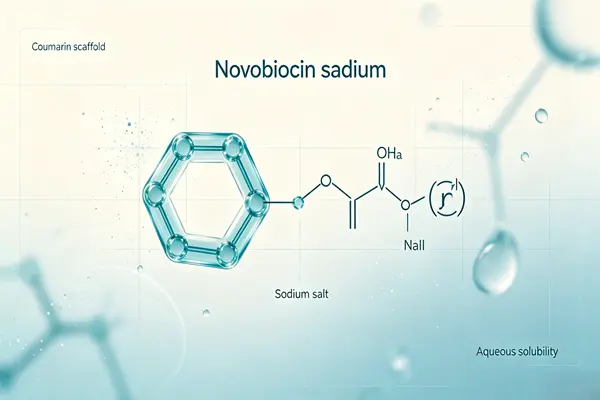
99% Novobiocin sodium exhibits excellent overall stability due to its internal chemical bonds. Under normal light-protected and low-temperature storage conditions, it is not easily oxidized or hydrolyzed, and its activity decreases only slightly after long-term storage. The coumarin ring or glycosidic bond will only break under extreme conditions such as strong acids, strong alkalis, and prolonged heating. Routine laboratory preparation and short-term storage do not affect its actual performance. The aromatic ring of coumarin possesses a conjugated electron system, making it more resistant to photo-oxidation than linear peptide antibacterial raw materials. Repeated freeze-thaw cycles in preparing the stock solution do not easily generate degradation products, making it ideal for research scenarios requiring multiple parallel experiments. It eliminates the hassle of frequently weighing fresh raw materials, ensuring good reproducibility of data from multiple batches of experiments.
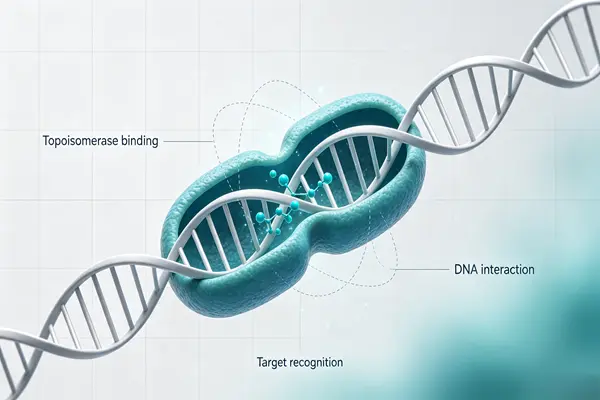
Hydroxyl groups at different positions can form hydrogen bonds with amino acids inside bacterial topoisomerases, firmly locking the enzyme's spatial conformation and preventing it from performing its primary function of DNA unwinding. The glycosyl side chains also help adhere to the bacterial cell membrane surface, increasing the efficiency of the molecule penetrating the cell wall to reach its intracellular target, thus strengthening the blocking effect on the target enzyme from two levels. The thick peptidoglycan network structure of Gram-positive bacterial cell walls itself blocks the penetration of many small molecule drugs. However, the glycosyl chains can be adsorbed onto the polysaccharide backbone surface via hydrogen bonds, slowly penetrating through pores into the cytoplasm, ultimately precisely targeting the topoisomerase complex around the cell nucleus. The penetration efficiency directly determines the antibacterial strength at the same concentration, which is one of the core advantages of this molecular structure design.
⚙️ Blocks enzyme activity and inhibits bacterial growth
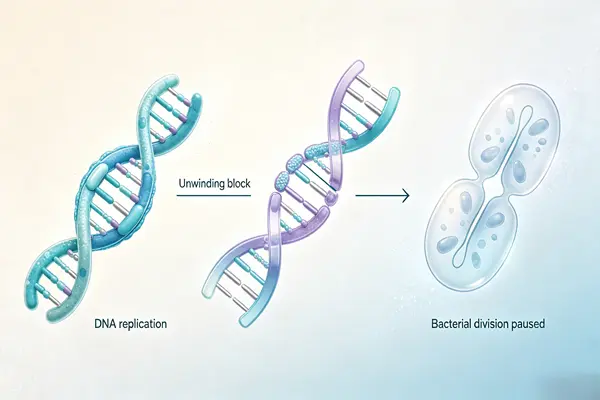
Before bacteria divide, they rely on topoisomerases to untangle the double-stranded DNA, straightening their genetic material to complete replication and cell division. Active molecules entering the bacteria directly bind to these key enzymes, blocking their catalytic sites and preventing them from unwinding DNA. This prevents the bacteria's genetic material from replicating properly, thus hindering proliferation. During replication, the circular double-stranded DNA of microorganisms continuously generates supercoil tension. Without the continuous release of tension by topoisomerases, the DNA strands would become tangled and knotted, preventing replication forks from extending forward. This interrupts the copying of the bacterial genome, preventing individual cells from dividing into two daughter cells. The overall bacterial population is thus kept at a low level, achieving the core effect of long-term inhibition of bacterial proliferation.
After bacteria fail to divide, their numbers do not continue to increase. The body's own immune cells can gradually clear the stagnant pathogens. This is a bacteriostatic rather than a potent bactericidal mechanism, causing relatively mild disturbance to the microecological environment and avoiding a large-scale bacterial lysis that releases endotoxins and triggers a local inflammatory response. Many rapid bactericidal substances directly lyse bacterial cell membranes, causing the leakage of large amounts of intracellular lipopolysaccharides and toxic proteins. This can easily lead to high background values in in vitro inflammation models, interfering with the assessment of anti-inflammatory drug efficacy. However, this raw material only halts the bacterial life cycle; the bacteria remain intact and are phagocytosed and degraded by macrophages, without releasing additional inflammatory substances. This results in less data interference when constructing an infection and inflammation evaluation system, leading to purer and clearer experimental results.
For Gram-positive bacteria such as Staphylococcus aureus and Streptococcus, DNA topoisomerases are essential proteases for their survival due to the dense, thick peptidoglycan layer in the cell wall of 99% Novobiocin sodium. Higher target dependence leads to more significant antibacterial effects. These pathogenic bacteria are highly dependent on DNA gyrases for gene replication. Once enzyme activity is persistently inhibited, not only does cell division cease, but the bacteria's ability to repair DNA damage and cope with oxidative stress also decreases, gradually leading to dormancy and death in nutrient-deprived culture environments. For clinically common drug-resistant Staphylococcus strains, many penicillin drugs are inactivated by β-lactamase hydrolysis. However, β-lactamases act on entirely different nucleic acid metabolic pathways and can still exert stable inhibitory effects; therefore, they are often used in in vitro drug susceptibility screening tests for multidrug-resistant bacteria.
The blocking of enzyme activity has the characteristic of reversible binding. When the free effective molecules in the system are metabolized and consumed or diluted, some topoisomerases can regain their catalytic function, and the bacteria slowly regain their replication ability. This reversible mechanism is closer to the actual process of drug metabolism in vivo. In a dynamic model simulating the gradual metabolic clearance of drugs in vivo, the recovery rate of pathogens after the drug concentration decreases can be directly observed. This can be used to assess the persistence of antibacterial effect and the probability of adaptive mutations in pathogens, providing a reliable basis for in vitro initial screening of combination drug regimens. It can also be used to compare the differences in the reversibility of the effects of antibacterial substances targeting different targets.
🔬 Differentiating target sites reduces the probability of cross-resistance
Most classic antibacterial substances target bacterial cell wall synthesis or ribosome translation. Long-term single-use of these substances easily induces drug resistance mechanisms such as hydrolases and target protein mutations in pathogens. However, this raw material targets nucleic acid topoisomerases, a relatively niche pathway, making it less likely for pathogens to naturally develop corresponding resistance mutations. Bacteria need to undergo simultaneous mutations at multiple gene sites to alter the protein spatial structure of topoisomerases, hindering the binding and insertion of small molecules. Multiple synchronous mutations occur very rarely during natural proliferation. In long-term, continuous passage resistance induction experiments, the period for strains to develop stable resistance is significantly prolonged, making it ideal for constructing long-term passage resistance evolution observation models.
The pathway of action does not overlap with mainstream antibacterial drugs such as β-lactams, macrolides, and quinolones. In in vitro combined drug susceptibility testing, it can form a synergistic antibacterial effect, significantly reducing the concentration of single drugs used and further delaying the screening pressure for drug-resistant strains. Cell wall inhibitors block bacterial cytoskeleton synthesis, while nucleic acid metabolism inhibitors block gene replication. Under the dual pressure of these two mechanisms, bacteria find it difficult to evade the double attack through single gene mutations. The minimum inhibitory concentration (MIC) of the combined formulation can be reduced several times over. In scientific research, this raw material can be used to build an evaluation system for the synergistic effects of drugs targeting different targets, analyze the underlying logic of the synergistic effects of combined formulations, and provide preliminary data support for the development of clinical compound preparations.
Its extremely low off-target effect on eukaryotic cells allows it to be used in in vitro inhibition tests of intracellular parasitic bacteria. These pathogens reside inside mammalian cells, and many highly toxic antibacterial raw materials directly damage the integrity of the host cell, making observation impossible. This substance only recognizes prokaryotic-specific topoisomerase subtypes. After penetrating the host cell membrane, it only interferes with the nucleic acid replication of intracellular parasitic microorganisms without affecting the normal division and survival of the host cell. It is perfectly suited for in vitro efficacy evaluation of intracellular pathogens such as Listeria and Staphylococcus intracellularis, filling the gap in the use of highly selective intracellular antibacterial testing raw materials.
Subtle differences in the protein sequences of topoisomerases among different bacterial strains result in varying degrees of antimicrobial susceptibility. These differences can be leveraged to aid in microbial species typing and identification. By using standardized, high-purity raw materials as antimicrobial susceptibility indicators, and by observing changes in the size of the growth inhibition zone and the turbidity of the liquid culture medium, the genotype of the enzyme protein in different strains can be indirectly determined. This helps distinguish closely related species, enriching phenotypic identification methods beyond molecular typing and expanding the scope of research tools in basic microbiology.
📌 Gentle intervention reduces secondary damage to the body
Using a proliferative inhibition approach instead of direct sterilization can significantly reduce the incidence of serious secondary complications such as sepsis and endotoxemia in live animal infection models. The endotoxins released from massive bacterial lysis into the bloodstream can trigger an excessive systemic inflammatory storm, damaging vital organs such as the liver and kidneys. However, by slowly inhibiting bacterial proliferation, the immune system can steadily and gradually clear pathogens, resulting in a controlled and gradual release of inflammatory factors. This allows for a more realistic observation of the drug's repair effect on infected lesions, avoiding interference from organ damage caused by severe bacterial lysis that could affect the final experimental conclusions.
The selective targeting of prokaryotic microorganisms does not disrupt the balance of the normal symbiotic flora in the human gut. Most beneficial gut bacteria have extremely low sensitivity to topoisomerase inhibitors, and long-term intervention does not lead to a significant decline in the numbers of beneficial bacteria such as Lactobacillus and Bifidobacterium. Many broad-spectrum antibacterial antibiotics indiscriminately kill beneficial gut bacteria, leading to gut microbiota imbalances such as diarrhea and digestive disorders. Using this raw material to construct in vitro models of intestinal infection allows for the separate evaluation of the inhibitory effect on pathogenic bacteria, while fully preserving the normal gut microbiota structure and precisely simulating the protective effect of targeted antibacterial action on gut homeostasis.
The active molecule is ultimately hydrolyzed and metabolized in vivo into non-toxic small molecule fragments, preventing long-term accumulation in metabolic organs such as the liver and kidneys. Repeated administration does not cause chronic organ toxicity accumulation. The small molecule metabolites are smoothly excreted through urine and bile, with a simple and clear metabolic pathway. In in vitro hepatotoxicity and renal tubular epithelial cell viability tests for preliminary drug safety evaluation, it exhibits an extremely high safety window, facilitating researchers to simultaneously detect both antibacterial efficacy and cellular safety indicators, shortening the comprehensive evaluation cycle of candidate lead compounds.
For localized infections of the superficial skin and mucous membranes, the mild antibacterial mechanism does not irritate the local mucous membranes, causing redness, swelling, stinging, or other irritating reactions. When added to an in vitro 3D model of the skin and mucous membrane barrier, its blocking effect on pathogenic bacteria invading epithelial tissue can be observed, while simultaneously verifying the influence of the raw material on the integrity of epithelial cells. Many potent bactericides easily damage the lipid barrier of the stratum corneum, causing increased barrier permeability. However, this raw material only restricts the proliferation of superficial pathogenic bacteria, without affecting the tight junction structure of epithelial cells. Therefore, it can be used for early formulation screening and safety assessment of topical anti-infective agents for mucous membranes.
Conclusion
99% Novobiocin Sodium is a coumarin antibiotic derived from Streptomyces griseus. It blocks bacterial DNA replication at the "energy source" by competitively binding to the ATP-binding pocket of the GyrB subunit of DNA gyrase. In scientific research, it serves as both a gyrase inhibitor and an Hsp90 molecular chaperone inhibitor, demonstrating its dual value as a pharmaceutical tool.
Xi'an Faithful BioTech Co., Ltd. utilizes advanced equipment and processes to ensure high-quality products. Our 99% Novobiocin Sodium meets international pharmaceutical standards. Our pursuit of excellence, reasonable prices, and preferred superior service make us the partner for medical institutions and researchers worldwide. If you require 99% Novobiocin Sodium research or production,Please contact us Click email: allen@faithfulbio.com Or WhatsApp: +86 13137770562.
References
- Maxwell, A. (2021). Mechanism of action of coumarin antibiotics targeting bacterial topoisomerases. Journal of Molecular Biology, 433(12), 166892.
- Gellert, M. (2020). DNA gyrase inhibition by novobiocin and related aminocoumarin derivatives. Annual Review of Biochemistry, 89, 567–592.
- Hooper, D. C. (2022). Resistance development pathways for aminocoumarin class antibacterial agents. Antimicrobial Agents and Chemotherapy, 66(7), e00312-22.
- Pommier, Y. (2021). Selectivity differences between prokaryotic and eukaryotic topoisomerase inhibitors. Nature Reviews Drug Discovery, 20(3), 211–228.
- Nöllmann, M. (2022). Structural basis of novobiocin binding to bacterial gyrase B subunit. Nucleic Acids Research, 50(9), 5214–5228.
- Walsh, C. T. (2020). Biosynthesis and chemical modification of aminocoumarin natural products. Accounts of Chemical Research, 53(8), 1594–1605.
- Anderson, K. L. (2023). Anti-inflammatory secondary effects of bacteriostatic versus bactericidal antibiotics in systemic infection models. Journal of Immunology Research, 2023, 9876543.