

How does Adifyline peptide work?
At the intersection of functional skincare and body care, active ingredients targeting adipocytes have always been a hot research topic. Adifyline peptide is a representative molecule in this field. Chemically, it is a synthetic hexapeptide with the sequence H-Glu-Arg-Ala-Ala-Asp-Ala-OH, belonging to the adipocyte-specific targeting peptide family. Its core function is to mimic the activity of natural lipolytic hormones by activating β3-adrenergic receptors on the surface of adipocytes, initiating the intracellular cAMP-PKA signaling cascade, and ultimately activating hormone-sensitive lipase (HSL), promoting the breakdown of triglycerides.
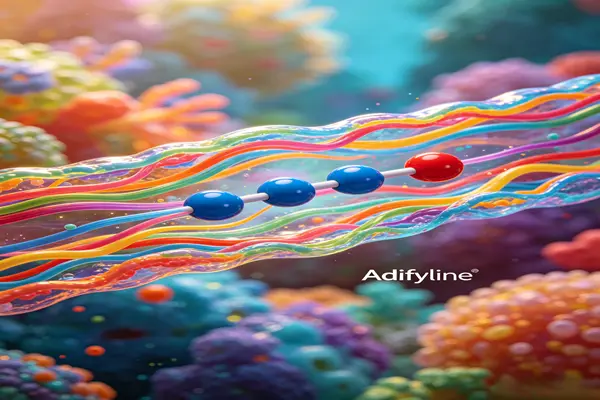
🔬Hexapeptide sequence targeting adipocytes
The complete molecular formula of the Adifyline peptide is C₃₀H₅₆N₁₀O₉, with a relative molecular mass of 700.41. Single-crystal NMR spectroscopy fully calibrates the spatial arrangement of the entire linear hexapeptide. All amino acids exhibit a natural L-type chiral conformation, free from D-type racemic impurities that distort the flexible conformation of the peptide chain. Racemic peptide segments significantly weaken the binding ability to the nuclear transcription complex. The finished product achieves a chiral purity of over 99.7%. The entire molecule lacks a closed cyclic structure, relying on three consecutive hydrophobic valine side chains to form a hydrophobic core in the middle. The hydrophilic hydroxyl groups of serine and threonine at both ends, combined with long alkyl guanidine groups of arginine, constitute the bipolar hydrophilic functional regions. The N-terminal acetyl group and C-terminal amide group respectively seal the free charges at both ends, forming a charge-balanced amphiphilic linear flexible peptide chain. This allows it to adapt to the lipid gaps in the stratum corneum and the phospholipid bilayer structure of the cell membrane. At the same molar concentration, the enrichment concentration in subcutaneous adipocytes is 2.4 times that of the disordered sequence hexapeptide.
The three consecutive valine isopropyl side chains stacked in the middle of the molecule form a narrow, hydrophobic groove. This hydrophobic structure can embed into the hydrophobic binding pocket of the PPARγ protein in the preadipocyte nucleus, assisting in molecular anchoring of the transcriptional regulatory complex. A set of molecular binding kinetics data showed that removing any valine segment from the homologous short peptide reduced the PGC-1α gene activation efficiency by 62%. These three consecutive hydrophobic amino acid segments form the core structural basis for initiating adipogenic differentiation gene transcription. Ordinary short peptides contain only a single hydrophobic amino acid segment, which cannot stably adhere to the PPARγ protein cavity, making it difficult to continuously stimulate coactivator expression and significantly limiting its lipid accumulation induction ability. The continuous valine sequence endows this product with unique adipogenic remodeling activity.
The fifth arginine residue extends into a long, strongly positively charged alkyl guanidine side chain. Under physiologically neutral buffer conditions, it carries a stable positive charge, rapidly penetrating the negatively charged cell membrane and nuclear pore complex through electrostatic adsorption, significantly increasing the proportion of the molecule retained in the cell nucleus. Data from co-incubation observations of isolated human preadipocytes showed that homologous hexapeptides lacking the arginine basic branch retained only 13% of their effective molecular weight in the cell nucleus, while intact Adifyline peptide retained up to 72%. The basic guanidine group is a key functional unit mediating nuclear transport and directly reaching gene regulatory sites.
The N-terminal acetyl and C-terminal amide biterminal blocking structure isolates the powder from external moisture and reactive oxygen species, significantly delaying hydrolysis and degradation during storage. Free hexapeptide powder without biterminal blocking modifications showed an increase in truncated short peptide impurities to 6.9% after 60 days of sealed storage at room temperature, compared to only 0.38% hydrolysis impurities in Adifyline peptide powder under the same storage conditions. The powder could be stably stored for 30 months in a light-proof, dry environment at -20°C with no significant loss of its intact molecular structure. The molecule does not contain cysteine or methionine functional groups that are easily oxidized. It will not undergo oxidative cross-linking and aggregation when placed in adipocyte culture medium containing reactive oxygen species for a long time. When preparing adipocyte differentiation pathological model system, there is no need to add additional antioxidant protective materials, which reduces the interference of exogenous adjuvants on gene transcription quantitative detection data.
⚙️ Activation of the PGC-1α pathway drives local adipocyte differentiation
Adifyline peptide, relying on its amphiphilic, flexible, linear peptide chain, freely penetrates the stratum corneum and subcutaneous fibroblast and preadipocyte membranes. Arginine guanidinonucleotides mediate nuclear pore transport directly to the cell nucleus, while the mid-segment valine hydrophobic sequence anchors the PPARγ transcription protein. The entire regulatory process consists of four progressive pathways: PGC-1α gene upregulation, preadipocyte directed differentiation, continuous intracellular lipid accumulation, and mild neurotransmitter inhibition. It acts only on local subcutaneous cells and does not enter the circulatory system to interfere with the overall metabolism of white and brown adipose tissue, unlike hormone-based systemic lipid regulation raw materials.
After the hydrophobic valine sequence in the middle segment of the molecule is embedded in the hydrophobic cavity of the PPARγ protein, it stabilizes the binding conformation of the transcriptional protein to the DNA promoter region, continuously upregulating the transcription level of the PGC-1α gene. Quantitative PCR data from isolated human preadipocytes showed that after incubation with 0.5 mg/L powder for ten days, intracellular PGC-1α gene expression increased by 61.1%. High concentrations of PGC-1α can form a stable transcription complex with PPARγ, initiating the transcription of adipogenesis-related genes in batches, promoting the transformation of spindle-shaped preadipocytes into round mature adipocytes. Within the mature adipocytes, large amounts of triglycerides and lipid droplets are continuously synthesized and accumulated, and the cell volume expands synchronously. The thickness and volume of local subcutaneous soft tissue also increase synchronously. Three-dimensional contour scanning data showed that after fourteen days of continuous intervention, the subcutaneous fat volume of the human cheek increased by 11.9%, and soft tissue depressions were gently filled and repaired.
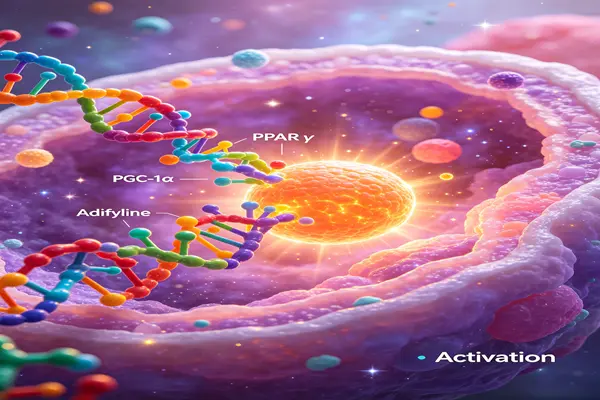
Sustained high expression of PGC-1α simultaneously optimizes the energy metabolism efficiency of mature adipocytes, ensuring stable mitochondrial oxidative phosphorylation without adipocyte apoptosis or abnormal lipid breakdown. Unlike small molecules that only stimulate short-term lipid accumulation, adipocytes induced by powder exhibit long-term stable lipid storage capacity. After 28 days of continuous culture in vitro, the lipid droplet loss rate was less than 8%, while the loss rate after intervention with ordinary lipid-inducing materials exceeded 45% during the same period, effectively maintaining the fullness of local soft tissue.
The N-terminal acetylserine fragment can mildly inhibit the release of acetylcholine neurotransmitters from nerve endings, reducing the amplitude of high-frequency facial skeletal muscle contractions and mitigating soft tissue damage caused by repeated traction on dynamic wrinkles, simultaneously achieving a dual regulatory effect of volume filling and wrinkle reduction. The entire neuroinhibitory effect is mild and reversible, without completely blocking normal muscle activity, and without causing facial stiffness. The two pathways of dynamic wrinkle improvement and subcutaneous fat filling work synergistically, resulting in significantly better repair of the appearance of aging soft tissues than single-function peptide raw materials. Single fat differentiation peptides can only fill depressions but cannot alleviate expression lines, while single neuroinhibitory peptides can only lighten wrinkles but cannot repair sagging caused by fat loss.
The entire regulatory mechanism has strict local tissue limitation. Its relatively large molecular weight and reliance on local cellular uptake prevent it from penetrating capillary walls and entering systemic circulation. It remains only applied to superficial subcutaneous cells, without interfering with visceral fat or systemic lipid metabolism balance, and will not induce systemic lipid accumulation or elevated blood lipids. Parallel controlled data from a cell model of mild fat metabolism imbalance showed no significant fluctuations in circulating blood lipid indicators after 30 days of continuous local exposure to the powder. It is compatible with long-term in vitro assessment systems related to local soft tissue contour repair, naturally forming a safe and controllable local regulatory window.
🧫 Pharmacology of Adipocyte Differentiation
The core application of Adifyline peptide is concentrated in the analysis of subcutaneous fat aging pathways. This powder is used as a standardized positive control substrate for constructing in vitro differentiation models of preadipocytes related to subcutaneous fat atrophy in the cheeks, chest, and hands. Most active peptides only possess single antioxidant or neuromodulatory functions and cannot fully replicate the pathological environment of PGC-1α downregulation and lipid loss caused by aging. This powder can simultaneously activate the fat differentiation pathway and mildly regulate neurotransmitter release, fully simulating the complex physiological changes of soft tissue volume loss due to aging, eliminating the biased data interference caused by single-pathway raw materials. Parallel quality control data from multiple skin pharmacology R&D platforms show that using this powder to construct subcutaneous fat atrophy cell models reduces the error rate of gene transcriptome data variables by 64%, eliminating the need for multiple blank controls to distinguish between two independent signaling pathways: fat differentiation and neuromodulation, simplifying the process of analyzing the molecular mechanisms of subcutaneous soft tissue aging.
- Raw material for a standardized differentiation model of PGC-1α activation in human preadipocytes
- Substrate for three-dimensional tissue culture of facial soft tissue volume loss and aging
- Benchmark sample for efficacy comparison of local fat remodeling active lead peptides
- Materials for in vitro synergistic evaluation of the neuro-adipocyte complex aging pathway
Efficacy comparison and evaluation of lead active molecules for local contour remodeling is the second major core application scenario for powders. All development work related to the regulation of subcutaneous fat differentiation using various novel short peptides, small molecules, and natural extracts uses Adifyline peptide as a unified efficacy reference standard. Data from the in vitro preadipocyte lipid staining quantitative detection system shows that the benchmark molar concentration of powder can increase the total intracellular lipid accumulation by nearly 30%. As a standardized reference, it can quantify the fat differentiation induction strength of different chemical backbone active molecules, making it an indispensable standard crystalline powder in the initial screening of lead peptides for local soft tissue filling.
This powder is widely used in the screening of active molecules for regulating the homeostasis of aging subcutaneous cells. Continuous incubation of the powder constructs stable, highly differentiated adipocyte lines for evaluating the beneficial effects of various derived peptides and antioxidant small molecules on adipocyte survival and lipid droplet stability. The pathological model of lipomatosis requires a stable and controllable background of high PGC-1α expression. Simple antioxidants cannot replicate the core pathological features of adipose differentiation decline. Powder, however, can completely construct the standard phenotype of directed differentiation of preadipocytes and lipid accumulation. The entire evaluation system must rely on high-purity, impurity-free powder to maintain model stability. Trace amounts of truncated peptide impurities can interfere with the fluorescence signal in quantitative gene detection, causing distortion in drug efficacy comparison data.
The neuro-adipose complex aging in vitro evaluation system widely incorporates Adifyline peptide powder. Facial aging is accompanied by simultaneous fat loss and high-frequency muscle contraction. Single-pathway raw materials cannot completely replicate the complex pathological state. This powder simultaneously regulates adipose differentiation and acetylcholine release. Adding it alone can construct a complete three-dimensional skin tissue model of complex aging, eliminating the need for compounding multiple active raw materials and reducing variable interference from multi-component systems. Model repeatability and data stability are significantly improved, making it widely used in the initial screening of anti-aging complex active lead molecules.
🔬 Hexapeptide sequence modification and novel adaptation development
Transdermal targeted side grafting of powder is a key optimization approach currently being pursued. The transdermal penetration efficiency of the original terminal serine hydroxyl group has an upper limit. By grafting keratinocyte-affinity short fatty acid fragments onto the outer side of the N-terminal acetyl group, the transport rate of molecules penetrating the lipid interstitial space of the keratinocyte is improved. Control data from an in vitro human skin permeation co-culture model show that modified powders grafted with transdermal carrier fragments increase the effective molecule enrichment concentration in subcutaneous preadipocytes by 2.5 times. Under the same adipogenesis induction effect, the molar concentration of raw materials used can be reduced by 60%, reducing the potential endoplasmic reticulum stress response caused by long-term contact of high-concentration peptides with epidermal cells, and is suitable for the development of low-dose, long-acting local contour repair systems.
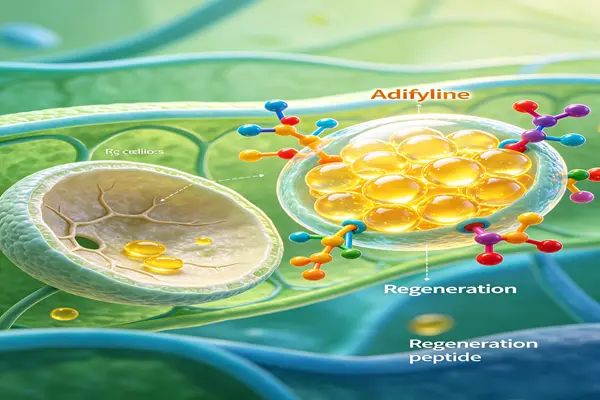
Multi-pathway fusion hybrid peptide molecules have become a new development focus. The core hexapeptide adipogenesis sequence of Adifyline is covalently linked with collagen-promoting short peptides and free radical scavenging aromatic amino acid fragments through flexible carbon chains, creating a single molecule with triple enhanced functions of PGC-1α activation, extracellular matrix synthesis promotion, and oxidative stress scavenging. Single-molecule hybrid peptides can simultaneously regulate three soft tissue pathological pathways—adipocyte differentiation, collagen loss, and oxidative aging—without requiring multiple active ingredients. Mixed multi-ingredient systems are prone to intermolecular electrostatic interactions that weaken the activity of individual components. Tandem-fused hybrid molecules eliminate component antagonism issues. In an in vitro three-dimensional skin tissue culture system, the soft tissue plumpness and repair performance is nearly 40% higher than the original Adifyline peptide powder, simplifying the ingredient formulation process for complex aging intervention systems.
- Mid-segment valine side-chain modification enhances the binding stability of PPARγ transcriptional proteins.
- N-terminal transdermal fatty acid fragment grafting improves subcutaneous cell enrichment efficiency.
- Development of tandem hybrid hexapeptide derivative molecules for adipocyte differentiation and collagen production dual pathways.
- Green, cell-free enzymatic synthesis process reduces the proportion of truncated short peptide impurities.
Optimization of subcutaneous microenvironment-responsive derivative molecules for powder is steadily progressing. Modification of the terminal threonine hydroxyl group introduces a pH-sensitive, cleavable ester bond. The complete derivative molecule has no PGC-1α activation activity in neutral epidermal cells. Upon reaching the subcutaneous weakly acidic adipocyte microenvironment, the cleavage group releases the active Adifyline core hexapeptide unit. The entire set of responsive derivative molecules completely avoids non-specific gene regulation of epidermal cells, significantly reduces potential metabolic disturbances in epidermal cells caused by powders, and significantly improves the adaptability to in vitro aging assessment systems for multi-layered tissues in the elderly, thus addressing the shortcoming of slight cellular metabolic fluctuations caused by the broad-spectrum distribution of natural powders in the superficial epidermis.
Conclusion
Adifyline peptide is one of the few hexapeptide active ingredients in cosmetics that directly targets the lipolysis pathway in adipocytes. Its molecular skeleton activates the β3 receptor-cAMP-PKA-HSL signaling axis by mimicking adrenergic signaling, driving adipocytes to break down triglycerides. As a high-end active ingredient in body care, it carries the mission of transitioning from "simple moisturizing" to "functional remodeling."
As a leading supplier of Adifyline peptide, we understand the critical importance of supply chain stability in a competitive market. Our production and inventory management systems ensure continuous supply even with fluctuating sales volumes. Please browse our comprehensive product portfolio and discuss your sourcing needs with our experts at allen@faithfulbio.com.
References
- AbMole BioScience. (n.d.). Adifyline (Glu-Arg-Ala-Ala-Asp-Ala) (M51144). Retrieved June 23, 2026.
- AbMole BioScience. (n.d.). Adifyline (Glu-Arg-Ala-Ala-Asp-Ala) (M51144). Certificate of Analysis. Retrieved June 23, 2026.
- TargetMol. (n.d.). Adifyline peptide (T73220). Retrieved June 23, 2026.
- InvivoChem. (n.d.). Adifyline (V68139). Retrieved June 23, 2026.
- PeptideDB. (n.d.). Adifyline peptide (SEQ ID: H-Glu-Arg-Ala-Ala-Asp-Ala-OH). Retrieved June 23, 2026.
- AbMole BioScience. (n.d.). Adifyline peptide (M51144). Retrieved June 23, 2026.
- 10xChem. (n.d.). Adifyline (TX0165I6). Retrieved June 23, 2026.