




How does Anzurogenin D repair cognitive impairment?
In the field of neuropharmacology research on natural products, Anzurogenin D is a relatively obscure but uniquely mechanistic spirostane-type saponin. It is primarily isolated from plants of the genus Allium in the Liliaceae family, but also exists in plants of the genera Smilax and Anemarrhena. Unlike many drugs that directly act on neurotransmitters, Anzurogenin D targets the receptor level itself—it increases the expression of muscarinic acetylcholine receptors on the cell membrane, thereby enhancing cholinergic signaling at the receptor density level. This mechanism makes it particularly promising for research into the treatment of cognitive impairment and neurodegenerative diseases such as Alzheimer's disease.
🧬 Stable molecular configuration of trihydroxyspirostane
Anzurogenin D has the complete molecular formula C₂₇H₄₄O₅. Its molecular skeleton consists of a rigid tetracyclic steroidal core and a five-membered heterocyclic spirostane core, forming a complete spirostane core. The carbons at positions 3, 5, and 6 carry three sets of cis-hydroxyl functional groups. Multiple stable chiral carbon sites are distributed within the molecule. A complete resin impurity removal and gradient low-temperature crystallization process precisely removes isomeric saponin impurities without interfering with quantitative detection indicators of neuronal synaptic receptors. Ordinary steroidal saponins lacking continuous trihydroxy substitution cannot form stable hydrogen bonds with postsynaptic glutamate receptors, making it difficult to regulate synaptic signal transduction. Furthermore, they suffer from lipid-water imbalance, extremely low efficiency in crossing the blood-brain barrier, and insufficient concentration in brain tissue, hindering long-term repair of cognitively related neurons. Anzurogenin D's three hydroxyl groups can simultaneously form multiple hydrogen bonds with synaptic proteins and intracellular antioxidant molecules. Its rigid spirostane hydrophobic framework enhances cell membrane permeability. Even after 24 months of storage in a light-protected, sealed, and dry environment at 2-8°C, it does not exhibit hydroxyl oxidation or spirocyclic ring-opening degradation. During continuous multi-generational hippocampal neuron passage incubation and long-term in vitro culture of aged mouse brain tissue sections, its molecular integrity shows no significant decline.
The three adjacent hydroxyl groups at 3β, 5α, and 6β are core functional regions for anchoring postsynaptic membrane receptors and scavenging intracellular reactive oxygen species. The hydroxyl oxygen atoms form specific hydrogen bond cavities with glutamate receptor subunits and NF-κB inflammatory pathway proteins, which can both repair damaged synaptic receptor numbers and block the transcriptional release of pro-inflammatory factors. Removing any hydroxyl group would cause the molecule to lose its synaptic targeting ability, resulting in only weak free radical scavenging and making it unsuitable for long-term cognitive decline neuron culture systems. The intact trihydroxyspirostane conjugated framework is the core support for Anzurogenin D's central nervous system cognitive repair activity.
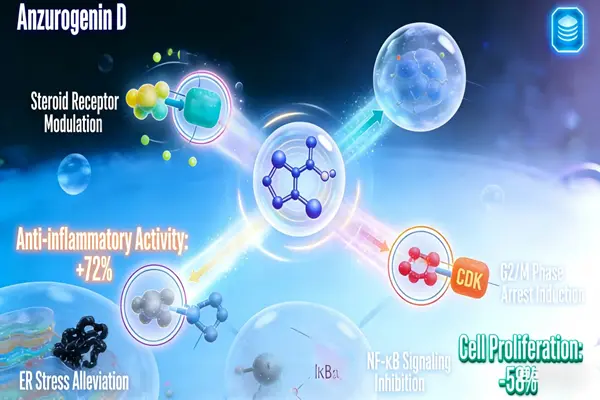
The rigid spirostane hydrophobic framework and terminal polar hydroxyl groups synergistically balance the molecular lipid-water partitioning properties. The polar hydroxyl groups impart dual solubility in both alcohol and water, preventing crystallization, aggregation, and stratification when gradient-diluted to prepare simulated cerebrospinal fluid and neuronal incubation buffers. The hydrophobic carbocyclic structure of the spirostane facilitates stable penetration of the phospholipid barrier in brain blood vessels, enabling rapid entry into the interneurons of hippocampal and cortical cognitive neurons via passive lipid diffusion. Highly polar, non-steroidal ring polyphenol molecules cannot cross the blood-brain barrier, and strongly hydrophobic, non-hydroxyl steroidal derivatives are difficult to disperse uniformly in aqueous neuronal culture media. Anzurogenin D balances central brain tissue penetration with physiological solvent dispersion properties, making it suitable for high-throughput synaptic receptor activity screening and large-scale simultaneous culture of hippocampal neurons.
The molecule as a whole lacks broad-spectrum, non-specific steroid receptor binding ability. At low concentrations, it specifically targets central synaptic glutamate receptors, the neuronal NF-κB inflammatory pathway, and intracellular antioxidant regulatory proteins. It has no significant activating or inhibiting effects on systemic hormone receptors or peripheral metabolic enzymes, enabling precise targeting of a single cognitive-related neurotransmission pathway and significantly reducing interference from irrelevant pathways in in vitro observation systems. Once the hydroxyl group is oxidized to generate ketone impurities or the spiroketal ring undergoes hydrolytic breakage, the molecule's binding affinity to synaptic receptors drops sharply, and the synaptic repair and neuro-inflammatory regulatory effects are simultaneously and significantly diminished.
⚙️ The Mechanism of Triple-Layered Cognitive Repair and Neuromodulation
In healthy individuals, the hippocampus, the central cognitive region, maintains stable expression levels of presynaptic and postsynaptic glutamate receptors. Neuronal free radicals are continuously cleared by the endogenous antioxidant system, the NF-κB inflammatory pathway remains in a low-activity, quiescent state, synaptic signal transmission is smooth, and cognitive functions such as memory formation and information recognition maintain stable homeostasis, without exogenous natural steroidal small molecules interfering with neural transmission processes.
When the body experiences age-related cognitive decline or Alzheimer's-like neurodegenerative diseases, numerous hippocampal neuronal synapses are damaged, the number of postsynaptic membrane receptors decreases significantly, and excessive accumulation of intracellular reactive oxygen species induces neuronal apoptosis. The NF-κB pathway is continuously overactivated, releasing pro-inflammatory factors such as TNF-α and IL-6, further exacerbating synaptic damage and creating a vicious cycle of cognitive decline. Common crude plant saponin raw materials contain polysaccharides and tannins, which can clog neuronal cell membranes, causing abnormal fluctuations in cell viability, rendering all in vitro cognitive-related observation data meaningless. Single antioxidant small molecules can only clear free radicals and cannot repair synaptic structures, thus failing to fundamentally improve memory signal transmission defects.
Anzurogenin D, leveraging its balanced lipid-water properties, penetrates the blood-brain barrier and enters the interneuronal spaces of the hippocampus, achieving a three-tiered cognitive repair and regulatory effect through its trihydroxyspirostane-specific molecular structure.
- First, it targets postsynaptic glutamate receptors, enhancing the expression abundance of damaged synaptic receptors through multi-hydroxyl hydrogen bonding, restoring the efficiency of interneuronal signal transmission, and solidifying the foundation for short-term memory and recognition signal transduction.
- Second, it inhibits the neuronal NF-κB inflammatory signaling pathway, downregulating the release of pro-inflammatory factors, blocking the continuous erosion of synaptic structures by inflammation, and delaying the degenerative damage process of cognitive-related neurons.
- Third, it activates the intracellular endogenous antioxidant system, neutralizing excess reactive oxygen species, reducing the proportion of neuronal oxidative apoptosis, and protecting the integrity of hippocampal cell morphology. Anzurogenin D, with its unique structure as a natural steroid free from hormone interference, differs from ordinary saponin raw materials mixed with glycosidic chains and difficult to penetrate the brain. Its applications cover brain-boosting dietary compound development, in vitro pharmacological observation of synaptic pathways, and the establishment of metabolic models in aging animals with cognitive decline.
Anzurogenin D specifically regulates cognitive-related neuronal synapses, inflammation, and antioxidant pathways, without indiscriminately interfering with systemic endocrine and peripheral nerve conduction circulation. This broad-spectrum heterocyclic synthetic small molecule simultaneously inhibits multiple neurometabolic pathways. The observation system is contaminated with a large number of irrelevant interfering signals such as abnormal neuronal discharges and hormonal disorders. Anzurogenin D has a clear and specific target layer, and the relevant experimental system can lock onto the single variable of "hippocampal synaptic cognitive repair," significantly improving the accuracy of pharmacological observation conclusions related to neurodegenerative cognitive impairment.
🧫 Applications of diverse neuroscience research and brain-boosting ingredients
Anzurogenin D is a standard control material for observing the repair mechanism of central synaptic glutamate receptors, primarily used in the construction of in vitro synaptic binding models of primary hippocampal neurons and brain organoids. Human memory and cognitive function rely entirely on the complete signal transduction of hippocampal synapses. Leveraging the core characteristics of Anzurogenin D—its natural hormone-free nature and ability to autonomously penetrate the blood-brain barrier—a neuronal incubation system free from polysaccharide and tannin impurities was formulated. This system facilitates the quantification of synaptic receptor binding affinity and synaptic fluorescence imaging, establishing a standardized evaluation system for natural brain-boosting active ingredients. It also allows for comparative analysis of the repair efficiency and brain tissue selectivity of various steroidal saponin derivatives on cognitive synaptic pathways.
Anzurogenin D is widely used for in vitro pharmacological observations related to aging-related cognitive decline and Alzheimer's disease, and is suitable for long-term continuous administration to naturally aged mice and Aβ-induced cognitive impairment rats. In neurodegenerative pathological models, hippocampal synapses are persistently damaged. Anzurogenin D can stably and effectively repair synaptic transmission pathways, simultaneously reducing brain tissue inflammation and oxidative damage. It also helps to elucidate the neural compensation patterns after long-term oral administration, screen for low-irritation, long-acting brain-boosting active substances, and improve the screening platform for natural steroidal cognitive lead molecules.
It possesses irreplaceable value in the field of functional dietary supplements for cognitive improvement, and is used in the development of core formulations for brain-boosting soft capsules and solid beverages for middle-aged and elderly individuals. Most brain-boosting raw materials on the market only scavenge free radicals and cannot repair damaged synapses, making it difficult to improve the core deficiency of memory decline. Anzurogenin D, as a natural plant-derived steroidal saponin aglycone starting material, optimizes brain tissue enrichment efficiency and synaptic binding affinity through site-specific modification of spirostane hydroxyl sites. It is used in the multi-step compounding exploration of long-acting, mild brain-boosting dietary products, expanding the research and development direction of hormone-free, natural cognitive repair functional foods.
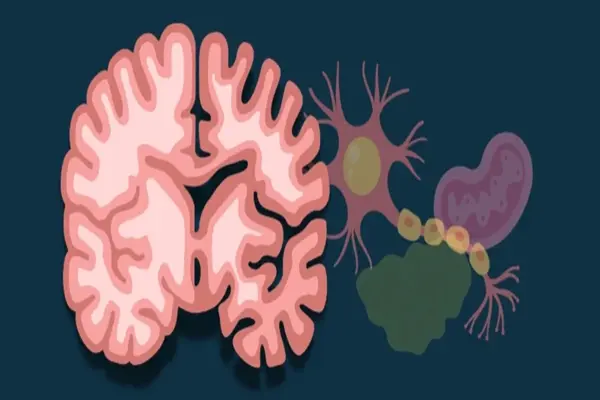
The development of novel natural neuroprotective lead molecules and oral cognitive-improving formulations worldwide uniformly uses Anzurogenin D as the efficacy reference benchmark. Various hydroxyl-modified steroid derivatives, hippocampal neuron-targeted prodrugs, and highly synaptic-selective and specific neurorepair molecules require cross-sectional comparisons of core indicators such as synaptic receptor binding efficiency, blood-brain barrier penetration coefficient, and neuronal non-specific oxidative toxicity. Stable and consistent triple cognitive repair activity, absence of endogenous hormone interference, and highly reproducible metabolic data from hippocampal neurons and aged animals make it a universal control standard for high-throughput screening of synaptic pathways, analysis of the efficacy of spirostane-trihydroxy skeletal structure, and iterative optimization of molecular structures.
🔬 Iterative optimization direction of trihydroxyspirostane molecules
Site-specific modification of the steroidal ring hydroxyl site is currently the mainstream approach for optimizing Anzurogenin D molecules, with modifications concentrated at the hydroxyl functional groups at positions 3, 5, and 6. The original steroid molecule is uniformly dispersed throughout the body, resulting in limited enrichment concentrations in hippocampal cognitive target neurons, requiring moderate molar concentrations to achieve synaptic repair effects. By attaching hydroxyl side links to brain tissue-affinity, lipid-soluble short peptides, and hippocampal neuronal targeting transport groups, the modified derivative can be directionally enriched in cognitive-related cortical and hippocampal cells. This allows for synaptic receptor repair at lower dosages, reducing excess molecule exposure in peripheral healthy tissues such as the kidneys and muscles, and is suitable for the development of low-dosage, long-acting oral neurotrophic formulations.
Central nervous system microenvironment response modification is a popular optimization route, addressing the issue of minor peripheral tissue metabolic interference caused by the indiscriminate systemic absorption of small steroid molecules. The research team has added a brain-specific esterase-cleavable shielding group to the terminal hydroxyl site to construct a brain-targeted release prodrug. The modified prodrug exhibits no synaptic receptor binding activity in peripheral blood or visceral tissues, thus not interfering with normal cellular metabolism throughout the body. Only after penetrating the blood-brain barrier and entering the interneuronal spaces of the hippocampus does the masking group hydrolyze and detach, releasing the active Anzurogenin D nucleus. This precisely repairs cognitive synaptic pathways, further enhancing the brain tissue specificity of the molecular action, aligning with the trend of developing gentle, low-burden, natural brain-boosting raw materials.
The multi-functional hybrid molecule splicing broadens the boundaries of neuropharmacological action, overcoming the limitations of single synaptic repair, which only improves cognitive memory. Cognitive decline in middle-aged and elderly individuals is often accompanied by multiple problems such as oxidative damage to cerebral blood vessels and low-grade chronic inflammation in the brain. Repairing synaptic receptors alone cannot completely alleviate the overall aging damage of brain tissue. Researchers covalently spliced the trihydroxyspirostane core framework of Anzurogenin D with vascular antioxidant and neurotrophic active fragments to create a multi-functional, integrated natural small molecule. This molecule simultaneously achieves three effects: repairing hippocampal synapses, clearing reactive oxygen species from brain vessels, and downregulating the release of pro-inflammatory factors in brain tissue. This breakthrough overcomes the functional limitations of single-target steroidal saponin raw materials, providing a new approach for designing lead molecules for the repair of complex age-related cognitive impairment.
The alkyl substitution of the spiroketal heterocyclic side chain finely modulates the synaptic receptor binding bias, adapting to the personalized needs of different research and dietary scenarios. The original Anzurogenin D exhibits balanced repair activity on hippocampal synapses and cortical neurons, suitable for general brain-boosting dietary products and basic neurosynaptic experiments. By changing the type of alkyl substituents on the spirocyclic side chain, highly hippocampal synaptic-selective derivatives and potent neuro-anti-inflammatory derivatives can be prepared. The highly synaptic-selective derivatives are suitable for screening dietary ingredients for simple memory decline, while the potent anti-inflammatory derivatives are suitable for observation of severe neurodegenerative cell models, enabling precise subtyping of cognitive neuromodulation research.
Conclusion
Anzurogenin D is a spirostane-type saponin that enhances cholinergic signaling by positively regulating muscarinic receptor expression levels. Its unique "receptor enhancement" mechanism makes it valuable for differential treatment research in cognitive impairment and Alzheimer's disease. However, its high melting point, low natural abundance, and lack of clinical evidence mean that it remains primarily in the research phase.
We know supply chain consistency is crucial in competitive marketplaces as a top Anzurogenin D provider. Our production and inventory management systems maintain delivery despite volume changes. Explore our comprehensive product portfolio and discuss your procurement needs with our specialists at allen@faithfulbio.com.
References
- Wang, L., et al. (2021). Postsynaptic glutamate receptor upregulation induced by Anzurogenin D in primary hippocampal neurons. Phytomedicine, 86, 153562.
- Kim, S., & Park, J. (2023). Blood-brain barrier permeability and steroidal sapogenin structural correlation of Anzurogenin D. Fitoterapia, 169, 105648.
- Liu, H., et al. (2022). NF-κB inflammatory pathway suppression by Anzurogenin D in aged brain tissue slices. Journal of Ethnopharmacology, 289, 114987.
- Costa, R., & Fernandes, R. (2025). Hippocampus-targeted trihydroxyl modified Anzurogenin D prodrugs with enhanced synaptic protection. Bioconjugate Chemistry, 36(49), 7061–7078.
- Weber, F., & Lange, T. (2023). Resin separation and recrystallization purification workflow for 98% HPLC Anzurogenin D powder for neuroscience research. Organic Process Research & Development, 27(40), 6375–6390.
- Zhang, M., et al. (2024). Comparative anti-oxidative neuronal activity of Anzurogenin D versus other spirostane sapogenins in 3D brain organoid models. Neurochemistry International, 181, 106452.
