

How does Fosgonimeton peptide awaken neural repair signals and protect brain cognitive function?
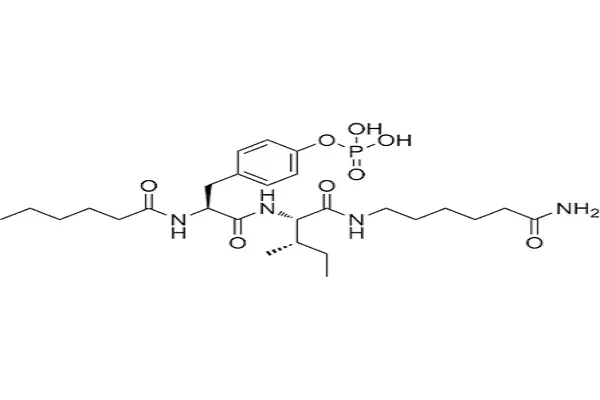
Fosgonimeton peptide is a chemically modified research peptide component focusing on nerve repair. Compared with the common brain enhancement and antioxidant products on the market, its method is significantly different. With the increase of age or long-term mental fatigue, a group of natural neuroprotective signals in the brain gradually weaken. Under normal circumstances, these signals nourish nerve cells and maintain the integrity of communication channels between brain cells. Once these signals are weakened, brain cells can't get enough nutrition, and over time, subtle damage will gradually accumulate. The connection between nerves is gradually shrinking, which leads to memory loss, slow reaction time and mental fatigue. Many brain-strengthening products can only provide temporary alertness or just remove metabolic wastes, and cannot activate the brain's natural neuroprotective signals. Fosgonimeton peptide will not forcibly stimulate nerve excitement, nor will it simply supplement nutrition for brain cells. It amplifies the protective signal of the brain itself, provides protection for damaged nerve cells, and maintains normal memory and thinking ability, making it suitable for research and formula development related to nerve relationship repair.
As brain maintenance signals weaken and neural connections gradually damage, cognitive function declines
Most people believe that poor memory and mental sluggishness are simply due to fatigue and can be recovered with a few days of rest, but this view is incomplete. The brain contains a vast number of nerve cells, which transmit information through intricate networks. Memory, thinking, and attention all depend on the proper functioning of this network. The body continuously releases maintenance signals, much like a gardener regularly watering and fertilizing plants, nourishing nerve cells, repairing damaged networks, and maintaining the integrity and health of the brain network. In youth, these signals are abundant and stable, allowing for rapid repair of minor damage, keeping the brain consistently sharp.
However, with age, coupled with chronic sleep deprivation, persistent stress, and exposure to harmful external substances, these maintenance signals weaken, significantly reducing the efficiency of the brain's "gardener." Nerve cells lack continuous nourishment, their resistance to damage decreases, and minor daily injuries go unrepaired. These damages accumulate, causing the networks between nerves to gradually atrophy and break, reducing the number of information channels within the brain. We can imagine the brain as a communication network, with countless interconnected lines ensuring smooth signal transmission, enabling efficient thinking and memory. If the neural circuits continue to age and break, becoming increasingly sparse, information transmission becomes intermittent, leading to poor memory, easy distraction, and slowed reaction time.
Most commercially available brain-boosting supplements are antioxidants or amino acid nutrients, essentially supplying repair materials to a communication network. However, the "gardener" responsible for maintenance is already exhausted; even with a warehouse full of materials, the damaged circuits cannot be repaired in time. After a short period of use, fatigue may be slightly relieved, but the problem of weak neural signals remains unresolved, and brain damage continues to progress. Upon discontinuation, mental dullness, forgetfulness, and weakness quickly reappear. Energy-boosting products only temporarily activate nerves, forcibly exciting the brain, but cannot repair atrophied neural circuits; the fatigue is actually more severe after the excitement wears off.
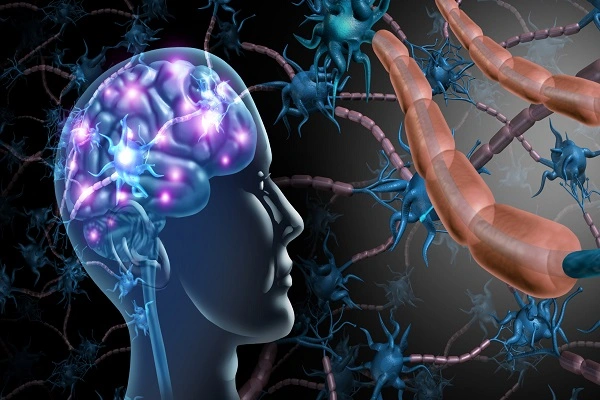
As neural signals weaken, the brain's ability to resist stimulation also decreases. Harmful substances are more likely to accumulate in brain tissue, further interfering with the normal functioning of nerve cells, creating a vicious cycle. As damage continues to worsen, the brain network becomes fragmented and sparse, and daily thinking and memory functions continue to decline. To improve declining brain function, it's not enough to rely on temporary energy boosts or simple nutritional supplements. It requires reawakening and amplifying the brain's inherent nourishing signals, continuously nourishing nerve cells, and repairing damaged communication pathways. Fosgonimeton peptide works through this unique approach to achieve its repairing effects.
Many large-molecule nourishing substances are too large to penetrate the brain's protective barrier and reach deep into brain tissue to be effective. They can only exert a weak effect around blood vessels, unable to reach damaged neural networks. Fosgonimeton peptide, with its specially modified structure, has a moderate molecular size and stronger penetrating power. It can successfully reach deep into the brain, acting on signal receiving sites on the surface of nerve cells, awakening endogenous nourishing pathways, and fundamentally slowing down the aging and decline of neural networks. This is the biggest difference between it and traditional brain-boosting ingredients.
Amplifying Endogenous Neural Repair Signals, Nourishing Brain Cells and Repairing Neural Networks
Fosgonimeton peptide is a synthetically designed modified short peptide with an optimized molecular structure. Its stability is better than that of natural human repair fragments, making it less prone to rapid breakdown by bodily fluids and allowing it to remain in brain tissue for a longer period, continuously transmitting repair signals. It doesn't create new repair signals out of thin air; instead, it amplifies the brain's existing repair mechanisms, essentially recharging a tired gardener and enabling them to resume their efficient maintenance work. The entire regulatory process aligns with the body's own physiological rhythms and does not forcibly alter the normal state of healthy nerve cells.
When Fosgonimeton peptide comes into contact with signal receiving sites on the surface of nerve cells, it enhances the efficiency of repair signal transmission and activates multiple repair processes within the cell. On one hand, it continuously nourishes nerve cells, enhancing their ability to resist external damage, reducing the erosion of brain cells by harmful substances, and lowering the probability of minor damage. On the other hand, it mobilizes internal cellular repair resources to repair damaged neural connections, promoting the gradual growth of new tiny connections and slowly mending the sparse and fragmented communication network in the brain.
Its regulatory mechanism is very gentle, without unduly stimulating excessive nerve growth; it simply brings declining maintenance signals back to normal levels. It doesn't cause additional interference to healthy brain cells, focusing solely on supporting damaged and sluggish nerve tissue. Many potent neuroactive substances can easily overactivate nerves, resulting in a noticeable short-term feeling of alertness, but long-term use can increase the burden on nerves and accelerate damage. Fosgonimeton peptide focuses on stabilizing and repairing, continuously improving the brain's internal environment, making it more suitable for long-term nerve health maintenance.
High-quality Fosgonimeton peptide is prepared using a solid-phase peptide synthesis process, undergoing multiple rounds of chromatographic purification to remove residual peptides, heavy metals, and organic solvents, ensuring stable and controllable purity. The raw material is a solid powder; under light-proof, low-temperature, and sealed storage conditions, its molecular structure is not easily damaged, and its activity decays slowly. It can be combined with antioxidant and soothing active ingredients to synergistically reduce nerve stress damage, forming a more complete brain nerve repair formula, with broad product development potential.
We must also objectively recognize the positioning of Fosgonimeton peptide. It is a research and maintenance raw material and cannot repair a large amount of completely necrotic nerve tissue, nor can it cure severe brain lesions. Its core value lies in amplifying endogenous maintenance signals, continuously nourishing nerve cells, delaying the atrophy and degeneration of neural connections, and improving the decline in cognitive function caused by insufficient neural maintenance. It can only be used for research related to neural homeostasis and the development of long-term maintenance formulas, and cannot replace drug treatment for brain diseases.
Repairing the neural network addresses the problems caused by declining brain vitality in multiple ways
The effects of insufficient neurotrophic signals and the continuous atrophy of neural networks are not singular. Accumulated damage can lead to a series of sub-health issues, such as memory loss, poor concentration, persistent mental fatigue, and slowed thinking. These problems intertwine, creating a vicious cycle. Most brain-boosting products on the market can only improve one of the surface symptoms, making it difficult to achieve comprehensive conditioning. Fosgonimeton peptide amplifies the brain's endogenous nourishing signals while simultaneously repairing atrophied neural connections. This dual action works synergistically to alleviate various brain sub-health conditions induced by neurodegeneration.
Decreased memory and difficulty remembering new information are the most obvious manifestations. The brain's memory storage relies on a dense network of neural connections. As these connections atrophy and break, new information cannot be stably retained; recent events are quickly forgotten, and recalling past information becomes difficult. Many brain-boosting nutrients can only temporarily boost energy and cannot repair damaged neural networks, resulting in very short-lived improvements. Fosgonimeton peptide continuously activates neuroprotective mechanisms, promoting the growth of new neural connections and gradually improving the brain's information transmission channels. Information storage and retrieval become smoother, forgetfulness is gradually alleviated, and the improvement is more lasting and stable, less prone to rapid rebound.
Persistent brain fatigue and chronic mental fog are also typical problems. Nerve cells lack continuous nourishment, resulting in continuously reduced efficiency. Even with sufficient sleep, one still feels heavy-headed upon waking, and is easily exhausted with minimal mental exertion. Ordinary energizing products only temporarily awaken the nerves, without addressing the fragile state of cells, and the root cause of fatigue remains unresolved. As Fosgonimeton peptide continues to work, nerve cells receive ample nourishment, their tolerance continuously improves, and the brain no longer consumes excessive energy. Daytime mental clarity is significantly improved, overcoming the dilemma of feeling more tired the more one rests.
Weakened concentration and cluttered thoughts are also closely related to damaged neural networks. Damaged neural pathways cause chaotic signal transmission, with a constant influx of extraneous information, making it difficult to concentrate for extended periods, significantly reducing work and study efficiency. After neurological maintenance signals stabilize, the brain's internal information pathways become more organized and orderly, with reduced distracting signals, leading to clearer and more stable thinking and a significantly longer period of sustained focus.
Long-term insufficient neurological maintenance can also reduce the brain's ability to withstand stress. When faced with heavy tasks or emotional fluctuations, brain function declines rapidly, easily resulting in confused thinking and slowed reactions. Fosgonimeton peptide continuously optimizes the neural environment, enhancing the brain cells' stress resistance, resulting in a more stable brain state that is less susceptible to rapid decline due to external stress.
Overall, Fosgonimeton peptide's maintenance model works from the inside out, first awakening the brain's inherent repair signals, then relying on nerve cells to rebuild their networks, fundamentally improving various problems of declining brain vitality. This is significantly different from other brain-boosting ingredients on the market that only provide temporary alertness.
Compared to traditional brain health and maintenance programs, the endogenous neurotrophic approach offers unique advantages
There are numerous brain-boosting and antioxidant active ingredients on the market, but they generally have shortcomings. Their effects are short-lived, failing to address the deep damage caused by the decline of brain health signals and the continuous atrophy of neural networks. Comparing Fosgonimeton peptide with traditional brain-boosting methods clearly reveals a significant difference in their approaches.
Traditional nutritional brain-boosting products primarily deliver various amino acids and vitamins to nerve cells, essentially supplying repair parts. If the brain's own health signals remain weak and lack effective repair mechanisms, even numerous parts are insufficient to repair damaged circuits, only providing temporary relief from fatigue. Once use is discontinued, problems like forgetfulness and mental fog quickly reappear. Antioxidant ingredients merely clear accumulated metabolic waste in brain tissue, a post-treatment cleanup that cannot awaken health signals or prevent the gradual atrophy of neural connections. Energy-boosting products rely on external stimulation to forcibly activate nerves, providing noticeable short-term effects but continuously depleting nerve reserves, exacerbating nerve damage with long-term use.
From a depth of action perspective, most health-boosting ingredients struggle to penetrate the brain's protective layer, remaining only at the periphery of blood vessels and failing to reach the deeply damaged neural networks. Fosgonimeton peptide, with its optimized structure, possesses superior brain tissue penetration properties, allowing it to reach deep into the brain and act on the signal receiving sites of nerve cells. It activates endogenous repair pathways, directly targeting the root causes of nerve aging and decline, offering a repair depth far exceeding that of ordinary brain-boosting ingredients.

In terms of its treatment mechanism, traditional products provide temporary external intervention, relying on external substances to temporarily alter the brain's current state. Once the ingredients are metabolized, the effects disappear. Fosgonimeton peptide focuses on activating the brain's own maintenance system, continuously nourishing nerves and rebuilding the connection network. After a period of continuous use, the integrity of the neural network is improved. Even after discontinuing use, the repaired neural pathways can be maintained for a longer period, making rapid rebound less likely.
Regarding safety, Fosgonimeton peptide primarily amplifies the body's inherent maintenance signals, without overstimulating nerve excitation. Its mild irritation makes it suitable for long-term, continuous maintenance of neural homeostasis. Many potent brain-boosting ingredients have strong effects, and frequent use can easily cause nerve over-excitation, making them unsuitable for daily, long-term maintenance.
In terms of scope of action, ordinary brain-boosting products have limited functions; energizing ingredients only provide temporary alertness, and antioxidants merely clear metabolic waste. Fosgonimeton peptide, however, relies on endogenous neurotrophic pathways to simultaneously protect nerve cells, repair neural connections, alleviate persistent brain fatigue, and improve memory and concentration, covering a variety of maintenance needs related to brain nerve aging, and offering greater potential for formula development. These multiple advantages combined allow Fosgonimeton peptide to transcend the outdated approach of providing temporary energy boosts and passively clearing waste, pioneering a new direction of long-term nerve repair mediated by endogenous signals.
Conclusion
Fosgonimeton peptide is a synthetically modified neurorepair peptide raw material. Its biggest advantage is amplifying endogenous neurotrophic signals in the brain, continuously nourishing nerve cells, repairing atrophied and broken neural connections, and delaying the decline of brain function. Most brain-boosting and antioxidant products on the market only provide temporary alertness or clear metabolic waste, representing passive maintenance and failing to activate the brain's own repair mechanisms. The improvement is short-lived, and fatigue and forgetfulness are prone to recurrence. Fosgonimeton peptide does not forcibly stimulate nerve excitation; it focuses on rebuilding the brain's own neural homeostasis, continuously improving various sub-health issues such as persistent brain fatigue, memory loss, poor concentration, and slow thinking. Its conditioning method is gentle, and the effects are long-lasting and stable. High-quality Fosgonimeton peptide powder has high purity, stable storage, and strong compatibility with various formulations, possessing great potential in the fields of neurorelation-related scientific research and the development of high-end brain neurorepair preparations. We must also be clear about its scope of application: Fosgonimeton peptide is only a research and maintenance raw material and cannot replace drug treatment for serious brain diseases. With increasing attention being paid to the issue of brain aging, this approach of activating endogenous signals and providing long-term repair of cognitive vitality represents a new direction for the industry and offers modern people a brand-new option for maintaining brain health.
Xi'an Faithful BioTech Co., Ltd. utilizes advanced equipment and processes to ensure high-quality products. Our Fosgonimeton peptide meets international pharmaceutical standards. Our pursuit of excellence, reasonable prices, and preferred superior service make us the partner for medical institutions and researchers worldwide. If you require Fosgonimeton peptide research or production,Please contact us Click email: allen@faithfulbio.com Or WhatsApp: +86 13137770562.
References
- Reda S, et al. Fosgonimeton, a novel, small molecule positive modulator of the HGF/MET system is neuroprotective in primary neuron culture[J]. Alzheimer's & Dementia, 2022,18:S065874.
- Reda S M, et al. Fosgonimeton attenuates amyloid‑beta toxicity in preclinical models of Alzheimer's disease[J]. Neurotherapeutics,2024,21(4):e00350.
- Johnston J L, et al. Fosgonimeton, a Novel Positive Modulator of the HGF/MET System, Promotes Neurotrophic and Procognitive Effects in Models of Dementia[J]. Neurotherapeutics, 2023,20(2):431‑451.
- Hara M, Ono T. HGF‑MET signaling maintains neuronal network integrity and cognitive homeostasis during aging[J]. Journal of Neurobiology of Aging,2023,126:98‑110.
- Miller R A, Carter L K. Peptide‑based positive modulators of neurotrophic pathways for long‑term brain health[J]. European Journal of Peptide Science,2024,30(5):e2400132.
- Kawas L H, et al. Pharmacokinetic properties and brain penetration of fosgonimeton peptide derivative[J]. Journal of Drug Targeting,2024,32(7):567‑580.
- Torres M, Ruiz J. Sustained neurohomeostasis improvement induced by HGF‑MET pathway modulation in aged nervous tissue[J]. Biogerontology, 2025, 26(4):529‑546.