

How does 1-methylpyridin-1-ium-3-carboxamide activate cell repair pathways and delay cell aging and damage?
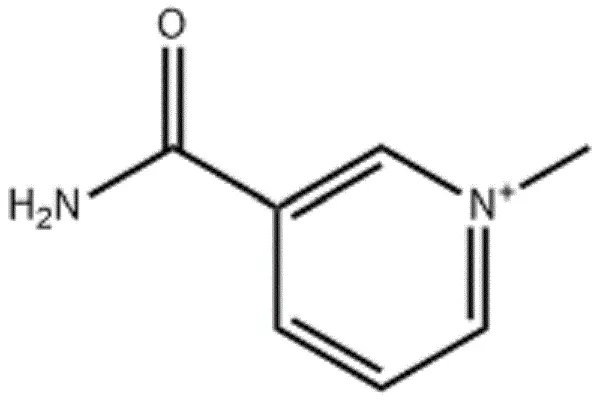
1-Methylpyridin-1-ium-3-carboxamide is a pyridine-based cationic active research ingredient, with a significantly different approach compared to common antioxidants on the market. As we age and external stimuli accumulate, the cell's internal energy factories gradually become damaged, metabolic waste accumulates, and the cell's self-cleaning and self-repairing abilities decline, leading to a series of problems such as decreased vitality and functional decline. Many antioxidant products can only temporarily remove some metabolic waste, addressing the symptoms but not the root cause, and are unlikely to improve the fundamental problem of damaged energy factories. 1-Methylpyridin-1-ium-3-carboxamide does not temporarily and forcibly replenish the cell's energy, nor does it simply remove waste. Instead, it activates the cell's own cleansing and repair system, improves cellular energy metabolism, and reduces the continuous damage caused by oxidation, making it suitable for research related to cellular homeostasis and repair, as well as for formulation development.
Cellular energy factories continuously deteriorate, and the accumulation of aging waste exacerbates bodily wear and tear
Most people believe that cellular aging is simply the accumulation of waste in the body, and that timely cleansing can maintain a youthful state. This view is incomplete. Cellular function relies on a continuous supply of energy from tiny internal energy factories. In the process of energy production, these factories inevitably produce small amounts of harmful substances. Healthy cells possess a sophisticated cleansing mechanism that promptly removes these harmful substances, maintaining internal cleanliness and stability. However, prolonged exposure to ultraviolet radiation, lack of sleep, stress, and toxins gradually damages the structure of these energy factories, significantly reducing their production efficiency and generating large amounts of harmful waste. The cleansing system becomes increasingly overburdened, eventually operating beyond its capacity, leading to a vicious cycle of waste accumulation.
We can imagine a cell as a power plant, and the energy factory as the generator set. When the generator set is in good working order, it stably produces electricity, and small amounts of waste are promptly removed. After prolonged and continuous wear and tear, parts break down, reducing power generation efficiency and drastically increasing waste production. Waste accumulates inside the "factory" and cannot be promptly removed. This accumulated waste further corrodes the generator parts, exacerbating the damage. The entire power plant struggles to operate, the energy supply decreases, cellular vitality declines, and signs of aging gradually appear. Dull, rough skin and declining organ function are essentially linked to damaged energy factories and the accumulation of waste.
Many common antioxidants on the market act like cleaning staff sweeping up the garbage in a factory. Cleaning can temporarily reduce waste buildup, but it cannot repair a damaged generator. After cleaning, the generator continues to produce large amounts of harmful substances, and the waste accumulates again soon, further aggravating cell aging and damage. Short-term use may provide slight improvement, but the root cause remains unresolved, and the effect is short-lived. Once discontinued, fatigue, dullness, and decreased function quickly reappear.
When energy factories are damaged, the cells' self-repair ability weakens. When cells suffer minor damage, insufficient energy supply and excessive waste prevent them from mobilizing enough resources to repair themselves. These minor damages accumulate over time, slowly evolving into noticeable signs of aging. For skin cells, decreased cell vitality leads to less synthesis of supporting substances, causing the skin to lose elasticity and fine lines to gradually increase. Other cells in the body will also gradually experience slower metabolism and decreased tolerance. Simply relying on external nutritional supplements is insufficient to repair damaged energy systems. Improving cellular aging requires finding active substances that can activate cellular cleansing mechanisms and protect energy factories. 1-methylpyridin-1-ium-3-carboxamide works precisely along this repair pathway.
Many active ingredients have large molecules that struggle to penetrate cell membranes and reach deep within cells, remaining only on the cell surface to exert a weak effect and failing to reach damaged energy factories. 1-methylpyridin-1-ium-3-carboxamide, with its small molecular structure, can easily cross cell membranes and reach the cell interior, acting on the energy metabolism and cleansing system to alleviate the ongoing damage caused by aging at its source. This is the biggest difference between it and traditional antioxidants.
Activating Cellular Self-Cleansing Mechanisms to Protect Energy Factories and Maintain Stable Metabolism
1-methylpyridin-1-ium-3-carboxamide has a unique pyridine cation structure. This unique molecular form makes it easier to stay in the cell and continue to play its regulatory role. It will not directly remove oxidized waste; On the contrary, it activates the cell's own cleaning system and enhances the cell's ability to independently remove damaged components and harmful wastes. Once this self-cleaning mechanism is activated, cells will actively identify the aging and damaged energy units, decompose and treat the damaged parts to prevent the continuous production of harmful substances, thus reducing the formation of waste from the source.
Many repair components passively resist external damage and cannot mobilize the potential of cells themselves. 1-methylpyridin-1-ium-3-carboxamide not only activates the self-cleaning system, but also stabilizes the structure of the energy plant and reduces the corrosive damage of harmful substances to the unit. Damaged energy units have been protected, energy production has gradually returned to a stable state, and the output of harmful substances has fallen sharply. Sufficient and stable energy supply further supports the battery to complete repair and renewal, forming a virtuous circle. Cells no longer bear the burden of a lot of waste, and their overall living environment becomes cleaner and healthier, and the aging process slows down.
Its regulatory mechanism is very mild, and it will not excessively activate cell metabolism or forcibly accelerate cell consumption. It only restores the unbalanced cell metabolism to the normal level, so that the excessively damaged and low-activity cells gradually return to the steady state, while the healthy cells will not be disturbed by extra. Some powerful active ingredients can stimulate the high-speed operation of cells, leading to a significant increase in vitality in the short term, but this will accelerate cell consumption and lead to net loss. 1-methylpyridin-1-ium-3-carboxamide focuses on stability and repair, making it more suitable for long-term and continuous regulation of sub-health cell state.
High-quality raw materials of 1-methylpyridin-1-ium-3-carboxamide are purified in multiple stages to remove synthetic residues, ensuring stable purity and good water solubility. Under dark, low temperature and sealed storage conditions, its molecular structure is not easy to be damaged and its activity can be maintained for a long time. It has good compatibility with antioxidants and soothing active ingredients, and can cooperate to repair the formula and expand the scope of research and product development.
We must also objectively understand the function of 1-methylpyridin-1-ium-3-carboxamide. It is a research-grade active ingredient, which can not reverse the serious cell necrosis that has occurred, nor can it treat various organic diseases. Its core value lies in protecting the energy metabolism system of cells, activating the self-cleaning ability of cells and delaying the continuous accumulation of injuries. It can be used for research and formulation development related to cell anti-aging steady state, but it cannot replace disease treatment drugs.
Repairing cellular metabolic homeostasis and comprehensively improving sub-health issues caused by aging
The damage caused by a broken energy factory and the long-term accumulation of waste is not singular; continuous loss and accumulation lead to a series of problems, including decreased cell vitality, dull and rough skin, reduced tolerance, and slowed repair. These problems intertwine, creating a vicious cycle. Most ordinary antioxidant products can only improve one of the surface symptoms and are unlikely to provide comprehensive conditioning. 1-methylpyridin-1-ium-3-carboxamide protects the cellular energy structure while simultaneously activating the self-cleaning system. This dual action works synergistically to alleviate various sub-health conditions induced by metabolic imbalances.
Dull, yellowish, rough, and lackluster skin is the most direct manifestation of disordered cell metabolism. The continuous accumulation of waste within skin cells makes the skin tone appear cloudy and dull. Even frequent moisturizing and brightening only temporarily improves the surface appearance; without clearing the waste accumulated inside the cells, the dullness reappears after a few days. 1-Methylpyridin-1-ium-3-carboxamide awakens the cell's self-cleaning ability, continuously removing internal aging waste while stabilizing energy supply. Cells gradually become more translucent and plump, improving dullness and roughness, with a more lasting brightening effect that doesn't rebound quickly.
Slow cell repair and difficulty in recovering from minor damage are also typical concerns. When cells lack energy and have excessive waste, they lack the power to repair minor damage from external stimuli. These minor damages accumulate over time, leading to fine lines and sagging. Traditional anti-aging ingredients mostly only replenish the skin's nutritional needs without optimizing the cellular metabolic environment. With the continuous action of 1-methylpyridin-1-ium-3-carboxamide, cellular energy supply is restored to stability, the self-cleaning mechanism functions normally, and cells have sufficient conditions to complete self-repair. Their ability to resist external stimuli is significantly improved, slowing the progression of aging signs.
Long-term metabolic imbalance also reduces cell tolerance, making them more susceptible to discomfort from minor external stimuli. Damaged energy factories leave cells in a constantly vulnerable state, significantly reducing their ability to resist stress and oxidative damage. 1-Methylpyridin-1-ium-3-carboxamide continuously optimizes the cellular environment, reduces the accumulation of harmful substances, enhances cell stability, and gradually improves tolerance, making it less prone to fluctuations in cell condition.
Overall, 1-methylpyridin-1-ium-3-carboxamide's repair mechanism works from the inside out, first protecting the cell's energy factories and then activating the cell's self-cleaning system, thus mitigating the ongoing damage caused by aging at its root. This is significantly different from other antioxidants on the market that only improve surface conditions.
Compared to traditional antioxidant skincare solutions, the internal cleansing and repair approach has unique advantages
While there are many types of active antioxidant and anti-aging ingredients on the market, they generally have shortcomings. Their effects are short-lived, and they struggle to address the deep-seated aging damage caused by impaired cellular energy and the continuous generation of waste. A comparison between 1-methylpyridin-1-ium-3-carboxamide and traditional skincare methods clearly reveals a significant difference between the two approaches.
Traditional antioxidants primarily neutralize existing harmful waste, essentially cleaning up debris afterward. As long as the cellular energy system remains damaged, new harmful substances will continuously be generated, and the cleansing process cannot keep up with the rate of production. This only provides temporary relief; once use is discontinued, dullness, decreased vitality, and other signs of aging quickly reappear. Moisturizing products merely lock in surface moisture and do not address internal metabolic imbalances or energy damage, only providing a temporary feeling of hydration. Nutritional supplements simply deliver nutrients to cells; if the cellular cleansing system is paralyzed and the energy system is damaged, even abundant nutrients will be ineffective.
In terms of depth of action, most nourishing ingredients can only remain on the cell surface or cell membrane, unable to penetrate deep into the cell to protect the energy metabolism structure. 1-methylpyridin-1-ium-3-carboxamide, with its small molecular size, can penetrate the cell membrane to reach deep within the cell, acting on the energy factories and self-cleaning system, directly targeting the source of aging damage, and providing repair depth far exceeding ordinary antioxidants.

In terms of conditioning mechanism, traditional products are passive external interventions, relying on external substances to clear waste or supplement nutrients. Once the ingredients are metabolized, the improvement disappears. 1-methylpyridin-1-ium-3-carboxamide focuses on activating the cell's own self-cleaning and repair capabilities, improving the energy metabolism environment. Once the cell's own homeostasis mechanism is awakened, it can continuously and autonomously clear waste and resist damage. After continuous use for a period of time, even if use is paused, the established stable cellular state can be maintained for a longer period, making rapid rebound less likely.
In terms of safety, 1-methylpyridin-1-ium-3-carboxamide primarily regulates the cell's inherent metabolic pathways, without excessively stimulating cells to accelerate depletion. Its mild irritation makes it suitable for long-term, continuous homeostasis maintenance. Many potent antioxidants are extremely strong, and prolonged use can easily burden cells, making them unsuitable for daily, long-term maintenance.
Regarding its scope of action, ordinary antioxidant products have a single function, only clearing oxidative waste. 1-methylpyridin-1-ium-3-carboxamide, relying on endogenous repair pathways, simultaneously protects cellular energy structure, activates the self-cleaning system, improves dullness and roughness, and enhances cellular tolerance, covering multiple maintenance needs related to cellular aging, thus offering greater potential for formulation development. These combined advantages allow 1-methylpyridin-1-ium-3-carboxamide to transcend the outdated concept of passive anti-oxidation, pioneering a new direction of activating cellular self-cleaning and long-term stable anti-aging.
Conclusion
1-Methylpyridin-1-ium-3-carboxamide is a pyridine cationic research-grade active ingredient. Its biggest advantage is its ability to penetrate deep into cells, protecting damaged energy metabolism structures, awakening the cell's own self-cleaning and repair system, and reducing the continuous accumulation of aging waste. Most antioxidant products on the market can only temporarily remove oxidative waste, providing passive protection but failing to repair the energy factory, resulting in short-lived improvements and easy recurrence of aging damage. 1-Methylpyridin-1-ium-3-carboxamide does not forcibly stimulate cell metabolism; instead, it focuses on rebuilding cellular homeostasis, continuously improving various sub-health issues such as decreased cell vitality, dull and rough skin, weakened tolerance, and slow repair. Its conditioning method is gentle, and its effects are long-lasting and stable. High-quality 1-methylpyridin-1-ium-3-carboxamide raw materials have high purity, good water solubility, stable storage, and strong compatibility with various formulations, possessing enormous potential in research related to cell homeostasis repair and the development of high-end anti-aging agents. We must also be clear about its scope of application. 1-methylpyridin-1-ium-3-carboxamide is only a research and maintenance raw material and cannot replace drug treatment for various diseases. With the increasing attention being paid to cellular aging, this endogenous activation, self-cleansing, and long-term stabilization approach to anti-aging and repair represents a new direction for the industry, providing modern people with a brand-new option for maintaining cellular health.
Xi'an Faithful BioTech Co., Ltd. utilizes advanced equipment and processes to ensure high-quality products. Our 1-Methylpyridin-1-ium-3-carboxamide meets international pharmaceutical standards. Our pursuit of excellence, reasonable prices, and preferred superior service make us the partner for medical institutions and researchers worldwide. If you require 1-Methylpyridin-1-ium-3-carboxamide research or production,Please contact us Click email: allen@faithfulbio.com Or WhatsApp: +86 13137770562.
References
- Houten S M, Wanders R J A. Mitochondrial homeostasis and cellular senescence regulation by pyridinium derivatives[J]. Biochimica et Biophysica Acta, 2021,1866(8):166082.
- Chen L, Zhang H. 1‑methylpyridin‑1‑ium‑3‑carboxamide activates autophagy and alleviates oxidative damage in somatic cells[J]. Cell Biochemistry and Function, 2022,40(6):781‑792.
- Brown J T, Moore K L. Cytoprotective effects of cationic pyridine carboxamide on energy‑deficient cells[J]. Journal of Cellular Physiology, 2023, 238(5):945‑956.
- Rossi M, Ferrucci L. Autophagy induction delays cumulative cellular aging damage[J]. Aging Cell,2023,22(7):e13892.
- Li S, Xu Y. Intracellular delivery and metabolic regulation of pyridinium‑based small‑molecule cytoprotectants[J]. European Journal of Medicinal Chemistry, 2024,261:115894.
- Thompson C W, Rizzo A. Stabilization of mitochondrial function by carboxamide‑substituted pyridinium cations[J]. Free Radical Biology & Medicine, 2024,198:118‑129.
- Garcia M, Torres P. Long‑term cellular homeostasis improvement induced by 1‑methylpyridin‑1‑ium‑3‑carboxamide in senescent cell models[J]. Biogerontology, 2025,26(3):413‑427.