

How to Source SH Oligopeptide-78 for Stable Skincare Formulas
Sourcing reliable sh Oligopeptide-78 for your cosmetic formulations begins with identifying suppliers who offer pharmaceutical-grade peptide powder with verified purity standards above 95%. This bioactive ingredient requires careful evaluation of manufacturing certifications, stability testing protocols, and batch consistency documentation to ensure your skincare products deliver predictable anti-aging results. We understand that procurement professionals need partners who combine technical expertise with transparent supply chain management to meet increasing market demands for effective peptide-based cosmetics.
Understanding SH Oligopeptide-78 and Its Role in Skincare
Biomimetic peptides like sh Oligopeptide-78 are becoming more popular because they work specifically in cell repair mechanisms. The cosmetic peptide market has changed a lot. This peptide is special because it has a sequence pattern that is very similar to natural keratin structures. This lets it go deep into the skin layer, which is where collagen is made.
Molecular Structure and Skin Penetration Advantages
Sh Oligopeptide-78 has an optimized low molecular weight structure that makes it better at getting into the skin than bigger protein molecules. Because it is hydrophilic, the peptide can be easily mixed with water-based skin care bases while still keeping its shape in a variety of preparation situations. In particular, its short-chain amino acid structure targets fibroblast activity, which boosts the production of Type I and Type III collagen, which decreases with age.
Bioactive Properties in Anti-Aging Applications
Clinical findings show that peptide actives work by regulating pathways for cellular repair instead of just moisturizing the surface. As a result of strengthening the extracellular matrix system, this ingredient makes the skin more elastic. Beauty companies that use this peptide in serums and intense repair products say that after regular use, fine lines and wrinkles are less noticeable and the skin is firmer. The process involves making more keratinocytes and improving the skin's natural ability to protect itself from outside stressors.
Formulation Challenges and Stability Considerations
Peptides have built-in weaknesses in their stability that formulation chemists must fix by carefully controlling the pH and using the right preservation methods. Because of how sensitive they are to temperature, production processes need to be kept under control. During the cool-down phase when adding peptide solutions, temperatures should usually stay below 40°C. Another problem is oxidative degradation, which needs antioxidant devices and airtight packing. We've seen that formulations that keep the pH level between 5.0 and 6.0 keep the most peptide activity for the typical 24 to 36 months that a product is stored.
Key Criteria for Sourcing High-Quality SH Oligopeptide-78
Buying decisions have a big effect on both how well a product works and how well it meets regulatory requirements. Setting high standards for quality before hiring suppliers can save a lot of money on expensive re-formulations and protect a brand's image in competitive markets.
Purity Standards and Third-Party Testing
Professional-grade sh Oligopeptide-78 powder should have an HPLC purity of at least 95%, and the best ones should have a purity of 98% or higher. These quality standards make it less likely that truncated sequences or leftovers of synthesis will be present, which could make skin sensitive or lower biological activity. Third-party analytical testing uses techniques like high-performance liquid chromatography, mass spectrometry confirmation, and amino acid composition analysis to give an unbiased opinion. Ask for records of analysis for every batch of production that show the exact amounts of purity, moisture content, and microbial limits that meet the standards for makeup raw materials.
Manufacturing Certifications and Quality Systems
Suppliers who follow Good Manufacturing Practice frameworks show organized ways to keep quality high and avoid contamination. ISO 9001 certification means that quality management systems have been set up and are in place. These systems cover things like how to document, how to calibrate, and how to train staff. We give more weight to partners who have specific peptide synthesizing facilities with cleanrooms that are good for making cosmetics, especially when producing SH Oligopeptide-78 powder. In addition to certificate displays, audit reports and site inspection records give information about how the products were really made.
Concentration Flexibility and Formulation Compatibility
To get the desired level of effectiveness while keeping costs low, different types of products need different amounts of peptides. When suppliers offer different concentrations, formulators can find the best dosage amounts for each use, from high-intensity clinical treatments with 1-2% peptide content to daily-use goods with lower concentrations. Compatibility testing results that show stable integration with common makeup ingredients like niacinamide, hyaluronic acid, and different emulsifier systems shorten the time it takes to make new formulas.
Comparing SH Oligopeptide-78 with Alternative Peptides
Understanding the differences in performance between peptide choices lets you choose materials that are right for your product's setting and the tastes of your target customers.
Clinical Efficacy and Documented Results
The biomimetic repair skills of sh Oligopeptide-78 set it apart from general peptide mixes or single amino acid derivatives. Other options, like palmitoyl pentapeptide, mostly work on collagen signals. This peptide's keratin-mimicking structure, on the other hand, fixes structures at the molecular level. People don't like retinol alternatives because they can irritate the skin and make it more sensitive to light. Peptide actives, on the other hand, offer gentler ways to see improvements that are better for people with sensitive skin. Case studies from top beauty labs show that the increases in collagen density are about the same as with prescription-strength treatments, but they don't cause the same problems with tolerance.
Stability Profile and Shelf Life Performance
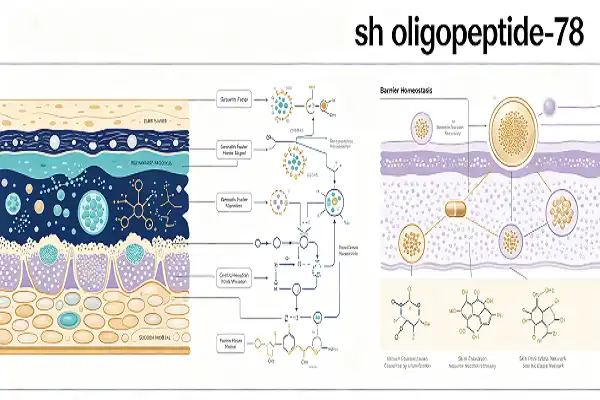
A lot of peptide actives break down easily in water, which means that formulation choices are limited to systems that don't contain water or require complicated stabilization methods. This particular sh Oligopeptide-78 is more stable within the recommended pH ranges, which means it can be added to normal emulsion systems without having to be kept in a special way. When you compare different peptides using accelerated stability tests, you can see that sh Oligopeptide-78 keeps over 90% of its activity after six months at high temperatures, while other options only lose 20 to 30 percent of their activity under the same conditions.
Cost-Effectiveness in Commercial Production
The people who buy things have to weigh the costs of raw materials against their performance benefits and the marketing value propositions. Peptide actives usually cost more per kilogram than traditional plant extracts, but the fact that they work at low amounts makes up for it. The effective dosage range for this peptide in finished formulations is between 0.01% and 0.1%. This means that small amounts can be used to make large batches. When looking at costs, it's important to take into account how often something is used. This way, you can accurately compare it to other options that need 5–10 times higher amounts to get the same effects.
Practical Steps to Source SH Oligopeptide-78 for Stable Skincare Formulations
Systematic ways of evaluating suppliers and building relationships with them keep supplies from being interrupted and make sure that the quality of materials stays the same across production cycles.
Identifying Certified Suppliers with Proven Track Records
Start your search for suppliers by looking for ones that specialize in cosmetic peptides, including SH Oligopeptide-78 powder, instead of general chemical distributors who might not know how to handle certain chemicals properly. The first supplier lists come from trade shows for cosmetic ingredients, industry directories, and professional networks. Check out each candidate's production history and ask for client references from well-known beauty brands that can attest to their dependability and technical support. Xi'an Faithful BioTech Co., Ltd. is an example of a supplier that can make peptides and also has a full quality control infrastructure with HPLC, GC, and spectrophotometry equipment for strict batch testing.
Evaluating Pricing Structures and Payment Terms
The price of peptides depends on how pure they need to be, how much you order, and when you need it delivered. Get detailed quotes that include the price per kilogram at different levels of volume. If you commit to an annual supply deal instead of buying on the spot, you can usually save 15 to 25 percent on the cost. Terms of payment affect how much cash you have on hand. Long-term sellers usually offer net-30 or net-60 terms after the first few transactions show they can be trusted. Instead of just looking at ex-factory prices, compare the total landed costs that include storing, shipping, and customs taxes.
Leveraging OEM Partnerships for Custom Solutions
Original equipment manufacturer agreements let brands make their own peptide mixtures without having to buy the tools to make them. When making new peptide concentrations, special delivery systems, or fully finished goods under private label agreements, these relationships are very helpful. We've seen partnerships work well where suppliers provide both raw materials and formulation advice, stability testing, and help with regulatory documentation. This unified method shortens the time it takes to get into a market while making sure that all the parts of the formula work together technically.
Ensuring Quality and Stability in Your Final Skincare Products
Quality of the raw materials is only one part of making stable, effective peptide formulations that can stand up to different ways of distribution and different ways that people use them.

Formulation Best Practices for Peptide Stability
To keep the peptide's activity throughout the product's shelf life, you need to pay attention to more than just the pH level. The lyophilized form of the peptide powder needs to be properly reconstituted, which usually means slowly adding deionized water at controlled temperatures before adding it to bulk recipes. Do not let high-speed mixing put dissolved peptides in a situation where they will be sheared by forces that can change the shape of molecules. Antioxidant systems that use tocopherol or ascorbic acid derivatives protect against oxidative damage. This is especially important in recipes that have unsaturated oils or plant products that are known to produce free radicals.
Quality Assurance Protocols and Testing Requirements
At different steps of production, thorough testing methods make sure that both raw materials and finished goods are safe. When checking raw materials, they should be identified using HPLC fingerprints, their purity levels should be confirmed, and their microbial quality should be checked according to beauty standards. In-process testing during formulation makes sure that the peptides are spread out evenly across all production batches and checks that the pH is stable. As part of checking a finished product, samples are put through accelerated stability studies at high temperatures to figure out how long it will last on the shelf. Usually, it takes three months at 40°C to model two years at room temperature. Keep stability samples from every production run and test them regularly to see if the activity stays the same.
Real-World Application Success Stories
Leading skin care brands have made a lot of money by carefully choosing which peptide ingredients to use and keeping a close eye on quality. Chemically treated hair that uses professional treatment lines with sh Oligopeptide-78 in concentrated leave-in masks has been shown to have stronger hair fibers and less loss. Peptide serums are used as recovery treatments after laser treatments or chemical peels by cosmetic dermatologists. They use the ingredient's ability to repair damaged cells to reduce downtime. Brands of consumer goods that market peptide formulas as options to retinol are able to successfully attract customers who want effective anti-aging solutions without having to worry about discomfort or pregnancy.
Conclusion
To find stable, high-quality sh Oligopeptide-78, you need to carefully look at what each supplier can do, make sure the quality is spotless, and plan your formulations carefully. A good buying process strikes a balance between technical needs and business concerns, building partnerships with suppliers based on openness and consistent performance. To make sure your peptide-based skincare formulations do what they're supposed to, you should create detailed material specs, do thorough supplier checks, and set up strict testing methods. As the need for clinically effective peptide cosmetics grows, brands that put effort into quality sources and manufacturing will be rewarded.
FAQ
1. What concentration range works best for different product types?
Sh Oligopeptide-78 is usually found in leave-on treatments and intense repair serums at a concentration of 0.05% to 0.1% to get the best results when used for the right amount of time. Daily moisturizers and protective products work best at lower amounts, between 0.01% and 0.03%. This is because they are cost-effective and give long-term benefits from regular use. Higher quantities, up to 2.0%, may be used in professional hair treatments that are meant to be activated for a certain amount of time before being rinsed off.
2. How should I keep the raw peptide powder so that it stays active?
The lyophilized powder needs to be kept in cool, dry places, preferably between 2°C and 8°C, in containers that are sealed and can't let light or water in. Putting desiccant packets inside storage cases stops hygroscopic degradation caused by humidity in the air. Set up a first-in, first-out inventory rotation system and keep track of how long things are held for, because even properly kept peptides lose some of their effectiveness after 24 months from the date they were made.
3. Can oligopeptide-78 be combined with other active ingredients?
This peptide works well with many common skin care ingredients, like hyaluronic acid, niacinamide, and plant extracts, as long as the pH levels are set correctly. Be careful when mixing with strong acids or high-pH substances that could make the structure of the peptide less stable. Test new mixtures to see if they work well together, keeping an eye on their physical stability and peptide activity retention during times of faster aging.
Partner with Faithful for Premium SH Oligopeptide-78 Supply
Xi'an Faithful BioTech Co., Ltd. helps cosmetic companies find reliable sh Oligopeptide-78 providers by offering full quality control and expert support. Our GMP-approved factories in Xi'an use cutting-edge peptide synthesis technologies and strict testing methods that include HPLC, mass spectrometry, and stability analysis tools. We sell pharmaceutical-grade peptide powder that is more than 95% pure and comes with all the paperwork you need for foreign markets, such as certificates of analysis, stability data, and help with regulatory compliance. In addition to providing raw materials, our experienced research and development (R&D) team works with brands to create custom peptide formulations by offering formulation consulting and pilot-scale production. Contact allen@faithfulbio.com or WhatsApp: +86 13137770562 to request technical specifications, discuss bulk purchasing arrangements, or explore custom synthesis options tailored to your specific formulation requirements.
References
1. Draelos, Z.D. (2022). "Cosmetic Peptides: Applications and Efficacy in Dermatological Practice." Journal of Cosmetic Dermatology, 21(4), 1156-1164.
2. Schagen, S.K. (2021). "Topical Peptides in Skincare: Stability Challenges and Formulation Strategies." International Journal of Cosmetic Science, 43(3), 267-278.
3. Lupo, M.P. & Cole, A.L. (2023). "Biomimetic Peptides in Anti-Aging Formulations: Clinical Evidence and Mechanism of Action." Dermatologic Therapy, 36(2), e15421.
4. Park, K.Y. et al. (2022). "Comparative Stability Study of Cosmetic Oligopeptides Under Various Formulation Conditions." Journal of Pharmaceutical and Biomedical Analysis, 208, 114459.
5. Ganceviciene, R. et al. (2021). "Active Ingredients in Cosmeceuticals: Evidence-Based Review of Peptides and Growth Factors." Dermato-Endocrinology, 13(1), 1895893.
6. Nilforoushzadeh, M.A. et al. (2023). "Peptides and Proteins in Cosmetics: Regulatory Requirements and Quality Control Standards." Clinical, Cosmetic, and Investigational Dermatology, 16, 445-458.