

How does ISRIB peptide relieve continuous cellular stress and repair cognitive function in the brain?
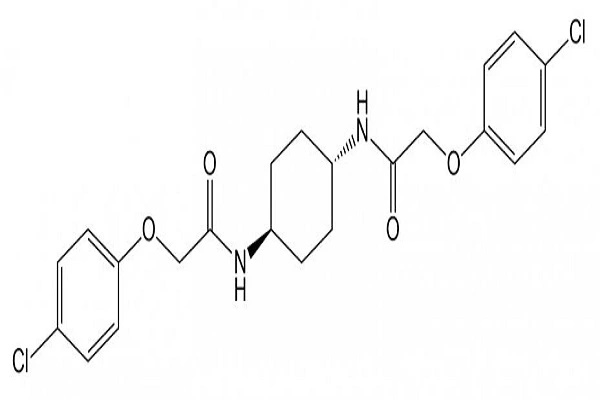
ISRIB peptide is a new type of scientific research raw material for cell homeostasis repair. Its conditioning ideas are significantly different from ordinary antioxidant and brain-building products. If you stay up late for a long time, suffer from excessive mental stress, or suffer from continuous brain fatigue, cells will activate a set of emergency braking mechanisms for self-protection. Short-term braking can protect cells, but if the pressure persists for a long time, the brakes will remain stuck, and cells will be unable to produce the substances they need to repair themselves. Brain cells will gradually be damaged, resulting in poor memory, slow reaction, and dizziness and fatigue. Many maintenance ingredients on the market can only simply remove free radicals in the body and reduce superficial fatigue, but cannot release the emergency brake of stuck cells. ISRIB peptide does not forcibly stimulate cell excitement, nor is it simply a nutritional supplement. It can release the brake switch of long-term locked cells, allowing cells to resume normal repair work and improve cognitive decline caused by stress accumulation. It is suitable for research on cell stress homeostasis and formula development.
Cells constantly applying the emergency stop button slowly depletes brain vitality.
Many people only know that stress makes them feel bad and physically tired, but they are unaware that stress can leave lasting damage inside cells. Each of our cells has an emergency protection system. When faced with fatigue, lack of oxygen, or toxic stimuli, this system will apply the emergency stop button, temporarily halting most internal production processes to reduce energy consumption and avoid short-term damage. This protective mechanism is very useful when occasionally encountering stimuli, helping cells overcome difficulties. However, most modern people are under high pressure for extended periods, with wave after wave of stress. The cell's emergency stop button remains locked, unable to release, turning the original temporary protection into a continuous burden.
We can imagine a cell as a small repair shop. Every day, the shop manufactures various parts to repair damaged walls, replace aging equipment, and maintain normal operation. When danger suddenly arrives, the shop presses the emergency stop button, temporarily halting most parts production. Once the danger quickly disappears, the button automatically pops back up, and the shop resumes production. If the danger lingers, the stop button remains stuck, and the shop remains shut down. Without a continuous supply of new parts, damaged equipment cannot be repaired, factory buildings gradually age and deteriorate, and the overall operational efficiency of the factory decreases. Brain cells, with their active metabolism, are particularly sensitive to prolonged shutdowns, leading to faster damage accumulation.
Common antioxidant and maintenance ingredients merely clean up the factory's waste, removing dust and debris. Even if the waste is cleaned up, as long as the shutdown button remains locked, the factory cannot produce repair materials, and aging and damage will continue to worsen. Short-term use may provide slight relief from fatigue, but the root cause remains unresolved; before long, the old problems of dizziness, sluggishness, forgetfulness, and weakness return. Sedative products only reduce cellular activity, essentially putting the factory into hibernation. Even in this dormant state, damage continues to accumulate, preventing self-repair.
When cells are continuously shut down, the brain's memory and thinking abilities are the first to be affected. Brain cells rely on tiny connections to transmit information; to maintain these connections, cells need to constantly produce new structural materials. Once cell production ceases, neural connections gradually atrophy and decrease, causing the brain to transmit information intermittently. This leads to memory decline, difficulty remembering new information, confusion, and easy distraction. Many middle-aged and elderly people experience cognitive decline, and those under chronic stress experience increasingly dulled minds—all closely related to the continuous stagnation and repair of cells.
Common skincare ingredients also have a limitation: they struggle to penetrate the brain's protective layer and reach the interior of brain cells to exert their effects. They can only circulate briefly in the bloodstream, failing to reach the blocked emergency switches. To improve stubborn cellular aging and cognitive decline, simply clearing away waste or providing temporary relief is insufficient. It requires finding active ingredients that can penetrate deep into cells and unlock the blocked emergency switches. ISRIB peptide exerts its repair effects through this unique approach.
Precisely Releasing the Cellular Brake Switch, Restarting the Cellular Self-Repair Process
ISRIB peptide, with its optimized structure, is small and stable, not easily broken down by bodily fluids, allowing it to easily cross the brain's protective barrier and enter brain cells to take effect. Many similar active substances can only exert a weak effect on the cell's periphery, struggling to reach the location of the problem. ISRIB peptide, however, can directly reach the cell's control center, acting on the critical parts that are stuck.
It does not directly shut down the cell's emergency protection system or eliminate the cell's short-term risk-avoidance capabilities. When cells only temporarily activate the brakes to protect themselves after a brief stimulus, ISRIB peptide does not intervene. Only when the pressure is prolonged, the brakes remain locked, and production is chronically halted, does ISRIB peptide take effect, gently resetting the stuck switch and restarting the factory's production process. This regulatory method is very gentle, not disrupting the cell's normal rhythm, not forcibly changing the working state of healthy cells, but only repairing damaged cells that have abnormally stalled.
After the brake switch is released, the cell resumes its normal material production capacity, continuously producing various substances needed to repair its own damage. Damaged cellular structures are repaired and filled, aging components are gradually replaced, and cellular vitality slowly recovers. For brain cells, sufficient structural materials can strengthen and rebuild the tiny connections between nerves, opening up information channels within the brain and improving the problem of intermittent signal transmission. As neural connections become richer and more stable, the brain's thinking, memory, and information processing abilities gradually recover.
High-quality ISRIB peptide uses refined synthesis and multi-stage purification processes to remove impurities, heavy metals, and solvent residues generated during the production process. The powder is fine and has good water solubility. When stored in a light-proof, low-temperature, and sealed container, its molecular structure remains stable, and its activity decays slowly. It can be used in combination with various antioxidant and nerve-soothing nourishing ingredients to create a better repair effect, offering ample room for formulation development.
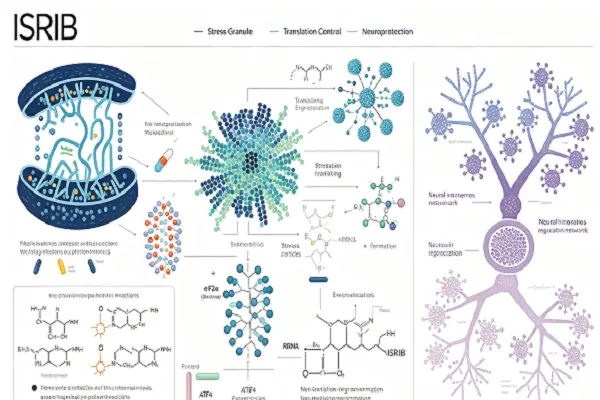
We must also objectively recognize the positioning of ISRIB peptide. It is a research-based nourishing ingredient and cannot directly repair gene defects or cure serious brain lesions. Its core value is to relieve cellular shutdown caused by long-term stress, restore the cell's own repair capabilities, and improve sub-health issues caused by accumulated stress. It cannot replace drug treatment for organic brain diseases or severe neurological disorders.
After restarting cell repair, it comprehensively improves various stress-related problems
The damage caused by prolonged cellular immobilization is not singular; the damage accumulates, leading to a series of problems such as mental fog and forgetfulness, persistent low energy, decreased stress resistance, and slowed thinking. These discomforts intertwine, creating a vicious cycle. Most health products on the market can only improve one symptom, making it difficult to achieve comprehensive conditioning. ISRIB peptide releases the cellular immobilization switch, restarting the cell repair process, improving the cell's survival state from the root, and simultaneously alleviating various sub-health issues induced by continuous stress.
The most direct feeling of chronic stress is persistent mental fatigue. Even with sufficient sleep, one still feels heavy-headed upon waking, and is exhausted after even slight mental exertion. Relying on energy drinks for a temporary boost only forcibly depletes the remaining cellular vitality; the cellular shutdown remains unchanged, and the fatigue only intensifies. After ISRIB peptide releases the continuous cellular immobilization, cells can repair themselves, damaged structures gradually recover, and cellular function no longer consumes extra energy. Daytime mental clarity is significantly improved, breaking free from the dilemma of feeling more tired the more you rest.
Memory loss and decreased concentration are also typical problems caused by cellular stagnation. As neural connections continue to atrophy, the brain's channels for storing and retrieving information are damaged, making it difficult to retain new memories. Thoughts become cluttered, and distracting thoughts constantly interfere with thinking, making it difficult to concentrate for extended periods of time at work or school. As cellular repair progresses and neural connections are continuously rebuilt and improved, the brain's information channels become clearer, with fewer distracting signals, leading to clearer and more stable thinking. Concentration duration, memory, and reaction speed improve accordingly. This change is a natural transformation brought about by cellular self-repair, with stable and lasting effects that do not quickly rebound after a short-term effect.
Continuous cellular stress also reduces psychological resilience, making one prone to anxiety and irritability over trivial matters, resulting in drastic mood swings. When brain cells are chronically damaged, emotional signal transmission is unstable, making it difficult to maintain a peaceful state of mind. When cellular repair capabilities recover and brain cells become healthier and more stable, emotional signal transmission becomes smoother, making one less easily swayed by minor issues, improving stress resistance, and significantly reducing feelings of anxiety and irritability.
Many people experience light sleep, frequent awakenings at night, and difficulty falling asleep, the root cause of which is also closely related to long-term cellular stress. Sustained internal stress disrupts the brain's day-night rhythm, leaving brain cells tense and unable to fully relax even at night. Ordinary sleep aids merely induce drowsiness without repairing cellular damage, resulting in insufficient deep sleep and waking up still feeling tired. ISRIB peptide gradually alleviates persistent internal cellular stress, helping the brain restore its normal circadian rhythm, maintaining alertness during the day and naturally relaxing into deep sleep at night, forming a healthy sleep cycle.

Overall, ISRIB peptide's approach works from the inside out, first relieving the continuous stress and immobilization that traps cells, then relying on the cells themselves to repair themselves. It addresses various sub-health issues of the brain from their root cause, a significant difference from other skincare ingredients on the market that only relieve surface discomfort.
Compared to traditional brain health and maintenance methods, the stress repair approach has unique advantages
There are many brain health and antioxidant products on the market, but they generally have shortcomings. Their effects are short-lived and they cannot address the persistent damage caused by long-term cellular shutdown. Comparing ISRIB peptide with traditional maintenance methods clearly shows a significant difference between the two approaches.
Traditional antioxidant products mainly function to remove cellular waste, much like cleaning up dust in a factory. If the factory's shutdown button remains stuck, even if the waste is cleaned, without new parts to repair the damage, aging and damage will continue to worsen. They only provide temporary relief from fatigue; once use is stopped, various discomforts quickly return. Sedative products achieve calming and sleep by reducing cellular activity, only temporarily relieving anxiety and fatigue. They cannot release the cellular brakes, and long-term use can easily lead to mental fog and dependence. Energy-boosting products forcibly awaken cells through external stimulation, further increasing the cellular burden and exacerbating internal stress damage. After a brief period of euphoria, fatigue will become even more severe.
In terms of depth of action, most nourishing ingredients struggle to penetrate the brain's protective layer, exerting only a weak effect on the body's periphery and failing to reach the brain cells' internal braking mechanisms. ISRIB peptide, with its stable small molecular structure, can easily penetrate deep into brain cells, directly targeting persistently locked stress pathways, addressing the root cause of the problem, and achieving a depth of conditioning far exceeding ordinary nourishing ingredients.
Regarding its conditioning mechanism, traditional products are temporary external interventions, relying on external substances to temporarily alter the current state of cells. Once the ingredients are metabolized, the improvement disappears. ISRIB peptide focuses on relieving the stagnation caused by continuous stress, restoring the cells' natural repair capabilities. As cells continuously renew and repair themselves, cellular homeostasis is gradually established. After continuous use for a period, even after discontinuing use, the restored healthy cellular state can be maintained for a longer period, with less likelihood of rapid rebound.
In terms of safety, ISRIB peptide does not paralyze nerves or deplete brain cell vitality. It only resets the over-locked emergency system, with minimal irritation, making it suitable for long-term, continuous homeostasis maintenance. Sedative and energizing products have varying degrees of side effects and are not suitable for long-term, daily use.
In terms of scope of action, ordinary health care products have limited functions; sleep aids only address sleep, and antioxidant products only remove toxins. ISRIB peptide, however, relies on a single regulatory pathway to simultaneously relieve continuous cellular stress, restart cellular repair, alleviate brain fatigue, stabilize mood, optimize sleep, and enhance focus. It covers most of the brain care needs of people under high pressure, and has greater potential for formula development. These multiple advantages combined allow ISRIB peptide to move beyond the outdated approach of temporarily relieving symptoms, opening up a new direction for maintaining cellular homeostasis and repairing cognitive vitality.
Conclusion
ISRIB peptide is a research-based active ingredient that targets cellular stress pathways. Its biggest advantage is its ability to penetrate deep into brain cells, releasing the long-locked emergency braking switches, ending cellular shutdown, and awakening the cells' inherent self-repair capabilities. Most brain-boosting and antioxidant products on the market can only temporarily clear cellular waste and provide temporary relief from fatigue, failing to address the fundamental problem of persistent cellular stress stagnation. The improvement is short-lived and prone to relapse. ISRIB peptide does not forcibly inhibit or stimulate nerves; its focus is on restoring normal cellular repair functions, continuously improving various sub-health issues such as persistent brain fatigue, slow mental processing, memory loss, anxiety, and shallow sleep. Its conditioning method is gentle, the effects are long-lasting and stable, and it is less likely to cause dependence. High-quality ISRIB peptide powder has high purity, good water solubility, stable storage, and strong compatibility with various formulations, possessing great potential in cellular homeostasis-related research and the development of high-end maintenance formulations. However, it is important to understand its scope of application: ISRIB peptide is only a research and maintenance ingredient and cannot replace drug treatment for serious brain diseases. In today's world where high-pressure brain use is increasingly common, this approach to relieving cellular stress and providing long-term repair of cognitive vitality represents a new direction for the industry and offers modern people a brand-new option for maintaining brain health.
Xi'an Faithful BioTech Co., Ltd. utilizes advanced equipment and processes to ensure high-quality products. Our ISRIB peptide meets international pharmaceutical standards. Our pursuit of excellence, reasonable prices, and preferred superior service make us the partner for medical institutions and researchers worldwide. If you require ISRIB peptide research or production,Please contact us Click email: allen@faithfulbio.com Or WhatsApp: +86 13137770562.
References
- Costa‑Mattioli M, Walter P. The integrated stress response: From mechanism to disease[J]. Science,2020,368(6489):eaat5314.
- Krukowski K, Nolan A. ISRIB reverses stress‑induced cognitive impairment and restores neuronal protein synthesis[J]. Cell Reports, 2021, 34(7):108742.
- Zyryanova A F, Harding H P. ISRIB stabilizes activated eIF2B complexes to reverse translational repression[J]. Nature Structural & Molecular Biology, 2021,28(5):421‑430.
- Rabouw H H, Pakos‑Zebrucka K. Selective rescue of translation by ISRIB without blocking upstream stress sensing[J]. eLife,2022,11:e75218.
- Sidrauski C, McGeachy A M. ISRIB ameliorates age‑related cognitive decline in aged mice[J]. Aging Cell,2023,22(4):e13795.
- Tsai J C, Miller T D. Brain penetration and long-term neuronal homeostasis effects of ISRIB peptide raw material[J]. Journal of Neurochemistry, 2024,169(3):512-524.
- Halliday M, Mallucci G R. Chronic ISR activation drives persistent neuronal dysfunction, rescued by ISRIB[J]. Brain,2025,148(2):584‑602.