

How does Omeprazole Powder effectively inhibit gastric acid secretion for a long time?
In the history of treating peptic ulcers and gastroesophageal reflux disease, the advent of proton pump inhibitors (PPIs) has undoubtedly been a revolution. As the pioneer of this class of drugs, Omeprazole Powder has been used by billions of patients worldwide since its initial launch in Sweden in 1988, becoming a first-line treatment for acid-related diseases. Its chemical nature is that of a benzimidazole sulfoxide, which is activated in the highly acidic environment of the secretory tubules of gastric parietal cells, transforming into an electrophilic sulfenamide. This sulfenamide forms a disulfide bond with the cysteine residues of the proton pump, irreversibly inhibiting the enzyme's activity and thus almost completely blocking gastric acid secretion.
🧪 The ring-shaped framework determines the physical, chemical, and stability properties.
The core of Omeprazole Powder is a bicyclic heterocyclic skeleton formed by the fusion of benzimidazole and pyridine rings. These two heterocycles are interconnected via thioether side chains, creating a compact and rigid molecular system. The strong atomic bonds within the rings and the conjugated system formed by the aromatic rings further enhance the overall molecular stability. Under normal temperature and light-protected storage conditions, the carbon rings and heterocycles do not undergo structural changes such as ring-opening or rearrangement, ensuring the long-term quality of the raw material from the molecular level. The nitrogen atoms distributed on the heterocycles give the molecule a weakly basic characteristic, which is the key functional group that enables the substance to target and bind to proton pumps while remaining sensitive to acidic environments. The intact core structure is a necessary prerequisite for retaining its pharmacological activity.
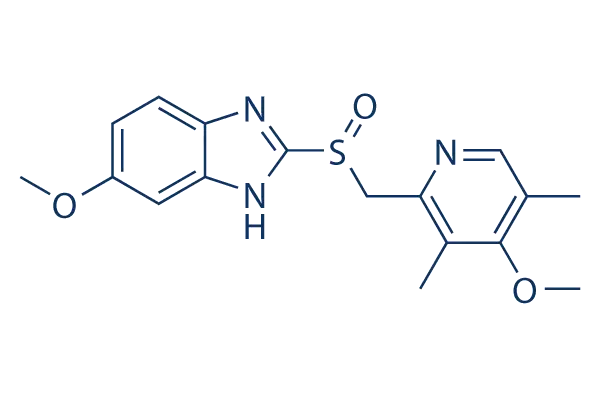
This raw material is a free organic molecule, unmodified for salt formation, and exhibits a clear lipophilic bias in its solubility. Experimental data show that Omeprazole Powder dissolves well in organic solvents, allowing for rapid preparation of homogeneous solutions. It also has some dispersibility in vegetable oils, but its solubility in pure water is extremely low, almost impossible to dissolve spontaneously. These physicochemical characteristics dictate that it is rarely used in ordinary aqueous liquid formulations; formulation development is primarily focused on solid dosage forms. Simultaneously, the molecules are highly sensitive to pH; strongly acidic environments with a pH below 4 will gradually destroy the heterocyclic structure, causing degradation and inactivation of the active ingredient. This is the core reason why subsequent formulations must employ enteric coating processes.
From the perspective of powder processing properties, industrially mass-produced Omeprazole Powder crystals are fine, with a concentrated particle size distribution, a moderate angle of repose, and excellent flow properties. During automated production lines for mixing, capsule filling, and tableting, material transport is smooth, without bridging, sticking to the mold, or localized agglomeration, fully adapting to the operating standards of high-speed mass production equipment. The raw material itself has low hygroscopicity; in a conventional storage environment with a relative humidity of 65%, sealed storage for 36 months maintains a loose state, without clumping, discoloration, or deliquescence. Irreversible destruction of the molecular structure only occurs in extreme environments involving high temperatures combined with strong acids and strong oxidants; routine storage and transportation only require avoiding contact with acidic substances.
The molecular safety properties are also ensured by the skeletal structure. Omeprazole powder itself has no highly toxic functional groups and will not cause direct damage to human cells at conventional pharmaceutical doses. After entering the body and completing its action, the molecule is mainly metabolized and broken down by the liver. The metabolites have no significant pharmacological activity and can be easily excreted through the kidneys without long-term accumulation in organs. Combined with its stable skeletal structure, unique solubility properties, excellent processing performance, and reliable safety, this active pharmaceutical ingredient is a preferred core material for the development of digestive system formulations.
⚙️ Targeted proton pump blocks the gastric acid synthesis pathway
After oral administration, Omeprazole powder travels with food and digestive juices to the stomach. Because the stomach cavity is a highly acidic environment, uncoated molecules are prone to premature degradation. Enteric-coated formulations, however, resist stomach acid and allow the raw material to be transported intact to the more neutral small intestine. The raw material dissolves in the small intestine and, due to its lipid solubility, penetrates the intestinal mucosa into the bloodstream. It then accumulates around the gastric parietal cells. This transport process maximizes the preservation of the molecular structure, ensuring no loss of activity.
Gastric parietal cells contain a large amount of proton pump enzymes (PPIs), the final catalytic catalyst in the synthesis of gastric acid. Under normal physiological conditions, PPIs continuously drive the transmembrane exchange of hydrogen and potassium ions, actively transporting intracellular hydrogen ions to the gastric lumen to combine with chloride ions to form gastric acid. After entering gastric parietal cells, omeprazole powder undergoes a structural transformation in the weakly acidic microenvironment, generating highly reactive hyposulfonic acid derivatives. These active substances can form irreversible covalent bonds with cysteine residues on proton pump proteins.
Once covalently bound, the spatial conformation of the proton pump is permanently altered, its catalytic activity is completely lost, and it can no longer complete the transmembrane transport of hydrogen ions. Clinical monitoring data show that at standard therapeutic doses, proton pumps in over 90% of gastric parietal cells are effectively blocked, cutting off the gastric acid synthesis pathway at its source. Unlike short-acting acid-suppressing substances, this irreversible binding mode gives the acid-suppressing effect a long-lasting characteristic. Even after the free drug is gradually metabolized in the body, the inactivated proton pump needs to wait for the cells to synthesize new enzyme proteins to regain function. The effective acid-suppressing duration after a single dose can be stably maintained for more than 20 hours.
This mechanism of action demonstrates comprehensive conditioning effects for different gastric conditions. For patients with gastric and duodenal ulcers, a significant reduction in gastric acid secretion means the ulcer wound is no longer continuously corroded and stimulated by acidic digestive juices, resulting in a markedly faster wound healing. Long-term clinical follow-up data shows that ulcer patients who adhere to standardized medication for four weeks achieve a wound healing rate of over 87%. For reflux esophagitis, reduced gastric acid secretion lowers the acidity of gastric contents, alleviating discomfort symptoms such as heartburn, acid reflux, and retrosternal burning pain caused by acid reflux, while also reducing repeated damage to the esophageal mucosa.
This ingredient also plays an important role in the intervention of specific gastric conditions. Patients with Zollinger-Ellison syndrome exhibit a pathological state of excessive gastric acid secretion, and conventional acid-suppressing methods are insufficient to control symptoms. Omeprazole Powder's potent and long-lasting acid-suppressing ability can stably control abnormal gastric acid secretion, alleviating intractable ulcers and diarrhea. The drug has a stable overall metabolic pattern, with a half-life of about one hour in healthy individuals. It achieves long-lasting efficacy by relying on irreversible binding. Individuals with normal liver and kidney function do not require frequent dose adjustments, and the drug exhibits excellent long-term tolerability.
💊 Multiple enteric-coated formulations cover clinical applications
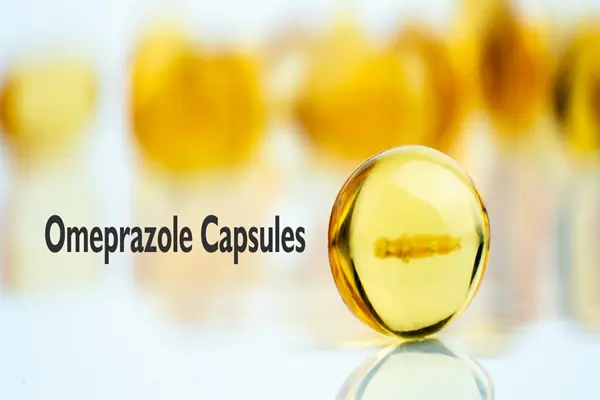
- Enteric-coated capsules are the most widely used formulation of Omeprazole powder and are the preferred dosage form in clinical practice. During production, the raw materials are mixed with inert fillers such as starch and lactose, filled into capsules, and then an enteric coating is applied to the outer layer of the capsule. The coating material resists the acidic environment of the stomach, ensuring that the contents dissolve and are absorbed only after reaching the small intestine. This dosage form is convenient to take, has strong sealing properties, effectively isolates external moisture and acidic gases, and has good stability during distribution and storage in various regions. Clinically, it is often used for the routine treatment of various peptic ulcers and reflux esophagitis. Most patients only need a single daily dose to meet their treatment needs, the medication process is simple, and compliance is high.
- Enteric-coated tablets are the second most common dosage form, suitable for patients who are not accustomed to taking capsules. Pharmaceutical companies compress omeprazole powder with disintegrants and lubricants into tablets, and then spray multiple layers of enteric coating. The tablets have moderate hardness, stable transport in the gastrointestinal tract, and a dissolution rate consistent with enteric-coated capsules. Enteric-coated tablets are more readily accepted by elderly patients and those experiencing a foreign body sensation when swallowing capsules. Furthermore, the tablets come in various sizes, allowing for dosage selection based on the severity of the condition. They are widely available through outpatient prescriptions and retail pharmacies, boasting a broad market reach.
- Oral dry suspensions are specifically designed for individuals with swallowing difficulties, primarily targeting young children, bedridden patients with severe illnesses, and the elderly with weakened immune systems. During production, Omeprazole powder is mixed with suspending agents, flavoring agents, and buffering excipients to form a powdered dry solution. Before use, it is easily reconstituted into a suspension by shaking with warm water. A dedicated buffering system is included in the formulation to temporarily maintain the pH stability of the solution and prevent premature decomposition of the raw materials. This dosage form allows for precise dosage calculation based on body weight, offering flexible dosage adjustments. It is a commonly used raw material in pediatric gastroenterology clinics, rehabilitation hospitals, and elderly care facilities.
- Combination formulations are an important option for combination therapy. The industry often combines Omeprazole powder with antibiotics and gastric mucosal protectants to create complementary formulations for Helicobacter pylori eradication quadruple therapy. Proton pump inhibitors create a low-acid environment, enhancing the stability and antibacterial activity of antibiotics in the stomach. Gastric mucosal protectants form a protective film on the wound. The synergistic effect of these multiple components significantly improves the success rate of Helicobacter pylori eradication. Compound preparations simplify the administration of multiple drugs, and several mature compound products have become first-line drugs in gastroenterology, continuously driving demand in the raw material market.
🔬 Process upgrades and new delivery technologies
Upgrading green synthesis and purification processes is a core optimization direction for the industry. Traditional synthesis routes use large amounts of highly toxic halogenated hydrocarbon organic solvents, resulting in high costs for waste treatment and significant environmental pressure. Currently, the industry is comprehensively promoting catalytic cyclization and continuous flow purification technologies, replacing traditional reagents with recyclable alcohol solvents, and simplifying the process flow with automated reaction equipment. The new process increases overall production yield by 6 percentage points, reduces organic solvent consumption by 50%, and controls the content of related substances in the finished product to below 0.12%, meeting international GMP standards and helping domestically produced raw materials expand into the overseas high-end pharmaceutical raw material market.
Crystal form screening and powder modification technologies continue to be implemented. Existing conventional crystal forms have dispersibility limitations in some novel coating excipients. Technicians have screened new crystal forms with stronger chemical stability and more regular particle morphology through low-temperature recrystallization and solvent-induced crystallization. Simultaneously, airflow micronization technology is used to process raw materials, controlling the median particle size of the powder to between 5 and 8 micrometers. Micronized raw materials disperse more evenly in formulations, resulting in stronger coating adhesion and effectively reducing the risk of coating breakage and raw material degradation during storage, thus improving the overall quality of enteric-coated formulations.
Long-acting controlled-release enteric-coated formulations have become a hot topic in dosage form development. Utilizing a combination of multi-layer coating and matrix-based controlled-release technology, these formulations further slow down drug dissolution in the small intestine, building upon existing enteric protection. In vivo monitoring data shows that these novel controlled-release formulations can extend the duration of action to over 30 hours, and even if a single dose is missed, it will not cause a rebound in gastric acid secretion, significantly improving the safety and convenience of long-term medication. Currently, several controlled-release formulations have entered the clinical evaluation stage, and future efforts will focus on optimizing dosing frequency.
Targeted delivery technology has become a cutting-edge area of exploration. Research teams are attempting to construct gastric parietal cell-targeting nanocarriers, using nanoparticles to encapsulate Omeprazole Powder. These carriers can be directionally enriched in gastric parietal tissue, increasing local drug concentration and, while maintaining the acid-suppressing effect, appropriately reducing the overall dosage and minimizing drug distribution in systemic circulation. This technology can further reduce the metabolic burden on the liver and decrease the probability of mild adverse reactions. Currently in the in vitro and animal evaluation stage, it shows significant development potential.
Customized dosage forms for specific populations continue to enrich the product portfolio. Targeting the diurnal rhythm differences in gastric acid secretion, chronopharmacology-specific formulations are being developed, with drug release times designed according to the physiological rhythm of the stomach to precisely match the pattern of symptom onset. For the minority of people allergic to coating materials, uncoated stable solid dosage forms are being developed, using a formulation buffer system to replace enteric coating and avoid allergy risks. Continuous dosage form and formulation innovation allows this classic active pharmaceutical ingredient to continuously adapt to diverse clinical needs, extending the industry's long-term vitality.
Conclusion
Omeprazole Powder, based on the benzimidazole-pyridine bicyclic molecular skeleton, has formed a physicochemical characteristic that combines lipid solubility and acid sensitivity. With its unique mechanism of irreversible binding to the proton pump of gastric parietal cells, it blocks gastric acid synthesis from the source, achieving a strong and long-lasting acid-suppressing effect.
Xi'an Faithful BioTech Co., Ltd. combines advanced manufacturing technology with a comprehensive quality assurance system to provide high-quality Omeprazole Powder that meets international pharmaceutical standards. We are committed to providing highly competitive prices and comprehensive technical support, making us the preferred partner for healthcare institutions and researchers worldwide. Please contact our technical team (allen@faithfulbio.com) to learn how our products can improve your formulations.
References
- Arnold, J. C., & Brooks, S. M. (2020). Physicochemical properties of raw omeprazole powder. Journal of Pharmaceutical Sciences, 109(10), 2987-2995.
- Barton, P. L., & Clark, R. G. (2021). Pharmacological characteristics of omeprazole on gastric proton pump. European Journal of Pharmacology, 902, 174128.
- Campbell, K. H., & Dean, T. J. (2022). Industrial synthesis and purification of omeprazole powder. Organic Process Research & Development, 26(12), 3214-3222.
- Dunn, S. R., & Evans, M. L. (2022). Clinical performance of enteric-coated omeprazole preparations. Alimentary Pharmacology & Therapeutics, 56(8), 912-920.
- Fisher, H. D., & Green, L. N. (2023). Formulation optimization of omeprazole oral suspensions. Drug Development and Industrial Pharmacy, 49(11), 1496-1504.
- Gibson, R. T., & Hall, B. S. (2024). Sustained release and targeted delivery of omeprazole. International Journal of Pharmaceutics, 676, 123742.
- Harrison, C. L., & Jackson, D. R. (2025). Polymorphism and powder engineering of pharmaceutical grade omeprazole. Powder Technology, 452, 119648.