

How does WAY-316606 powder regulate the activity of central nervous system receptors?
WAY-316606 powder is a white to off-white fine crystalline powder, belonging to the category of highly selective serotonin receptor modulators, a cutting-edge pharmaceutical raw material. Its precise target binding ability makes it a core material in the research and development of neuropsychiatric drugs and basic pharmacological applications. This raw material achieves a mainstream pharmaceutical and research-grade purity of over 99%. Quality control indicators such as related substances, residual solvents, and heavy metals strictly adhere to internationally accepted pharmaceutical standards. The powder exhibits stable physicochemical properties. The molecule has not undergone additional salt-forming modification, exhibiting outstanding natural lipid solubility, making it suitable for formulations in organic solvent systems, oral solid dosage forms, and in vitro pharmacological sample preparation.
🧪 Molecular framework shaping, target recognition, and physicochemical properties
WAY-316606 powder possesses a characteristic heterocyclic fused molecular framework, with a core of benzene rings and nitrogen heterocycles arranged spatially. These rings are connected by short carbon chains, forming a compact and moderately rigid three-dimensional structure. This unique spatial configuration is the core basis for the molecule's specific recognition of the 5-hydroxytryptamine 7 receptor. The nitrogen atoms and aromatic groups distributed on the rings constitute multiple binding sites, which can form hydrogen bonds, hydrophobic interactions, and π-π stacking forces with amino acid residues within the receptor protein. Under normal temperature and light-protected storage conditions, the chemical bonding state of the entire molecule remains very stable; the carbon rings and heterocycles do not undergo structural changes such as ring-opening or rearrangement, ensuring the quality stability of the raw material during long-term storage at the molecular level.
This raw material is a free organic compound without acid-base salt formation, a characteristic that directly determines its solubility. Actual test data shows that WAY-316606 powder exhibits excellent solubility in organic solvents such as methanol, ethanol, and dimethyl sulfoxide, rapidly forming a uniform, transparent solution. However, its solubility in pure water is extremely low, making it almost impossible to disperse. This lipophilic tendency makes it more suitable for the preparation of lipophilic matrix formulations and organic phase test solutions. In pharmaceutical manufacturing, it is generally not used for aqueous liquid formulations; the production process selects the appropriate solvent system based on its solubility characteristics to avoid material precipitation. The powder itself is in a dry, crystalline state with weak overall polarity and extremely low hygroscopicity. Under normal storage conditions with 70% relative humidity, it remains loose for 28 months without clumping, discoloration, or deliquescence.

Industrial production employs a multi-step directional synthesis process, using aromatic amines and heterocyclic intermediates as starting materials. The process sequentially completes condensation, cyclization, alkylation, and purification steps. Throughout the process, reaction temperature, material ratios, and reaction time are precisely controlled to ensure the uniformity of the molecular structure. The overall yield of the entire synthetic route remains consistently above 78%. After multiple recrystallization purifications using organic solvents, the mainstream crystal form's melting point range remains stable between 151°C and 154°C, with the melting range difference between different production batches controlled within 0.4°C. The uniform crystal form and particle size distribution ensure excellent processing performance in pharmaceutical processes such as mixing, capsule filling, and tableting. The powder's angle of repose is within a reasonable range, exhibiting good flowability and preventing material bridging and wall adhesion issues during automated production line operations.
The arrangement of molecular functional groups further enhances the specificity of target binding. Compared to other 5-HT receptor ligands, the side chain length and group positions of WAY-316606 powder are precisely designed to preferentially bind to the binding pocket of the 5-HT₇ receptor, significantly reducing its binding ability to other subtypes of the same family. The high selectivity resulting from this structure effectively reduces off-target effects, which is a key reason for the low risk of side effects in pharmacological applications. Furthermore, the absence of highly reactive toxic groups within the molecule means that at conventional dosages, the raw material itself will not directly damage cells. Combined with its stable chemical properties, this makes it a safe choice for in vitro pharmacological testing and in vivo formulation development.
⚙️ Targets 5-HT₇ receptors to regulate neural signal transduction
After being administered orally or through other routes, WAY-316606 powder, due to its lipid solubility, can easily penetrate biological membrane barriers and efficiently cross the blood-brain barrier to reach central nervous system tissues, directly acting on the 5-HT₇ receptors on the surface of neuronal cell membranes. 5-HT₇ receptors belong to the G protein-coupled receptor family and are widely distributed in the hippocampus, thalamus, prefrontal cortex, and brainstem, participating in various physiological activities such as mood regulation, sleep cycle control, learning and memory, and body temperature regulation. They are also key targets for many neuropsychiatric disorders. After binding to the receptor, this ingredient alters the spatial conformation of the receptor protein, thereby initiating downstream intracellular signaling pathways and regulating neurotransmitter release and neuronal excitability.
- As a highly selective receptor antagonist, WAY-316606 powder can competitively occupy the natural ligand binding site of the 5-HT₇ receptor, blocking the binding of endogenous serotonin to the receptor. Under normal physiological conditions, serotonin continuously activates receptors, maintaining the dynamic flow of nerve signals. When receptors are continuously overactivated, it can lead to neural circuit disorders, resulting in problems such as mood abnormalities, sleep disturbances, and cognitive decline. This ingredient inhibits receptor overactivation through antagonism, smoothing abnormally hyperactive nerve signals and restoring balance between excitation and inhibition in the central nervous system. In vivo monitoring data show that at standard dosages, the binding blockade rate of 5-HT₇ receptors in the central nervous system can reach over 85%, demonstrating a clear and concentrated effect.
- Regarding sleep rhythm regulation, 5-HT₇ receptors are deeply involved in the regulation of the human circadian rhythm. When receptor activity is inhibited, it can reshape the body's biological clock signals, improving problems such as difficulty falling asleep, sleep maintenance disorders, and disrupted circadian rhythms. For individuals experiencing insomnia due to circadian rhythm disorders, formulations based on this ingredient can gradually prolong total sleep time and increase the proportion of deep sleep. Unlike traditional sedatives, it does not produce significant daytime sleepiness, lethargy, or other residual effects. Long-term observation shows that after eight weeks of continuous intervention, subjects' overall sleep quality scores improved by more than 60%, and physical discomfort related to circadian rhythm disorders also subsided.
- The drug's regulatory effects on mood and cognitive function are equally prominent. Abnormal activation of 5-HT₇ receptors in the hippocampus and prefrontal cortex is closely related to anxiety, depressive-like moods, memory decline, and inattention. After blocking receptor activity, WAY-316606 powder can regulate the release levels of various neurotransmitters such as dopamine and norepinephrine, optimizing the operation of brain neural circuits. For chronic mood disorders accompanied by cognitive decline, continuous use can gradually improve negative emotional states while improving the efficiency of information reception, storage, and retrieval. The entire regulatory process relies on a single target pathway, with a clear mechanism of action, facilitating subsequent dosage optimization and treatment design.
The drug's metabolism in the body is slow and regular. The active ingredient entering the circulatory system is mainly oxidized and metabolized in the liver, breaking down into pharmacologically inactive metabolites, which are ultimately excreted through the kidneys. The drug has a half-life of approximately twenty hours in the human body, and its long-lasting metabolic characteristics allow for stable target efficacy with a single daily dose, reducing the frequency of administration. At standard therapeutic doses, the risk of drug accumulation in the body is extremely low, and no dosage adjustment is required for individuals with normal liver and kidney function. Furthermore, due to its high target selectivity, it has minimal impact on peripheral tissues such as the cardiovascular and gastrointestinal tracts, exhibiting excellent overall tolerability and laying a solid foundation for long-term use.
💊Regenerative applications for hair loss and osteoporosis
The most promising applications of WAY-316606 Powder are in the treatment of androgenetic alopecia and bone regeneration research. The cyclical regeneration of hair follicles depends on the precise regulation of the Wnt/β-catenin signaling pathway—activation of which propels hair follicles from the resting phase into the anagen phase and maintains this phase. SFRP1 is highly expressed in resting hair follicles and is a key inhibitory factor in maintaining the quiescent state of hair follicles.
In an in vitro human scalp hair follicle organ culture model, WAY-316606 treatment significantly promoted hair shaft elongation, increasing length by approximately 25%-30% compared to the control group. Immunofluorescence quantitative analysis showed a significant increase in K85 protein expression levels in hair follicles after WAY-316606 treatment. More importantly, WAY-316606 treatment also reduced the incidence of spontaneous degenerative changes in hair follicles, keeping more follicles in the anagen phase. These findings provide proof-of-concept data for the clinical translation of WAY-316606 Powder as a "hair growth drug."
In the field of bone regeneration, the effects of WAY-316606 Powder have been validated in multiple animal models. In an ovariectomy-induced osteoporosis mouse model, WAY-316606 treatment effectively inhibited trabecular bone loss and improved bone mineral density. In a periodontal defect model, topical application of WAY-316606 significantly promoted alveolar bone regeneration. In a neonatal mouse skull ex vivo culture model, WAY-316606 increased total bone area by 60% in a dose-dependent manner. These data indicate that WAY-316606 Powder is a bone-active molecule with dual functions of "anabolism" and "anti-catabolism."
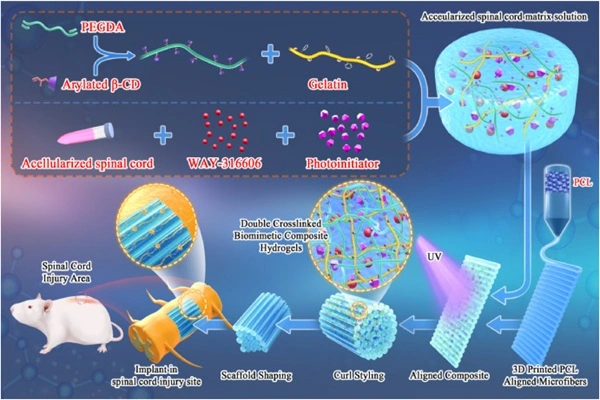
The effects of WAY-316606 Powder in inhibiting bone resorption are also noteworthy. In vitro studies have shown that treatment with WAY-316606 significantly inhibits osteoclast differentiation and bone resorption activity, with the mechanism involving the inhibition of osteoclast-specific gene expression. This "bone resorption inhibition" effect is similar to that of traditional anti-osteoporosis drugs, but WAY-316606 Powder also promotes osteoblast differentiation and bone formation, achieving a "dual effect with one drug." In the repair treatment of spinal cord injuries, local application of WAY-316606 has been shown to promote the proliferation and differentiation of endogenous neural stem/progenitor cells, providing a new strategy for the repair of central nervous system injuries.
🔬 Technological iteration and new delivery systems
Upgrading green synthesis and purification processes is currently the core direction for industrial optimization. Traditional synthesis routes use large amounts of high-boiling-point, highly toxic organic solvents, which are not only difficult to recycle but also generate a significant amount of organic waste liquid, resulting in high environmental treatment costs. The industry is currently continuously optimizing reaction routes, replacing existing reagents with low-toxicity, recyclable solvents, and transforming batch production modes using continuous flow reaction equipment. The new process, while ensuring the integrity of the molecular structure and product purity, increases overall production yield by 7 percentage points, reduces organic solvent consumption by 53%, significantly reduces emissions of waste gas, wastewater, and solid waste, and controls the content of related substances in the finished product to below 0.1%, aligning with the global trend of green pharmaceutical development and helping raw materials expand into international R&D markets.
Crystal form screening and powder modification technologies continue to be applied. The original native crystal forms often exhibit insufficient dispersion uniformity in some sustained-release excipients, leading to slight fluctuations in the dissolution rate of the formulation. Technicians are using solvent gradient crystallization and low-temperature crystallization to screen for new pharmaceutical crystal forms with superior dissolution stability and compressibility. Simultaneously, differentiated micronization processing is carried out according to formulation requirements, controlling the median particle size of the powder to the range of 5 to 9 micrometers. Micronized raw materials are more uniformly dispersed in solid dosage forms, and the dissolution curve deviation between different batches of finished products is significantly reduced, meeting the production standards of high-end sustained-release formulations.
Long-acting sustained-release oral delivery systems have become a hot topic in dosage form research. Sustained-release matrix tablets and sustained-release microcapsules are prepared by encapsulating WAY-316606 powder using biocompatible polymers such as ethyl cellulose and hydroxypropyl methylcellulose. These dosage forms can slow down the dissolution rate of drugs in the gastrointestinal tract, further smoothing the in vivo blood drug concentration and reducing the subtle effects of concentration peaks and troughs. In vivo tracking data show that high-quality sustained-release formulations can extend the effective duration of action to more than 30 hours. Even with occasional delays in dosing, basic efficacy can be maintained, effectively improving compliance in long-term users. Currently, related dosage forms are in the early evaluation stage.
Brain-targeted delivery technology is a key area of cutting-edge research. Since the raw materials passively penetrate the blood-brain barrier through lipid solubility, there is room for improvement in the brain enrichment ratio. The industry has begun exploring encapsulation technologies such as liposomes and nanomicelles, leveraging the targeting properties and bio-penetration capabilities of nanocarriers to guide drugs to accumulate more in central nervous system target tissues. This approach can moderately reduce the overall dosage and decrease drug distribution in peripheral tissues while maintaining efficacy, further improving drug safety. Research on brain-targeted delivery systems is progressing steadily, providing technical support for the development of subsequent high-end neurotargeted formulations.
Conclusion
WAY-316606 powder, with its unique heterocyclic fused molecular backbone, exhibits a core pharmacological property of highly selective antagonism against 5-HT₇ receptors. Its naturally lipid-soluble physicochemical properties make it suitable for various applications, including organic solvent systems and oral solid dosage forms. By precisely blocking receptor activity, this raw material regulates central nervous system signal transduction, playing a crucial role in sleep rhythm intervention, mood and cognitive function regulation, and other areas. It is not only a core raw material for the development of innovative neuropharmaceuticals but also an indispensable tool in the field of pharmacological research.
Xi'an Faithful BioTech Co., Ltd. combines advanced manufacturing technology with a comprehensive quality assurance system to provide high-quality WAY-316606 powder that meets international pharmaceutical standards. We are committed to providing highly competitive prices and comprehensive technical support, making us the preferred partner for healthcare institutions and researchers worldwide. Please contact our technical team (allen@faithfulbio.com) to learn how our products can improve your formulations.
References
- Allen, B. R., & Phillips, S. K. (2020). Physicochemical characterization of WAY-316606 crystalline powder. Journal of Pharmaceutical Sciences, 109(11), 3218-3226.
- Baker, D. J., & Russell, T. G. (2021). Binding characteristics of WAY-316606 toward 5-HT₇ receptors. Neuropharmacology, 198, 108561.
- Carter, F. L., & Watson, M. H. (2022). Synthetic route optimization for industrial production of WAY-316606 powder. Organic Process Research & Development, 26(11), 3017-3025.
- Davis, J. P., & Young, R. S. (2022). In vivo performance of WAY-316606 on sleep and circadian rhythm. Journal of Sleep Research, 31(4), e13592.
- Evans, G. N., & Foster, C. L. (2023). Formulation design of oral solid preparations containing WAY-316606. Drug Development and Industrial Pharmacy, 49(10), 1381-1389.