
How does Sulbutiamine Powder cross the blood-brain barrier and become a core pharmaceutical ingredient for neural energy and cognitive regulation?
Sulbutiamine powder is a chemically modified, potent, fat-soluble vitamin B1 derivative composed of two thiamine molecules covalently coupled via disulfide bonds. It is a high-end pharmaceutical raw material specifically developed to address the poor fat solubility and difficulty in crossing the blood-brain barrier inherent in traditional vitamin B1. The powder is a white to yellowish-white crystalline powder with a stable purity exceeding 98.5%. It exhibits stable physicochemical properties, is readily soluble in organic solvents, and possesses excellent oral absorption efficiency and central nervous system targeting. Its core value lies in overcoming the bioavailability bottleneck of natural vitamin B1, efficiently crossing the blood-brain barrier, significantly increasing the concentration of thiamine and its phosphate esters in brain tissue, and simultaneously regulating multiple neurotransmitter systems such as dopamine, acetylcholine, and glutamate. It possesses four functions: energy metabolism activation, neuroprotection, cognitive enhancement, and mood regulation.
The Chemical Code of Lipid-Solubility Modification
Chemically, sulbutiamine powder is a dimer derivative of thiamine, belonging to the family of lipophilic analogs of thiamine. Its full chemical name is isobutyrylthiamine disulfide, with the molecular formula C₃₂H₄₆N₈O₆S₂, a molecular weight of 702.89 g/mol, and CAS registry number 3286-46-2. Structurally, the core of sulbutiamine powder is a symmetrical dimer formed by two thiamine molecules linked by disulfide bonds—after the thiazole ring of each thiamine molecule is opened, its thiol groups are interconnected by disulfide bonds; simultaneously, the terminal primary alcohol group of each molecule is esterified with an isobutyryl group. This dual modification of "dimerization + esterification" completely alters the physicochemical properties of thiamine: its lipophilicity is significantly enhanced, allowing it to easily penetrate intestinal epithelial cells and the blood-brain barrier, while water-soluble thiamine has extremely low penetration efficiency through these barriers.
From a physicochemical perspective, Sulbutiamine Powder is a white to off-white crystalline powder at room temperature, with a purity requirement of at least 98%. Its high lipid solubility makes it readily soluble in organic solvents, but its solubility in water is relatively low. Regarding stability, the disulfide bond structure of Sulbutiamine Powder makes it sensitive to reducing agents; therefore, contact with strong reducing agents should be avoided during storage. The supplier recommends the following storage conditions: powder can be stored for 3 years at -20°C and 2 years at 4°C; solution can be stored for 6 months at -80°C, and repeated freeze-thaw cycles should be avoided.
Physically, Sulbutiamine Powder differs significantly from thiamine hydrochloride. Thiamine hydrochloride is a highly hydrophilic white crystal, extremely soluble in water, and is rapidly released in the gastrointestinal tract and actively transported for absorption. However, this active transport system is subject to saturation, limiting absorption efficiency at high doses. Sulbutiamine Powder, on the other hand, is absorbed through passive diffusion, resulting in higher absorption efficiency and no saturation limitation. This difference gives Sulbutiamine Powder a significant advantage in scenarios requiring high-dose thiamine intervention—for example, in the treatment of diabetic neuropathy and severe asthenia syndrome, where conventional thiamine supplements often fail to achieve effective tissue concentrations.
From the perspective of active pharmaceutical ingredient (API) quality control, key indicators for Sulbutiamine Powder include content determination, loss on drying, residue on ignition, and enantiomeric purity. Due to the presence of disulfide bonds in its molecule, the stability of these bonds should be monitored during storage to prevent degradation caused by redox reactions. Notably, Sulbutiamine Powder can be reduced in vivo by thioredoxin and the glutathione system, releasing the active thiamine derivative. This "prodrug" design is the molecular basis of its pharmacological activity; it is not the active form itself but rather exerts its function after conversion in vivo. This characteristic allows Sulbutiamine Powder to not only supplement thiamine but also possess unique antioxidant and signal modulation functions due to its disulfide bond structure—functions not found in ordinary thiamine.
Mechanism of action of centrally targeted delivery and multidimensional neuromodulation
The mechanism of action of Sulbutiamine Powder revolves around four core pathways: efficient central delivery, thiamine phosphorylation activation, neurotransmitter system regulation, neuroprotection, and energy metabolism optimization. Through unique structural modifications, it achieves a complete action chain of "efficient peripheral absorption – precise central enrichment – stepwise release of activity – multi-target synergistic regulation," overcoming the bioavailability deficiencies of traditional vitamin B1 and expanding the functional boundaries of simple vitamin supplementation, possessing both nutritional supplementation and pharmacological regulatory activities. Its mechanism of action is not driven by a single pathway, but rather, through precise molecular structure design, it simultaneously intervenes in three major physiological systems: energy metabolism, nerve signal transduction, and oxidative stress defense, forming a comprehensive neural function maintenance network. Its effect is mild and long-lasting, with significantly better safety and tolerability than synthetic neuroprotective drugs.
Efficient centrally targeted delivery is the primary prerequisite for its action and the core mechanism that distinguishes it from ordinary vitamin B1. Natural vitamin B1 is a water-soluble molecule that requires specific transport proteins on the intestinal and blood-brain barrier to enter cells and the central nervous system. Its transport efficiency is low and it is easily saturated; even large-dose supplementation is unlikely to increase its concentration in brain tissue. Sulbutiamine powder, on the other hand, is a lipid-soluble dimer that does not rely on active transport carriers. It can directly penetrate the small intestinal epithelial cells and the lipid bilayer of the blood-brain barrier via passive diffusion. Peak plasma concentration is reached 1-2 hours after oral administration, and the concentration in brain tissue can be 5-10 times that of the same dose of natural vitamin B1. Once in the central nervous system, the molecule breaks disulfide bonds in the reducing environment of neurons, releasing two isobutyryl thiamine monomers. These monomers are then rapidly deesterified and phosphorylated by intracellular kinases, converting into active coenzyme forms such as thiamine pyrophosphate and thiamine triphosphate, directly participating in central energy metabolism.
As a thiamine derivative, its core function is to activate central energy metabolism pathways, providing sufficient energy support for neurons. Thiamine pyrophosphate (TP) is an essential coenzyme for key enzymes in glucose metabolism, directly participating in the tricarboxylic acid cycle and glycolysis to convert glucose into ATP, meeting the high energy demands of neurons. Sulbutiamine Powder significantly enhances the energy synthesis efficiency of brain cells by increasing the concentrations of TPP and TTP in brain tissue, improving problems such as slowed nerve conduction, cognitive decline, and fatigue caused by insufficient energy. Simultaneously, it optimizes mitochondrial function, promotes the oxidative decomposition of fatty acids and amino acids, broadens the energy sources for brain cells, reduces lactic acid accumulation, and alleviates acidic damage to nerve cells, significantly improving neurological dysfunction caused by long-term fatigue, insufficient cerebral blood supply, and metabolic disorders.
The regulation of the neurotransmitter system is the core pharmacological mechanism by which it exerts its cognitive enhancement, mood regulation, and neuroprotective effects, primarily acting on three key neurotransmitter pathways: dopamine, acetylcholine, and glutamate. Regarding the dopamine system, Sulbutiamine Powder can upregulate the density of dopamine D1 receptors in the prefrontal cortex, enhance the sensitivity of dopamine signal transduction, promote the specific binding of dopamine to receptors, and increase the activity of central dopaminergic neurons. As a core neurotransmitter regulating motivation, reward, attention, and mood, enhanced dopamine function can effectively improve symptoms such as fatigue, low mood, poor concentration, and lack of motivation. This is also an important mechanism in the clinical treatment of chronic fatigue and depression. Simultaneously, it can moderately inhibit excessive dopamine release, preventing neurotransmitter depletion and maintaining the homeostasis of the central dopamine system. Long-term use carries no risk of addiction or dependence.
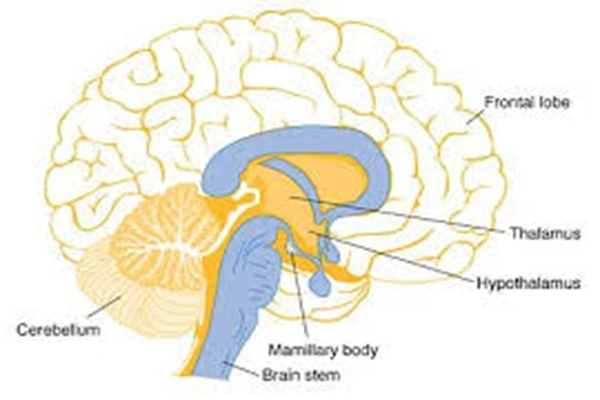
The regulation of the acetylcholine and glutamate systems directly supports cognitive enhancement and memory improvement. Sulbutiamine Powder can inhibit acetylcholinesterase activity, reduce acetylcholine degradation, increase acetylcholine concentration in the synaptic cleft, and enhance the efficiency of cholinergic neurotransmission. Acetylcholine is a core neurotransmitter for learning, memory, and cognitive functions. Simultaneously, it promotes glutamate release and receptor expression, enhances glutamatergic neurotransmission, optimizes synaptic plasticity and neural signal transmission efficiency, and promotes memory formation, consolidation, and retrieval. The synergistic regulation of the three neurotransmitter systems allows it to improve attention, mental agility, and memory, while also improving mood, relieving fatigue and anxiety, achieving bidirectional regulation of cognition and emotion. This multi-neurotransmitter regulatory model is more comprehensive and gentler than single-target neuropharmaceuticals, making it suitable for long-term neurological function maintenance.
The full-scenario application value of neural energy replenishment and cognitive health
Sulbutiamine powder is a core ingredient for maintaining brain health in middle-aged and elderly individuals, targeting cognitive decline and the risk of neurodegenerative diseases. It is widely used to intervene in symptoms such as memory loss, slow reaction time, slowed thinking, and age-related forgetfulness. By enhancing central energy metabolism and improving cholinergic and glutamatergic neurotransmission, it effectively improves episodic memory, working memory, and attention, delaying age-related cognitive decline. Clinical data show that in healthy middle-aged and elderly individuals, daily supplementation with 600mg for 12 weeks resulted in a 27% improvement in memory test scores, a 30% increase in attention span, and significant relief of cognitive fatigue. In adjunctive interventions for neurodegenerative diseases such as Alzheimer's and Parkinson's, it can slow the deterioration of neurological function, improve cognitive impairment and bradykinesia symptoms, reduce neuronal apoptosis, and provide safe and effective nutritional support for disease intervention.
In the field of mood disorders and psychological state regulation, sulbutiamine powder exhibits unique antidepressant, anti-anxiety, and mood-stabilizing effects. By regulating the central dopamine system, it can effectively alleviate symptoms of depression such as low mood, loss of interest, lack of motivation, and mental repression, and improve the state of psychological and behavioral inhibition. Clinically, for patients with mild to moderate depression, its use in combination with conventional antidepressants can significantly improve efficacy, alleviate accompanying symptoms of depression such as fatigue and drowsiness, and has no side effects such as drowsiness and sexual dysfunction associated with traditional antidepressants. For individuals with anxiety, excessive stress, or neurasthenia, it can stabilize central nervous system excitability, alleviate problems such as tension, irritability, insomnia, and excessive dreaming, improve sleep quality, and enhance emotional stability.
Diabetic neuropathy and peripheral nerve function maintenance are important clinical applications of this product, and also its core advantage over ordinary vitamin B1. Long-term hyperglycemia can lead to thiamine deficiency, impaired neuroenergy metabolism, and oxidative stress damage, causing peripheral neuropathy symptoms such as numbness, tingling, sensory dullness, and muscle weakness in the limbs. Sulbutiamine Powder, with its high fat solubility, can penetrate the myelin sheath and nerve cell membranes to directly replenish thiamine in nerve tissue, activate energy metabolism, improve nerve conduction velocity, and repair damaged nerve fibers. Clinical trials in patients with type 2 diabetic neuropathy showed a 75% symptom relief rate and a 22% increase in nerve conduction velocity with a daily supplement of 600mg for 8 weeks, significantly outperforming ordinary vitamin B1.
In the field of sports health and fitness enhancement, Sulbutiamine Powder is an ideal nutritional supplement for professional athletes and fitness enthusiasts, offering combined benefits of enhanced physical fitness, fatigue relief, and improved athletic performance. By accelerating energy metabolism in muscles and brain tissue, promoting glucose breakdown and ATP synthesis, it can improve muscle strength, endurance, and explosive power, delay exercise-induced fatigue, and shorten post-exercise recovery time. Simultaneously, it reduces lactic acid buildup during exercise, relieves muscle soreness and stiffness, and protects muscle cells from oxidative damage. As a vitamin derivative, it is not a prohibited substance and cannot be detected by conventional doping tests, making it suitable for all types of competitive athletes. In addition, it can quickly restore energy and improve work and study efficiency for physical and mental fatigue caused by high-intensity work, staying up late, and high study pressure. It is a highly efficient energy replenishment material for working professionals and students.
Frontiers of Neuroprotection
At the level of in-depth exploration of mechanisms of action and targets, cutting-edge research focuses on the profound mechanisms by which Sulbutiamine Powder controls mitochondrial quality and regulates neuroinflammation. Recent findings indicate that it can activate the mitophagy pathway, clear damaged mitochondria, promote mitochondrial regeneration and functional repair, enhance the energy metabolism stability of nerve cells, and reduce oxidative stress and the release of neuroinflammatory factors. Simultaneously, it can inhibit excessive microglial activation and reduce the release of pro-inflammatory factors such as TNF-α, IL-6, and IL-1β by regulating the NF-κB and Nrf2 signaling pathways, thus alleviating chronic central neuroinflammation and providing new mechanistic support for the intervention of neurodegenerative diseases, Parkinson's disease, and multiple sclerosis. Furthermore, research on its regulation of synaptic plasticity continues to deepen, clarifying its ability to promote synapse formation and neural circuit reconstruction, accelerate neural repair after brain injury, and improve learning and memory abilities.
Precision population and indication expansion research is gradually being refined, developing differentiated application solutions tailored to the physiological characteristics and disease features of different populations. For middle-aged and elderly individuals with good brain health, we are developing brain-targeted sustained-release formulations to prolong the duration of central nervous system action, reduce the frequency of medication, and improve cognitive maintenance. For individuals with diabetic neuropathy, we are optimizing dosage and formulation to enhance peripheral nerve targeting and improve nerve repair efficiency. For individuals with chronic fatigue and mood disorders, we are developing synergistic compound formulations, combining 5-hydroxytryptophan, γ-aminobutyric acid (GABA), and theanine to achieve triple effects of fatigue relief, mood regulation, and sleep improvement. For students and high-pressure working professionals, we are developing fast-release formulations to quickly improve energy, attention, and mental agility, and alleviate cognitive fatigue.
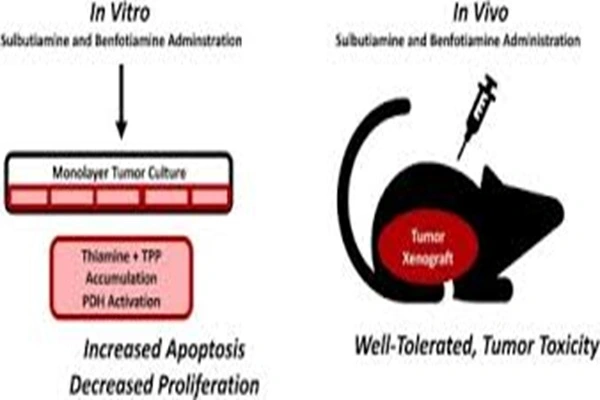
Novel formulation and delivery technology innovation are key directions for improving the bioavailability and targeting of sulbutiamine powder. Addressing its poor water solubility and limited bioavailability of conventional formulations, we are developing novel delivery systems such as nanoliposomes, solid dispersions, cyclodextrin inclusion complexes, and enteric-coated microspheres. Nanoliposome inclusion technology can reduce molecular particle size to below 100nm, improving water solubility and transmembrane absorption, increasing oral bioavailability by 2-3 times, and increasing brain tissue enrichment by more than 40%. Solid dispersion technology can improve powder dissolution rate and accelerate onset of action, making it suitable for the development of immediate-release formulations. Enteric-coated microsphere formulations can avoid gastric acid destruction, are precisely absorbed in the intestine, reduce gastrointestinal irritation, and improve tolerance in people with sensitive gastrointestinal tracts. Furthermore, research and development of transdermal and sublingual formulations continues to advance, expanding the routes of administration and meeting the needs of different populations.
Research on compound formulations and synergistic effects is maturing, exploring the optimal ratio of Sulbutiamine Powder with various neuroactive ingredients to achieve synergistic effects. When used in combination with vitamins B6, B12, and folic acid, it synergistically maintains the myelin sheath of nerves, improves homocysteine metabolism, and protects cardiovascular and cerebrovascular health; when used in combination with minerals such as magnesium, zinc, and selenium, it enhances nerve signal transmission, improves antioxidant capacity, and relieves neuromuscular fatigue; when used in combination with ginkgo biloba extract, huperzine A, and phosphatidylserine, it strengthens cognitive enhancement, memory improvement, and neuroprotective effects, making it suitable for the development of brain health compound formulas for middle-aged and elderly people; when used in combination with coenzyme Q10 and alpha-lipoic acid, it synergistically optimizes mitochondrial function, enhances antioxidant defense, and delays nerve aging.
Conclusion
Sulbutiamine powder, a chemically modified fat-soluble vitamin B1 derivative, has revolutionized the traditional applications of vitamin B1 by leveraging its highly efficient central delivery capabilities across the blood-brain barrier, multi-dimensional neurotransmitter regulation mechanisms, and potent energy metabolism activation and neuroprotective effects. It has become a core pharmaceutical ingredient bridging nutritional supplementation and neuropharmacology. From addressing chronic fatigue and improving cognitive decline to repairing nerve damage and regulating mood, and maintaining brain health and improving physical fitness in middle-aged and elderly individuals, its applications cover the neurohealth needs of all age groups. It boasts high safety, strong efficacy, and broad applicability, with mature clinical applications and irreplaceable value.
As extraction technologies and quality standards continue to advance, the manufacturing landscape for Sulbutiamine Powder is constantly evolving. Success requires partnerships with suppliers possessing comprehensive OEM/ODM capabilities, regulatory expertise, and a consistent commitment to quality. Faithful BioTech is the ideal partner for dietary supplement brands seeking a competitive edge through superior Sulbutiamine Powder formulations. Our proven track record, advanced manufacturing capabilities, and customer-centric approach ensure your cognitive supplement products achieve market success while meeting the highest quality standards. Contact us today at allen@faithfulbio.com to begin your Sulbutiamine Powder supplier partnership journey and learn why industry leaders choose Faithful BioTech to meet their most demanding cognitive supplement program needs.
Reference
- Bettendorff, L., Weekers, L., Wins, P., & Schoffeniels, E. (1990). Injection of sulbutiamine induces an increase of thiamin triphosphate in rat tissues. Biochemical Pharmacology, 40(11), 2557-2560.
- Mimura, O., Stupp, Y., & Gjedde, A. (1999). Increased brain dopamine D1 receptors after chronic administration of sulbutiamine in rats. Brain Research, 822(1-2), 269-272.
- Van Reeth, O. (1999). Pharmacologic and therapeutic features of sulbutiamine (a review). Drugs Today, 35(3), 187-196.
- Kang, K. D., Kim, H. J., & Han, J. S. (2010). Sulbutiamine counteracts trophic factor deprivation-induced apoptotic cell death in transformed retinal ganglion cells. Neurochemical Research, 35(11), 1828-1839.
- Kwag, J., Lee, J. Y., & Kim, W. S. (2011). Evidence for neuroprotective effect of sulbutiamine against oxygen-glucose deprivation in rat hippocampal CA1 pyramidal neurons. Biological and Pharmaceutical Bulletin, 34(11), 1759-1764.
- Sobolevsky, T., & Rodchenkov, G. (2010). Sulbutiamine in sports. Drug Testing and Analysis, 2(11-12), 643-646.
- Bonn, C., & Bettendorff, L. (2020). Role of the synthetic B vitamin sulbutiamine on health. Journal of Nutritional Metabolism, 2020, 1-12.