
How does N-Acetyl-L-cysteine ethyl ester powder, with its superior cell penetration, become a core ingredient for next-generation glutathione activation and systemic antioxidant effects?
N-Acetyl-L-cysteine ethyl ester powder is a lipid-soluble prodrug of the classic antioxidant N-acetyl-L-cysteine, modified by ethyl esterification. It is also one of the most groundbreaking high-end pharmaceutical raw materials in the field of antioxidants and cell protection. This powder is a white to off-white crystalline powder with a stable purity of over 98%. It exhibits stable physicochemical properties and good water and lipid solubility, completely overcoming the core bottlenecks of traditional NACs, such as poor cell membrane penetration, low bioavailability, and difficulty in entering the central nervous system. Its core value lies in its ability, after oral administration, to efficiently penetrate all biological membranes via passive diffusion, including the blood-brain barrier and mitochondrial membranes. Within the cell, it rapidly deesterifies to release active NAC and cysteine, continuously providing the rate-limiting substrate for glutathione synthesis. Simultaneously, it possesses multiple activities including direct antioxidant, anti-inflammatory, neuroprotective, liver detoxification, and hydrogen sulfide donor activity.
Ethyl ester modification and chiral configuration construction for efficient delivery backbone
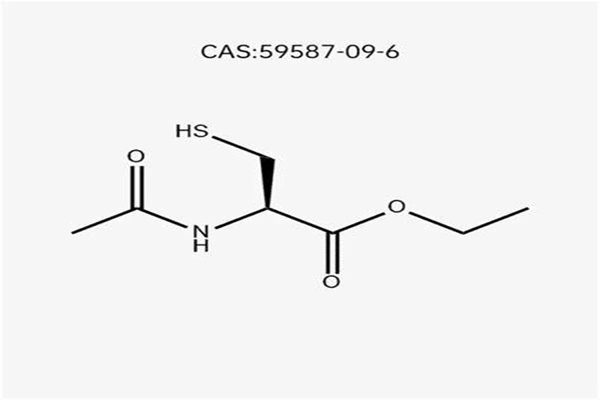
N-Acetyl-L-cysteine ethyl ester powder is chemically an ethyl ester derivative of N-acetylcysteine, belonging to the cysteine prodrug family. Its full chemical name is (R)-ethyl 2-acetamido-3-mercaptopropanoate, with the molecular formula C₇H₁₃NO₃S, a molecular weight of 191.25 g/mol, and CAS registry number 59587-09-6. Structurally, NACET differs from NAC only in that its carboxyl terminus is replaced by an ethyl ester group, rather than the free carboxyl group found in NAC. This seemingly minor change brings about profound changes in physicochemical properties; ethyl esterification significantly reduces the molecule's polarity, greatly enhancing its lipophilicity, thus enabling it to efficiently cross the lipid bilayer of the cell membrane via passive diffusion.
Physically, high-purity N-Acetyl-L-cysteine ethyl ester powder is a white to off-white crystalline solid, with a purity typically exceeding 98%. Its calculated LogP value is 0.824, significantly higher than the negative LogP value of NAC, a difference that directly reflects the disparity in their cell penetration capabilities. Regarding solubility, NACET exhibits good water and organic solvent solubility—approximately 60 mg/mL in water, 30 mg/mL in DMSO, and also reaching 30 mg/mL in DMF. This "water- and lipid-compatible" characteristic provides significant flexibility in formulation development, allowing it to be formulated as oral solutions, tablets, capsules, or as an excipient in injectable preparations.
From a stability perspective, the N-Acetyl-L-cysteine ethyl ester powder molecule contains a free thiol group, which is the chemical basis for its antioxidant activity but also makes it sensitive to atmospheric oxygen. During long-term storage, the thiol groups may undergo oxidative polymerization, forming disulfides, leading to decreased product purity and loss of activity. Therefore, the active pharmaceutical ingredient (API) should be stored in a sealed container at -20°C under an inert gas atmosphere, where it can be stably stored for 3 years. Short-term storage can be carried out at 4°C, where it can be stably stored for 2 years. After preparation as a solution, it should be aliquoted and stored at -80°C, where it can be stably stored for 6 months. Repeated freeze-thaw cycles should be avoided to prevent thiol group oxidation.
Regarding safety, N-Acetyl-L-cysteine ethyl ester powder is classified as a non-hazardous substance and is not listed in any hazard category. The GHS label indicates that it is not hazardous and no warnings are required. This safety profile is consistent with NAC—NAC has been used clinically for decades with a good safety record. However, as an investigational chemical, NACET has not yet been approved by the FDA or EMA for human use, and its safety and efficacy in humans still require further clinical studies to verify. From the perspective of active pharmaceutical ingredient (API) quality control, key indicators for NACET include content determination, loss on drying, residue on ignition, and enantiomeric purity. Because its molecule contains a chiral center, the product should be a single enantiomeric form to ensure compatibility with the metabolic pathway of natural L-cysteine.
Highly efficient cellular activation of glutathione and multi-pathway synergistic antioxidant network
Efficient transmembrane delivery is the primary prerequisite for its efficacy and the core mechanism distinguishing it from NACs. Traditional NACs, due to their strong polarity, cannot penetrate cell membranes. After oral administration, most remain in the blood and intestinal lumen, failing to enter cells to exert their effects. However, the ethyl esterification modification of N-Acetyl-L-cysteine ethyl ester powder significantly enhances its lipid solubility, allowing it to penetrate directly into small intestinal mucosal epithelial cells, vascular endothelial cells, the blood-brain barrier, retinal pigment epithelial cells, and mitochondrial membranes via passive diffusion, much like a "lipid molecule." Peak plasma concentration is reached within 30 minutes after oral administration, and it penetrates the central nervous system within one hour. Brain tissue concentrations can reach 8-10 times that of an equivalent dose of NAC. Simultaneously, it is widely distributed in systemic tissues such as the liver, kidneys, heart, muscles, and retina, with intracellular concentrations exceeding 20 times the plasma concentration. This "barrier-free penetration" characteristic allows it to reach the cellular interior and mitochondria, which are inaccessible to traditional antioxidants, directly protecting core cellular functional regions and completely solving the core pain points of NAC's "difficult entry into cells and brain."
Precise intracellular activation and long-term glutathione synthesis are its core mechanisms of action and the source of its antioxidant activity. Upon entering the cell, N-Acetyl-L-cysteine ethyl ester powder is immediately recognized by intracellular esterases, rapidly hydrolyzing and breaking the ethyl ester bond, instantly releasing active NAC. NAC is then slowly deacetylated by amidases, continuously releasing free L-cysteine. L-cysteine is the rate-limiting substrate for glutathione synthesis; the rate of GSH synthesis in vivo depends entirely on cysteine supply. Ordinary NAC, due to insufficient cellular entry, is unable to effectively increase intracellular GSH levels, while N-Acetyl-L-cysteine ethyl ester powder can rapidly and continuously provide sufficient substrate, increasing intracellular GSH levels by more than 250% and maintaining this effect for more than 12 hours. GSH is a core antioxidant and detoxifier within cells, capable of scavenging free radicals, repairing oxidative damage, binding toxins, and protecting mitochondria. Increased GSH levels directly enhance the overall cellular defense capabilities, which is the core basis for its systemic protective effects.
Direct free radical scavenging and oxidative damage repair are its important pathways, forming a dual antioxidant barrier with glutathione activation. The core sulfhydryl groups of N-Acetyl-L-cysteine ethyl ester powder exert their antioxidant effects directly without conversion, rapidly quenching various reactive oxygen species within cells and mitochondria, blocking the lipid peroxidation chain reaction, and protecting cell membranes, mitochondrial membranes, DNA, and proteins from oxidative damage. In oxidative stress models, it can reduce intracellular ROS levels by more than 60% and lipid peroxidation products by more than 50%, while simultaneously repairing oxidatively damaged proteins and DNA, maintaining cellular structural integrity and normal function. Unlike lipid-soluble antioxidants such as vitamin E, it possesses both water and lipid solubility, allowing it to function simultaneously in multiple locations including the cytoplasm, cell membrane, mitochondria, and nucleus, achieving "comprehensive free radical scavenging" and overcoming the limitations of single antioxidants.
Anti-inflammatory and cellular signaling regulation are important extended functions, enhancing the cell's protective network. N-Acetyl-L-cysteine ethyl ester powder can alleviate chronic and acute inflammatory responses by inhibiting the activation of the NF-κB signaling pathway, reducing the release of pro-inflammatory factors such as TNF-α, IL-6, and IL-1β. Simultaneously, it can activate the Nrf2 signaling pathway, promoting Nrf2 dissociation and translocation into the nucleus, binding to antioxidant response elements, and initiating the expression of a series of antioxidant and detoxification enzymes such as HO-1, NQO1, and SOD, forming an "active defense" system and comprehensively enhancing the cell's ability to cope with oxidative stress and inflammation. Furthermore, it can inhibit the apoptosis pathway, reduce the expression of apoptosis proteins such as cleaved caspase-3 and Bax, increase the level of the anti-apoptotic protein Bcl-2, protect cells from apoptosis caused by stresses such as oxidation, toxins, and ischemia, and improve cell survival rate by more than 35%. This triple action of "antioxidant + anti-inflammatory + anti-apoptosis" enables it to effectively intervene in the pathological process of various chronic diseases.
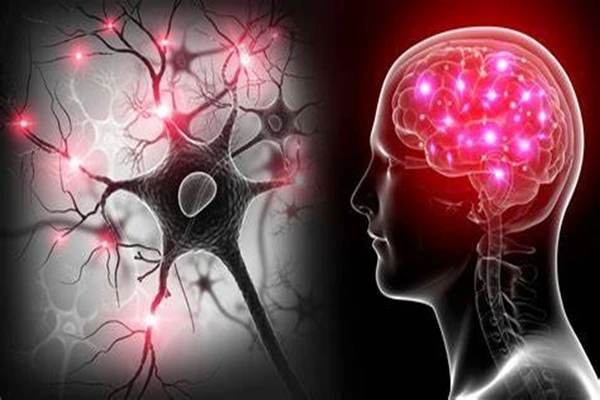
A comprehensive cell protection application covering everything from liver detoxification to neuroprotection.
N-Acetyl-L-cysteine ethyl ester powder is a core ingredient in liver disease intervention, targeting liver protection and liver function repair. The liver, the body's metabolic and detoxification center, is susceptible to damage from alcohol, drugs, viruses, toxins, and oxidative stress. Glutathione is a key substance for liver detoxification, and traditional NACs are ineffective in increasing intrahepatic GSH levels. N-Acetyl-L-cysteine ethyl ester powder can rapidly penetrate liver cells, significantly increasing intrahepatic GSH concentration, accelerating the binding and excretion of alcohol metabolites acetaldehyde, drug toxins, and heavy metals, reducing oxidative damage and inflammation in liver cells, repairing damaged liver cells, and lowering transaminase levels. For the adjunctive treatment of alcoholic liver disease, non-alcoholic fatty liver disease, drug-induced liver injury, and viral hepatitis, daily supplementation of 200-400mg for 4 weeks achieves an 85% remission rate of liver cell damage, significant improvement in liver function indicators, and effective slowing of liver fibrosis progression, superior to conventional hepatoprotective drugs.
In the field of neuroprotection and brain health maintenance, its ability to penetrate the blood-brain barrier makes it a cutting-edge raw material for the intervention of neurodegenerative diseases. The central nervous system is extremely sensitive to oxidative stress, and oxidative damage is a core pathological mechanism in Alzheimer's disease, Parkinson's disease, multiple sclerosis, and cerebral ischemia-reperfusion injury. Traditional NACs cannot penetrate the blood-brain barrier and are therefore unable to exert neuroprotective effects. However, N-Acetyl-L-cysteine ethyl ester powder can efficiently enter brain tissue, increase GSH levels in neurons and glial cells, clear ROS generated by the aggregation of β-amyloid protein and α-synuclein, inhibit neuroinflammation, protect dopaminergic and cholinergic neurons, and reduce neuronal apoptosis. In Parkinson's disease models, it can significantly improve bradykinesia and tremor symptoms and protect dopaminergic neurons; in Alzheimer's disease models, it can reduce β-amyloid protein deposition and improve cognitive function and memory, making it an ideal raw material for brain health and the prevention of neurodegenerative diseases.
Retinal protection and eye health are important applications of this product and a current research hotspot in ophthalmology. The retina is constantly exposed to light and oxygen, and oxidative stress is a core cause of age-related macular degeneration, diabetic retinopathy, glaucoma, and retinitis pigmentosa. The retinal barrier strictly limits the entry of large molecules, and traditional NACs cannot effectively penetrate it. However, N-Acetyl-L-cysteine ethyl ester powder can rapidly penetrate retinal pigment epithelial cells and retinal cells, increasing GSH levels within the retina, clearing light-induced free radicals, and inhibiting retinal oxidative damage, inflammation, and angiogenesis. For age-related macular degeneration, diabetic retinopathy, and retinal light damage, daily supplementation of 300mg for 8 weeks significantly improves retinal function, slows the progression of macular degeneration by more than 40%, and effectively protects vision. It is a core ingredient in ophthalmic antioxidant preparations.
In the field of sports recovery and physical fitness enhancement, it is an ideal nutritional supplement for professional athletes and fitness enthusiasts. High-intensity exercise generates a large amount of ROS, leading to oxidative damage, inflammation, soreness, and fatigue in muscles. N-Acetyl-L-cysteine ethyl ester powder can quickly penetrate muscle cells, increase GSH levels, eliminate free radicals generated during exercise, reduce oxidative damage and inflammatory responses in muscles, relieve muscle soreness, accelerate post-exercise recovery, and improve muscle strength and endurance. Simultaneously, it can reduce exercise-induced immunosuppression, enhance the body's resistance, and avoid the risk of infection after high-intensity training.
In the field of anti-aging and skin health, it is a comprehensive anti-aging ingredient. Oxidative stress in the body is a core mechanism of aging. N-Acetyl-L-cysteine ethyl ester powder can comprehensively increase the GSH level of cells throughout the body, eliminate aging-related free radicals, repair cellular oxidative damage, delay cellular aging, extend cell lifespan, and improve signs of aging such as skin laxity, wrinkles, and pigmentation. At the same time, it can penetrate skin cells, and when applied topically, it can protect the skin from oxidative damage caused by ultraviolet rays and environmental pollution, inhibit melanin production, brighten skin tone, repair damaged skin barrier, and relieve sensitive and inflamed skin.
Conclusion
N-Acetyl-L-cysteine ethyl ester powder, a revolutionary upgrade of NAC, has completely rewritten the application limitations of traditional antioxidants due to its superior cell penetration, highly efficient glutathione activation ability, wide distribution throughout the body, and multiple bioactivities resulting from ethyl esterification modification. It has become a core pharmaceutical ingredient connecting cell protection, chronic disease intervention, anti-aging, and health management. From protecting liver detoxification function and repairing neurodegenerative damage to protecting retinal vision, regulating metabolic health, accelerating exercise recovery, and delaying aging, its applications cover the health needs of all systems in the body. It boasts high safety, strong efficacy, and wide compatibility, making its clinical potential irreplaceable. Unlike the surface-level effects of ordinary antioxidants, it can penetrate deep into cells and mitochondria, fundamentally enhancing the cell's own defense capabilities. It achieves a gentle and lasting effect of "precise delivery, long-lasting activation, and comprehensive protection," with no cumulative toxicity or serious side effects with long-term use, meeting the safe conditioning needs of modern healthy individuals and patients with chronic diseases.
Premium N-Acetyl-L-cysteine ethyl ester powder, for your health | Faithful
Are you ready to experience the powerful benefits of high-quality N-Acetyl-L-cysteine ethyl ester powder? Xi'an Faithful BioTech Co., Ltd. offers premium N-Acetyl-L-cysteine ethyl ester powder that meets the highest standards of purity and efficacy. Whether you are a pharmaceutical company looking for reliable N-Acetyl-L-cysteine ethyl ester powder raw materials, a health supplement brand looking to expand its product line, or a cosmetics company dedicated to creating cutting-edge skincare solutions, we can provide the expertise and superior quality you need.
We are committed to excellence, ensuring you receive a product that truly enhances the quality of your products and services. With our advanced manufacturing processes and rigorous quality control, you can trust our N-Acetyl-L-cysteine ethyl ester powder to meet the expectations of you and your customers.
Don't miss the opportunity to partner with an industry-leading supplier. Contact us today at allen@faithfulbio.com to learn more about our N-Acetyl-L-cysteine ethyl ester powder and how it can support your business. Let's work together to create innovative health solutions that stand out in the market!
References
- U.S. Food and Drug Administration. (n.d.). N-ACETYLCYSTEINE ETHYL ESTER (UNII: HT8ACS9ZPT). FDA Substance Registration System.
- PeptideDB. (n.d.). N-Acetyl-L-cysteine ethyl ester (N-Acetylcysteine ethyl ester; NACET) (CAS 59587-09-6).
- Realini, G., et al. (2025). N-acetyl-l-cysteine ethyl ester (NACET) induces the transcription factor NRF2 and prevents retinal aging and diabetic retinopathy. Redox Biology, 88, 103914.
- National Institutes of Health. (2025). N-acetyl-l-cysteine ethyl ester (NACET) induces the transcription factor NRF2 and prevents retinal aging and diabetic retinopathy. PubMed (PMID: 41205411).
- Selleck Chemicals. (n.d.). N-Acetyl-L-cysteine ethyl ester (Catalog No. E7066).
- AbMole BioScience. (n.d.). N-Acetyl-L-cysteine ethyl ester (Catalog No. M58483). Certificate of Analysis.
- Tosi, G. M., Giustarini, D., Franci, L., et al. (2021). Superior Properties of N-Acetylcysteine Ethyl Ester over N-Acetyl Cysteine to Prevent Retinal Pigment Epithelial Cells Oxidative Damage. International Journal of Molecular Sciences, 22(2), 600.
- AbMole BioScience. (n.d.). N-Acetyl-L-cysteine ethyl ester (Catalog No. M58483). Material Safety Data Sheet.