

How Irofulven disrupts the homeostasis of tumor cell survival
Irofulven is an anti-tumor active ingredient with a very unique mechanism of action. Derived from a modified natural fungal substance, it has undergone artificial purification and structural optimization to become a highly stable, safer, and highly targeted tumor-suppressing ingredient. Compared to commonly known chemotherapy drugs, its treatment logic is completely different, completely avoiding the fatal flaw of traditional drugs that "kill a thousand enemies while losing eight hundred of your own." Most conventional anti-tumor drugs use a very simple and crude standard to judge the health of cells: if cells are dividing rapidly and growing actively, they will be directly killed. This leads to damage to normally rapidly metabolizing cells in the body, such as hair follicle cells, gastrointestinal mucosal cells, and bone marrow hematopoietic cells, ultimately causing a series of unbearable side effects such as hair loss, severe nausea and vomiting, physical weakness, and a sharp drop in immunity. Irofulven, however, possesses a unique "intelligent recognition" ability. After entering the body, it remains stable and inactive inside normal cells, causing no harm to healthy cells. Only after penetrating the internal environment of tumor cells is it specifically activated, initiating its tumor-killing effect. Whether it's a stubborn tumor that has developed drug resistance after multiple treatments and is completely ineffective with ordinary drugs, or a solid tumor that grows in a hidden location, has a dense structure, and is difficult for drugs to penetrate, this ingredient can play a very good inhibitory role.
Unique molecular structure enables precise differentiation between tumor cells and normal cells
The core reason Irofulven can precisely kill tumors without harming normal cells lies in its unique molecular structure, which is also the most fundamental difference between it and all traditional chemotherapy drugs. We can imagine the molecule of this raw material as a specially designed tool with a built-in "trigger switch." In a normal environment and inside healthy cells, this switch is in a closed state; the tool is quiet, stable, and non-aggressive. However, once it enters the internal environment of tumor cells, this switch automatically turns on, instantly activating the tool and beginning to specifically destroy the tumor cells' very survival mechanisms. The internal environment of normal human cells is stable, clean, and in a balanced redox state. All metabolic reactions proceed in an orderly manner, and the content of various substances inside the cell is maintained at an appropriate level without significant fluctuations. When Irofulven enters healthy cells, the stable cellular environment cannot trigger its activation switch; the molecular structure remains intact and stable, without producing any damaging reactions or interfering with the normal growth, division, and metabolic processes of the cell. Healthy cells contain various protective substances that maintain internal environmental stability. Even a brief stay of a small amount of Irofulven will not alter the cell's original rhythm of function. This means that normal tissues, organs, and cells in the body will not be affected by this drug, fundamentally eliminating the various side effects of conventional chemotherapy, such as hair loss, physical harm, and decreased immunity. Many chemotherapy drugs exert their toxicity immediately upon entering the body, causing damage wherever the drug goes, unable to distinguish between healthy and bad cells. Patients suffer immense pain and hardship during treatment. Irofulven avoids this shortcoming from its design.
However, the internal environment of tumor cells is completely different from that of normal cells. To achieve unlimited proliferation and rampant growth, tumors need to continuously acquire large amounts of energy, consuming far more nutrients than normal cells. This long-term overload leads to extremely disordered internal metabolic rhythms, resulting in a persistent state of high reduction and high stress—like a chaotic, noisy, and harsh "abnormal space." The accumulation of large amounts of reducing substances inside tumor cells fundamentally alters the chemical atmosphere within the entire cell. This unique internal environment is the key condition for activating Irofulven. When Irofulven enters the interior of these special tumor cells, the harsh cellular environment directly triggers its molecular switch. The originally stable molecular structure undergoes a gentle deformation, transforming into a targeted and destructive active substance. It switches from a dormant state to an active state, continuously disrupting the tumor cell's survival chain. The entire activation process is entirely controlled by the tumor's own abnormal environment. Healthy cells, lacking the conditions for activation, naturally form a protective layer, ensuring the drug works only in the lesion area and does not affect surrounding healthy tissue.
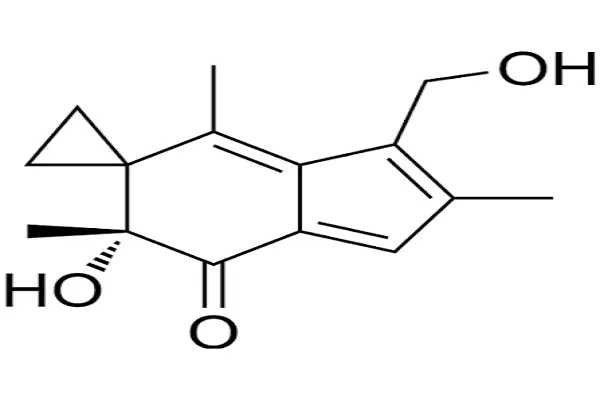
More importantly, this ingredient has the perfect molecular size and lipid solubility. It can easily penetrate layers of tissue, reaching deep into the dense structure of solid tumors that ordinary drugs cannot reach, without indiscriminately spreading and damaging surrounding normal tissue. Many chemotherapy drugs are either too water-soluble, only flowing in the bloodstream and unable to penetrate the thick fibrous shell of the tumor, remaining only on the tumor surface and unable to reach the deep-seated tumor cells. After treatment, the remaining tumor cells quickly proliferate again, causing tumor recurrence. Or they are too aggressive, acting indiscriminately in the body, damaging a large number of normal cells along the way, resulting in uncontrollable side effects. Irofulven's unique activation mechanism perfectly solves these two major problems. Leveraging its suitable lipid solubility, it penetrates multiple biological barriers, slowly seeping deep into tumor tissue. Only after reaching the tumor cells does its killing power unleash, continuously exerting an inhibitory effect deep within the tumor lesion, maximizing the elimination of tumor cells hidden deep within, and reducing the possibility of subsequent recurrence.
Simultaneously, in the long-term battle against drugs, tumor cells have evolved a sophisticated self-protection system. Tumors autonomously produce large amounts of detoxifying substances to neutralize the toxicity of external drugs and can synthesize special transport proteins to continuously expel drugs that have entered the cells. Most conventional drugs are neutralized and expelled by this tumor defense system, eventually becoming completely ineffective and developing drug resistance. Many patients with advanced cancer, after continuous use of multiple chemotherapy drugs, find that their tumors gradually adapt to the drug attack, the drug effects weaken, and effective intervention options become almost impossible to find. However, Irofulven's activation mode is completely unaffected by this tumor defense system. Even if tumor cells activate their strongest self-detoxification and drug-expelling mechanisms, they still cannot prevent this ingredient from activating and taking effect. Detoxifying substances have difficulty neutralizing unactivated Irofulven molecules, and transport proteins cannot recognize and expel them from cells. The drug can remain safely inside tumor cells, awaiting activation and continuing to exert its effects. This is the core reason why it remains effective against drug-resistant tumors.
With this unique structural advantage, Irofulven achieves precise targeting from the source, acting only on tumor cells, completely overturning the drawbacks of traditional chemotherapy's indiscriminate killing. Most anti-tumor raw materials on the market can only enhance their effects by increasing dosage; the higher the dosage, the stronger the toxicity and the worse the patient's tolerance, leading to a dilemma where "efficacy and side effects are difficult to balance." Irofulven relies on environmentally triggered activation, not requiring high doses to achieve killing. At lower concentrations, it can stably inhibit tumors while preserving normal cells to the greatest extent possible. This unique characteristic gives it irreplaceable value among many anti-tumor raw materials and provides new ideas for the development of novel anti-tumor agents. More and more researchers are exploring this raw material, continuously investigating its application potential in the field of tumor intervention.
Locking down tumor genetic material to completely block its unlimited proliferation
The core characteristic of tumors is their uncontrolled, unlimited growth and division. The fundamental support for this continuous proliferation is the genetic material within the cell. This genetic material records all the instructions for cell growth and division. As long as the genetic material can replicate successfully, the tumor can continuously produce new tumor cells, causing the lesion to grow larger and even metastasize to other parts of the body. Conventional chemotherapy drugs mostly brutally sever genetic material and directly destroy cells. This method is highly destructive, has strong side effects, and easily leads to tumor repair and drug resistance. Tumor cells can quickly recognize damage to genetic material and mobilize repair substances to repair the damage. After several drug attacks, the repair ability continuously strengthens, the drug's killing effect continuously decreases, and eventually drug resistance develops. Irofulven's method of elimination is gentler, more precise, and more thorough. It does not violently destroy genetic material or directly break the genetic chain. Instead, it uses a "placement blockade" method to firmly block the transmission channel of genetic information, completely locking down the tumor's proliferation path and preventing further growth and expansion.
Once activated, Irofulven molecules precisely attach to the genetic material of tumor cells, acting like a wedge firmly wedged into a gear, locking onto the replication and transcription pathways of the tumor's genetic material. We can imagine genetic material as a long production line; for a tumor to grow, divide, and proliferate, it must replicate its genetic information along this line, constantly generating new growth instructions and creating new cells. Irofulven attaches to a critical point in this production line, directly blocking all pathways. The production line is forced to stop, and the tumor cell's replication machine is completely stalled, unable to complete the replication and renewal of genetic material, and unable to generate new growth signals. As long as the blockade persists, tumor cells do not receive all the information needed to continue dividing and growing. The proliferation process is forced to stop, and the previously rapidly expanding tumor lesions lose their foundation for continued growth, gradually ceasing to develop.
Without complete replication of genetic material, tumor cells cannot complete division and proliferation, and the previously rapidly growing tumor directly stagnates. Unlike ordinary drugs, Irofulven's blocking effect is extremely stable; once attached, it is very difficult to detach, and the tumor cell's own repair system is simply unable to clear or remove these blocking molecules. Many tumor cells develop drug resistance because of their strong self-repair capabilities, rapidly repairing genetic damage caused by drugs, allowing the tumor to continue proliferating after repair. However, Irofulven causes not simple breakage, but physical blockage, akin to placing a huge obstacle in the middle of an assembly line. The repair system can only patch the gaps, not remove the obstacle. Even if the tumor mobilizes a large number of repair proteins to gather at the damaged site, expending significant energy to attempt repair, it ultimately fails to break the blockade. The continuous accumulation of these repair proteins constantly depletes the energy and nutrients stored within the tumor cells, increasing their metabolic burden and putting increasing pressure on their survival, further weakening their activity.
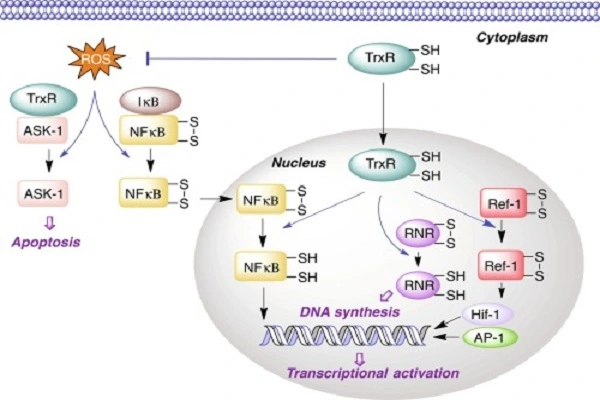
In addition, the effectiveness of most chemotherapy drugs relies on the body's own tumor suppressor genes. Under normal circumstances, these genes can promptly identify abnormal cells, triggering growth-inhibiting signals to work with drugs to suppress tumor development. However, in many advanced tumors, these tumor suppressor genes mutate and become ineffective during continuous mutation, losing their ability to monitor abnormal cell proliferation. This results in conventional drugs losing their effectiveness, significantly declining efficacy, or even becoming completely ineffective. Many patients with mid-to-late-stage tumors in clinical practice have this type of gene defect, making the available effective drugs very limited. However, Irofulven blocks tumor proliferation entirely without relying on these genes. Even if tumor suppressor genes in tumor cells are completely ineffective or severely mutated, it can still firmly lock down the tumor's proliferation pathway and continuously inhibit tumor growth. This mode of action, independent of cellular gene state, makes it suitable for most advanced, mutated, and drug-resistant tumor types, far exceeding the applicability of ordinary anti-tumor drugs and filling a gap in existing anti-tumor raw materials.
Long-term pathway blockade completely eliminates the tumor cells' ability to grow. The metabolic and repair pressures within the cells accumulate continuously, causing previously active tumor cells to gradually enter a dormant or stagnant state, unable to continue invading surrounding tissues or spreading and metastasizing, thus fundamentally curbing tumor progression and deterioration. After stagnation, the tumor no longer continuously invades surrounding normal tissues and is less likely to enter blood vessels and lymphatic vessels to metastasize to distant organs, reducing the risk of multiple metastatic lesions. Many chemotherapy drugs can only temporarily delay tumor growth; after discontinuation, the remaining tumor quickly resumes proliferation. Irofulven's stable blockade, however, can limit tumor activity for a long time, continuously suppressing tumor development. Under sustained pressure, stagnant tumor cells struggle to maintain normal metabolic balance, leading to the continuous accumulation of various harmful substances within the cells. This creates conditions for triggering the autonomous death of tumor cells. Simply relying on external forces to kill tumors is insufficient to completely eliminate them. The process involves first blocking proliferation and continuously suppressing activity, then inducing tumor cell death. These two steps work together to form a complete anti-tumor chain, which is a major highlight that distinguishes Irofulven from traditional chemotherapy ingredients.
Triggering Tumor Cell Apoptosis for Gentle and Thorough Tumor Elimination
Irofulven-induced genetic material blockade is continuously transmitted to the mitochondria of tumor cells, directly disrupting their energy production rhythm, damaging their structural stability, and gradually paralyzing their energy production. With long-term blockage of the genetic pathway, large amounts of useless metabolic waste accumulate within the cell. These substances continuously stimulate the mitochondria, altering the permeability of the outer protective membrane, making it less intact and robust, and leading to leakage of the internal environment. The efficiency of mitochondrial energy production continues to decline, producing less and less energy to support the high-intensity metabolic activities of tumor cells. As the damage gradually worsens and the energy supply continues to decrease, tumor cells lose the energy to sustain survival, gradually reducing their viability. Simultaneously, oxidative waste accumulates within the cell after mitochondrial damage. If this waste is not cleared in time, it will further exacerbate internal cellular disorder and damage, leading to a vicious cycle and accelerating tumor cell death.
Once the mitochondrial protective barrier is completely destroyed, it releases signaling substances that can initiate cell death, automatically activating the programmed apoptosis mechanism of tumor cells. Apoptosis is a normal cell death process, like leaves naturally falling in autumn. The entire process is orderly: cells slowly shrink, break down, and fragment into small pieces, ultimately being cleared and absorbed by the body's immune cells. This death is a autonomous and orderly process, completely different from necrosis caused by violent cell explosions. Conventional chemotherapy drugs easily cause tumor cells to explode and die, releasing large amounts of irritating substances from within the cells, leading to severe local inflammation, redness, swelling, and the accumulation of large amounts of inflammatory factors. This persistent inflammation may actually stimulate the growth and metastasis of residual tumor cells, increasing the risk of recurrence. In contrast, Irofulven-induced orderly apoptosis only causes tumor cells to slowly shrink, break down, and disappear without causing severe inflammation or stimulating tumor recurrence and metastasis. This significantly improves the safety and efficacy of treatment, minimizing damage to local tissues.
Simultaneously, many refractory tumors secrete large amounts of anti-apoptotic proteins, establishing a self-protective barrier to resist the killing effects of various drugs and actively inhibiting the transmission of death signals, thereby preventing their own death. This is one of the core reasons for tumor drug resistance. Traditional drugs need to overcome the protective barrier to kill tumor cells. Once this barrier is strengthened, the ability of drugs to induce apoptosis is significantly reduced, rendering them ineffective against these refractory tumors. However, the apoptosis pathway initiated by Irofulven is largely unaffected by these anti-apoptotic proteins. Its death signal originates at the mitochondrial level, bypassing the tumor's anti-apoptotic defenses. Even if the tumor cell's anti-death mechanisms are fully activated, apoptosis can still be successfully triggered, resulting in the elimination of tumor cells. Through the combined action of these multiple mechanisms, Irofulven can stably eliminate various refractory, drug-resistant, and highly invasive tumor cells, overcoming the drug resistance problem that many existing drugs struggle to overcome.
After the apoptotic signal is generated, cell elimination is not immediate; there is a gradual development cycle. Damage signals accumulate gradually from weak to strong, without immediately causing drastic effects on tissues. This slow-acting characteristic is suitable for long-term, continuous tumor intervention, gradually reducing lesion volume and avoiding the physical burden caused by the death of a large number of tumor cells in a short period. Under continuous apoptosis induction, active cells in the tumor lesion continuously die, the lesion volume gradually shrinks, and the tumor's invasiveness continuously decreases. Multiple pathways work synergistically: gene blocking inhibits proliferation, and mitochondrial damage induces apoptosis. These two pathways work synergistically and are difficult to block by a single gene mutation. Even if a tumor evades the inhibition of one pathway through mutation, another pathway can still continue to function, significantly raising the threshold of tumor drug resistance and making it difficult for the tumor to adapt to drug stress. Long-term use can maintain a stable inhibitory effect.
Suitable for a wide range of solid tumors, achieving synergistic effects in combination therapy
In actual formulation development and application exploration, Irofulven has a very wide range of applications, especially suitable for various epithelial-derived solid tumors, and is also one of the most promising raw materials for combating drug-resistant solid tumors. Clinically prevalent refractory solid tumors such as lung cancer, colorectal cancer, ovarian cancer, head and neck cancer, prostate cancer, and gliomas are highly sensitive to Irofulven and can be effectively inhibited. These types of solid tumors account for the vast majority of all cancer cases and are also the most difficult to treat in cancer therapy. Many solid tumors have hidden early symptoms, and by the time of diagnosis, they have already progressed to the middle or late stages, with large lesions, and may be accompanied by local invasion or even distant metastasis, significantly increasing the difficulty of treatment. These tumor cells are in a harsh microenvironment of hypoxia and nutrient deficiency for a long time, with high levels of internal reducing substances, which precisely meets the conditions required for Irofulven activation. After the drug enters the lesion, it can be successfully activated, fully releasing its anti-tumor activity and exerting an ideal inhibitory effect.
These types of solid tumors are mostly densely structured, with a thick layer of fibrous connective tissue encasing the lesion, forming a strong barrier. Ordinary drugs have difficulty penetrating to reach the deep layers of the lesion, acting only on the tumor surface and failing to completely eliminate deep-seated tumor cells. After the surface tumor cells are killed by drugs, the remaining deep-seated tumor cells continue to proliferate, causing the tumor to grow again after a period of time. This is a key reason why solid tumors are prone to recurrence and difficult to cure. Irofulven's excellent tissue penetration ability can easily break through the dense tissue structure of the tumor, penetrating through the fibrous shell to reach the deep areas of the tumor, eliminating deep-seated tumor cells and significantly reducing the probability of tumor recurrence. Many drugs only remain on the periphery of the tumor, achieving only short-term lesion shrinkage and failing to achieve deep elimination. Irofulven's penetration advantage precisely compensates for this shortcoming, achieving comprehensive suppression of tumor growth from the outside in.
More importantly, Irofulven can be used in combination with mainstream anti-tumor drugs on the market, forming a powerful synergistic effect, achieving a 1+1>2 effect, perfectly solving the problems of limited efficacy and easy drug resistance in single-drug treatments. For example, platinum-based chemotherapy drugs, commonly used in clinical practice, primarily work by directly destroying the tumor's genetic material. This is completely different from the site-blocking mechanism of Irofulven. Their pathways of action do not overlap, and there is no competition between them. When used in combination, they attack tumor cells from two completely different angles: platinum-based drugs directly damage the genetic chain, while Irofulven blocks the transmission of genetic information. This dual pressure is applied to the tumor cells simultaneously, causing their repair system to operate beyond its capacity, consuming all repair resources and rendering them unable to repair the damage, thus significantly doubling the killing effect. Combining these two drugs allows for appropriate reductions in individual dosages, further reducing the burden on the body and improving tolerance while maintaining efficacy.
In addition, combining them with nucleoside analogs that inhibit tumor replication can also create a perfect synergy. One type blocks the process of tumor gene replication, while the other blocks the transmission of growth instructions from genes, effectively locking down the tumor's growth pathways and completely eliminating the possibility of tumor proliferation and survival. In research on pancreatic tumors, it has been found that the high degree of fibrosis surrounding pancreatic tumors makes drug penetration extremely difficult, and single-drug therapy is rarely effective. Combination therapy with two drugs, compared to using either drug alone, can more significantly inhibit lesion growth and reduce the generation of new tumor cells. For advanced tumors that have undergone multiple lines of treatment and developed comprehensive resistance to most drugs, single-drug therapy is essentially ineffective, and available intervention options are very limited. Irofulven's unique mechanism can break the drug resistance deadlock, and combination therapy can provide a completely new solution for the intervention of advanced tumors, bringing new directions to the treatment of drug-resistant tumors.
Furthermore, Irofulven's administration method is very flexible, with low-dose, intermittent dosing, which has a more significant advantage than continuous high-dose treatment. Continuous high-concentration administration can easily place a cumulative burden on the body, while intermittent dosing can accumulate anti-tumor effects in stages, gradually clearing tumor lesions while minimizing bodily damage. This is very suitable for long-term conservative intervention of advanced tumors and adjuvant intervention to prevent recurrence after tumor surgery. After surgical removal of the lesion, a small number of microscopic tumor cells, invisible to the naked eye, may remain in the body. These residual cells are the source of tumor recurrence. Postoperative intermittent drug administration can continuously inhibit latent tumor cells and reduce the risk of recurrence. With the continuous improvement of delivery technology, targeted delivery of Irofulven to the tumor lesion area can further increase the local drug concentration at the lesion site, reduce the distribution of the drug in normal tissues, amplify the targeting advantage, and has a very broad prospect for future development.
Conclusion
In summary, Irofulven is a high-quality anti-tumor raw material with a novel mechanism, high safety, and highly targeted efficacy. Leveraging its tumor microenvironment-specific activation characteristics, it perfectly addresses the industry pain points of traditional chemotherapy drugs, such as "inadvertently damaging normal cells, significant side effects, and easy drug resistance." Through multiple advantages, including precisely blocking tumor genetic material to inhibit proliferation, disrupting the tumor's energy core to induce apoptosis, overcoming tumor drug resistance mechanisms, and deeply penetrating solid tumors, it exhibits excellent inhibitory effects on various refractory, drug-resistant, and highly prevalent solid tumors, with significant synergistic effects when used in combination with other drugs. With precise control over its applicable scenarios, dosing regimens, and usage boundaries, Irofulven has broad application prospects in areas such as basic tumor research, development of novel anti-tumor agents, and intervention in advanced drug-resistant tumors.
Xi'an Faithful BioTech Co., Ltd. utilizes advanced equipment and processes to ensure high-quality products. Our Irofulven meets international pharmaceutical standards. Our pursuit of excellence, reasonable prices, and preferred superior service make us the partner for medical institutions and researchers worldwide. If you require Irofulven research or production,Please contact us Click email: allen@faithfulbio.com Or WhatsApp: +86 13137770562.
References
- Woynarowska, B. A., Herzig, M. C. S., & Woynarowski, J. M. (2004). Caspase‑mediated apoptosis and caspase‑independent cell death induced by irofulven in prostate cancer cells. *Molecular Cancer Therapeutics*, 3(11), 1375‑1384.
- McDonald, J. R., & Woynarowski, J. M. (2002). Mechanism of DNA adduct formation by irofulven, a cytotoxic acylfulvene antitumor agent. *Chemical Research in Toxicology*, 15(10), 1224‑1232.
- Bouvier, C., & Galmarini, C. M. (2018). Natural products as adjunctive treatment for pancreatic cancer: Recent trends and advancements. *Molecules*, 23(12), 3208.
- Kelner, M. J., McMorris, T. C., & Raitanen, M. I. (1996). Role of cellular thiols and reduction in the activation of irofulven (MGI‑114). *Cancer Research*, 56(19), 4436‑4441.
- Doroshow, J. H., & Synold, T. W. (2004). Clinical development of irofulven, a novel DNA‑damaging agent. *Current Opinion in Investigational Drugs*, 5(6), 625‑633.