

How Is Terlipressin Acetate powder Used in Clinical Care?
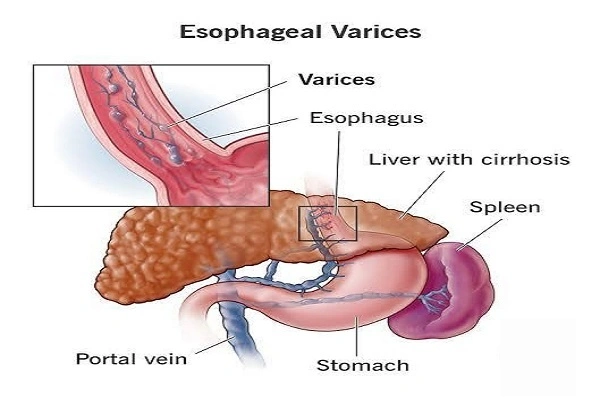
Terlipressin acetate powder plays a decisive role in critical pharmaceutical manufacturing and clinical formulation workflows. As a synthetic vasopressin analogue with high V1a receptor selectivity, it serves as the primary active pharmaceutical ingredient in injectable formulations targeting hepatorenal syndrome type 1, acute variceal bleeding, and catecholamine-resistant septic shock. Its prodrug mechanism—enzymatic cleavage releasing lysine-vasopressin—delivers a sustained vasoconstrictive response with a more favorable side-effect profile compared to native vasopressin, making it indispensable in ICU-grade sterile injectable production.
Understanding Terlipressin Acetate: Uses and Mechanism of Action
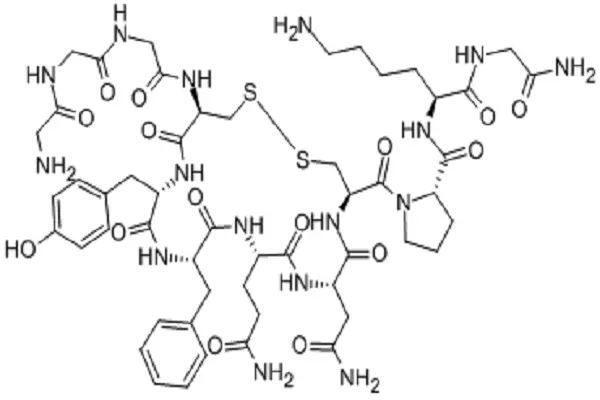
Terlipressin acetate is the name of this chemical. Its molecular formula is C₉₂H₇₄N₁₆O₁₅S₂. Over 1227.4 g/mol is how heavy it is. Vasopressin works on many different types of receptors, but this molecule only binds to V1a receptors in vascular smooth muscle. Because of this selectivity, localized vasoconstriction can happen without the major kidney problems that come with previous vasopressors that are caused by V2.
Primary Clinical Formulation Applications
Three high-stakes business events show how useful it is for B2B:
- Sterile Lyophilized Injectable Vials: In order to make ICU-grade vials for treating severe variceal bleeding and HRS-1, the powder is mixed, screened to get rid of germs, and freeze-dried. Being lyophilized keeps the bioactivity and makes the shelf life longer, which is very helpful for hospitals that need to buy things quickly.
- HRS-1 Combination Therapy Formulations: Formulations made from the powder are mixed with albumin to help people with cirrhosis get better blood flow to their kidneys by switching off splanchnic vasodilation. Because of this, it is an important part of hepatology care plans.
- Septic Shock Rescue Formulations: Over time, more and more clinical studies show that it can be used as a rescue vasopressor in people with septic shock who aren't responding to catecholamines. Mean arterial pressure stays steady when norepinephrine alone isn't enough to do so. Its specific V1a agonism does that.
You can see why drug firms need API material that is HPLC pure ≥99.0% and has single impurities tightly controlled below 0.15% this way. Anything less than that could hurt the defense system or make the end injection result less useful.
Safety and Contraindications
In the medical journals, vasopressin analog treatment, including Terlipressin acetate powder, has been linked to a number of adverse effects. Ischemic problems, low sodium levels, and a slow heart rate are a few of these. Companies that make injectable drugs need to keep these risks in mind when they make dosing profiles and labels for them.
Folks who are pregnant, have major artery disease, or have had coronary artery disease in the past should not get this treatment. They need to make sure that the seller gives full pharmacokinetic and chemical data packages when they buy the API. These should include COA and HPLC/GC results to support regulatory applications.
In medical settings, measuring electrolytes and heart rate is the main way that overdoses are tracked. This shows people who make medicines how important it is to use pharmaceutical-grade raw materials that have been checked for liquid amounts and purity.
Comparing Terlipressin Acetate with Alternative Treatments
Both people who make prescription drugs and people who buy them need to know how this chemical compares to other choices so they can choose the best place to get them.
Vasopressin is a different drug that was made a long time ago. It needs to be dosed more often and has less predictable side effects because its half-life is shorter and its range of receptor activities is bigger. There is a drug called norepinephrine that is used to treat bacterial shock. It does not work on vasopressin receptors but on adrenergic receptors. This means it changes the way blood moves, which might not be enough for people who are in vasodilatory shock. Often, octreotide is used to stop variceal bleeding during endoscopic work. It targets somatostatin receptors and has a unique way of working that requires different standards for production.
It's good for the market that terlipressin brands like Glypressin have clinical data to back them up. Also, generic and biosimilar options are growing all over the world. As a result of this growth, companies need to find reliable API providers that can offer consistent quality at low bulk prices, all while following GMP guidelines and providing the right paperwork for tracking.
Procurement Insights: Sourcing Terlipressin Acetate Powder for Clinical Use
A fair price isn't enough to make sure you can trust the API you buy. Those who sell pharmaceutical-grade peptide powder, including terlipressin acetate powder and terlipressin acetate salt, and can offer the following should be given more weight by procurement managers:
- GMP-aligned production: Making things that meet ICH Q7 guidelines, follow GMP rules, and have quality control methods that are written down.
- Full analytical data packages: Full sets of diagnostic data, like HPLC purity reports, GC residual solvent data, and COAs that are specific to each batch.
- Regulatory dossier support: Help with regulatory dossiers that are the same as what you send to the FDA, EMA, or local officials.
- Cold-chain logistics capability: Cold-chain operations, like shipping at 2 to 8°C or frozen, keep peptides from breaking down while they're being moved.
- Stable long-term supply: Long-term stable supply backed by a track record of making large batches.
When these things are met, the end injectable result is much safer. If one batch of API isn't good enough, it can mess up a whole production run, costing a lot of money to fix and getting in trouble with the government. Bulk purchasing arrangements with a reliable company also mean the price per unit drops a lot when you buy a lot of it. This helps the bottom lines of businesses that deal with large lyophilized injection programs.
Best Practices for Storage, Handling, and Clinical Use
Terlipressin acetate powder soaks up water and doesn't do well in hot or damp conditions. So that the product stays pure, there must be strict rules about the environment at every step of the supply chain. The chemical stability of the peptide is maintained by the things listed below:
- Temperature: Keep in containers that keep air out between 2°C and 8°C. Things that you want to keep for a long time should be frozen.
- Light and humidity: Animals should not be in full sunlight, and the air should be dry so that they do not break down into their basic amino acids.
- Shelf life: The powder will keep its chemical properties for up to 24 months if it is kept in an approved cold chain. It is not very stable at room temperature; all export packages are sent in temperature-controlled packaging.
The acetate salt form is better for making medicines than the free base form because it dissolves faster and keeps the pH stable while syringe solutions are being made. These are both important for making sure patients are safe and that batches can be made again and again. Reconstitution should follow validated SOPs in a clean environment. You have to use solutions right away after they are melted so they don't break down or get into other things.

Conclusion
Terlipressin Acetate salt is used in injectable preparations for HRS-1, variceal bleeding control, and advanced septic shock treatments, all of which save lives. It's the best thing to use to make clean injectables for the ICU because it only binds to V1a receptors, works as a prodrug, and has a longer half-life than native vasopressin. It is very important for buying experts and CDMOs to find pharmaceutical-grade materials that are GMP-compliant and have full analytical tracking. It will help your manufacturing program pass legal tests and work well in the clinic if you understand both the science and the supply chain behind this chemical.
FAQ
1. What is terlipressin acetate powder primarily used for in pharmaceutical manufacturing?
This is the main thing that goes into making clean, freeze-dried injectable bottles for HRS-1 therapy, formulas for treating sudden variceal bleeding, and septic shock treatments that don't work with catecholamines in intensive care units.
2. How does it differ from vasopressin as a raw material?
The chemical in question is not vasopressin. Instead, it is a prodrug that binds only to V1a receptors and has a much longer half-life. So, the ingredients for long-lasting injectables will be more stable and have a lower chance of making people sick.
3. What purity grade is required for pharmaceutical applications?
Pharmaceutical businesses need HPLC that is at least 99.0% of the time and has single impurities that are less than 0.15%. When the purity grade is lower, finished injectables are more likely to cause immune system reactions and work less well.
4. What certifications should a qualified supplier hold?
Most importantly, it needs to be approved by GMP in line with ICH Q7. There should also be full tracking records, group COAs, HPLC/GC data, and paperwork that complies with FDA and EMA requirements from suppliers.
Partner with Faithful for Certified Terlipressin Acetate Supply
Xi'an Faithful BioTech Co., Ltd. sells terlipressin acetate powder that is safe for use in medicine. Good manufacturing practices are used to make it, and it comes with all the scientific data you need, like a certificate of analysis, HPLC/GC data, and batch tracking. Faithful is a dependable source of terlipressin acetate for pharmaceutical businesses and CDMOs in North America, Europe, and Asia. They have a history of running cold chains smoothly and can handle big orders. Send our scientific team an email at allen@faithfulbio.com Or WhatsApp: +86 13137770562 right away to get a product specification sheet or bulk price.
References
1. Cavallin, M., et al.—"Terlipressin plus albumin versus midodrine and octreotide plus albumin in the treatment of hepatorenal syndrome. "Hepatology, 2016.
2. Neri, S., et al.—"Terlipressin and albumin in patients with cirrhosis and type I hepatorenal syndrome. "Journal of Gastroenterology and Hepatology, 2008.
3. Gluud, L.L., et al.—"Terlipressin for hepatorenal syndrome. "Cochrane Database of Systematic Reviews, 2012.
4. Morelli, A., et al. — "Effects of terlipressin versus norepinephrine on systemic and regional hemodynamics in catecholamine-treated hyperdynamic septic shock. " Intensive Care Medicine," 2008.
5. Saner, F.H., et al.—"Vasopressin analogues in the treatment of vasodilatory shock and their pharmacological relevance. "European Journal of Anaesthesiology, 2007.
6. Wong, F., et al.—"Terlipressin plus albumin for the prevention of type 1 hepatorenal syndrome in patients with cirrhosis and acute kidney injury. "Journal of Hepatology, 2021.