

How long before sleep should you take DSIP?
While researching the best time to take Peptides DSIP, clinical notes and studies show that taking this neuropeptide 30 to 90 minutes before bedtime gives the most consistent results. Unlike most sleep aids, which make you feel sleepy, DSIP helps your brain naturally shift into slow-wave sleep. This window of time lets the peptide reach the right level of concentration in the plasma and start changing the neural pathways that start sleep. The exact timing relies on the person's metabolism, amount of stress, and whether the peptide is given under the skin or in some other way. Business-to-business clients who are making sleep-related products or looking for raw materials for medical uses need to understand this timeline procedure.
Understanding DSIP and Its Role in Sleep Regulation
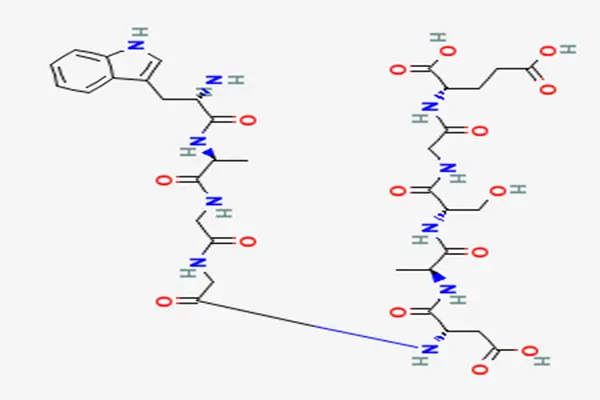
Delta-sleep-inducing peptide is a special type of neuromodulatory substance that has caught the attention of both drug experts and supplement makers. This nonapeptide (Trp-Ala-Gly-Gly-Asp-Ala-Ser-Gly-Glu) was first found in rabbit brain venous blood in 1977. It works differently from most hypnotics or sedatives.
Biochemical Origin and Synthesis
The peptide is made up of nine amino acids that are grouped in a certain way that gives it amazing biological action. Solid-phase peptide synthesis (SPPS) techniques are used in modern synthesis methods. These allow for controlled output with high purity levels that are higher than 98% when tested by HPLC. This level of accuracy is very important for sourcing workers who need regular batch quality for making pharmaceutical intermediates or developing new nutraceutical formulations.
Mechanism of Sleep Cycle Modulation
DSIP doesn't make you sleepy as benzodiazepines do by blocking GABA receptors; instead, it helps the brain's natural sleep design. The peptide changes the balance of hormones and especially helps the release of the luteinizing hormone (LH) and growth hormone (GH) while you sleep. This process fixes problems with circadian rhythms that are caused by long-term stress, shift work, or jet lag without making people dependent or affecting their ability to think clearly in the morning. The peptide can also stabilize the corticotropin system, which makes it useful in addiction treatment programs where withdrawal signs make it hard to sleep normally.
Benefits and Safety Considerations
Clinical findings show that DSIP provides restorative sleep without the problems that come with regular sleep aids. Users say they can sleep longer during slow waves, their cortisol levels drop during times of high stress, and their bodies' reactions to external factors return to normal. When used according to established standards, safety profiles show few negative effects. However, procurement clients must make sure that the final formulations they provide include dose guides and notes about when the product should not be used.
Optimal Timing for DSIP Administration Before Sleep
Administering this neuropeptide at the right time increases its therapeutic potential while reducing the risk of giving the wrong dose.
Half-Life and Pharmacokinetic Considerations
The biological half-life of the peptide in blood is pretty short, which directly affects the best time tactics. Depending on how the drug was delivered, plasma concentrations usually reach their highest point 20 to 45 minutes after treatment. Most of the time, subcutaneous injection leads to faster absorption than other ways. However, all of them need to be planned ahead of time before the desired sleep start time. Because of this pharmacokinetic profile, the 30 to 90-minute window before bedtime always has better results.
Comparison with Melatonin and Other Sleep Aids
Melatonin controls your body's internal clock and usually needs to be given 60 to 120 minutes before bed. Its main job is to start sleep, not to change the way you sleep. Because of its special makeup, Peptides DSIP can both help you fall asleep and improve the quality of your slow-wave sleep. The peptide doesn't mess up normal sleep cycles like sedative-hypnotics do, but it does encourage deeper delta-wave activity. This difference is very important for B2B clients who are trying to place their goods in the competitive wellness market.
User-Specific Timing Protocols
Different groups of end users need different approaches:
Athletes who have just finished a hard workout may benefit from taking it a little earlier (60 to 90 minutes) to match their body's higher stress hormone levels and increased metabolic activity. Because it can change cortisol levels, the peptide is especially useful for this group of people.
People who have chronic sleeplessness often do well when the peptide is given 45 to 60 minutes before they want to go to sleep. This gives the peptide enough time to affect neural pathways without making them sleepy too soon.
Professionals who work in high-stress settings or whose circadian rhythms are thrown off may find that 30 to 45 minutes is the best time for them, especially if they also follow good sleep hygiene habits every night.
These differences show how important it is for procurement managers who are making different product lines to use flexible manufacturing methods.
Comparative Insights: DSIP vs Other Sleep Peptides and Supplements
The market for peptides used for sleep and healing keeps growing, which is good and bad for procurement workers who want to make their product lines stand out.
Efficacy Analysis Across Compounds
One thing that makes DSIP stand out is that it works on both starting sleep and improving architecture. Melatonin mostly works on circadian signals, CJC 1295 on growth hormone activation that indirectly helps sleep; and Sermorelin also works on GH pathways. The nonapeptide directly affects delta-wave sleep patterns without affecting REM cycles. This makes it useful for medicinal purposes when better sleep quality is needed instead of just relaxation.
Synergistic Applications and Limitations
Some formulation methods look at mixing DSIP with chemicals that work well with it to target more than one sleep-related pathway at the same time. When mixed with magnesium glycinate, it can improve the performance of GABA receptors, and the peptide itself can change how stress response systems work. When mixed with L-theanine, it has extra anxiety-relieving effects that don't affect the peptide's sleep architecture effects. However, procurement clients must be careful when mixing other peptides or pharmaceutical agents, making sure that compatibility testing is done and that all regulations are followed during product development.
Market Validation and Client Feedback
Industry comments from supplement makers show that customers are very happy with their products when they contain DSIP formulas that are properly dosed and timed. Researchers in the pharmaceutical field who have worked with the peptide in clinical settings say that polysomnography measurements of sleep quality consistently show changes. These real-world proofs back the peptide's growing market impact and show that it's worth spending money on good sourcing relationships.
Practical Guide for Procurement and Usage of DSIP Peptide
To get steady quantities of high-quality peptide raw materials, you need to pay attention to a number of purchasing factors that have a direct effect on the success of the product and compliance with regulations for Peptides DSIP.
Supplier Identification and Quality Assurance
Several important traits are shown by providers you can trust. They give full Certificates of Analysis (COAs) that include validation of HPLC purity with a single peak integration above 98%, confirmation of molecular weight (848.81 Da within ±1 Da tolerance), and disclosure of net peptide content in lyophilized powder after taking into account water and counterions. The endotoxin test results (LAL test showing <5 EU/mg) are important for any in vivo uses to stop pyrogenic responses.
Also, suppliers should keep production sites that are in line with GMP and have methods for recorded traceability. Quality control labs with testing tools like HPLC, GC, spectrophotometers, and mass spectrometry make sure that each batch is the same, which is very important for making pharmaceutical intermediates and nutritional formulations.
Storage and Handling Best Practices
Lyophilized peptide powder stays stable at -20°C for up to two years if it is properly packed and kept away from water. Once the peptide is mixed with bacteriostatic or clean water, it can be broken down by enzymes and needs to be kept cool (4°C) and used within two to three weeks. To keep restored solutions for a long time, they need to be divided into portions and frozen at -20°C so that they don't go through multiple freeze-thaw cycles that damage the molecules.
To keep products from breaking down and to get the best performance, procurement teams and end users need to be able to talk to each other clearly about these operating standards.
Regulatory Compliance and Market Considerations
Regional laws are very different from one another. For the North American market, it's important to pay close attention to FDA rules about how to classify peptides and how to name them. European markets require that Novel Food laws be followed and that the right CE marking be used when it's needed. Different rules apply to Asian markets, so you need to make sure you have the right paperwork and follow the right registration steps for that area.

Professionals in charge of buying things need to make sure that sellers can give them the right legal paperwork, like GMP certificates, third-party testing confirmation, and the right product classifications for the uses that the products are meant for.
Pricing Trends and Cost-Effectiveness
The price of peptides is affected by the cost of raw materials, how hard they are to synthesize, the quality requirements, and the number of orders. Buying in bulk usually saves you a lot of money, but the minimum order amounts need to work with your store space and how quickly you need to replace the products. Setting up long-term supply deals with qualified makers gives you the price stability and supply chain security you need to grow your business.
Maximizing Outcomes with DSIP: Key Takeaways for B2B Clients
Adding this neuropeptide to product lines that work well requires planned attention to many operating aspects.
Timing is still very important. The 30 to 90-minute pre-sleep dosing window always gives the best results for a wide range of users. To get the best results and keep customers happy, this time strategy should be made clear on product labels and buyer education materials.
Application-specific buying tactics help you stand out from the competition. Stress hormone regulation and recovery improvement are important features that should be included in sports performance items. In clinical treatment, the peptide's unique ability to restore normal sleep architecture without the risk of dependence should be emphasized. Wellness market products can focus on the fact that it is not addictive and work well with holistic health methods.
Long-term competitive benefits come from supplier relationships based on quality assurance and following the rules. Teams in charge of buying things should give more weight to sellers who offer thorough analytical paperwork, uniform batch quality, stable pricing structures, and quick technical support. These connections are very helpful when dealing with problems caused by regulations or increasing production to meet demand in the market.
New study keeps finding more healing uses, such as ways to help people recover from addiction, deal with stress, and maybe even slow down the aging process. Purchasing experts can predict market trends and make the best use of their inventory by staying up to date on new scientific discoveries.
Conclusion
Based on chemistry and clinical observation, there is a clear answer to the question of when to take Peptides DSIP: 30 to 90 minutes before bed is best for most people. This neuropeptide works in a way that makes it different from other sleep aids because it supports natural sleep design instead of making you sleepy. Professionals in B2B procurement need to know not only this timing procedure but also quality sources, legal compliance, and formulation strategies that are tailored to specific applications. The peptide is becoming more accepted in the nutraceutical and pharmaceutical research markets. This means that businesses that build reliable supply chains and keep strict quality standards will have more possibilities.
Frequently Asked Questions
1. How does peptide purity affect timing recommendations?
Bioavailability and efficiency are directly affected by purity. When peptides are at least 98% pure, as shown by HPLC, their pharmacokinetic profiles are more predictable. This makes the 30-90 minute time window more accurate. Products with lower purity might have shortened sequences or synthesis by-products that change the rates of absorption and require changes to the time. To make sure that products always work the same, procurement professionals should make it a priority for suppliers to provide thorough purity data that includes both HPLC results and net peptide content estimates.
2. Can timing vary based on the administration method?
The path of administration has a big effect on the best time. Subcutaneous injection usually leads to faster absorption, which could cut the time before bedtime down to around 30 minutes. If you choose a different shipping method, you may need to wait longer, up to 90 minutes. B2B clients who are making different forms for their products need to do timing studies to set usage rules that are specific to each format.
3. What storage conditions preserve peptide effectiveness?
Maintaining the purity of peptides throughout the supply chain depends on how they are stored. Lyophilized powder needs to be kept in the freezer at -20°C in containers that are tightly sealed and keep out light and moisture. Reconstituted solutions need to be kept cool (4°C) and used within two to three weeks. For longer keeping, frozen portions should be kept at -20°C. Clear storage rules must go along with product release to make sure that end users get materials that can do what they're supposed to do.
Partner with Faithful for Premium DSIP Supply
Xi'an Faithful BioTech Co., Ltd. stands ready to support your peptide procurement needs with pharmaceutical-grade materials backed by rigorous quality control. Our GMP-compliant factories in Xi'an make Peptides DSIP that meets the tightest purity standards and comes with full COA paperwork that includes HPLC, mass spectrometry, and endotoxin testing results. As a DSIP provider with a lot of experience, we know what the technical needs are for making pharmaceutical intermediates, formulating nutraceuticals, and using beauty peptides. Our quality control lab has high-tech testing tools like HPLC, GC, spectrophotometers, and automatic titrators that make sure every batch meets your exact requirements. Our team has the skills and dependability that your projects need, whether you need stable long-term supply contracts, unique synthesis services, or technical help for formulation development. Get in touch with our procurement expert at allen@faithfulbio.com to talk about your DSIP needs and find out how Faithful's professional method can make your supply chain stronger.
References
1. Schneider-Helmert D. & Spinweber C.L. (1986). "Evaluation of L-tryptophan for treatment of insomnia: a review." Psychopharmacology, 89(1), 1-7.
2. Graf M.V. & Kastin A.J. (1984). "Delta-sleep-inducing peptide (DSIP): an update." Peptides, 5(6), 1073-1082.
3. Iyer K.S. & McCann S.M. (1987). "Delta sleep-inducing peptide (DSIP) stimulates the release of LH but not FSH via a hypothalamic site of action in the rat." Brain Research Bulletin, 19(5), 535-538.
4. Monnier M., Dudler L., Gächter R., & Schoenenberger G.A. (1977). "Delta sleep-inducing peptide (DSIP): EEG and motor activity in rabbits following intravenous administration." Neuroscience Letters, 6(1), 9-13.
5. Kovalzon V.M. & Tsibulsky V.L. (1984). "REM sleep deprivation, stress, and emotional behavior in rats: central and peripheral DSIP administration." Pharmacology Biochemistry and Behavior, 20(5), 731-736.
6. Sudakov K.V., Iumatov E.A., & Medvedeva O.F. (1983). "Delta sleep-inducing peptide and emotional stress reactions in rats." Biulleten' Eksperimental'noi Biologii i Meditsiny, 95(5), 12-15.