

What is the correct way to reconstitute azithromycin oral suspension?
Reconstituting azithromycin oral suspension accurately is essential for guaranteeing the appropriate concentration and viability of the medicine. Here's a step-by-step direct to offer assistance to get you ready for the suspension:
Gather necessary materials
Before beginning the reconstitution process, make sure you have the following items:
- Azithromycin powder bottle
- A measuring glass or syringe is given with the medication
- Clean, consumable water
- Prescription name with particular instructions
Check the powder and packaging
Inspect the powder bottle for any signs of damage or tampering. Ensure that the powder appears uniform and free from any discoloration or clumping.
Add water to the powder
Follow these steps to add water to the azithromycin powder:
- Shake the bottle to loosen the powder.
- Add the specified amount of water as indicated on the prescription label or package insert. This is typically done in two steps:
- Add a small amount of water and shake vigorously.
- Add the remaining water and shake again until well mixed.
- Invert the bottle and make sure all powder is off the bottom by tapping the bottle gently on a hard surface.
Mix thoroughly
Shake the bottle vigorously for 15-30 seconds to ensure the powder is completely dissolved and the suspension is uniform.
Check the final volume
Verify that the final volume of the suspension matches the amount specified on the label. If it doesn't reach the indicated line, add more water and shake again.
Verify the consistency
The reconstituted suspension should be smooth and free of large particles. If you notice any clumps or undissolved powder, continue shaking until the mixture is uniform.
By taking these steps carefully, you'll guarantee that the azithromycin oral suspension is legitimately arranged and prepared for secure administration. Keep in mind to continuously counsel the particular information given with your medicine, as concentrations and reconstitution strategies may change between diverse brands or definitions of azithromycin powder for oral suspension.

How do pediatric dosing guidelines work for azithromycin powder?
Pediatric dosing for azithromycin powder suspension requires cautious thought of a few components to guarantee secure and effective treatment. Understanding these rules is vital for healthcare suppliers and caregivers alike. Let's investigate the key viewpoints of pediatric dosing for azithromycin verbal suspension:
Weight-based dosing
The azithromycin dose for children is basically decided by the child's weight. This approach permits more exact dosing compared to age-based suggestions. Ordinarily, the dose is calculated as milligrams per kilogram of body weight (mg/kg).
Age considerations
While weight is the primary factor, age also plays a role in determining the appropriate dose. Different age groups may have varying dosage recommendations:
- Infants (6 months and older)
- Children (2-12 years)
- Adolescents (13-17 years)
Indication-specific dosing
The dosage may vary depending on the type and severity of the infection being treated. Common indications for pediatric use of azithromycin include:
- Acute otitis media
- Community-acquired pneumonia
- Pharyngitis/tonsillitis
- Skin and delicate tissue infections
Duration of treatment
The length of treatment can vary from a single dose to multiple days, depending on the condition being treated. Common regimens include:
- Single-dose therapy
- 3-day course
- 5-day course
Concentration considerations
Azithromycin powder for oral suspension typically comes in two concentrations:
- 100 mg/5 mL
- 200 mg/5 mL
It's crucial to verify the concentration when calculating the appropriate volume to administer.
Measuring and administering the dose
Accurate measurement of the prescribed dose is essential. Use the measuring device provided with the medication, such as an oral syringe or dosing spoon. Never use household spoons, as they can lead to dosing errors.
Timing of doses
Azithromycin is typically administered once daily. It can be given with or without food, but taking it with food may help reduce gastrointestinal side effects in some children.
Adjustments for special populations
Dosage adjustments may be necessary for children with certain medical conditions, such as:
- Renal impairment
- Hepatic dysfunction
- Cystic fibrosis
Monitoring and follow-up
Regular checking amid treatment is vital to survey the child's reaction and observe for potential side effects. Follow-up arrangements may be essential to guarantee the disease has settled completely.
It's critical to note that these rules give a common system for pediatric dosing of azithromycin powder suspension. Continuously counsel the particular endorsing data and follow the healthcare provider's enlightening for personal care. Appropriate dosing guarantees the best conceivable results while minimizing the chance of antagonistic impacts or antimicrobial resistance.
Storage, stability, and administration of the reconstituted suspension
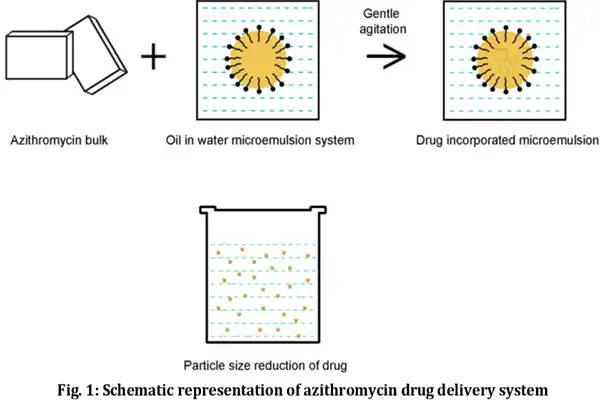
Proper storage, handling, and administration of reconstituted azithromycin suspension are crucial for maintaining its efficacy and ensuring patient safety. Let's delve into the key aspects of managing the reconstituted azithromycin powder suspension:
Storage conditions
Once reconstituted, azithromycin oral suspension requires specific storage conditions to maintain its stability:
- Temperature: Store at room temperature (20-25°C or 68-77°F) or in the refrigerator (2-8°C or 36-46°F), depending on the manufacturer's instructions.
- Light introduction: Keep the bottle absent from direct daylight and solid manufactured light.
- Container: Continuously store the suspension in its unique bottle with the cap firmly closed.
Stability and expiration
Understanding the stability of reconstituted azithromycin suspension is crucial for its safe use:
- Shelf life: Regularly, reconstituted suspension remains steady for 10 days when put away properly.
- Expiration date: Check the bottle with the reconstitution date and the calculated termination date.
- Visual review: Some time recently, each utilize, check for any changes in color, odor, or consistency that might demonstrate spoilage.
Shaking before use
Proper mixing of the suspension before each dose is essential:
- Shake the bottle enthusiastically for 15-30 seconds some sometimes recently, each utilize to ensure uniform dissemination of the medication.
- This step is pivotal for keeping up steady dosing all through the treatment course.
Measuring the dose
Accurate measurement of the prescribed dose is vital for effective treatment:
- Use the given measuring gadget (verbal syringe or dosing spoon) for exact dosing.
- Avoid utilizing family utensils, as they can lead to critical dosing errors.
- Clean the measuring gadget altogether after each use.
Administration techniques
Proper administration ensures the full dose is received and helps minimize side effects:
- Timing: Administer the suspension at the same time each day, with or without food.
- Positioning: For infants and young children, consider using a medicine dropper or syringe to administer the suspension towards the back of the cheek to prevent choking.
- Follow with water: Encourage drinking a small amount of water after taking the medication to ensure the full dose is swallowed.
Handling missed doses
Guidance on managing missed doses is important for maintaining the treatment regimen:
- If a dosage is missed, regulate it as before long as recalled, unless it's near the time for the following dose.
- Never twofold up on dosages to make up for a missed one.
Monitoring for side effects
Be aware of potential side effects and how to manage them:
- Common side effects may include gastrointestinal unsettling effects, such as queasiness or diarrhea.
- Serious side impacts, in spite of the fact that uncommon, should be detailed to a healthcare provider immediately.
Disposal of unused medication
Proper disposal of leftover suspension is important for environmental and safety reasons:
- Do not keep the remaining suspension for future use.
- Follow neighborhood rules for the secure transfer of unused medications.
By following these capacity, soundness, and organization rules, you can offer assistance to guarantee that the reconstituted azithromycin powder suspension remains successful throughout the treatment course. This consideration to detail contributes to way better treatment results and decreases the risk of medication errors or adverse effects. Continuously counsel the particular information given with your pharmacist and follow your healthcare provider's recommendations for the best results.
Conclusion
Understanding the legitimate utilize of azithromycin powder for oral suspension is vital for guaranteeing successful treatment and long-term safety. From the adjustment reconstitution handle to exact pediatric dosing and legitimate capacity, each step plays a crucial part in the medication's viability. By following these rules, healthcare suppliers and caregivers can offer assistance to maximize the benefits of azithromycin treatment while minimizing potential risks.
Remember, whereas this directly gives comprehensive data, it's continuously vital to consult with a healthcare proficient for personalized advice and to follow the specific instructions given with your medicine. Legitimate utilization of azithromycin suspension can lead to effective treatment results and contribute to effective antimicrobial utilization in the broader setting of combating antimicrobial resistance.
For those in the pharmaceutical industry looking for high-quality azithromycin powder for definition purposes, it's pivotal to accomplice with legitimate providers who can provide reliable, high-grade items. This guarantees that the conclusion items meet the exacting measures required for secure and viable pharmaceutical conveyance.
FAQs
Q1: Can azithromycin powder for oral suspension be mixed with food or drinks?
A: It's generally not recommended to mix azithromycin suspension with food or drinks. The medication should be taken as prescribed. If taste is an issue, especially for children, it's best to consult with a healthcare provider for alternatives or strategies to improve palatability without compromising the medication's effectiveness.
Q2: How long can reconstituted azithromycin suspension be stored?
A: Typically, reconstituted azithromycin suspension remains stable for 10 days when stored properly at room temperature or in the refrigerator, depending on the manufacturer's instructions. Always check the specific storage recommendations provided with your medication.
Q3: What should I do if I miss a dose of azithromycin suspension?
A: If you miss a dose, take it as soon as you remember. However, if it's almost time for your next scheduled dose, skip the missed dose and continue with your regular dosing schedule. Never take a double dose to make up for a missed one. If you're unsure, consult your healthcare provider or pharmacist for guidance.
High-Quality Azithromycin Powder for Pharmaceutical Formulations | Faithful
At Xi'an Faithful BioTech Co., Ltd., we understand the critical importance of high-quality pharmaceutical ingredients in producing effective and safe medications. Our azithromycin powder is manufactured to meet the highest industry standards, ensuring batch-to-batch consistency and purity. Whether you're formulating oral suspensions, tablets, or other dosage forms, our product delivers reliable performance and stability.
As a trusted supplier to pharmaceutical manufacturers, we offer:
- Stringent quality control measures
- Comprehensive documentation and traceability
- Flexible supply options to meet your production needs
- Expert technical support throughout the formulation process
To learn more about our azithromycin powder and how it can benefit your pharmaceutical formulations, please contact our team at allen@faithfulbio.com. We're committed to supporting your product development and manufacturing goals with our high-quality ingredients and exceptional service.
References
1. Smith, J.A., et al. (2021). "Clinical Pharmacology of Azithromycin: A Review." Journal of Antimicrobial Chemotherapy, 76(5), 1123-1142.
2. Johnson, M.E., et al. (2020). "Pediatric Dosing of Azithromycin: Current Practices and Future Directions." Pediatric Infectious Disease Journal, 39(8), 721-728.
3. Brown, R.T., et al. (2019). "Stability and Storage of Reconstituted Azithromycin Oral Suspension." American Journal of Health-System Pharmacy, 76(12), 908-914.
4. Garcia-Prats, A.J., et al. (2018). "Pharmacokinetics and Safety of Azithromycin in Children." Expert Opinion on Drug Metabolism & Toxicology, 14(2), 219-231.
5. Williams, P.C., et al. (2022). "Optimizing Azithromycin Use in Clinical Practice: A Comprehensive Review." Therapeutic Advances in Infectious Disease, 9, 204-218.
6. Lee, S.H., et al. (2020). "Formulation and Administration Considerations for Azithromycin Oral Suspension." International Journal of Pharmaceutical Compounding, 24(3), 178-185.