

How Vilon Peptide Regulates Immune Gene Expression and Maintains Immune Tissue Homeostasis
Vilon Peptide is a synthetic dipeptide research powder raw material, formed by the connection of two amino acids, lysine and glutamic acid. After solid-phase synthesis, purification, impurity removal, and freeze-drying treatment, the powder product is obtained. Each batch of raw materials is strictly tested for impurities and residual substances to ensure stable activity across different batches, with minimal fluctuations in the data collected during experiments. With the passage of time or external stimuli, the function of immune tissues such as the thymus will gradually decline, the differentiation ability of immune cells will decrease, a large number of immune related genes will be locked and silenced, the immune balance of the body will be disrupted, and the ability to resist adverse external stimuli will decrease accordingly.
Molecular Structure and Physicochemical Basis of Vilon Peptide
Vilon Peptide, as a short chain dipeptide composed of only two amino acids, has an amino acid sequence of Lys Glu. Its simple molecular structure gives it unique physicochemical properties that distinguish it from long-chain peptides, and it is also the basis for its ability to enter the cell and exert regulatory effects. Compared with large molecular peptides, Vilon Peptide has a smaller molecular weight and is easier to cross the cell membrane barrier. It can enter the cell without relying on complex membrane receptor transport and continue to penetrate the nuclear membrane to reach the nucleus, where it contacts the chromatin structure that stores genetic information inside the cell. Many long-chain peptides can only stay on the outer membrane of cells and rely on receptors on the membrane to transmit signals. The mode of action is limited by the number of receptors, while Vilon Peptide can directly reach the nucleus where genes are located, which is also the core prerequisite for its participation in gene expression regulation.
A simple dipeptide structure does not mean that its function is non-specific. Vilon Peptides selectively bind to specific promoter regions on DNA, and are not indiscriminately attached to all genetic fragments. This combination preference allows Vilon Peptide to preferentially affect immune related gene regions without significantly altering the expression status of all cellular genes, reducing the possibility of large-scale disturbances to cellular homeostasis. After many small molecule substances enter the nucleus, they indiscriminately damage the DNA structure, causing significant cytotoxicity. However, Vilon Peptide does not damage the base sequence of DNA, only changes the compactness of chromatin, which belongs to epigenetic regulation and does not cause permanent changes in genetic sequence. This is also an important reason why it has been continuously studied in the field of immune homeostasis.
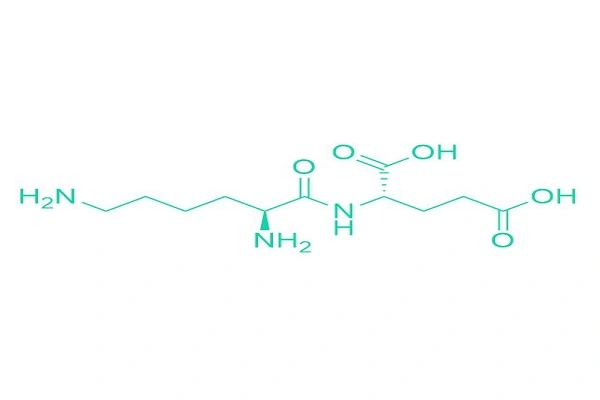
The physicochemical properties of Vilon Peptide also directly affect its retention time in the system. The dipeptide structure is easily degraded by peptidases in cells and has a shorter retention time in cells. Although the raw material itself does not have a long residence time, the changes in chromatin structure caused by it can last for a longer period of time, and short-term exposure can trigger sustained changes in gene expression. This characteristic is completely different from conventional signaling molecules, which require sustained existence to maintain signal output. Once degraded, the corresponding effect will quickly disappear, while the gene remodeling effect triggered by Vilon Peptide will not immediately disappear with the rapid degradation of raw materials.
Different pH environments can slightly affect the binding ability between Vilon Peptide and DNA fragments. Within the pH range close to the physiological environment of immune cells, Vilon Peptide can maintain optimal binding activity. If there is a significant shift in environmental acidity or alkalinity, it will change the charged state of lysine and glutamate residues, weaken the interaction between peptides and chromatin, and thus weaken the corresponding regulatory effect. Therefore, stable control of environmental pH is an important condition for ensuring the stability of observation results during relevant in vitro operations. Environmental fluctuations can directly change the intensity of Vilon Peptide action, causing deviations in data from different groups.
The Mechanism of Action of Vilon Peptide in Regulating Chromatin Remodeling
When cells age or are continuously stimulated by inflammation, the chromatin in the nucleus will constantly tighten and compress. Many genes related to the development and differentiation of immune cells will be encapsulated in dense heterochromatin, and genes cannot start transcription normally. The corresponding protein synthesis stops, and the activity of immune cells gradually decreases. After entering the nucleus, Vilon Peptide can bind to DNA promoter regions and histones, allowing tightly wrapped and compressed chromatin to slowly stretch and open. This allows immune related genes that were previously silenced to regain transcription opportunities and restore normal gene expression. This process does not modify the DNA base sequence, only changes the chromatin spatial structure, which belongs to epigenetic regulation. This is also the core pathway of Vilon Peptide in maintaining immune homeostasis.
The thymus is a key site for the development and maturation of T cells. As age increases, the thymus tissue gradually shrinks, and a large number of genes inside the thymus cells become silenced. The number of new mature T cells generated continues to decrease, and the overall immune defense ability decreases. When H-Lys-Glu-OH acts on lymphocytes derived from the thymus, it can open ribosome related genes, help cells restore their basic protein synthesis ability, support the normal differentiation and development of thymocytes, and promote the gradual differentiation of primitive thymocytes into functionally mature T lymphocytes. Mature T cells are a key force for the body to recognize external stimuli and eliminate abnormal cells. After the ability to generate T cells is restored, the basic reserve of the immune system can be improved, reducing the steady-state imbalance caused by immune function decline.
In addition to promoting T cell differentiation and maturation, Vilon Peptide can also regulate the balance of various cytokines secreted by immune cells. When external stimuli induce excessive inflammatory responses, immune cells will release a large amount of pro-inflammatory factors. Excessive inflammatory signals will continue to damage normal tissues and disrupt local tissue homeostasis. Vilon Peptide can downregulate the expression levels of some pro-inflammatory cytokines while maintaining the normal secretion of protective immune factors, avoiding the immune response from going to extremes. Simply put, it is not simply about enhancing or inhibiting immunity, but rather pulling imbalanced immune signals back into a reasonable range to prevent weak immune responses from being unable to resist stimuli or excessive reactions from damaging healthy cells.
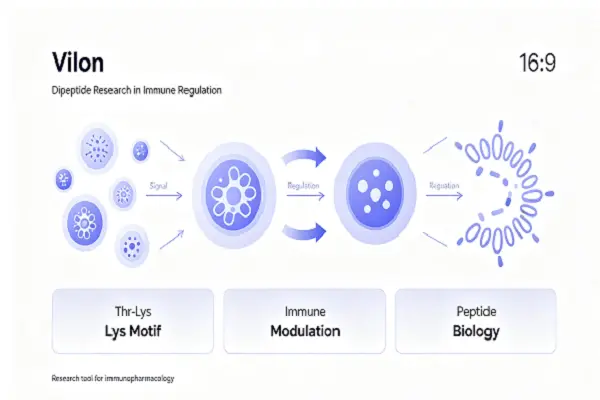
Vilon Peptide can also affect the balance between immune cell proliferation and apoptosis. The normal immune system needs to maintain the replacement of old and new cells, while aging and damaged immune cells undergo orderly apoptosis and new immune cells continue to replenish. When the steady state is imbalanced, either excessive proliferation of immune cells or premature apoptosis of a large number of cells can cause immune disorders. Vilon Peptide can regulate related genes, maintain the proliferation and apoptosis of lymphocytes within a reasonable range, avoid drastic fluctuations in the number of immune cell populations, maintain the stability of immune cell populations, and continuously exert immune surveillance functions.
The remodeling effect of Vilon Peptide on chromatin also affects the self tolerance ability of immune cells. The immune system needs to distinguish between foreign harmful substances and its own normal tissues. Once the tolerance mechanism is compromised, immune cells will mistakenly attack their own tissues, triggering autoimmune related problems. Vilon Peptide can regulate the expression of related genes, help maintain the recognition ability of immune cells, reduce the occurrence of immune cells attacking their own cells incorrectly, reduce the probability of autoimmune disorders from the source, and maintain the orderly and stable operation of the entire immune network.
Scientific research application areas for Vilon peptide
The core application direction of Vilon Peptide is to build a system related to immune aging, to observe how short peptide substances reverse the gene silencing phenomenon of immune cells. The core root cause of immune decline with age is the large number of immune related genes being chromatin locked. Vilon Peptide can be used as a tool material to analyze the repair pathways of aging immune cells through epigenetic regulation. With the help of Vilon Peptide, an aging lymphocyte system can be constructed in vitro, and a series of changes in T cell differentiation, cytokine secretion, and cell proliferation ability can be observed after chromatin stretching. The complete regulatory chain behind immune aging can be sorted out, providing reference for the subsequent search for active substances that regulate immune homeostasis.
Vilon Peptide can be used for in vitro system construction related to inflammation balance, to study the regulatory effect of short peptide substances on cytokine networks when inflammation signals are overactivated. The essence of many chronic inflammations is the imbalance between pro-inflammatory and anti-inflammatory signals, with sustained low-intensity inflammation slowly eroding tissue homeostasis. By using Vilon Peptide, the expression changes of various inflammation related genes in immune cells can be observed at the cellular level under sustained inflammatory stimulation conditions. The secretion differences of inflammatory factors before and after adding Vilon Peptide can be compared to understand how epigenetic regulation can alleviate excessive inflammation and explore new directions for inflammation homeostasis regulation.

Vilon Peptide can be used for exploring the basic properties of short peptide biological regulators. Vilon Peptide belongs to the family of ultra short peptide biological regulators and has a similar functional logic to other active peptides derived from the thymus. Researchers can use Vilon Peptide to study the structural rules of short peptide molecules penetrating the nucleus and binding to DNA, analyze how amino acid sequences affect the binding specificity of peptide segments and chromatin, summarize the design ideas of short peptides for epigenetic regulation, provide reference for the artificial design of more targeted gene regulated short peptide raw materials, and expand the development ideas of short peptide active raw materials.
Vilon Peptide can also be used for the observation of immune surveillance related systems. Immune cells have the ability to recognize abnormal cells. When immune function declines and immune surveillance ability decreases, abnormal cells cannot be identified and cleared in a timely manner. Using Vilon Peptide, it is possible to observe changes in the ability of lymphocytes to recognize abnormal cells after raw material processing, study the degree of recovery of immune surveillance function after reactivation of immune genes, analyze the intrinsic correlation between immune homeostasis and abnormal cell clearance ability, and evaluate the regulatory potential of short peptide substances on immune surveillance function.
Limitations on Use and Safety Boundaries of Vilon Peptide
Vilon Peptide is only used in laboratory in vitro systems, and the corresponding observation results are all from cellular level systems. There is no mature human usage data, so it cannot be directly inferred that the same effect can be achieved in the human body. There is a huge gap between the cell culture environment and the complex internal environment of the human body. The human body has multiple proteases, cells, hormones, and multiple immune regulatory networks. After Vilon Peptide enters the complex biological environment, it is quickly broken down by peptidases. Whether it can successfully reach the nucleus of the target cell and continue to produce chromatin remodeling effects has not been effectively verified, and the phenomena observed in vitro cannot be simply applied to the human scene.
The epigenetic regulatory role of Vilon Peptide is uncertain. Although chromatin stretching and immune gene activation can be observed in vitro lymphocyte systems, the gene network is a highly correlated and complex system. Opening up some immune related genes may also cause changes in the expression of other genes, leading to unpredictable chain reactions. At present, there is insufficient research on the genome-wide expression changes after the action of Vilon Peptide, and the potential effects of long-term sustained action are not yet clear. Therefore, it can only be used in controlled laboratory environments and cannot be directly used outside of vivo.
The effect of Vilon Peptide is significantly dependent on the environment, and its ability to bind to chromatin is affected by ion concentration, pH, cell type, and the stage of cell life cycle. When the same concentration of Vilon Peptide is applied to lymphocytes from different sources or cells at different stages of aging, there will be significant differences in the observed effects. This means that when using H-Lys-Glu-OH for related work, it is necessary to strictly fix all experimental conditions and set sufficient control groups. It is not possible to directly determine the strength of activity based on a single concentration. Minor changes in conditions can change the final results and easily lead to data bias.
Vilon Peptide does not possess broad-spectrum applicability and preferentially acts on immune cells derived from the thymus. In other types of cells, the peptide's ability to bind to DNA and the resulting gene regulatory effects are significantly weakened. Do not assume that Vilon Peptide can produce consistent regulatory effects across all cell types. The chromatin status and gene promoter sequences of cells from different tissue sources vary, and the targeting preference of Vilon Peptide determines its scope of action. Beyond the corresponding cell type, it is highly unlikely that the expected steady-state regulatory effect will occur.
Conclusion
Thanks to its compact dipeptide structure, Vilon Peptide can penetrate the cell nucleus. It regulates T-cell development and differentiation and balances cytokine secretion by remodeling chromatin structure and reactivating silenced immune genes, thereby helping immune tissues maintain homeostasis. As a research-grade peptide, Vilon Peptide serves as a high-quality tool for studies in areas such as immunosenescence, epigenetic regulation, and short-peptide bioregulators.
Xi'an Faithful BioTech Co., Ltd. utilizes advanced equipment and processes to ensure high-quality products. Our Vilon Peptide meets international pharmaceutical standards. Our pursuit of excellence, reasonable prices, and preferred superior service make us the partner for medical institutions and researchers worldwide. If you require Vilon Peptide research or production,Please contact us Click email: allen@faithfulbio.com Or WhatsApp: +86 13137770562.
FAQ
Q1: What type of raw material is Vilon Peptide?
A: Vilon Peptide is a synthetic Lys-Glu dipeptide powder intended solely for laboratory research; it is neither a pharmaceutical drug nor a dietary supplement.
Q2: How does Vilon Peptide differ from standard immunomodulatory ingredients?
A: While most immune-related ingredients merely modulate extracellular signals, Vilon Peptide can penetrate the cell nucleus. Through epigenetic regulation, it reactivates immune-related genes that have been silenced due to aging, thereby improving the state of immune cells at the fundamental level.
Q3: Can the general public use Vilon Peptide for personal health maintenance?
A: Absolutely not. It is a peptide raw material intended strictly for laboratory research and lacks safety standards for human use; direct use carries unknown risks, and it is not classified as a dietary supplement or a pharmaceutical drug.
References
- Khavinson, V. K., & Malinin, V. L. (2005). Peptide regulation of aging. Biogerontology, 6(3), 179–187.
- Khavinson, V. K., Anisimov, V. N., & Zavarykina, T. P. (2001). Immunomodulating effects of short peptides. Journal of Anti-Aging Medicine, 4(2), 111–120.
- Bobyleva, T. V., & Khavinson, V. K. (2007). Nuclear interaction of lysyl-glutamic peptide with chromatin. Peptides, 28(8), 1534–1540.
- Ryabzhina, E. K., & Khavinson, V. K. (2009). Short peptides as epigenetic regulators of gene expression. Cell Biology International, 33(9), 987–994.
- Khavinson, V. K., & Solovyov, A. Y. (2010). Thymic peptides and immune cell differentiation. Immunology Letters, 132(1-2), 45–51.
- Mylnikov, S. V., & Khavinson, V. K. (2012). Stability and physicochemical properties of lysyl-glutamate dipeptide. Journal of Peptide Science, 18(5), 312–318.
- Anisimov, V. N., & Khavinson, V. K. (2013). Peptide bioregulators: From basic observations to preclinical data. Ageing Research Reviews, 12(4), 891–901.