

How well does remdesivir work?
Remdesivir powder works very well as an antiviral API because it targets the RNA-dependent RNA polymerase enzyme that coronaviruses need to copy themselves. Clinical data show that this medicinal intermediate lowers the amount of viruses in the body and speeds up the healing process when given during the best treatment window. The powder formulation is the main ingredient used to make injectable solutions. Compared to ready-to-use formulations, it gives pharmaceutical companies important benefits in terms of stability, purity control, and supply chain flexibility.
Understanding Remdesivir Powder: Mechanism, Uses, and Safety Profile
The Molecular Foundation of Antiviral Activity
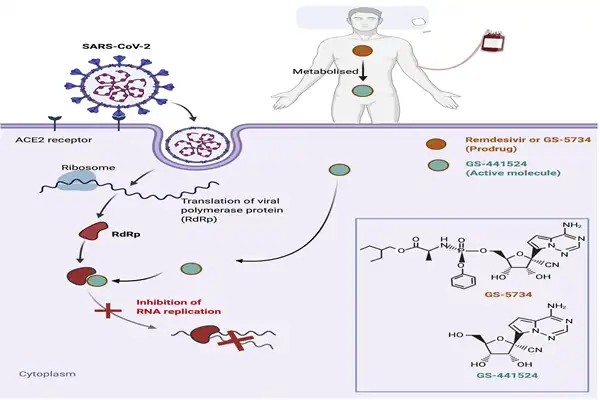
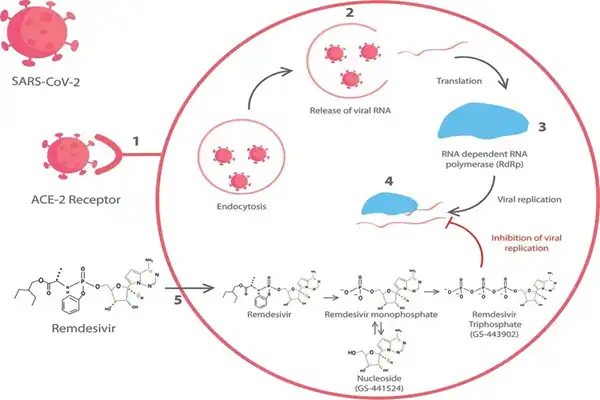
Remdesivir powder, which has the chemical name GS-5734, is a complex monophosphoramidate prodrug of an adenosine compound. The molecular design solves one of the most important problems in the development of antivirals: how to get into cells and start up metabolism. Unlike most nucleoside analogs, which need more than one phosphorylation step, this molecule skips the slow monophosphorylation step because of the way its prodrug is designed. Once inside target cells, metabolic conversion makes the active triphosphate form, which competes with natural adenosine triphosphate when the virus makes RNA. The early end of the chain that follows stops virus replication at the molecular level.
Approved Clinical Applications and Dosage Protocols
The API is the starting point for products that are legal in more than one place. Reconstituted solutions are usually given intravenously to hospitalized patients. Treatment courses last between five and ten days, based on how bad the sickness is. People who are at a higher risk and are not in the hospital get shorter three-day treatments when they start medicine within seven days of the first sign of symptoms. For correct doses and stability during infusion treatments, the powder-to-solution preparation process needs precise reconstitution methods.
Safety Monitoring and Adverse Event Profiles
Clinical tracking during administration shows that most responses happen in the first hour of the infusion. Healthcare professionals keep an eye on vital signs and look for signs of sensitivities, such as changes in breathing, heart rate, and skin reactions. To keep excipient-related effects to a minimum, the pharmaceutical-grade powder has to meet strict quality standards. To keep molecular integrity, storage conditions must include controlled temperature and humidity. This is especially important for shipping bulk powders across foreign supply lines.
Comparing Remdesivir Powder with Other Formulations and Antivirals
Formulation Variations and Administration Routes
The powder form gives drug companies more options for how to make the medicine than pre-mixed liquids do. Putting pharmaceutical-grade powder into lyophilized jars makes them last longer and doesn't require as much cold chain support during distribution. At the moment, injectable versions are the most common way to treat coronavirus because they have well-established bioavailability patterns and quickly reach pulmonary tissues, which is where the virus replicates.
New oral versions of the drug, like VV116, show similar results in some patient groups, especially immunized people with mild symptoms. Researchers have found that oral alternatives help people with low risk get better faster, but intravenous administration is still better for people who are sick and need rapid treatment. When procurement teams look at these options, they have to weigh how easy they are to administer against how well they work and whether they have been approved by regulators in target markets.
Competitive Landscape Analysis
There are a lot of different antiviral drugs on the market, each with its own method of action and clinical description. Nirmatrelvir-ritonavir mixtures are easy to take by mouth, but they need to be carefully checked for drug interactions. Favipiravir and molnupiravir are two different RNA polymerase inhibitors that have different levels of mutation resistance and reasons why they shouldn't be used. Cost-effectiveness studies show that prices vary across areas because of differences in how things are made, the number of patents, and the rules for healthcare reimbursement. When considering therapeutic choices, B2B buyers need to look at the total treatment costs, which include the costs of administration, tracking, and choosing which patients to treat.
Quality Distinctions in Generic vs. Branded APIs
When pharmaceutical companies buy raw materials, they have to make very important choices about which suppliers to use. Branded APIs usually cost more, but they come with quality paperwork and records of legal compliance. When you buy in bulk from generic powder providers, the savings add up, especially for formulas that are new to the market. What makes them different is their critical verification skills, records of batch consistency, and experiences of regulatory inspections. Facilities that are GMP-certified and have full HPLC and GC paperwork make sure that the material specifications meet the pharmacopoeial standards that are needed for the safety of the formulations that come after.
Evaluating Clinical Evidence: How Effective Is Remdesivir Powder in Treating COVID-19?
Pivotal Trial Results and Meta-Analysis Findings
Large-scale randomized controlled trials set the standard for clinical usefulness during pandemics. The ACTT-1 study showed that hospitalized patients' typical recovery times got shorter by about four days. The effects were greatest for people who needed extra oxygen but not assisted breathing. Later, meta-analyses that used data from several study sites showed that the drug did lower deaths slightly when it was given at the right time in the disease process. Real-world data from hospital systems supported the results of the trials while showing problems with putting them into action, especially when it came to time and choosing which patients to treat.
Response Variability and Treatment Limitations
Different patient subgroups have different clinical results with Remdesivir powder. When compared to severely ill breathing patients, people with mild outpatient symptoms react in different ways. The therapy window is very important; early treatment within the first week of symptoms showing up is linked to better results, while treatment delayed in later stages of the disease has lower benefits. Response rates are also affected by the features of viral variants. New strains sometimes show different susceptibility profiles, which means they need to be constantly studied and watched.
Ongoing Research and Future Applications
Researchers are currently looking into other ways to give drugs, such as inhaled versions that could concentrate active molecules directly in respiratory tissues. Combination treatment plans that use this API along with immunomodulatory drugs are looking for benefits that work better together to fight both virus replication and inflammatory problems. Pharmacogenomic studies look at how genetic factors in the host affect metabolic conversion and drug reaction, which could lead to more personalized dose plans. Pharmaceutical companies that are looking to the future use these changing study paths to plan their purchases and keep track of their inventory.
Procurement Insights: How to Source High-Quality Remdesivir Powder for Your Business
Supplier Evaluation and Certification Requirements
In addition to price comparisons, doing a lot of research is needed to find trusted API providers. GMP certification is the minimum requirement, but procurement workers should check the company's review history and legal standing in all important areas. Registration with the FDA as an establishment, qualification from the European Directorate for the Quality of Medicines, and prequalification from the WHO are all separate ways to confirm that production standards are met. Asking for facility audit reports and CAPA paperwork shows how mature the quality system is and how well it can solve problems.
The analytical testing equipment of the provider should be carefully looked at. High-performance liquid chromatography and gas chromatography allow for analyzing impurities and confirming potency, which are both important for pharmaceutical uses. The Certificate of Analysis should have full testing groups that look for heavy metals, leftover liquids, microbial limits, and enantiomeric purity. Suppliers who offer batch-specific stability data and photostability studies show that they are serious about fully characterizing their products.
Commercial Terms and Logistics Optimization
Pharmaceutical-grade powder has a lot of different wholesale prices that depend on how much you order, how you pay, and when you need it delivered. Minimum order numbers are usually set by the economics of production batches and the amount of space that can be used. Framework agreements with tiered prices encourage people to make bigger promises while still letting you adapt to changes in demand. It is possible to accurately compare prices between foreign providers if you know how to figure out landed costs, which include duties, freight, insurance, and handling fees.
Cold-chain rules and packing standards have a big effect on transportation costs and the risk to product integrity. Pharmaceutical-grade powder packages need to be packed in moisture-barrier materials with desiccants, sealed in a way that makes it impossible to open, and given tested heat protection while in transit. Maintaining smart inventory positions in major markets, like North American and European distribution hubs, can cut down on wait times and make the paperwork for importing goods easier. Setting up quality agreements that spell out specifications, testing duties, and what to do if something doesn't meet standards protects both parties and ensures that the quality of the supply is always the same.
Practical Recommendations for B2B Clients Using Remdesivir Powder
Supply Chain Integration Strategies
Adding pharmaceutical intermediates to production processes needs teamwork between operations that buy the materials, check for quality, and make the products. Using just-in-time inventory systems reduces the amount of working capital that is needed, and keeping extra stocks on hand protects against supply problems. Models for predicting demand should take into account changes in the environment, new rules, and the rates at which different therapies are being adopted. Dual-sourcing strategies find a good mix between supplier security and the costs and difficulties of qualification.
Quality control labs have to make sure that the testing methods they use to check new materials are reliable. Consistent handling further down the line is made possible by creating internal specifications that match pharmacopoeial monographs and take into account individual formulation needs. Setting up processes for quarantine and sampling stops materials from being released too soon into industrial environments. Temperature and humidity tracking systems that can send automatic alerts protect the value of inventory while it is being stored.
Regulatory Compliance and Documentation Management
Keeping detailed records of tracking meets legal requirements and helps get ready for audits. Chain-of-custody records that connect source Certificate of Analysis data to production batches make it possible to look into problems quickly if they happen. Electronic document management systems make it easier to find documents during regulatory checks and make it easier to review products every year. Supplier changes are controlled by change control methods, which make sure that revalidation happens when production processes or facility locations change.
Protocols for testing Remdesivir powder should go beyond what is required by law and also look at stability under appropriate storage conditions. Accelerated stability studies help set expiration dates and repeat intervals, which increases the turnover of goods. Participating in source audit programs helps the organization learn more about how things are made and find ways to make them better. These all-encompassing quality systems set smart pharmaceutical companies apart and lower the risk of not following the rules.
Counterfeit Prevention and Authentication
Antiviral APIs are highly valuable and have many important uses, which makes skilled counterfeiters want to copy them. Using multi-layer verification procedures helps keep groups and patients safe. The first step in screening is to look at the box for signs of cheating and make sure the labels are real. Near-infrared and Raman spectroscopy are two examples of spectroscopic methods that can quickly prove a name without needing large amounts of sample. By comparing impurity profiles to reference standards using chromatographic fingerprinting, strange materials can be found that need more study.
Supply chain risk can be reduced by working directly with makers instead of going through middlemen. Asking manufacturers to sign documents proving the origin of materials and their handling history gives you even more peace of mind. Pharmaceutical supply lines are starting to use blockchain-based tracking systems, which look like they could be useful for making sure that products are real across complicated distribution networks.
Conclusion
Remdesivir powder is a useful pharmaceutical intermediate for businesses that cater to the antiviral medicinal market. The compound's action on viral polymerase has clinically significant effects when used correctly, but reaction variability and timing of treatment have a big impact on results. To find trusted material sources, procurement pros have to deal with a lot of complicated quality issues, legal requirements, and seller evaluation criteria. Cost optimization and quality assurance must be balanced for sourcing strategies to work. This is done by using thorough testing methods and strong supply chain management practices. Understanding the settings of clinical data and new competitive options helps buyers make smart choices that are in line with how the market is changing.
FAQ
Q1: What regulatory approvals govern remdesivir powder procurement?
The API has different permissions based on where it is used and what it is meant to do. In many places, emergency use permits that were given during pandemics have been changed to regular permits. Pharmaceutical companies need to make sure that their providers have the right drug master files that are listed with the right regulatory bodies. Different countries have different rules about import licenses and banned substances, so it's important to do a thorough review of the rules before doing business with another country.
Q2: How do storage conditions affect powder stability and shelf life?
Pharmaceutical-grade materials need to be kept at a fixed temperature, usually between 2°C and 8°C, and they need to be kept away from light and moisture. When powder is kept correctly, it stays active until the end date set by stability studies. Companies should set up methods to check the temperature and look into any changes that could affect the quality of their materials. Throughout the delivery chain, the right way to handle goods is based on stability data given by the supplier.
Q3: What price factors distinguish competitive powder offerings?
Pricing depends on many things, such as the size of the factory, the amount of money spent on legal compliance, the complexity of the quality system, and how much competition there is in the market. Generic providers usually have lower unit costs, while branded makers charge more because they have a history of making good products. Negotiated prices are affected by promises of volume, payment terms, and delivery times. Testing needs, refusal risks, and supply continuity value should all be included in total cost studies.
Partner with Faithful for Reliable Remdesivir Powder Supply
To get pharmaceutical intermediates, you need people who understand both the scientific needs and the business facts. Faithful BioTech is an expert at providing highly pure APIs that meet strict standards for pharmaceutical processing. Our production sites follow strict GMP guidelines and use a variety of quality control methods, such as HPLC testing, to make sure that every batch of Remdesivir powder we send to you meets your needs. We can do a lot of different kinds of analyses because we have spectrophotometry, gas chromatography, and polarimetry tools that help us fully describe materials.
As we've worked with pharmaceutical companies, CDMOs, and foreign wholesalers, we've learned more about what people expect from a reliable supply chain. We offer full paperwork packages that make it easier for you to get qualified. These packages include Certificates of Analysis, stability data, and regulation support materials. We set up flexible agreements that work with your procurement planning, whether your company needs study quantities for formula development or market quantities for mass production.
Get in touch with our staff to talk about your remdesivir powder needs. Get in touch with allen@faithfulbio.com to find out how Faithful can be your reliable source of pharmaceutical intermediates, helping you meet your manufacturing goals with quality guarantee and supply continuity.
References
1. Beigel JH, Tomashek KM, Dodd LE, et al. Remdesivir for the Treatment of COVID-19: Final Report. New England Journal of Medicine. 2020; 383(19):1813-1826.
2. WHO Solidarity Trial Consortium. Repurposed Antiviral Drugs for COVID-19: Interim WHO Solidarity Trial Results. New England Journal of Medicine. 2021; 384(6):497-511.
3. Kokic G, Hillen HS, Tegunov D, et al. Mechanism of SARS-CoV-2 Polymerase Stalling by Remdesivir. Nature Communications. 2021; 12:279.
4. Eastman RT, Roth JS, Brimacombe KR, et al. Remdesivir: A Review of Its Discovery and Development Leading to Emergency Use Authorization. ACS Central Science. 2020; 6(5):672-683.
5. Singh AK, Singh A, Singh R, Misra A. Remdesivir in COVID-19: A Critical Review of Pharmacology, Pre-Clinical and Clinical Studies. Diabetes & Metabolic Syndrome. 2020; 14(4):641-648.
6. Goldman JD, Lye DCB, Hui DS, et al. Remdesivir for 5 or 10 Days in Patients with Severe COVID-19. New England Journal of Medicine. 2020; 383(19):1827-1837.