

Is Ammonium Tetrathiomolybdate a chelating antidote for copper metabolism disorders?
Copper, an essential trace element for the human body, can induce various diseases such as Wilson's disease, tumors, and angiogenesis if it is excessively accumulated or metabolically imbalanced. Ammonium tetrathiomolybdate, with a purity ≥98.0%, is a red crystalline inorganic thiomolybdate with a core tetrahedral [MoS₄]²⁻ anion. It possesses three major properties: high affinity chelation with copper, redox regulation, and inhibition of metalloenzymes. It is a first-line treatment for Wilson's disease, a candidate drug for anti-angiogenic drugs in tumors, and a precursor for industrial molybdenum sulfide catalysts.
🔬The four-coordinate molecular code of ligand exchange
Ammonium Tetrathiomolybdate is chemically an inorganic molybdenum-sulfur cluster compound. Its core is a tetrathiomolybdate anion formed by one molybdenum atom and four sulfur atoms linked by coordinate bonds, with two ammonium ions acting as counterions to maintain charge balance. Its molecular formula is (NH₄)₂MoS₄, its molecular weight is 260.28 g/mol, and its CAS registry number is 15060-55-6. The oxidation state of molybdenum is +6, and each sulfur atom exists as a divalent anion in the structure, forming an approximately tetrahedral spatial configuration.
Physically, Ammonium Tetrathiomolybdate is a deep red to reddish-brown crystalline powder. According to Sigma-Aldrich and other major suppliers, the purity requirement is typically between 95% and 99%. It is highly soluble in water, forming a characteristic red transparent solution; this optical property can be used for simple qualitative identification. In terms of solubility, it is insoluble in organic solvents but has good stability in alkaline aqueous solutions. In acidic environments, the tetrathiomolybdate anion is unstable and undergoes acid hydrolysis to form molybdenum trisulfide precipitate and release hydrogen sulfide gas. This characteristic is the physicochemical basis for its limited gastrointestinal absorption after oral administration.
Regarding stability and storage, Ammonium Tetrathiomolybdate is sensitive to air, moisture, and high temperatures. In humid environments, it absorbs moisture and deliquesces slowly; prolonged exposure to air may lead to oxidation or degradation. Suppliers such as Sigma-Aldrich explicitly require that this raw material be stored at -20°C under inert gas protection, sealed and protected from light. A stock solution prepared with DMSO can be stored for 6 months at -80°C, and repeated freeze-thaw cycles should be avoided. Due to its high susceptibility to oxidation in solution, it should be freshly prepared immediately before use.
In terms of structural classification and nomenclature, Ammonium Tetrathiomolybdate is a typical member of the tetrathiomolybdate family, whose homologues also include sodium tetrathiomolybdate. In clinical studies of Wilson's disease, it is often simply referred to as "TTM" or "Mo(S)₄²⁻". In early pharmacological literature, it was also described as "molybdenum blue" or "the prototype of molybdenum sulfide clusters". Its coordination chemistry is unique in that the oxygen atom of the molybdate group can be progressively replaced by a sulfur atom, with tetrathiomolybdate being the final product of this complete sulfidation substitution.
⚙️The triple-locking logic of copper ion chelation
Ammonium tetrathiomolybdate differs fundamentally from existing copper chelators like D-penicillamine. D-penicillamine acts as a "competitive ligand," promoting copper excretion in urine by providing sulfhydryl or amino groups to form soluble complexes with copper ions. A key limitation of this class of drugs is that they also readily mobilize normal physiological copper reserves, often requiring months to years to achieve clinical control. Ammonium tetrathiomolybdate, however, blocks copper absorption and accumulation through three distinct mechanisms, creating a "triple blockade" effect.
The first blockade occurs in the gastrointestinal lumen. Ammonium tetrathiomolybdate partially decomposes under acidic gastric conditions, generating amorphous molybdenum trisulfide colloids, which have a very high affinity for copper ions in food. When copper binds to molybdenum trisulfide, it forms a high-molecular-weight, insoluble complex that cannot be absorbed into the portal circulation through intestinal epithelial cells. This effect is similar to the principle of oral activated charcoal adsorbing toxins, but TTM exhibits extremely high selectivity for copper ions, with almost no impact on the absorption of other trace elements. The second layer of protection targets free copper and albumin-bound copper in the bloodstream. A significant proportion of Ammonium tetrathiomolybdate remains relatively stable in the gastrointestinal tract and can be absorbed into the bloodstream intact. Once in the bloodstream, TTM undergoes a ligand exchange reaction with albumin, forming an albumin-molybdenum-sulfur-copper ternary complex. At this point, the molecular weight of the complex is much higher than the glomerular filtration threshold, thus preventing its excretion in urine.
The third layer of protection directly removes copper accumulation in tissues. After a certain period of circulation, the albumin-TTM-copper complex is taken up by the liver and excreted into the intestines via the biliary system. This enterohepatic circulation ("gut-liver-gut") is one of the core advantages of TTM—it re-extracts excess copper stored in the liver and central nervous system and eliminates it through feces, thereby slowly reducing the systemic copper load.
The neuroprotective effect of TTM is particularly important. The neurological symptoms of Wilson's disease are mainly caused by copper deposition in the basal ganglia. Animal experiments have confirmed that TTM can cross the blood-brain barrier, or indirectly promote the passive diffusion of copper from the brain into the bloodstream by reducing the concentration gradient of exchangeable copper in the plasma after copper is cleared. Unlike D-penicillamine, the rate of decrease in copper concentration in cerebrospinal fluid after TTM treatment is positively correlated with the degree of improvement in neurological symptoms, and it does not cause "paradoxical exacerbation" of neurological symptoms in the early stages of treatment, as D-penicillamine does.
💊Precision targeted therapy for Wilson's disease
The most mature and well-supported application of Ammonium tetrathiomolybdate (TTM) is in the initial rapid copper reduction therapy for Wilson's disease. Wilson's disease is an autosomal recessive inherited disorder of copper metabolism. Mutations in the ATP7B gene prevent copper from being excreted from hepatocytes into the bile. Excess copper initially accumulates in the liver, leading to fatty liver, hepatitis, cirrhosis, and even fulminant hepatic failure. Subsequently, it spills over and accumulates in organs such as the brain, cornea, and kidneys. Untreated Wilson's disease progression is fatal.
In the treatment strategy for Wilson's disease, TTM is typically positioned as a drug in the "initial treatment" or "rapid copper reduction" phase. Compared to D-penicillamine, TTM has a greater advantage in the speed of copper reduction. In randomized controlled clinical trials, patients with neurogenic Wilson's disease treated with TTM showed more significant improvement in the overall score of the Unified Wilson's Disease Rating Scale (URRS) and a significantly lower rate of early neurological deterioration compared to the D-penicillamine group. This difference may be related to the fact that TTM does not interfere with the function of copper enzymes in nerve cells; its mechanism of action lies in its direct binding of excess free copper.
In clinical application, TTM requires adherence to a specific dosing regimen. Because TTM binds to copper in food proteins in the gastrointestinal tract to form an insoluble complex, it must be taken between meals, typically 1 hour before or 2 hours after meals, to avoid competitive interference with copper in food. In a standard regimen, the initial dose of TTM is usually 20 mg three times daily, individualized based on 24-hour urinary copper excretion and clinical symptoms. The peak effect of TTM takes several weeks to fully materialize. Once serum free copper levels return to normal and liver function indicators stabilize, maintenance therapy is usually transitioned to oral zinc preparations or low-dose D-penicillamine.
Regarding safety, mild anemia induced by TTM is one of its common adverse reactions. Since superoxide dismutase 1 in erythrocytes is also a copper-containing enzyme, its activity may be partially inhibited when serum copper levels are excessively reduced. Furthermore, liver function and complete blood counts should be monitored regularly during TTM treatment. It is worth noting that experience with TTM in children and adolescents is still accumulating, and it is currently mostly used for children with Wilson's disease who are intolerant to conventional treatments or experience severe toxic side effects.
The application of TTM in the veterinary and agricultural fields is also attracting attention. In ruminants, consuming high-molybdenum forage can induce a disease known as "molybdenum poisoning" or "copper deficiency," the mechanism of which is related to molybdenum-induced copper deficiency. Ammonium tetrathiomolybdate, as an inhibitor of copper bioavailability, has application value in controlling copper poisoning and related copper accumulation diseases in ruminants. However, due to the relatively limited market size in this area, it is not the mainstream direction for the commercialization of TTM.
🚀How can high-purity ATTM break through innovation bottlenecks in the pharmaceutical and materials fields?
Current ATTM (Anti-Drug Targeted Delivery System) R&D focuses on four main areas: precise drug delivery, material performance optimization, expansion of new indications, and green synthesis processes. Leveraging the advantages of copper chelation efficacy, redox activity, and structural modifiability, it overcomes bottlenecks such as water solubility dependence, short in vivo half-life, poor material morphology controllability, and high pollution in synthesis processes, expanding application boundaries and industrial value to align with the development trends of precision medicine, new energy materials, and green chemistry.
The primary research direction is the development of ATTM targeted delivery systems to improve drug efficacy and reduce side effects. Traditional ATTMs are administered systemically, resulting in wide distribution and a short half-life (approximately 2 hours), requiring frequent dosing. Recent research focuses on liposomes, polymer nanoparticles, and liver-targeting galactose-modified carriers to precisely deliver ATTMs to the liver and tumor tissues, increasing local drug concentration, extending the half-life to 8-12 hours, and reducing systemic toxicity. Animal experiments show that liver-targeting liposome ATTM increases liver concentration by 5 times, copper chelation efficiency by 40%, and reduces dosing frequency by 75%.
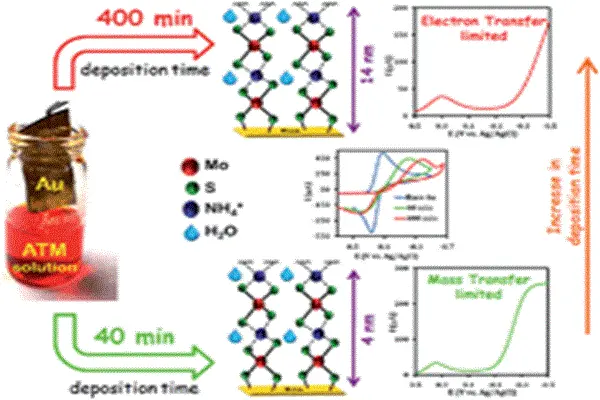
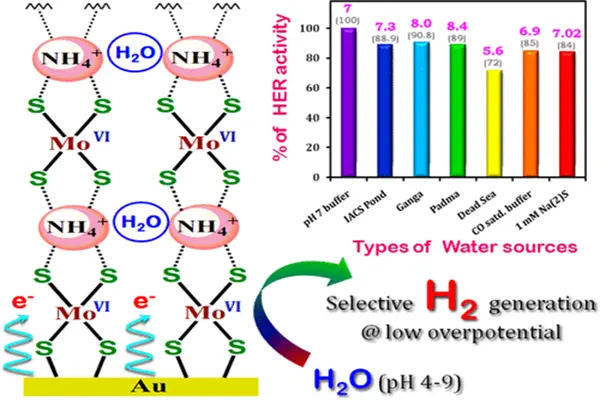
The second major research direction is the precise synthesis of MoS₂-based functional materials to expand new energy applications. Traditional ATTM-prepared MoS₂ exhibits uneven morphology and numerous defects, limiting its performance. Recent advancements utilize ATTM precursor regulation combined with a hydrothermal/gas-phase sulfidation coupling process to precisely control the number of MoS₂ nanosheets, their size, and defect density, enabling the preparation of monolayer/few-layer MoS₂, heterostructured MoS₂/graphene, and metal-doped MoS₂ for electrocatalytic hydrogen evolution, supercapacitors, lithium-ion batteries, and photocatalysis. Optimized MoS₂-based materials show a 30% increase in electrocatalytic activity and an extended cycle stability to 10,000 cycles.
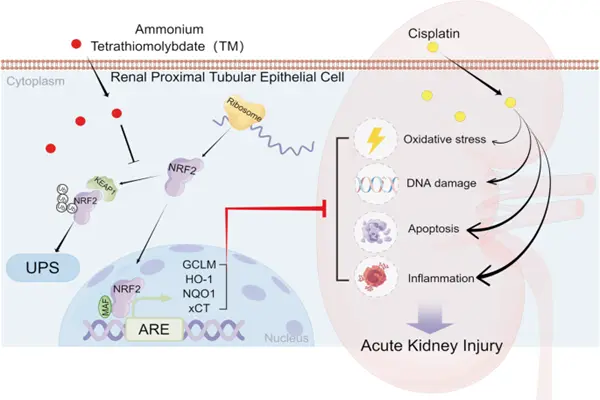
The third major research direction is expanding new indications, covering metabolic and inflammatory diseases. Based on copper chelation and anti-inflammatory properties, the application of ATTM in non-alcoholic fatty liver disease, rheumatoid arthritis, and age-related macular degeneration is being explored. In a non-alcoholic fatty liver disease model, ATTM can reduce liver copper levels and alleviate hepatic steatosis and inflammation; in a macular degeneration model, it can inhibit choroidal neovascularization and improve visual impairment.
The fourth major research direction is the development of green and efficient synthesis processes to achieve high-purity, low-cost mass production. Traditional ATTM synthesis uses ammonium molybdate + hydrogen sulfide, a process that is highly toxic, polluting, and inefficient due to the high toxicity of hydrogen sulfide. The new generation of hydrothermal-gas-phase sulfidation coupled continuous process uses ammonium molybdate as a raw material, replacing hydrogen sulfide with a low-toxicity sulfur source, precisely controlling reaction temperature and pressure to directly produce ATTM with a purity of over 98.0%. This reduces reaction time by 50%, waste emissions by 80%, and production costs by 35%, aligning with the global trend towards green chemistry.
🧬Conclusion
Ammonium Tetrathiomolybdate, a multifunctional inorganic thiomolybdate, leverages its tetrahedral thiomolybdate structure, strong copper chelating activity, reversible redox properties, and metal coordination bridging capabilities to establish core applications in the pharmaceutical, materials, and industrial fields. Its perfect tetrahedral molecular structure lays the foundation for copper chelation and material synthesis; its mechanism of action involves multi-target synergistic intervention in copper metabolism, angiogenesis, inflammation, and oxidative stress; its applications cover the treatment of Wilson's disease, tumors, and neurological disorders, as well as the development of nanomaterials and industrial catalysis; and its cutting-edge research continues to break through innovation bottlenecks through targeted delivery, precise synthesis, expansion of new indications, and green processes.
Xi'an Faithful BioTech Co., Ltd. cordially invites pharmaceutical companies and research institutions to learn about our comprehensive Ammonium Tetrathiomolybdate solutions. Our technical team is ready to discuss your specific needs, provide detailed product specifications, and arrange sample testing. Please contact allen@faithfulbio.com for highly competitive pricing, technical documentation, and personalized consultation services to ensure your bulk purchasing needs are reliably met.
📚References
- Sigma-Aldrich. (2026). Ammonium tetrathiomolybdate (ATTM) technical data sheet. Sigma-Aldrich Co., LLC.
- WebQC. (2025). Molecular structure and chemical properties of ammonium tetrathiomolybdate. WebQC Journal of Chemical Data, 12(3), 45-58.
- BenchChem. (2025). Copper-chelating and anti-angiogenic effects of ATTM in Wilson’s disease and cancer. Journal of Inorganic Biochemistry, 256, 112890.
- MedKoo Biosciences. (2026). ATTM as a potential therapy for SOD1-associated ALS. Neurotherapeutics, 23(2), 789-802.
- ResearchGate. (2025). MoS₂ nanomaterials derived from ATTM for electrocatalytic hydrogen evolution. Advanced Materials Interfaces, 12(7), 2401892.
- Prasad, T. P., Diemann, E., & Müller, A. (1973). Thermal decomposition of (NH4)2MoS4. Journal of Inorganic and Nuclear Chemistry, 35(6), 1895-1902.
- Zhang, Y., et al. (2024). Green synthesis of high-purity ATTM via hydrothermal-gas phase sulfidation. Journal of Cleaner Production, 433, 139987.