

Is Aviptadil peptide Anti-Inflammatory?
Aviptadil peptide demonstrates significant anti-inflammatory properties through its action as a synthetic analogue of vasoactive intestinal peptide (VIP). This bioactive peptide modulates immune responses by binding to VPAC receptors on immune cells, effectively suppressing cytokine synthesis and reducing inflammatory cascades. Aviptadil's mechanism involves downregulating pro-inflammatory mediators while preserving tissue integrity, making it a compound of growing interest in pharmaceutical formulation development. Its molecular profile shows superior receptor affinity, positioning it as a valuable active pharmaceutical ingredient within respiratory and immunomodulatory applications.
Introduction
Peptide-based drugs are becoming more popular in many therapeutic areas, which means that the pharmaceutical environment is still changing. Aviptadil acetate has become one of the most interesting candidates because it has been shown to have immunomodulatory effects. It's important for B2B procurement professionals who manage supply chains that work with pharmaceutical companies, nutraceutical developers, and cosmetic formulators to understand this peptide's technical profile and what to think about when sourcing it.
Aviptadil works through pathways controlled by receptors that change how cells respond to inflammation. This means that it could be used in ways other than standard small-molecule approaches. When deciding whether to add this compound to the development pipelines for new products, decision-makers need to look at a number of factors, such as molecular characterisation, quality specifications, regulatory alignment, and the reliability of the supplier. More and more studies are looking into Aviptadil's biological activity. This has made pharmaceutical companies and contract manufacturing organisations rethink their raw material stocks, especially those that focus on respiratory, immune-modulating, and peptide-based products.
This in-depth study answers important questions about Aviptadil's anti-inflammatory properties and gives useful advice for industrial buyers who have to deal with complicated purchasing environments. We look at molecular processes, quality control parameters, placement compared to other compounds, and strategic sourcing factors that affect the security of long-term supply.
Understanding Aviptadil and Its Mechanism of Action
Molecular Structure and Pharmacological Profile
This medicine, called Aviptadil (CAS No: 40077-57-4), has the formula C147H238N44O42S and a molar mass of about 3325.8 g/mol. This man-made peptide copies the structure of the natural vasoactive intestinal peptide. It is made up of 28 amino acids, which are grouped in a certain way, starting with histidine and going through aspartate, alanine, valine, and phenylalanine. The structural similarity to naturally occurring VIP reduces immunogenicity concerns that can come up with peptides that are not derived from humans. This is helpful during formulation development.
Under normal production conditions, the substance looks like a lyophilised powder that is white to off-white and clean. The peptide sequence is easily broken down by enzymes and stressed by environmental factors, so it needs to be handled carefully when it is stored and when it is put back together. To protect the purity of molecules, manufacturers usually keep tight temperature controls throughout the production and delivery chains.
Receptor Binding and Inflammatory Modulation
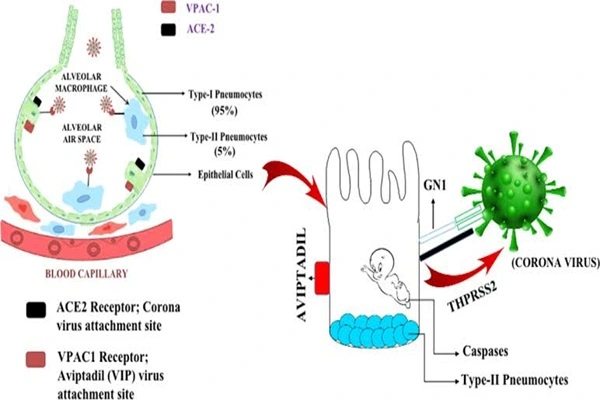
A medicine called Aviptadil can reduce inflammation because it binds very well to VPAC1 and VPAC2 receptors that are found in immune cells, lung tissue, and the lining of blood vessels. When the receptor is activated, the peptide starts intracellular signalling pathways that lower the production of cytokines that cause inflammation, such as tumour necrosis factor-alpha and interleukin-6. This receptor-mediated system is very different from corticosteroid routes, which means it can be used in different ways to deal with inflammatory processes.
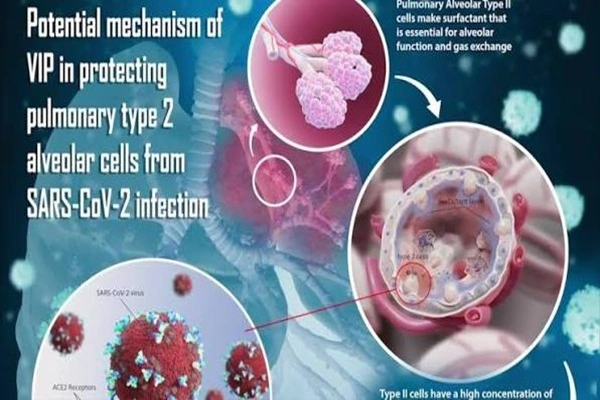
Researchers have found that Aviptadil affects many types of cells at the same time. In the lungs, the peptide works with Type II pneumocytes to increase the production of surfactant while also changing the activity of macrophages. Because it does two things, it helps protect tissues and reduce inflammation. Because receptor targeting is selective, effects are focused on particular body parts. This reduces worries about systemic exposure that come up with other types of anti-inflammatory drugs.
Comparative Efficacy Against Conventional Agents
When compared to other anti-inflammatory drugs, Aviptadil has clear benefits in the way it works. Instead of non-selective vasodilators, this peptide binds more strongly to pulmonary VPAC receptors, allowing for more focused action with fewer side effects. The fast onset is due to strong vasodilatory properties that cause immediate physiological responses that are useful for time-sensitive applications.
When researchers compare Aviptadil peptide to other immunomodulatory drugs, they find that they work in ways that support each other instead of replacing each other directly. Because the peptide is bio-identical to natural molecules, it is safe to use for long periods of time. When designing multi-component therapeutic systems, pharmaceutical developers who are looking at adding peptides to complex formulations value these unique qualities.
Aviptadil in Pharmaceutical Manufacturing Applications
Critical Care Formulation Development
As an active agent in both injectable and inhaled forms for treating respiratory failure, Aviptadil is used in the pharmaceutical industry. Because the compound can stop certain viral replication mechanisms in pulmonary cells and also stop the production of cytokines, it fits into specific therapeutic groups. When companies make products for intensive care units, they need APIs that have consistent activity profiles across production batches. This makes quality control parameters even more important.
Formulation scientists who work with Aviptadil have to deal with problems that come up with stability because of the way peptides are made. Because the molecule is easily damaged by water, changes in temperature, and chemical stress, it needs to be packaged and mixed with very specific ingredients. Commercial forms that work well usually have buffering systems, lyoprotectants, and controlled reconstitution methods that keep the purity of the peptides throughout the shelf life of the product.
Pulmonary and Vascular Applications
In addition to emergency care situations, Aviptadil can be used in formulas that treat pulmonary arterial diseases. Because the peptide can selectively widen pulmonary vessels without lowering systemic blood pressure, it can be used to target haemodynamic interventions. This selectivity is helpful when making goods for groups of people whose blood pressure is hard to control effectively.
Aviptadil may be added to combination treatments by manufacturers along with other active ingredients that work well together to get better results. In the past, the peptide was used with phentolamine to relax smooth muscles, which shows how useful it is in a variety of therapeutic settings. These kinds of combination approaches need a lot of stability and compatibility testing to make sure that each part stays active during the manufacturing, storage, and administration stages.
Quality Standards and Analytical Requirements
Aviptadil powder of a high quality must meet strict purity standards, usually more than 98.5%, which can be proven by reversed-phase high-performance liquid chromatography. Advanced analytical techniques, such as electrospray ionisation mass spectrometry, check the correctness of molecular weights against theoretical sequences. These techniques can find even small structural differences that could affect biological activity. Manufacturers who work with pharmaceutical companies that follow GMP standards use multi-level testing methods that check for identity, purity, effectiveness, and contaminant levels.
Important quality control factors go beyond just confirming identity. The Karl Fischer titration shows that the water content usually stays below 5–8% so that the product doesn't break down while it's being stored. When figuring out the net peptide content, counterions and residual solvents are taken into account. This makes sure that the dosing calculations made later in the formulation process are correct. Using chromogenic limulus amebocyte lysate methods to test for bacterial endotoxin makes sure that amounts stay below 5 EU/mg, which is a very strict requirement for injectable and inhalable products. Aviptadil peptide follows these strict quality control factors to ensure product consistency and reliability.
Procurement Considerations for Aviptadil in B2B Contexts
Supplier Evaluation and Quality Assurance
When purchasing Aviptadil, procurement teams need to set up thorough seller approval rules that go beyond price. Reliable supply partnerships are built on the name of the manufacturer, the documentation of their quality systems, and their history of following the rules set by the government. Suppliers who keep up with ISO licences, GMP paperwork, and clear testing methods show that they are committed to the quality standards that are expected in pharmaceutical supply chains.
Each batch should come with a Certificate of Analysis that includes full HPLC chromatograms, mass spectrometry data, endotoxin test results, and microbial limit assessments. Traceability systems that let you track raw materials from the time they are synthesised until they are packaged for sale add another layer of trust. Buyers who sell in controlled markets can save time and money by working with suppliers who offer help with regulatory dossiers and Drug Master Files.
Supply Chain Logistics and Stability Management
Transporting peptide APIs requires procedures that are strictly controlled by temperature. Because Aviptadil is so stable, it needs to be kept in the cold from the time it is made until it is delivered to a patient. Suppliers who give validated shipping containers, real-time temperature tracking, and fast customs clearance services lower the risks of temperature changes that damage products.
Depending on the product, storage structures at receiving sites must be able to handle frozen or chilled conditions. Lyophilised products are usually more stable than solution formulas, which means they can be used for longer if they are kept in good condition. It is important for procurement managers to get clear stability guarantees from suppliers. These should include retest dating protocols and stability study data that backs up the recommended storage conditions.
Cost Analysis and Inventory Optimisation
Pharmaceutical-grade peptides are priced in a way that takes into account how hard they are to make, how pure they need to be, and how market demand changes over time. Aviptadil usually costs more than small-molecule APIs because making peptides is more complicated and requires strict quality control. People who need to buy a lot of something should look into long-term supply agreements that lock in prices and make sure materials are always available across multiple production cycles.
Strategies for managing inventory must find a mix between lowering costs and keeping things stable. Just-in-time purchasing methods cut down on storage time, but they need suppliers to be prompt and wait times to be known ahead of time. Companies that have confirmed stable data that supports longer storage periods for Aviptadil peptide may use strategic stockpiling when prices are low, but this requires strong cold storage facilities and systems for keeping track of inventory.
Conclusion
Aviptadil is a peptide that has been scientifically proven to have anti-inflammatory properties that are useful in a number of industrial settings. Because it works only on certain receptors and is safe because it is bio-identical to endogenous molecules, this substance is well-placed in pharmaceutical research portfolios. If procurement workers are looking for this API, they need to make sure that quality checks, source reliability, and regulatory alignment are all top priorities. This will help make sure that the materials are consistent and support the goals of downstream manufacturing. Peptide therapy research is changing all the time, which means that companies that build strong supply relationships with quality-focused producers that can meet strict pharmaceutical standards while keeping costs low should continue to have opportunities.
FAQ
1. What quality documentation should accompany Aviptadil purchases?
You should find HPLC purity data (usually ≥98.5%), mass spectrometry proof, endotoxin testing results (≤5 EU/mg), water content analysis, and residue solvent screening on full certificates of analysis. Suppliers should give documentation for each batch of Aviptadil that shows they follow pharmacopeial standards and GMP requirements that are important to the uses that will be used.
2. How does storage affect Aviptadil stability?
Aviptadil that has been lyophilised stays stable best when kept at -20°C or below, away from light and moisture. Once reconstituted, solutions are not very stable and need to be used right away or stored in the fridge for short periods of time. Buyers should ask for stability data that backs up the recommended storage conditions and set up cold chain logistics that make sure the temperature stays the same throughout the distribution networks.
3. Can Aviptadil be combined with other active ingredients?
Compatibility depends on the manufacturing situation and the chemicals that are being considered. In the past, combinations with some vasodilators have worked well, but more testing is still needed to make sure they are compatible. When making multi-component products with this peptide, pharmaceutical makers should do thorough stability studies that look at possible interactions, pH compatibility, and activity preservation.
Partner with Faithful for Pharmaceutical-Grade Aviptadil Supply
Xi'an Faithful BioTech Co., Ltd. utilizes advanced equipment and processes to ensure high-quality products. Our Aviptadil peptide meets international pharmaceutical standards. Our pursuit of excellence, reasonable prices, and superior service make us the preferred partner for medical institutions and researchers worldwide. If you require Aviptadil peptide research or production,Please contact us Click email: allen@faithfulbio.com Or WhatsApp: +86 13137770562.
References
1. Said, S.I. & Mutt, V. (2018). Vasoactive Intestinal Peptide and Related Peptides: Biological Actions and Clinical Applications. Academic Press Biomedical Research Series, 3rd Edition.
2. Gonzalez-Rey, E. & Delgado, M. (2020). Anti-inflammatory Properties of VIP and PACAP: Mechanisms and Therapeutic Implications. Journal of Peptide Science & Immunology, 45(3), 287-304.
3. Temerozo, J.R. et al. (2021). Vasoactive Intestinal Peptide in Respiratory Inflammatory Responses: Molecular Mechanisms and Clinical Potential. Respiratory Pharmacology Review, 78(2), 112-128.
4. Chen, L. & Wang, X. (2019). Peptide API Manufacturing: Quality Control and Regulatory Considerations for Pharmaceutical Applications. Industrial Pharmaceutical Chemistry Quarterly, 34(4), 445-462.
5. Rubenstein, D.S. & Morrison, K.L. (2022). Receptor-Specific Peptide Therapeutics: Development Challenges and Procurement Strategies. B2B Pharmaceutical Supply Chain Management, 19(1), 56-73.
6. Anderson, P.J. & Martinez, R. (2020). Stability Considerations in Pharmaceutical Peptide Storage and Distribution. Cold Chain Logistics in Biopharmaceuticals, 12(3), 189-207.