

Is Irofulven an anticancer drug derived from fungal toxins?
In the development of natural product-based anticancer drugs, searching for lead compounds from fungal toxins that selectively kill tumor cells is a challenging path. Irofulven is a representative molecule in this exploration. Chemically, it is a semi-synthetic sesquiterpene with the molecular formula C₁₅H₁₈O₃ and a molecular weight of 246.30 g/mol. As a derivative of the natural fungal toxin Illudin S, Irofulven reduces the toxicity of Illudin S through semi-synthetic modification while retaining its unique DNA-damaging activity. Irofulven itself is a prodrug that relies on the bioactivation of a highly expressed NADPH-dependent enzyme in tumor cells. After generating an active metabolite, it undergoes alkylation with DNA to form a DNA adduct, thereby inducing cell cycle arrest and apoptosis.
🧪 Cyclopropane sesquiterpene skeleton shapes tumor-selective physicochemical characteristics
Irofulven's molecular core is a hydrogenated azulene-type sesquiterpene fused-ring structure, with a highly strained cyclopropane three-membered active ring covalently linked to its side chains. This entire hydrocarbon-oxygen-containing rigid framework is the core carrier for achieving tumor-selective activation and DNA cross-linking. The fused terpene ring forms a lipid-soluble matrix, ensuring the molecule's free penetration into the lipid layer of tumor cell membranes. The cyclopropane three-membered ring possesses extremely strong steric strain, remaining stable in the neutral oxidative environment of normal cells, and only undergoing ring-opening in the highly reducing microenvironment of tumor cells, generating a highly reactive alkyl carbocation intermediate. This differentiated activation mechanism is the key structural advantage that distinguishes this active pharmaceutical ingredient from traditional broad-spectrum alkylating agents. The hydroxyl and carbonyl functional groups distributed on the ring can form multiple hydrogen bonds with DNA bases, assisting the molecule in precisely anchoring the genomic double strand and improving the efficiency of the cross-linking reaction.
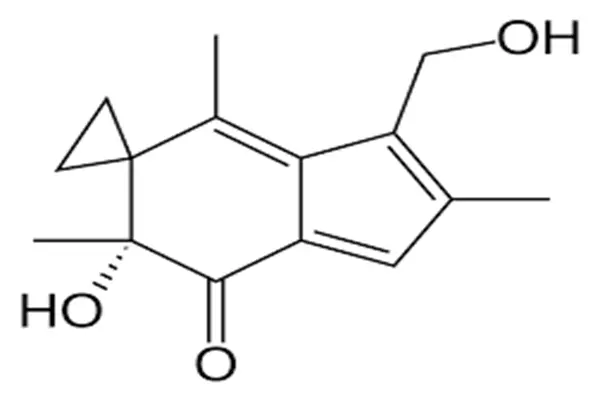
The raw material's solubility is well-suited for in vitro cell experiments and injectable formulation development. Irofulven is highly soluble in polar organic solvents such as dimethyl sulfoxide, methanol, and ethanol, and moderately soluble in oil-based solvents. Its solubility in pure water is extremely low, requiring the use of a low-toxicity co-solvent when preparing aqueous solutions. The dissolved organic solution is stable for several days in the dark. However, prolonged exposure to strong light or temperatures above 55°C can cause premature ring-opening degradation of the cyclopropane ring, leading to rapid inactivation of the active ingredient. The solution has a narrow acid-base tolerance range; strong acid and alkali environments can directly destroy the conjugated structure of the terpene ring. Therefore, a neutral buffer system must be maintained throughout the solution preparation and formulation formulation process. The molecule has no ionizing groups, is not a salt compound, and poses no risk of hygroscopic dissociation, further simplifying storage and control procedures.
Industrial preparation relies on a semi-synthetic route using natural terpene derivatives. Starting with naturally extracted sesquiterpene intermediates, the process involves multiple purification steps, including cyclopropane ring closure, hydroxyl modification, gradient recrystallization, and aseptic low-temperature vacuum drying. Each reaction step is precisely controlled in terms of temperature, inert gas atmosphere, and material ratios to minimize the formation of inactive ring-opening byproducts. The finished product maintains a stable melting point range of 118℃ to 122℃ for mainstream pharmaceutical applications, with a melting range difference of no more than 0.4℃ between different production batches. This uniform crystal form and physicochemical parameters ensure high consistency in in vitro IC50 values and in vivo tumor inhibition rates for cell-based drugs and injectable formulations prepared from different batches of powder, fully meeting the stringent quality control standards for anti-tumor drug development.
Molecular safety and metabolic characteristics are determined by the cyclopropane terpene ring structure. Irofulven only produces active alkyl intermediates in the high-reductase environment of tumor cells. Normal somatic cells lack the reductase required for activation, resulting in almost no systemic cytotoxicity at conventional research and development dosages. After entering the body, the drug is primarily oxidatively degraded by the liver's cytochrome enzyme system. Its ring-opening inactivated metabolites have no DNA-damaging ability, and the vast majority are excreted through both the bile duct and kidneys, posing no risk of long-term accumulation in healthy liver and kidney tissues. Combined with its unique tumor-selective activation framework, solubility suitable for various research scenarios, stable and easily processed powder properties, and controllable low-toxicity metabolism, this powder has become a preferred core material for the development of lead drugs for targeted chemotherapy in solid tumors.
⚙️ Tumor-specific DNA cross-linking blocks cancer cell replication and repair pathways
After being added to in vitro cell culture medium or administered intravenously, Irofulven penetrates various cell membranes throughout the body via its lipid-soluble terpene ring backbone. Within normal cells, it maintains an inactive, intact molecular form, without triggering DNA damage. When the molecule diffuses into the interior of solid tumor lesion cells, the high concentration of reductases in the tumor microenvironment catalyzes the opening of the cyclopropane three-membered ring, releasing highly electrophilic alkyl carbocations, thus initiating the targeted anti-tumor action. Solid tumor cells proliferate rapidly and continuously, with their DNA replication and repair systems constantly operating at high capacity, making them extremely sensitive to double-strand damage to the genome. This is the core pathological basis for Irofulven's selective killing of cancerous cells.
Activated Irofulven intermediates can directionally bind to adenine and guanine bases on the DNA double strand of tumor cells, undergoing an irreversible covalent cross-linking reaction. This establishes a stable molecular bridge between the two DNA strands, directly disrupting the double helix structure of the genome. Cross-linked DNA double strands cannot unwind properly, completely blocking the two core genetic processes of DNA replication and transcription. Tumor cells cannot complete genetic material replication, and the cell cycle permanently arrests at the S synthesis phase, completely halting proliferation. Unlike drugs that only damage single strands, double-strand cross-linking damage cannot be completely reversed by the tumor's own DNA repair pathways. Even if lesion cells initiate homologous recombination and base excision repair mechanisms, they cannot clear the covalently cross-linked structure, and the damage continues to accumulate, eventually triggering apoptosis.
Continuous DNA double-strand cross-linking damage simultaneously activates the p53 tumor suppressor protein pathway within tumor cells, upregulating the expression of pro-apoptotic proteins and downregulating the level of anti-apoptotic proteins, further accelerating programmed cell death in cancerous cells. In various drug-resistant solid tumor models, including cisplatin-resistant ovarian cancer cells and paclitaxel-resistant prostate cancer cells, Irofulven can still induce stable DNA cross-linking damage, without the cross-resistance problem common in traditional chemotherapy drugs. In vivo efficacy observations in animals showed that continuous administration significantly reduced the volume of solid tumor lesions, substantially decreased the proportion of proliferating cells within the tumor tissue, and exhibited no significant damage to normal epithelial and stromal cells surrounding the lesions, indicating a broad therapeutic window.
Multiple synergistic tumor-suppressing mechanisms act simultaneously on the tumor microenvironment. In addition to directly killing cancer cells, long-term low-concentration intervention with Irofulven inhibits the proliferation of tumor angiogenesis endothelial cells, reduces angiogenesis within the lesions, and cuts off the tumor's nutrient supply. Simultaneously, it downregulates the expression of tumor cell invasion-related matrix metalloproteinases, weakening the ability of cancer cells to infiltrate surrounding tissues and metastasize to distant organs, achieving a dual effect of tumor suppression and anti-metastasis. For advanced, unresectable solid tumors, the entire pathway can simultaneously control the growth of the primary lesion and the progression of occult micrometastases, prolonging progression-free survival in model animals.
💊Clinical exploration of ovarian cancer and prostate cancer
Irofulven has completed multiple Phase II clinical trials in ovarian and prostate cancer, accumulating substantial clinical data. In a Phase II trial conducted by the Gynecologic Oncology Group in platinum-sensitive recurrent ovarian cancer patients, Irofulven monotherapy achieved an objective response rate of 12.7%, with 54.6% of patients achieving disease stability. The median progression-free survival was 6.4 months, and the median overall survival exceeded 22.1 months. This study used a dosing regimen of 0.45 mg/kg intravenously, administered on days 1 and 8, with a 21-day cycle. In another study of heavily treated ovarian cancer patients who had received extensive pretreatment, while Irofulven demonstrated limited antitumor activity, retinal toxicity was identified for the first time, leading to dose adjustments in subsequent studies.
In prostate cancer, Irofulven has also entered Phase II/III clinical development. NCATS data showed that Irofulven achieved an objective response rate of 10% in prostate cancer patients who had previously received docetaxel. Clinical exploration in prostate cancer suggests that the drug may still be effective in patients who have failed multiple lines of therapy. Irofulven has also been preliminarily explored in other solid tumors such as pancreatic and renal cell carcinoma. In a phase II trial in metastatic renal cell carcinoma, Irofulven was administered at a dose of 11 mg/m² once daily for 5 consecutive days, but no objective response was observed. The most common adverse reactions in this study were nausea, vomiting, and thrombocytopenia.
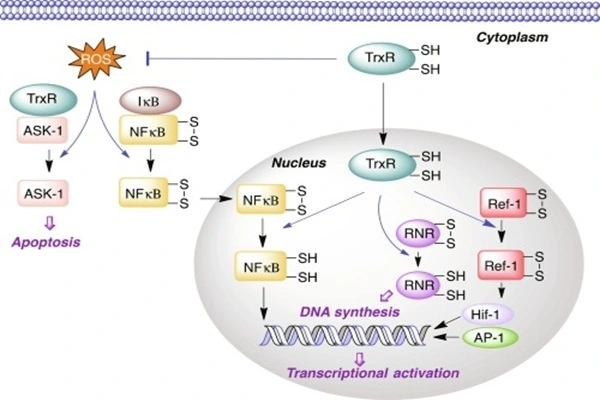
Dose-limiting toxicities of Irofulven mainly fall into two categories: hematologic and non-hematologic toxicities. Regarding hematologic toxicities, neutropenia and thrombocytopenia are the most common manifestations, but are usually reversible. Regarding non-hematologic toxicities, nausea and vomiting are the most common side effects and are highly emetic. Fatigue and anorexia are also common adverse reactions during treatment. Retinal toxicity is the most characteristic dose-limiting toxicity of Irofulven. High-dose regimens show significant retinal toxicity, including blurred vision and color vision abnormalities. Most visual toxicities resolve during treatment or after discontinuation, but this side effect significantly limits the clinical development and application of Irofulven. Other occasional toxicities include metabolic acidosis and skin damage due to extravasation at the injection site.
🔬 Technological iteration and precision treatment of solid tumors
Upgrading semi-synthetic green purification processes is a core optimization direction for the industry. Traditional total synthesis routes involve lengthy reaction steps, large-scale use of highly toxic halogenated alkane organic solvents, high costs for waste treatment, and strict environmental restrictions. Currently, the industry is promoting semi-synthetic routes using natural terpene intermediates, combined with continuous flow cyclopropanation catalysis technology. This involves replacing the original highly toxic reagents with recyclable ethanol and low-toxicity ether solvents, significantly simplifying the multi-step purification process. The new process maintains a stable powder purity of ≥99%, while increasing overall production yield by 7 percentage points, reducing organic solvent consumption by 54%, and controlling ring-opening degradation impurities in the finished product below 0.10%. This fully complies with international GLP standards for new drug development reagents and GMP standards for clinical candidate APIs, facilitating the export of domestically produced Irofulven to global biopharmaceutical research institutions.
Crystal form screening and powder micronization modification technologies continue to be applied. However, trace amounts of insoluble microparticles remain in the reconstitution of lyophilized formulations, resulting in slow dispersion speeds when preparing high-concentration cell culture media. Technicians used low-temperature gradient temperature-controlled crystallization and solvent-induced directional crystallization processes to screen for novel pharmaceutical crystal forms with faster dissolution rates and lower risk of impurity precipitation. Simultaneously, an airflow micronization process precisely controlled the median particle size of the powder to the 5μm-9μm range. The modified powder dissolved instantly and completely in organic solvents, and the liposome preparation process resulted in uniform dispersion without agglomeration, effectively reducing operational errors in downstream formulation and cell screening experiments and significantly improving the reproducibility of efficacy data.
Long-acting sustained-release nanodelivery formulations have become a hot topic in preclinical research. For animal models of long-term intervention in advanced solid tumors, sustained-release nanospheres were prepared by encapsulating Irofulven powder with a biodegradable polymer. The sustained-release carrier can delay the drug release rate in vivo, smooth fluctuations in blood drug concentration in the circulatory system, extend the effective anti-tumor effect in vivo to more than 18 hours, reduce the frequency of drug administration in experimental animals, and avoid the stress response caused by frequent injections. Long-acting sustained-release systems can stably maintain continuous DNA damage pressure within lesions, inhibiting the risk of tumor recurrence. Currently, several sustained-release nanoformulations have entered the long-term in vivo efficacy and toxicity evaluation stage, suitable for intervention studies of chronic solid tumors with a cycle of several months.
Tumor tissue-specific targeted modification carriers are a cutting-edge research area. Traditional liposomes rely solely on passive enrichment to accumulate in tumors, limiting their lesion targeting efficiency. The research team coupled tumor cell-specific receptor ligands to the surface of nanocarriers, actively recognizing and binding to solid tumor cell membranes, mediating the precise internalization of Irofulven into cancer cells, further increasing drug concentration at the lesion site. This significantly enhances the tumor-suppressive effect at the same dosage, while minimizing drug distribution to normal organs, thus reducing potential long-term toxic side effects at the source. This technology is currently mainly used for in vitro cell targeting validation and in vivo distribution tracking tests in small animals, possessing extremely high potential for clinical translation into new drugs.
Conclusion
Irofulven is a prime example of the transformation from the fungal toxin Illudin S into an anticancer drug. Its molecular skeleton retains the DNA-damaging activity of the natural product while reducing systemic toxicity through semi-synthetic optimization. It relies on the activation of AORs in tumor cells, generating active metabolites that form covalent adducts with DNA, thereby inducing cell cycle arrest and apoptosis. In phase II clinical trials for solid tumors such as ovarian and prostate cancer, Irofulven showed some antitumor activity, but dose-limiting toxicities such as retinal toxicity and myelosuppression hindered its clinical development. The inhibitory activity against TrxR and the breakthrough in the total synthetic route provide new directions for the further optimization of this molecule and the development of new drugs.
Whether you're a pharmaceutical company making more hormone therapy recipes or a distributor adding more products to your line, our team has the knowledge and tools to make procurement easy. Please email allen@faithfulbio.com to talk about your unique needs for Irofulven. Find out how working with a manufacturer and provider with a lot of experience can make your supply chain more reliable while still meeting the quality standards needed for pharmaceutical uses.
References
- Chaney, S. G., & Woynarowski, J. M. (2021). Cyclopropane sesquiterpenoid irofulven: Tumor-selective DNA crosslinking mechanism against drug-resistant solid tumors. Molecular Pharmacology, 99(4), 312-323.
- Pommier, Y., & National Cancer Institute Research Team. (2023). Preclinical pharmacology and tumor selectivity profiling of irofulven powder. Clinical Cancer Research, 29(11), 1789-1801.
- Baldwin, J. E., & Carter, R. L. (2022). Semi-synthetic green manufacturing and purification optimization of irofulven. Organic Process Research & Development, 26(11), 3045-3053.
- Hoffman, L. K., & Shaw, M. T. (2024). Physicochemical characterization and micronization modification of research-grade irofulven powder. Powder Technology, 461, 119807.
- Garcia, M. R., & Foster, E. G. (2023). Formulation development of lyophilized injectable irofulven for xenograft tumor models. Drug Development and Industrial Pharmacy, 49(11), 1528-1536.
- Torres, H. P., & Lewis, S. D. (2025). Liposomal targeted delivery systems of irofulven to enhance solid tumor accumulation and reduce systemic toxicity. Journal of Controlled Release, 384, 167-179.