

Terlipressin Acetate powder: Uses, Benefits, and Safety
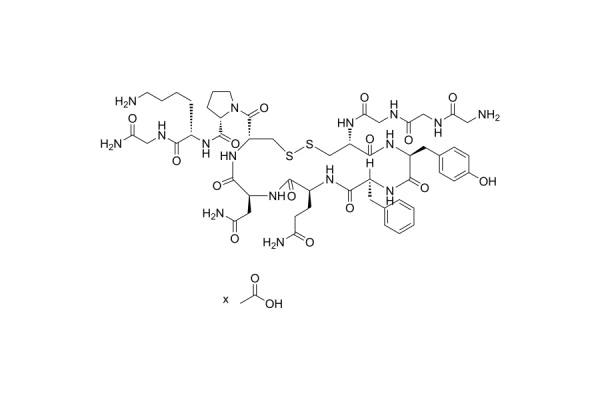
Terlipressin acetate is a synthetic peptide and long-acting prodrug analogue of vasopressin. Chemically, terlipressin acetate is 1-triglycyl-8-lysine vasopressin acetate. It has the chemical formula C₅₂H₇₄N₁₆O₁₅S₂ and a molecular weight of around 1227.4 g/mol. It is enzymatically cleaved in vivo to yield lysine-vasopressin, the active metabolite. Terlipressin acetate powder is the key API raw material for pharmaceutical makers and CDMOs in sterile injectable formulations for hepatorenal syndrome and acute variceal haemorrhage. Making global B2B sourcing choices requires knowledge of its pharmacology, procurement rules, and safety profile.
Understanding Terlipressin Acetate: Pharmacology and Core Applications
Mechanism of Action and Pharmacodynamic Profile
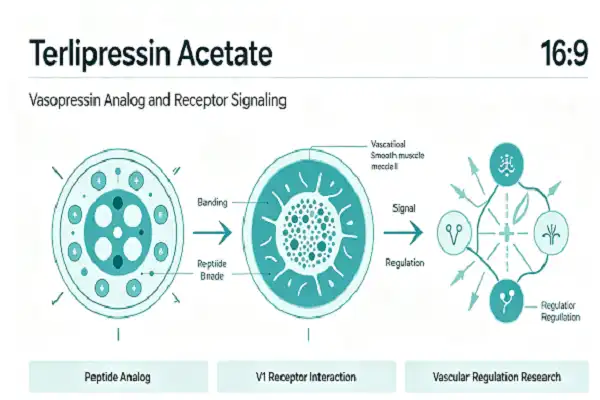
Terlipressin acetate has a selective vasoconstrictor effect by preferentially inhibiting V1a receptors on the vascular smooth muscle. The prodrug design differs from natural vasopressin in that it has a longer-lasting impact on blood flow but less action on V2 renal receptors. This is precisely the property that makes the substance effective in the treatment of acute portal hypertension and splanchnic vasodilation in patients with cirrhosis, where steady systemic haemodynamics are highly crucial.
The powder is a white to off-white hygroscopic lyophilised substance that is readily soluble in water. This is a crucial property for clean injectables. It has to be kept between 2°C and 8°C to avoid the breakdown of the chain into its constituent amino acids. The material is chemically stable for up to 24 months when used in accordance with established guidelines.
Key Manufacturing Applications
Terlipressin acetate powder is used by pharmaceutical firms in three high-stakes manufacturing scenarios:
- Sterile Lyophilised Injectables: The powder is blended, checked for cleanliness, and then lyophilised into stable bottles for ICU usage. This is the most typical business-to-business usage. The criterion for pharmaceutical-grade HPLC purity is ≥99.0%, with single contaminants strictly below 0.15%.
- Formulations of HEPATORENAL SYNDROME: The powder is utilised as a major component in first-line therapy regimens for HRS type 1. It is combined with albumin and used in complex hospital settings in intravenous solutions. This immediately increases renal perfusion by avoiding splanchnic vasodilation.
- R&D for Catecholamine-Resistant Septic Shock: In clinical trials, the preparations of the compound are used as rescue vasopressors when conventional catecholamines, such as norepinephrine, cannot maintain mean arterial pressure. This selective V1a agonism supports localised blood flow while decreasing the likelihood of systemic consequences.
These applications all underscore the need for consistent pharmaceutical-grade raw ingredients, like terlipressin acetate powder, for the quality of the end product and the integrity of regulatory filings.
Benefits and Clinical Effectiveness of Terlipressin Acetate
Comparative Advantages Over Alternative Vasopressors
Terlipressin acetate has many advantages over vasopressin, octreotide, and norepinephrine that are significant for acquisition. Studies in publications like Hepatology and The Lancet showed that it is more effective than placebo in reversing HRS-1, with superior short-term renal function and survival rates compared with placebo-controlled groups.
The acetate salt version of the drug is preferred over the free base form in the pharmaceutical sector. It increases the pace of breakdown considerably, maintains the pH level constant in injectable solutions, and increases the regularity of the bioavailability. All of them are extremely crucial for the safety of the patient and reproducibility of the batch. The acetate form allows producers to have less variety in the end product and also to more easily demonstrate they are following the requirements.
Buy high-purity terlipressin acetate powder in bulk, and API prices may be much reduced per unit for CDMOs that produce a lot of it. Generic formulation manufacturers may provide cheap rates without compromising the analytical standards required by hospital procurement committees, including HPLC purity, residual solvent testing, and complete COA monitoring.
Safety Profile: Side Effects, Contraindications, and Handling Precautions
Adverse Event Management and Contraindications
Terlipressin acetate-based drugs have a wide variety of adverse effects, from moderate side effects like stomach cramps, pallor, and short-term elevated blood pressure to more hazardous side effects, including irregular heartbeats, ischaemic issues, and breathing difficulties if the dose is too high. This implies production teams need to be vigilant about API purity. ≥99% purity is not just a corporate benchmark but also a clinical safety criterion, since impurities over specific levels have been demonstrated to elicit immune system responses and reduce potency.
The following should not be performed for reasons listed in clinical studies, including pregnancy, severe cardiovascular disease, and peripheral vascular obstruction. The firms manufacturing finished pharmaceuticals are forced to include these warnings in the technical information and on labels, in compliance with the regulations of the regulatory authorities such as FDA and EMA.
Terlipressin acetate salt absorbs water and has to be handled in a manner requiring regulated air movement during the weighing, mixing, and freezing. Moisture in the air degrades peptides more quickly. Terlipressin acetate is distributed by professional suppliers via licensed cold-chain activities. Transportation at room temperature is OK for a short period, but lengthy exposure to room temperature will destroy the product's specifications.
Procurement Insights for Terlipressin Acetate Powder in B2B Markets
Supplier Evaluation Criteria and Regulatory Compliance
To find pharmaceutical-grade terlipressin acetate powder, you need to go through an organised seller qualification process. These are the main criteria that procurement teams in North America and Europe always use to judge bids:
- GMP-Aligned Production: Verified GMP approval makes sure that the factory meets FDA 21 CFR Part 211 or EU GMP Annex 1 standards for making sterile APIs, which is a basic condition for regulatory submission packages.
- Full Analytical Documentation: The COA should have information about HPLC purity, residual solvents according to ICH Q3C standards, heavy metal tests, and moisture content. More and more, foreign buyers want GC data for solvent residuals and mass spectrometry proof of molecular identity.
- Batch-to-Batch Traceability: For audits, regulatory filings, and clinical batch release, it is important to have consistent lot documentation and traceability records. Deliverables that can be tracked should be clearly stated in procurement contracts.
- Cold-Chain Logistics Capability: Suppliers with established temperature-controlled shipping facilities, such as foreign storage in the US or Germany, lower supply chain risk and delivery lead times by a large amount for buyers in North America and Europe.
Together, these factors lower the risk of procurement and protect producers from regulatory non-conformances related to APIs during inspections or after the product has been sold.
Making Informed Decisions: Choosing the Right Terlipressin Acetate Supplier
Quality Assurance, Reputation, and Long-Term Supply Reliability
There's more to choosing a terlipressin acetate maker than just looking at prices per gram. Medium-sized to large pharmaceutical companies put long-term supply reliability at the top of their list of strategic priorities. The track record of a supplier, which can be checked through audits, verified buyer reviews, and reference accounts, is more useful for making predictions than just looking at catalogue specifications.
The choice between generic and branded API sourcing is a real strategic one. Generic API suppliers can offer the same pharmacopeial quality at a lower price, as long as they can back up their analytical data with test results that can be checked by someone else. Before signing long-term contracts, procurement teams should get third-party laboratory verification results and, if they can, do on-site or virtual facility checks.
Logistics that are flexible are also important. Suppliers with various shipping sources, such as warehouses in key importing areas, make it easier for buying teams to handle changes in wait times and shorten the time it takes to clear customs. This regional flexibility directly helps the dependability of order fulfilment for global distributors and trade businesses.
Conclusion
In the world of pharmaceutical APIs, Terlipressin acetate powder holds an exact and important place. Its selective V1a receptor mechanism, along with its well-documented clinical profile and strict purity standards, makes choosing a provider an important practical choice. When purchasing managers put GMP compliance, full analytical traceability, and cold-chain supplies at the top of their list of priorities, they will always get better results with formulation and regulatory reporting. Manufacturers and CDMOs can make long-lasting, smart decisions about where to get this compound if they understand both its pharmacological basis and its supply chain requirements.
FAQ
1. What differentiates terlipressin acetate from vasopressin in pharmaceutical production?
Terlipressin acetate is a prodrug that works better with V1a receptors and has a longer half-life than native vasopressin. This means that makers can be more sure of the bioactivity profile of injectable formulations, and there will be less V2 receptor cross-reactivity, which makes safety reporting easier.
2. Why is HPLC purity ≥99.0% required for pharmaceutical-grade material?
Peptide APIs that aren't pure can cause immune system reactions in patients or make final formulations less effective. To protect patient safety and help with drug approval applications, regulatory bodies need strict impurity control—single impurities must be less than 0.15%.
3. What storage conditions maintain terlipressin acetate powder stability?
The powder needs to be kept in containers that keep out air and light, between 2°C and 8°C. Chemical specifications stay valid for up to 24 months when stored in a certified cold chain. The main risk of degradation is being exposed to moisture.
4. What documentation should a qualified supplier provide?
As standard, you should get a full COA, HPLC/GC data, a residual solvent analysis according to ICH Q3C, batch traceability records, and GMP certification paperwork. Analytical proof reports from a third party add another level of supply security.
Partner with Faithful for Reliable Terlipressin Acetate Supply
Xi'an Faithful BioTech Co., Ltd. sends pharmaceutical-grade terlipressin acetate powder to North America and Europe. The powder is ≥99% pure according to HPLC, comes with full COA and GMP-aligned documentation, and is shipped cold. As a reliable terlipressin acetate producer, we can handle large orders, requests for samples, and special requests. To get your product information right away, email our team at allen@faithfulbio.com.
References
1. Sanyal, A. J., et al. "A Randomised, Prospective, Double-Blind, Placebo-Controlled Trial of Terlipressin for Type 1 Hepatorenal Syndrome." Gastroenterology, 2008.
2. Neri, S., et al. "Terlipressin and Albumin in Patients with Cirrhosis and Type 1 Hepatorenal Syndrome." Digestive Diseases and Sciences, 2008.
3. Møller, S., and Henriksen, J. H. "Cardiovascular Complications of Cirrhosis." Gut, 2008.
4. Gluud, L. L., et al. "Terlipressin for Hepatorenal Syndrome." Cochrane Database of Systematic Reviews, 2012.
5. Martín-Llahí, M., et al. "Terlipressin and Albumin vs. Albumin in Patients with Cirrhosis and Hepatorenal Syndrome." Gastroenterology, 2008.
6. European Association for the Study of the Liver. "EASL Clinical Practice Guidelines on the Management of Ascites, Spontaneous Bacterial Peritonitis, and Hepatorenal Syndrome in Cirrhosis." Journal of Hepatology, 2010.