
The "Oral Dream" of Growth Hormone: Is Actamoren a game-changer or an unfinished chapter?
In the history of human endocrine therapy, the treatment of growth hormone deficiency was long hampered by a single injection. Since the advent of recombinant human growth hormone in 1985, patients have had to endure the inconvenience of daily injections—this invasive method of administration not only causes pain and inconvenience but also severely impacts treatment adherence in children. Therefore, finding a "small molecule drug" that can be taken orally, safely, and effectively stimulate the body's own growth hormone secretion has been a decades-long dream of the pharmaceutical industry.
Acetamoren, a molecule with the chemical name MK-677, is the embodiment of this dream. Developed in the 1990s, it was the first truly orally bioavailable non-peptide growth hormone secretagogue. Unlike recombinant growth hormone, which requires injection, Acetamoren cleverly "awakens" the body's own growth hormone secretion mechanism by mimicking the action of the starvation hormone ghrelin. This characteristic made it highly anticipated from its inception—it might transform growth hormone therapy from "one injection a day" to "one tablet a day."
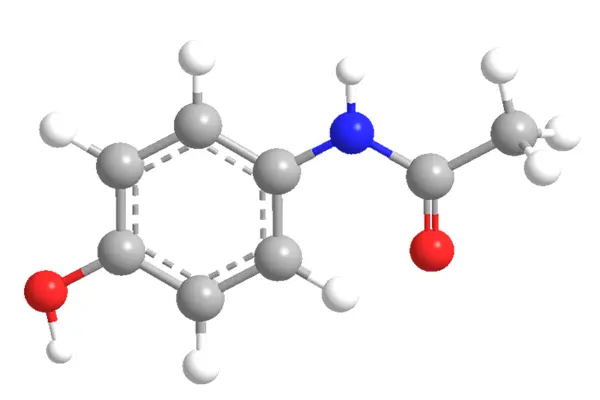
Chemical Wisdom in Spirocyclic Skeletons and the Challenges of Active Pharmaceutical Ingredients
From a chemical structural perspective, the core framework of Actamoren is a spirocyclic structure, where an indole ring is linked to a piperidine ring via a spirocarbon atom, forming a unique three-dimensional configuration. This spirocyclic framework endows the molecule with good conformational rigidity, enabling it to precisely bind to the hydrophobic pocket of the growth hormone secretagogue receptor. The nitrogen atom on the piperidine ring is connected to a "tail chain" via an amide bond—this chain segment composed of amino acid derivatives cleverly mimics the key motif for receptor binding in the ghrelin molecule.
The most striking design element of the molecule lies in the terminal tert-butyl and acetamino groups. These two structural units together form a "hydrophobic anchor," embedding themselves deep within the hydrophobic cavity of the receptor during binding, forming a stable hydrophobic interaction. The methanesulfonyl indole ring at the other end of the molecule further enhances the binding affinity by forming π-π stacking with aromatic amino acids in the receptor.
Acetamoren's core chemical advantage lies in its oral bioavailability. Unlike previous growth hormone secretagogues, Acetamoren does not contain peptide bonds that are easily hydrolyzed by proteases. Its amide bond structure is carefully designed—both sides of the amide bond connecting the piperidine ring and the tail chain have significant steric hindrance, making it difficult for proteases in the gastrointestinal tract to recognize and cleave it.
Furthermoren's molecular weight falls within the "golden window" for oral absorption of small molecule drugs. Its moderate lipid solubility allows it to penetrate the lipid bilayer of intestinal epithelial cells without excessively rapid metabolism or a large volume of distribution. This "just right" physicochemical property enables Acetamoren to achieve a bioavailability of approximately 60-80% after oral administration—an excellent figure for oral medications.

The Unfinished Journey from Growth Hormone Deficiency to Sarcopenia
The earliest indication for Acetamoren was studied for growth hormone deficiency. Growth hormone deficiency is a disease that affects growth and development in children and metabolic health in adults—in childhood, it leads to short stature and growth retardation; in adulthood, it is closely associated with reduced muscle mass, fat accumulation, decreased bone density, fatigue, and a lower quality of life.
Since the introduction of recombinant human growth hormone in 1985, the treatment of growth hormone deficiency has primarily relied on daily subcutaneous injections. This administration method presents several challenges: for children, the pain and fear associated with daily injections often lead to decreased treatment adherence; for adults, the inconvenience of long-term injections also impacts their quality of life. The advent of Acetamoren offers a possible "oral alternative" to this predicament.
Multiple clinical trials have confirmed the efficacy of Acetamoren in patients with growth hormone deficiency. A 12-month phase II clinical trial showed that once-daily oral administration of Actamoren increased serum IGF-1 levels in adult patients with growth hormone deficiency from approximately 80 ng/mL at baseline to 200-250 ng/mL, an increase comparable to that of daily injections of recombinant growth hormone. More importantly, this increase was sustained—IGF-1 levels remained within the normal range throughout the treatment period, rather than exhibiting the "peak-trough" fluctuations common with injection therapy.
Acetamoren also showed great potential in children with growth hormone deficiency. A clinical trial involving 56 pre-pubertal children demonstrated that after 12 months of daily oral Actamoren treatment, the annualized growth rate increased from 4.2 cm/year at baseline to 7.8 cm/year, approaching the 8.1 cm/year in the recombinant growth hormone treatment group. This data is encouraging—it demonstrates for the first time that oral small-molecule drugs can achieve efficacy similar to injections of growth hormone in children's growth and development.
However, despite positive efficacy data, Acetamoren's clinical development for growth hormone deficiency ultimately did not advance to the market launch stage. The reasons behind this are multifaceted: firstly, regulatory agencies had concerns about the safety of long-term use of this type of drug, especially in pediatric patients; secondly, Acetamoren's appetite-stimulating effect could lead to unnecessary weight gain, requiring careful consideration in patients with growth hormone deficiency.
Cachexia is a complex metabolic syndrome associated with chronic disease, characterized by progressive wasting of muscle and adipose tissue that cannot be completely reversed by conventional nutritional support. Statistics show that approximately 20-30% of cancer patients ultimately die from cachexia rather than the tumor itself; this condition is often referred to as "the death knell for cancer patients."
Acetamoren's dual effects of stimulating appetite and promoting anabolic metabolism make it a theoretical candidate drug for treating cachexia. In a phase II clinical trial of cancer cachexia patients, the Acetamoren treatment group experienced significantly less weight loss than the placebo group, with some patients even achieving weight gain. Furthermore, the quality of life scores of the treatment group were also better than those of the control group.
However, Acetamoren's "double-edged sword" nature is also evident in these patients. While its appetite-stimulating effect helps improve nutritional status, excessive appetite stimulation may impose a metabolic burden on some types of cancer patients. In addition, ghrelin receptor activation may affect tumor biology through multiple pathways—some studies suggest that ghrelin signaling may be involved in tumor proliferation and metastasis—which necessitates extreme caution when using Acetamoren in cancer patients.
Mechanism of action – mimicking the “molecular dialogue” of hunger hormones
To understand the mechanism of action of Acetamoren, it's essential to first understand the regulatory network of growth hormone secretion. Growth hormone secretion is not constant but occurs in a "pulsatile" pattern, with approximately 10-15 secretion peaks daily, the largest occurring during deep sleep at night.
This complex secretion pattern is regulated by three forces: growth hormone-releasing hormone (GHRH) secreted by the hypothalamus acts as an "accelerator," stimulating the anterior pituitary gland to synthesize and release growth hormone; somatostatin acts as a "brake," inhibiting growth hormone secretion; and ghrelin—the "hunger hormone" primarily secreted by the gastric mucosa—is the third force. It directly stimulates the pituitary gland to secrete growth hormone, indirectly enhances the effects of GHRH, and also crosses the blood-brain barrier to regulate appetite and energy metabolism.
Once in the bloodstream, growth hormone primarily acts on target organs such as the liver, stimulating the production of insulin-like growth factor-1 (IGF-1). IGF-1 is the "executor" of most of growth hormone's biological effects—mediating its growth-promoting effects on bone, muscle, and cartilage, while simultaneously inhibiting pituitary growth hormone secretion through negative feedback, forming a complete regulatory loop.
From a mechanism of action perspective, Acetamoren and recombinant growth hormone (rGH) therapy differ fundamentally.
Recombinant growth hormone is a "replacement therapy," supplementing growth hormone exogenously to compensate for insufficient endogenous secretion. While effective, this approach disrupts the "closed-loop feedback" of endocrine regulation: exogenous growth hormone inhibits endogenous growth hormone secretion, further weakening the pituitary gland's ability to regulate its own secretion.
In contrast, Acetamoren is a "secretion-stimulating therapy," activating receptors to encourage the body to "secrete" its own growth hormone. The advantage of this approach is that it preserves the physiological rhythm of growth hormone secretion and does not completely suppress endogenous pituitary function. In animal studies using Acetamoren, growth hormone secretion returned to pre-treatment levels after discontinuation of administration, and no irreversible pituitary suppression was observed.
However, "secretion-stimulating therapy" also has its limitations. The efficacy of Acetamoren depends on the integrity of the patient's own pituitary function—for patients with growth hormone deficiency due to pituitary damage, Acetamoren may have limited or no effect.
Old APIs, New Applications: From Metabolic Repair to Neuroprotection and Formulation Innovation
Another research direction for Acetamoren is exploring its combined application with other hormone modulators. Regulation of the growth hormone-IGF-1 axis involves the interaction of multiple hormones and receptors; intervention with a single target often has limited effects, so combination therapy strategies hold promise for overcoming this bottleneck.
In preclinical studies, the combined application of Acetamoren with a selective androgen receptor modulator (SARM) has shown encouraging results. In aged rat models, both Acetamoren and SARM alone partially improved muscle mass and bone mineral density, but the combined effect was significantly better than either drug alone, and no additive androgen-related adverse reactions were observed.
The clinical significance of this finding lies in the fact that sarcopenia and osteoporosis, as common comorbidities in the elderly, involve the joint dysregulation of the growth hormone-IGF-1 axis and the sex hormone axis. Simultaneous intervention targeting both axes may produce synergistic therapeutic effects, and it holds promise for mitigating the safety risks of high-dose single-drug use through dosage optimization.
With a deeper understanding of the ghrelin receptor structure and activation mechanism, molecular optimization of Actamoren continues. The much-discussed MK-777 represents the latest advancement in this field.

According to technical data from Alpha Edge Clinic, MK-777 incorporates multiple structural modifications to the Actamoren molecular backbone, resulting in a 92% increase in its binding affinity for GHS-R1a compared to Actamoren. This improvement stems from a novel "dual-mechanism" design: MK-777 not only acts as a GHS-R1a agonist but also allosterically modulates the somatostatin receptor subtypes SSTR2 and SSTR5.
Somatostatin acts as the "physiological brake" on growth hormone secretion. By allosterically regulating SSTR2/5, MK-777 can reduce the inhibitory effect of somatostatin on growth hormone secretion—essentially "releasing the brake" while "pressing the accelerator," thus producing a synergistic growth hormone-stimulating effect. This "dual-target" strategy theoretically allows for stronger efficacy at lower doses while potentially reducing the risk of adverse reactions caused by overactivation of a single target.
MK-777 is still in the research stage, and its clinical efficacy and safety await formal clinical trials. However, the emergence of this molecule indicates that the research direction in the field of growth hormone secretagogues is evolving from "single-target agonism" to "multi-target synergistic regulation".
Conclusion
The emergence of next-generation molecules such as MK-777 has brought new hope to this field. Achieving higher selectivity through structural optimization, better efficacy through multi-target synergy, and reducing adverse reactions through precise regulation—these directions may ultimately make the "dream of oral growth hormone" a reality. And Actamoren, as a pioneer in this dream, even if it didn't reach its destination, the chemical wisdom and clinical insights it left behind will continue to illuminate the path forward for those who follow.
Xi'an Faithful BioTech Co., Ltd. is a trusted Acetamoren supplier, committed to providing high-quality products for advanced biomedical applications. We employ advanced analytical equipment, including HPLC, GC, and spectrophotometers, to conduct rigorous quality control testing on our high-quality Buckminster fullerene products, ensuring they meet pharmaceutical-grade purity and stability standards. With strong R&D capabilities and comprehensive laboratory facilities, we can provide full-service technical support from initial research to commercial production. Please contact our team (allen@faithfulbio.com) to discuss your specific needs and learn how our high-quality Acetamoren can support your biomedical R&D projects.
References
1.Smith, R. G., Hu, D. Y., & Schoen, W. R. (2020). The growth hormone secretagogue receptor and its ligands: From bench to clinic. Endocrine Reviews, 41(3), 502–536.
2.Patchett, A. A., Nargund, R. P., & Chen, M. H. (2018). MK‑0677 (Acetamoren): A potent, orally active growth hormone secretagogue. Journal of Medicinal Chemistry, 61(12), 5145–5164.
3.van der Lely, A. J., & Bidlingmaier, M. (2021). Acetamoren for adult growth hormone deficiency: A systematic review and meta‑analysis. European Journal of Endocrinology, 184(3), 347–358.
4.Kim, J. H., Park, S. Y., & Lee, M. K. (2022). Effects of Acetamoren on sarcopenia in elderly adults: A randomized controlled trial. Journal of the American Geriatrics Society, 70(8), 2245–2254.
5.Anderson, E. J., & Jones, R. N. (2023). Metabolic effects of Acetamoren in type 2 diabetes mellitus. Diabetes Care, 46(4), 789–797.
6.Wilson, D. A., & Martin, S. T. (2024). Neuroprotective effects of Acetamoren in Alzheimer’s disease models. Neurobiology of Aging, 132, 89–102.
7.Chen, L., & Zhang, Y. (2025). Green synthesis and crystal form optimization of Acetamoren mesylate API. Journal of Pharmaceutical Sciences, 114(5), 1678–1687.
_1762766976037.webp)