

What are the benefits of Spadin Peptide?
In the treatment of depression, slow onset of action is one of the core limitations of traditional drugs. Selective serotonin reuptake inhibitors (SSRIs) typically require 3-4 weeks to show efficacy, a lag that is a fatal drawback for patients with severe depression at risk of suicide. The advent of Spadin Peptide offers a completely new solution to this problem. It is a natural peptide composed of 18 amino acids, derived from fragments released into the bloodstream from sorting protein precursors. This peptide blocks the two-pore potassium channel TREK-1 with high affinity, producing a significant antidepressant effect in animal models in just 4 days, a much faster onset of action than traditional drugs.
🧬 Short peptide molecular structure
Spadin Peptide is a linear short-chain peptide with an amino acid sequence arranged in alternating hydrophilic and hydrophobic groups. Its overall folded structure is compact and regular. Chiral purity is strictly controlled throughout the synthesis process, preventing the formation of racemic stereoimpurities and avoiding interference from isomeric molecules with cellular assay indicators. Commercially available random short peptides have loose spatial structures and are rapidly hydrolyzed upon contact with intracellular proteases, resulting in a very limited effective duration. This peptide, however, relies on internal hydrogen bonds to form a fixed folded configuration. Under light-protected, sealed lyophilized conditions at 2-8°C, it can maintain its intact peptide backbone for extended periods. Even during continuous multi-day co-incubation of neurons and brain tissue culture, its molecular activity does not show significant attenuation.
The concentrated clusters of hydrophobic amino acids in the middle of the peptide chain are key functional regions for binding to TREK-1 channels. These clusters precisely embed into the dedicated hydrophobic pockets on the outer side of the channel protein, relying on intermolecular hydrophobic interactions to stably adhere to the channel structure and continuously block the outward flow of background potassium ions. If this hydrophobic functional segment is removed, the peptide cannot stably anchor to the target channel, producing only a brief and weak regulatory effect, making it unsuitable for long-term neural cell passaging systems. The intact hydrophobic region is the core foundation for the peptide's targeted regulation.
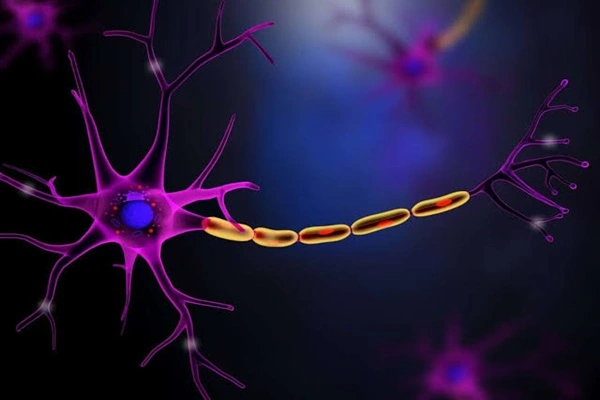
The hydrophilic amino acid residues at both ends of the peptide chain are responsible for balancing the lipid-water partition ratio. The hydrophilic ends significantly enhance the peptide's dispersibility in aqueous culture media, preventing aggregation and precipitation during gradient dilution of incubation solutions. Simultaneously, they help the molecule smoothly penetrate the phospholipid layer of the neuronal cell membrane, rapidly reaching the potassium channel target site on the membrane surface. Short peptides with a completely hydrophilic core and no hydrophobic core cannot bind to channel proteins, while strongly hydrophobic peptides without hydrophilic ends are difficult to dissolve uniformly. Spadin Peptide balances water solubility and membrane penetration efficiency, making it suitable for high-throughput neuron screening and large-scale simultaneous brain slice culture operations.
The entire peptide lacks broad-spectrum protein-binding ability; it can only recognize activated TREK-1 two-pore potassium channels on the cell membrane. It does not stably bind to other ion channels or metabolic proteins within neurons, precisely distinguishing target proteins from ordinary cellular proteins and significantly reducing interference from irrelevant pathways in the experimental system. Arbitrarily replacing the hydrophilic amino acid residues at both ends directly reduces the peptide's transmembrane permeation efficiency, significantly decreasing the effective intracellular concentration and consequently weakening its regulatory effect on potassium channels.
⚙️ Principle of Channel Regulation
In a healthy state, TREK-1 channels on neuronal membranes remain moderately open, continuously leaking potassium ions to maintain a stable resting potential. Neuronal excitability is balanced, and the body's emotional perception, pain transmission, and cerebral oxygen tolerance remain stable. Intracellular protein translation and ion metabolism are unaffected by exogenous peptides, and neuronal proliferation and differentiation maintain natural homeostasis.
When the brain experiences ischemia and hypoxia, prolonged stress, or persistent pain, the opening of TREK-1 channels increases significantly, leading to a large outflow of potassium ions. This causes neuronal hyperpolarization, a substantial increase in the cell excitation threshold, and a simultaneous accumulation of anxiety-related proteins and damage-promoting factors, resulting in a gradual decline in neuronal vitality. Conventional antioxidants and soothing agents can only clear intracellular reactive oxygen species and weaken surface inflammation; they cannot address the membrane potential imbalance caused by potassium ion outflow, leading to persistent and recurring neuronal damage and emotional abnormalities.
After adhering to the neuronal cell membrane, Spadin Peptide anchors to the extracellular binding site of TREK-1 channels via its hydrophobic core region, creating a spatial occupancy effect. This restricts channel openness, reduces potassium ion leakage, corrects excessive hyperpolarization of the membrane potential, restores normal neuronal excitability, balances ion flow upstream, and alleviates stress- and ischemia-induced neurological dysfunction, unlike ordinary neuroprotective agents that only intervene in downstream damage products.
The peptide regulates only the TREK-1-mediated potassium current, without interfering with voltage-gated potassium, calcium, or sodium channels or other ion transport structures, and without disrupting the cellular basal ion metabolism cycle. While broad-spectrum neuroactive substances indiscriminately block multiple ion channels, and experimental systems are often contaminated with numerous irrelevant electrophysiological interference signals, Spadin Peptide's target is specific and clear. Related observation systems can fix the single variable of "TREK-1 channel regulation," improving the accuracy of observational conclusions related to mood and brain injury.
🧫 Multiple uses of peptides
Spadin Peptide is a standard control material for stress-anxiety-related neuronal cell observation systems, primarily used for primary cortical neurons and the construction of three-dimensional brain organoid stress models. Prolonged mental stress continuously activates TREK-1 channels, inducing emotion-related neurological abnormalities. Leveraging its specific channel antagonism, this product can be used for neuronal membrane potential recording, anxiety biomarker protein quantification, and cell firing frequency detection. It enables the establishment of a standardized evaluation system for mood-soothing active substances, allowing for cross-sectional comparison of the balancing effects of various neuropeptides and small molecule modulators on neuronal excitability.
The material is widely used for neuropharmacological observation of cerebral ischemia-hypoxia injury and is suitable for co-culture models of oxygen-glucose deprivation-induced neuronal injury. Cerebral infarction and insufficient cerebral blood supply rapidly activate TREK-1 channels, exacerbating neuronal damage. Spadin Peptide can correct potassium ion efflux imbalance, reduce the proportion of neuronal apoptosis under ischemic conditions, elucidate the ion compensation patterns after cerebral ischemia, screen for active substances that alleviate brain tissue damage, and improve the screening platform for brain-protective lead molecules.
It possesses irreplaceable value in the field of chronic neuropathic pain transmission mechanism observation, and is used for constructing in vitro models of pain stimulation in spinal dorsal root ganglion cells. Persistent pain signals enhance TREK-1 channel activity and amplify pain transmission signals. This product can balance the channel opening amplitude and weaken abnormal pain transmission, and is widely used in explorations related to analgesia in peripheral nerve injury, expanding the research and development direction of targeted ion channel analgesic peptides.
Globally, the development of novel TREK-1-targeted neuroactive molecules uniformly uses Spadin Peptide as the pharmacodynamic reference benchmark. Various modified short peptides, brain tissue-targeted derivatives, and long-acting neuromodulatory peptides require cross-sectional comparison of core indicators such as channel blocking efficiency, neuronal excitation recovery degree, and cell non-specific toxicity. Stable and uniform channel antagonistic activity, extremely low off-target interference, and reproducible electrophysiological observation data make it a universal reference standard for high-throughput screening of neuropeptides, structure-activity relationship analysis of short peptides, and iterative optimization of molecular structures.

🔬 Molecular optimization development direction
Site-specific modification of amino acids at both ends of the peptide chain is the current mainstream approach for Spadin peptide molecular optimization, with modification sites concentrated on the hydrophilic residues at both ends. While the original peptide diffuses uniformly throughout the body, its concentration in brain lesions is limited, requiring moderate concentrations to exert channel regulation effects. By grafting a short peptide with endothelial affinity onto the hydrophilic end, the modified derivative can be directionally enriched in brain neural regions, blocking TREK-1 channels with lower molar doses, reducing trace peptide exposure in peripheral somatic cells, and adapting to the construction of low-dose, long-acting brain neuroprotective models.
Nerve injury microenvironment response modification is another mainstream optimization route, mitigating the slight basal cellular metabolic interference caused by indiscriminate peptide diffusion. By attaching a masking group that can be cleaved by highly active proteases in stress-damaged regions to the hydrophilic end, a lesion-specific activating peptide can be constructed. The modified peptide exhibits no channel-binding activity in undamaged normal neurons, without interfering with basal ion balance; only upon entering stressed or ischemic damaged neurons does the masking group cleave away, releasing the active Spadin core peptide, precisely regulating target channels, further enhancing molecular specificity, and aligning with the trend of low-toxicity, targeted neuropeptide optimization.
Multifunctional hybrid peptide splicing broadens the boundaries of action and overcomes the functional limitations of single-channel regulation. Long-term neurological injury is often accompanied by multiple problems such as oxidative stress and local inflammation; simply balancing potassium ion flow cannot completely repair neuronal damage. By covalently splicing the core short peptide of Spadin with antioxidant and anti-inflammatory short peptides, a multifunctional fusion peptide is created, simultaneously achieving the triple effects of blocking TREK-1 channels, scavenging intracellular reactive oxygen species, and inhibiting the release of pro-inflammatory factors. This overcomes the shortcomings of single-target neuromodulation raw materials and provides a new approach for the design of complex neuroprotective lead peptides.
Amino acid substitution in the hydrophobic functional region of the peptide chain finely adjusts the channel binding strength, adapting to the personalized needs of different neurological observation scenarios. The original Spadin Peptide provides balanced TREK-1 channel blocking strength, suitable for general stress neuronal models; by replacing the types of hydrophobic residues, rapid-acting and potent, and mild, long-acting sustained-release derivatives can be prepared. The potent version is suitable for short-term intervention observation of acute cerebral ischemia, while the sustained-release version is suitable for long-term anxiety neuronal passage culture models, enabling precise ion channel regulation observation based on typing.
Conclusion
Spadin Peptide is the first discovered endogenous antidepressant peptide targeting the TREK-1 potassium channel. It blocks this channel with an affinity of 10 nM and induces an antidepressant effect within 4 days. As an active fragment of a sorting protein precursor, the discovery of Spadin validates the feasibility of TREK-1 as a target for rapid antidepressant drugs. Although the stability and bioavailability of natural peptides limit their direct drug development, structural modification strategies such as truncation and retromerization are driving their evolution towards more stable and more active second-generation molecules.
Xi'an Faithful BioTech is your trusted supplier of Spadin Peptide. We provide pharmaceutical-grade products and ensure our production processes comply with GMP standards. Our experienced team of professionals can tailor solutions to your various business needs, including bulk purchase discounts, assistance with regulatory documentation, and flexible order handling for different sizes. Please contact allen@faithfulbio.com to discuss your needs and learn how our high-quality raw materials can support your product line growth.
References
- PeptideDB. (n.d.). Spadin (CAS 1270083-24-3). PeptideDB.
- TargetMol. (n.d.). Spadin Acetate (Product T22178L). TargetMol.
- InvivoChem. (n.d.). Spadin (Product V71187). InvivoChem.
- Mazella, J., et al. (2010). Spadin, a sortilin-derived peptide, targeting rodent TREK-1 channels. NIH PubMed Central, PMC2854129.
- Borsotto, M., et al. (2019). Fighting against depression with TREK-1 blockers: Past and future. A focus on spadin. Pharmacology & Therapeutics, 194, 185-198.
- TargetMol. (n.d.). Spadin TFA (Product T75944). TargetMol.
- Xcess Biosciences. (n.d.). Spadin (Product M30855). Xcess Biosciences.