

What is the P21 peptide good for?
The P21 peptide powder is a big step forward in neuroprotective studies. It is a man-made peptidomimetic that comes from Ciliary Neurotrophic Factor (CNTF). This biologically active chemical solves important problems in neuroscience by crossing the blood-brain barrier, which is a big problem for many medicinal molecules. P21 peptide is different from its parent protein because it has strong neurogenic benefits without causing immune reactions or systemic side effects. Researchers and drug companies are becoming more aware of its ability to improve brain function, protect neurons, and boost neurogenesis. This makes it a useful tool for both basic studies and specific biotechnology uses.
Understanding the P21 Peptide: Structure, Function, and Biological Role
Molecular Architecture and Receptor Interaction
The P21 peptide has a carefully designed chemical structure that looks like the active part of CNTF while still having a small, penetrating shape. The sequence similarity hits CNTF receptors directly through the LIF receptor signaling pathways, which sets off a chain of neuroprotective effects. With this tailored method, the peptide can make neurogenic pathways more sensitive without having the size and immunogenicity of full-length neurotrophic factors. The molecular design gets rid of certain epitope regions that cause antibodies to form, which solves a problem that has been around for a long time in the development of neurotrophic therapies.
Neurogenic and Neurotrophic Mechanisms
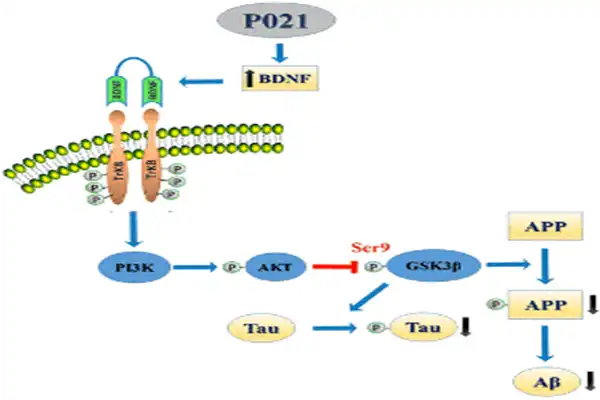
The main cellular function of the P21 peptide is to improve synaptic plasticity and encourage regeneration in the dentate gyrus of the hippocampus. By blocking ADAM10 from cutting CNTF receptors, the peptide makes signaling pathways stronger further down the line. Brain-Derived Neurotrophic Factor (BDNF) release is increased by this process. BDNF is a key factor in neural survival and synaptic strength. Researchers have found that the P21 peptide successfully lowers the hyperphosphorylation of Tau proteins, which is a sign of neurodegenerative diseases, and protects brain networks from amyloid-beta toxicity.

Advantages Over Native Neurotrophic Factors
When compared to other neurotrophic proteins, the P21 peptide has a more developed makeup that helps pharmaceutical companies. The peptide's small molecular weight makes it easier to send through the nose, skipping invasive administration methods while still working well as a medicine. Native CNTF makes neutralizing antibodies and has bad effects like weight loss and hunger. P21 peptide, on the other hand, keeps its bioactivity even after being given more than once. Because it is stable, it is very useful for long-term study methods and possible therapeutic development, where it is important to give the same dose every time.
Comparing P21 Peptide with Related Peptides and Analogues
Distinctions from P27 and p53 Peptides
The names of the P21 peptide, p27, and p53 peptides are similar, but their functions are very different. This article talks about the neurogenic P21 peptide, which is different from cell cycle-associated proteins because it works through neural pathways instead of cell cycle control. P27 is mainly a cyclin-dependent kinase inhibitor that helps control cell growth. On the other hand, p53 peptides are involved in pathways that stop tumors from growing. When procurement experts are looking for materials for specific study projects, they can avoid confusion by understanding these differences.
Research-Grade Versus Clinical-Grade Specifications
Quality tiers have a big effect on the results of experiments and on following the rules. High-Performance Liquid Chromatography (HPLC) usually gets research-grade P21 peptide to ≥98% purity, which is good for most lab uses. Even tighter requirements must be met for clinical-grade materials, such as full paperwork, checking for consistency from batch to batch, and more thorough stability testing. The ion exchange process that changes trifluoroacetic acid (TFA) salts into acetate salts is a very important quality measure, especially for neural culture work that needs to be precise, because TFA residues can harm cell survival.
Comparison with Cerebrolysin and Other Neurotrophic Agents
When looking at other options, P21 peptide powder is clearly better than peptide mixes made from pigs like Cerebrolysin. As a single, well-thought-out manmade code, the P21 peptide offers consistent results from batch to batch without the variations that come with using animal-derived materials. The specificity of the focused CNTF route leads to expected results, while multi-component mixtures make it harder to figure out what process is at work. This accuracy is appreciated by cosmetic and nutraceutical companies that are looking for ingredients that are good for brain health because it makes regulatory paperwork and quality assurance processes easier to follow.
How to Source and Procure P21 Peptide for Industrial and Research Needs
Critical Supplier Evaluation Criteria
To find high-quality P21 peptide products, suppliers must be carefully evaluated. Manufacturers with a good reputation give full analysis reports that include HPLC chromatograms that show the purity levels, mass spectrometry data that show the correctness of the molecular mass, and endotoxin testing results (LAL assay) that show levels below 0.5 EU/mg. Distributors who work with the pharmaceutical and nutraceutical industries should make sure that their sources have good quality control systems in place, even if not all research-grade products are fully GMP certified. Karl Fischer titration for measuring water content makes sure that lyophilization is done correctly and protects against hydrolytic breakdown during storage.
Understanding Pricing Factors and Bulk Procurement
The price of peptides depends on more than just the cost of the raw materials. Materials with a purity grade of 99% or higher cost a lot more than normal products with a purity grade of 95% or less. Batch size economics support bigger orders, but sites that don't have a lot of cold storage may not be able to buy as much because of stability concerns. Custom synthesis choices let you change the sequence or get specific salt forms, but they usually come with longer wait times and minimum order commitments. Building partnerships with makers who offer flexible MOQs and technical help for formulation development is good for both importers and wholesalers.
Logistics and Storage Requirements
The lyophilized powder form is necessary to keep the purity of the peptides while they are being shipped internationally. Materials that are kept in unopened jars at -20°C for about 24 months are steady, which gives inventory managers some room to maneuver. But restored treatments need to be kept cool (2–8°C) and used within 14–21 days to keep them from going bad. Suppliers with warehouses in the US and Germany can cut shipping times and make customs steps easier for buyers in North America and Europe. This solves a common problem in buying chemicals from other countries.
Practical Applications and Protocols for Using P21 Peptide in the Laboratory
Neurodegenerative Disease Research Models
Pharmaceutical companies use P21 peptide in transgenic animals as a tool to study how to reverse cognitive loss. In models showing Alzheimer's-related disease, protocols usually involve giving the drug through the nose or under the skin. The peptide can lower hyperphosphorylation of Tau proteins and guard against amyloid-beta toxicity, which makes it a useful standard substance for creating new neuroprotective drugs. Dosage optimization studies help find the best doses for a given effect and see if they work well together with other new drugs.
Traumatic Brain Injury and Stroke Recovery Studies
P21 peptide's ability to speed up neuronal repair is being used in research into how to heal from physical brain damage for the P21 peptide powder. Researchers are looking into how increasing BDNF affects the repair of synaptic density in brain networks that have been harmed. The peptide's neurogenic activity in the hippocampus is linked to better spatial memory success on behavioral tests. This gives us a way to measure how well the therapy is working for the P21 peptide sequence Ac-DGGL(A)-NH2. Both college experts and biotechnology businesses that are making regenerative medicine goods are interested in these uses.
Cognitive Enhancement and Nootropic Development
In the bio-optimization sector, P21 peptide is seen as a brain-regenerating substance that is different from regular drugs. Instead of changing the amounts of neurotransmitters, the peptide improves the structure and function of the hippocampus by facilitating long-term potentiation (LTP). Nutraceutical companies that are working on high-end brain health formulas are looking into how neurogenic peptides might work with standard ingredients like plant extracts and amino acids. Even though the rules for these kinds of uses are still hard to understand, ongoing studies build the body of proof that will be used to make new products in the future.
Handling, Reconstitution, and Storage Best Practices
When peptides are handled properly, their bioactivity is maintained throughout the testing process. Lyophilized material should stay frozen until it is needed, and clean bacteriostatic water or the right buffer solutions should be used to thaw it. Strong vortexing is not allowed because it could damage the structure of the peptide. Gentle mixing is better. Putting restored solutions into one-time-use sizes cuts down on freeze-thaw cycles, which damage the structure. To make sure the best quality materials, labs should write down the times of recovery and use first-in, first-out inventory management.
Future Prospects and Research Trends of P21 Peptide in Biotechnology
Emerging Applications in Regenerative Medicine
The current study is moving beyond the usual models of neurodegenerative diseases and into a wider range of restorative uses. Researchers are looking into whether neurogenic P21 peptides could help with neural tissue engineering, reprogramming cells, or treatments that target more than one route at the same time. The peptide's ability to boost the body's own repair systems instead of just adding missing factors is a big change in how medicine is done. Contract development and manufacturing organizations (CDMOs) that are getting ready to help with the production of new biopharmaceuticals are interested in these changes.
Market Dynamics and Supply Chain Considerations
Neurogenic peptides are becoming more well-known, which is driving demand growth in the science, pharmaceutical research, and specialty ingredient markets. Supply chain managers and ingredient sellers keep an eye on these trends to predict what they will need to buy and find reliable manufacturing partners. Setting up warehouses abroad meets the need for faster shipping while keeping the cold chain intact. As research moves closer to being used in patients, there will likely be a greater need for higher-purity grades with more detailed paperwork. This will favor suppliers with strong quality systems and the ability to grow.
Strategic Positioning for Procurement Professionals
Before they are needed right away, procurement experts who work with research institutions, pharmaceutical companies, and nutraceutical brands should build relationships with peptide providers. It's easier to carry out a project when you know how long it takes to do custom synthesis, what paperwork is needed for regulatory submissions, and what kind of expert help is available. Keeping an eye on the scientific papers helps scientists predict new uses for materials that could change their specs or supply. Companies that spend money on peptide-based research benefit when their providers offer both catalog goods and customization services. This gives them options as their projects move from the early stages of screening to advanced development.
Conclusion
TheP21 peptide powder solves important problems in neuroscience studies because it can cross the blood-brain barrier and have targeted neurogenic action while also being safe for the immune system. It can be used to model neurodegenerative diseases, study violent brain injuries, and look into ways to improve cognitive function. This makes it useful in the bioengineering, pharmaceutical, and specialized ingredient industries. Quality factors, such as checking for endotoxins and making sure the salt is in the right form, have a big effect on the results of experiments and choices about what to buy. As research into regenerative medicine and multi-target therapies grows, it becomes more and more important for companies working on next-generation neuroprotective solutions to have smart sourcing relationships with dependable providers.
Frequently Asked Questions About P21 Peptide
1. What distinguishes P21 from full-length CNTF?
P21 peptide works as a peptidomimetic that mimics CNTF and gets its neurogenic effects while removing any worries about immunogenicity. The manufactured design leaves out epitope regions that cause blocking antibodies to form. This means that the drug can be given more than once without losing its effectiveness. Its lower molecular weight makes it easier for it to cross the blood-brain barrier through intranasal delivery. This gets around the problems with delivery that stop full-length neurotrophic proteins from being used in more situations.
2. How should reconstituted P21 be stored?
Peptide solutions stay steady at 2-8°C for about two weeks after being mixed with bacteriostatic water. It is not recommended to freeze restored materials because freeze-thaw cycles hurt the structure of peptides and lower their bioactivity. As soon as possible after reconstitution, aliquoting into single-use amounts keeps access easy for experimental methods while minimizing degradation.
3. What purity level is necessary for neuronal culture work?
For neuronal culture, you need at least 99% clarity with acetate salt exchange to get rid of cytotoxic TFA residues from the synthesis. Lower purity grades might have shortened sequences or leftovers of synthesis that mess up sensitive cell tests. Endotoxin levels below 0.5 EU/mg stop pyrogenic reactions that could mess up cell-based testing results.
Partner with Faithful for Premium P21 Peptide Supply
Xi'an Faithful BioTech Co., Ltd. can help you get the P21 peptides you need by combining advanced analysis skills with flexible production. Our quality control lab uses HPLC, mass spectrometry, and full purity analysis to make sure that every batch meets the strict standards for pharmaceutical intermediates. We know how hard it is for study groups, pharmaceutical companies, and nutraceutical brands to find important peptide materials. Consistency, documentation, and reliable supply lines all have a direct effect on the success of a project. Because we offer OEM services and custom synthesis, we can make solutions that are perfect for specific needs. Get in touch with our team at allen@faithfulbio.com to talk about your needs with a reliable P21 peptide powder provider that cares about quality and technical support.
References
1. Chohan MO, Li B, Blanchard J, Tung YC, Heaney AT, Rabe A, Iqbal K, Grundke-Iqbal I. "Enhancement of dentate gyrus neurogenesis, dendritic and synaptic plasticity and memory by a neurotrophic peptide." Neurobiology of Aging, 2011, 32(8): 1420-1434.
2. Blanchard J, Bolbourbon-Naquet V, Chohan MO, Rabe A, Iqbal K, Grundke-Iqbal I. "A neurotrophic peptide reverses learning and memory deficits and reduces Alzheimer-type tau pathology in a hippocampal-lesion rat model." Journal of Alzheimer's Disease, 2010, 22(1): 217-236.
3. Kazim SF, Blanchard J, Bianchi R, Iqbal K. "Early neurotrophic pharmacotherapy rescues developmental delay and Alzheimer 's-like memory deficits in the Ts65Dn mouse model of Down syndrome." Scientific Reports, 2017, 7: 45561.
4. Blanchard J, Wanka L, Tung YC, Cárdenas-Aguayo MC, LaFerla FM, Iqbal K, Grundke-Iqbal I. "Pharmacologic reversal of neurogenic and neuroplastic abnormalities and cognitive impairments without affecting Aβ and tau pathologies in 3xTg-AD mice." Acta Neuropathologica, 2010, 120(5): 605-621.
5. Luo XG, Ding JQ, Chen SD. "Microglia in the aging brain: relevance to neurodegeneration." Molecular Neurodegeneration, 2010, 5: 12.
6. Nagahara AH, Tuszynski MH. "Potential therapeutic uses of BDNF in neurological and psychiatric disorders." Nature Reviews Drug Discovery, 2011, 10(3): 209-219.