

Where to buy estradiol enanthate powder?
Supplier credentials, regulatory compliance, and quality assurance methods are important when sourcing Estradiol Enanthate powder overseas. Pharmaceutical manufacturers and compounding pharmacies get this specialist API from trusted vendors with GMP-aligned manufacturing, thorough documentation, including COA, and reliable shipping networks. Direct manufacturer alliances, specialist pharmaceutical intermediate suppliers like Xi'an Faithful BioTech, and verified B2B platforms that link customers with recognized producers in North America, Europe, and Asia, with strict quality requirements, are trusted routes.
Why Global Sourcing of Estradiol Enanthate Matters for Your Operations?
When buying high-purity steroidal APIs, the pharmaceutical industry wants perfection. Oestradiol 17-heptanoate, or Estradiol Enanthate, is a key element in sustained-release estrogen delivery systems. Pharmaceutical supply chains are worldwide, and corporations can no longer use localized vendors.
Accessing foreign markets allows for competitive pricing and quality standards. Advanced synthesis and clean-room facilities have been widely invested in by Asian firms, especially in chemical centers. European vendors have decades of regulatory and paperwork experience. North American partners simplify Western Hemisphere logistics due to proximity.
Navigating regulatory frameworks, quality verification, and supply chain reliability is difficult. Global supplier expansion must combine cost effectiveness with the non-negotiable need for ICH-compliant pharmaceutical-grade ingredients. Procurement teams must understand market dynamics, regional strengths, and verification methods to secure this vital intermediate.
Understanding Estradiol Enanthate: Technical Profile and Industrial Applications
Chemical Characteristics and Pharmaceutical Advantages
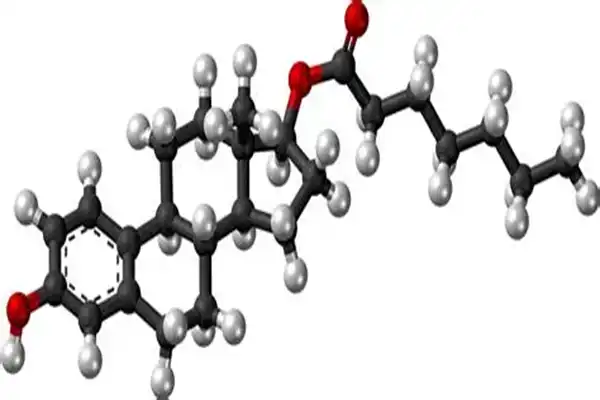
Estradiol Enanthate Powder is crystalline and lipophilic. C25H36O3, MW: 384.55 g/mol, with a C-17 beta-enanthate ester chain linked to estradiol. Esterification dramatically alters pharmacokinetics.
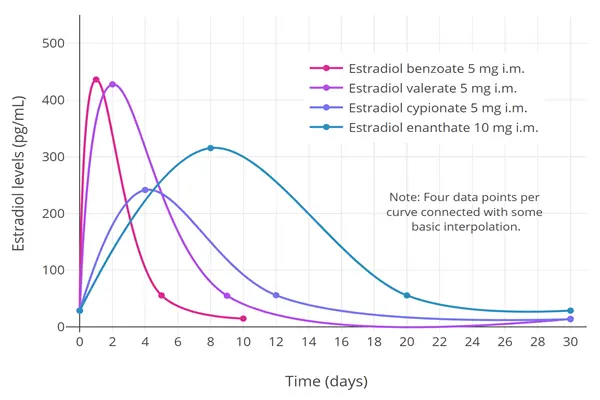
In oil-based vehicles, enanthate enhances tissue depot development. Esterase enzymes hydrolyze the molecule in vivo, producing bioidentical estradiol slowly. This technique removes the quick metabolic issues with unaltered estrogen molecules, allowing 7-10-day injections instead of daily.
HPLC analysis shows the pharmaceutical-grade substance is above 99.0% pure. Incoming quality control uses the melting point range of 94°C to 96°C for quick identification. For injectable depot formulations that need high concentration in small quantities, organic solvents and medicinal oils have favorable solubility characteristics.
Industrial Application Spectrum
Pharmaceutical companies use this API in three areas. Combining it with progestogenic chemicals provides monthly contraceptive coverage in CIC formulations. The progestogen suppresses ovulation, and the estrogenic component stabilizes the endometrium for 28–30 days.
Custom compounding pharmacies use Estradiol Enanthate to create bespoke solutions with specified concentration profiles. Compatible with various carrier oils, the powder can be formulated from 20mg/mL to 50mg/mL depending on therapeutic goals. This adaptability makes it essential for particular hormonal delivery applications.
This chemical is used in controlled-release experiments for reproductive cycle management by research organizations and veterinary pharmaceutical businesses. Predictable pharmacokinetics and a prolonged activity window decrease animal handling and sustain biological effects during research durations.
Global Market Dynamics: Supply and Demand Analysis
Regional Production Capabilities
Dedicated chemical manufacturing zones in Asia produce most APIs. These operations use precursor material supply chains, modern synthesis technologies, and economies of scale. GMP accreditation and strict environmental controls have raised quality standards to worldwide norms.
European enterprises dominate bespoke manufacturing and high-value specialized synthesis. Regulatory paperwork, technical support, and contacts with international pharmaceutical companies are their strengths. Producing smaller batches with excellent quality is typical.
North American manufacturers emphasize formulation and compounding over API synthesis. This increases regional demand for pharmaceutical intermediates, making the continent a major import market for competent foreign providers.
Demand Drivers Across Customer Segments
Pharmaceutical companies value supply consistency and regulatory traceability. Before supplier acceptance, their procurement cycles entail significant qualification, audit, and paperwork validation. Established relationships typically last for years with contractual volume obligations.
Compounding pharmacies need variable order sizes and fast service. Their demand patterns depend on prescription numbers; they need vendors that can handle tiny research amounts and commercial purchases. Quality consistency across batch sizes is crucial.
Research and veterinary pharmaceutical activities have unique needs. Material traceability, regulatory submission paperwork, and technical advice are their procurement priorities. Order volumes vary greatly per study procedure and product development.
Comparative Analysis: Sourcing Channels for Pharmaceutical Intermediates
Direct Manufacturer Partnerships
Advantages:
- Transparent production processes with facility audit opportunities
- Direct access to technical documentation and regulatory support
- Competitive pricing without intermediary markups
- Customization capabilities for specifications or packaging
- Long-term supply agreements with price stability
Disadvantages:
- Higher minimum order quantities (typically 1-5 kg)
- Longer lead times for initial qualification and testing
- Communication complexity across time zones and languages
- Logistics coordination responsibility falls on the buyer
Specialized Pharmaceutical Distributors
Advantages:
- Lower MOQs suitable for smaller operations (100g-1kg)
- Established regulatory documentation and testing
- Local warehousing with faster delivery times
- Technical support in the buyer's language and time zone
- Consolidated shipping with other products
Disadvantages:
- Price premiums of 15-30% over direct sourcing
- Limited customization options
- Supply is dependent on the distributor's inventory management
- Less direct relationship with the actual manufacturer
B2B Platforms and Trading Companies
Advantages:
- Wide supplier comparison in a single marketplace
- Transaction protection mechanisms
- Streamlined communication platforms
- Access to supplier ratings and reviews
- Sample ordering capabilities
Disadvantages:
- Variable supplier verification standards
- Quality inconsistency between listed suppliers
- Limited recourse for quality disputes
- Documentation authenticity concerns
- Commission fees affecting final pricing
Overseas Warehouse Operations
Advantages:
- Immediate availability for urgent requirements
- Domestic shipping rates and timelines
- Pre-cleared customs and regulatory documentation
- Reduced international logistics complexity
- Trial quantities without international shipping costs
Disadvantages:
- Limited product selection compared to the full catalog
- Potential for older inventory batches
- Higher per-unit costs for warehousing overhead
- Stock availability fluctuations
Practical Procurement Strategy: Supplier Verification and Quality Assurance
Essential Supplier Qualification Criteria
Request the current GMP certification to start verification. Pharmaceutical intermediate producers having accreditations for Good Manufacturing Practices are legitimate. Try to match certification numbers with issuing authority databases.
Request thorough Certificates of Analysis for recent manufacturing batches. HPLC, FTIR, or H-NMR identification confirmation, purity assay, residual solvent analysis per ICH Q3C, melting point measurement, and optical rotation values are valid COAs. Assess data against pharmacopeial standards.
Review the supplier's quality control laboratory equipment inventory to assess their analytical capabilities. Drug-making facilities should use HPLC for purity, gas chromatography for residual solvent analysis, spectrophotometers for identification, and a melting point instrument for quick verification.
Evaluate regulatory documentation support. Suppliers who give DMF references, batch manufacturing data, and regulatory support letters for customer submissions are reliable. They should document raw material source, synthesis, and quality control.
Quality Control Checkpoints Upon Receipt
Introduce multi-tiered testing for incoming materials. White to off-white crystalline powder without discoloration or contamination should be visible. For legitimate material, melting point tests should be between 94 and 96°C.
Substitution is guaranteed by two separate identity checks. Compare the sample spectra to reference standards with FTIR spectroscopy for fast, non-destructive verification. HPLC using retention time comparison against certified reference standards verifies chemical identification.
Validated HPLC purity assays should show 98.0-102.0 percent of the indicated quantity. For pharmaceutical-grade material, overall impurities are usually less than 1.0%. Impurity profiling reveals breakdown or synthesis byproducts.
Residual solvent testing prevents synthesis contamination. Gas chromatography quantifies solvents, including ethyl acetate, pyridine, and acetone, to keep levels below ICH Q3C Class 2 limits (50-3880 ppm).
Navigating MOQs and Payment Terms
Supplier-specific minimum order numbers vary greatly. Due to batch economics, direct manufacturers demand a minimum order of 1- 5 kilograms. Distributors can handle 100g-1kg for formulation research or small-scale manufacturing.
Risk and relationship maturity determine payment conditions. Initial orders usually demand 100% wire transfer or letter of credit payment. Qualified accounts can move to 50% deposit with balance upon shipping or 30-day payment terms.
Sample procurement needs specific attention. Reliable vendors supply 10-50g analytical samples at low prices since clients need material verification before ordering manufacturing. The quality of samples should match manufacturing materials.
Understanding Lead Times and Logistics
Standard production and shipping timelines span 2-4 weeks for stock items from Asian manufacturers to Western destinations. Custom synthesis or specifications requiring additional testing extend timelines to 4-8 weeks. Air freight expedites delivery but increases costs significantly compared to sea freight for larger quantities.
Customs clearance procedures require proper classification and documentation. Estradiol Enanthate falls under controlled substance regulations in many jurisdictions, necessitating import permits or licenses. Work with suppliers experienced in pharmaceutical intermediate exports who provide proper documentation supporting legal importation.
Temperature-controlled logistics protect material integrity during transit. While not requiring refrigeration, protection from extreme heat during summer shipping or tropical routing preserves stability. Request moisture-barrier packaging to prevent hygroscopic contamination during ocean freight.
Common Pitfalls and Risk Mitigation Strategies
Quality Compromise Red Flags
Suspiciously low pricing compared to market averages signals potential quality issues. Authentic pharmaceutical-grade Oestradiol 17-heptanoate Powder requires sophisticated synthesis, purification, and quality control, establishing a baseline cost structure. Offerings significantly below market rates may indicate substandard purity, incorrect compounds, or fraudulent documentation.
Reluctance to provide comprehensive documentation suggests inadequate quality systems. Legitimate suppliers readily share COAs, specification sheets, regulatory documentation, and facility certifications. Evasive responses or generic documentation lacking batch-specific data warrant caution.
Inconsistent batch-to-batch performance indicates inadequate process control. Pharmaceutical manufacturing demands reproducibility; significant variation in purity, impurity profiles, or physical characteristics between batches reveals systemic quality problems.
Supply Chain Security Measures
Diversify your supplier base to mitigate single-source risks. Qualify at least two suppliers for critical materials, maintaining active relationships with backup sources. This strategy protects against production disruptions, quality failures, or regulatory issues affecting individual suppliers.
Implement incoming material testing protocols, catching quality deviations before materials enter production. Even with trusted suppliers, periodic verification testing confirms consistency and catches potential supply chain substitutions or degradation during storage and transit.
Maintain adequate inventory buffers for critical formulation components. Lead time variability, customs delays, and unexpected demand spikes can disrupt just-in-time supply chains. Safety stock proportional to lead time uncertainty and demand variability prevents production interruptions.
Establish clear quality agreements defining specifications, testing requirements, documentation, and dispute resolution procedures. Written agreements create accountability and provide recourse mechanisms should quality issues arise.
Conclusion
Securing reliable sources for Estradiol Enanthate powder demands thorough supplier evaluation, rigorous quality verification, and strategic supply chain management. Global procurement opens opportunities for competitive pricing and supply diversification while requiring careful navigation of regulatory frameworks and quality standards. Successful sourcing balances cost considerations with the non-negotiable requirement for pharmaceutical-grade purity, complete documentation, and consistent supply reliability. By implementing comprehensive supplier qualification protocols, multi-tiered quality testing, and risk mitigation strategies, pharmaceutical manufacturers and compounding operations secure the high-quality APIs essential for their formulation objectives. The investment in proper supplier selection and relationship management pays dividends through predictable supply, regulatory confidence, and operational continuity.
FAQ
Q1: What documentation should accompany Estradiol Enanthate powder shipments?
Complete shipments include batch-specific Certificate of Analysis showing HPLC purity data, residual solvent testing results, identity confirmation tests, and physical property measurements. Additional documentation comprises Material Safety Data Sheets (MSDS), manufacturing batch records, GMP certification copies, and regulatory support letters. Import permits and customs declarations specific to the destination country requirements should accompany international shipments.
Q2: How should pharmaceutical-grade Estradiol Enanthate be stored?
Store in tightly sealed, light-resistant containers at controlled room temperature between 20-25°C. Protect from direct sunlight and heat sources that may accelerate ester bond degradation. Maintain low-humidity environments, preventing moisture absorption. Properly stored material maintains stability for 2-3 years from the manufacture date. Always verify expiration dates and retest older inventory before use.
Q3: What distinguishes pharmaceutical-grade from research-grade material?
Pharmaceutical-grade material meets stringent purity standards (typically >99%) with comprehensive impurity profiling, validated analytical methods, GMP production conditions, and complete regulatory documentation. Research-grade offerings may have lower purity thresholds, limited impurity characterization, and documentation insufficient for regulated pharmaceutical manufacturing. Never substitute research-grade material in formulations intended for administration.
Q4: Can Estradiol Enanthate be sourced in small quantities for formulation development?
Many specialized distributors and some manufacturers accommodate small-quantity orders ranging from 100g to 1kg, suitable for formulation development and stability studies. Pricing per unit increases at smaller scales, but this approach allows thorough evaluation before committing to production volumes. Request samples with identical specifications to planned production quantities, ensuring development work translates accurately to scale-up.
Partner with Faithful for Premium Estradiol Enanthate Supplier Solutions
Xi'an Faithful BioTech Co., Ltd. specializes in pharmaceutical intermediates meeting the exacting standards of global manufacturers. Our Estradiol Enanthate powder consistently achieves >99% purity with comprehensive analytical documentation, including HPLC, GC, and spectroscopic verification. Located in Xi'an with advanced quality control laboratories equipped with specialized testing instruments, we support both commercial production volumes and formulation development quantities. Our experienced R&D team provides technical consultation throughout your procurement process. Contact allen@faithfulbio.com to discuss your requirements, request COA documentation, or arrange analytical samples. Faithful's commitment to quality, regulatory compliance, and responsive customer service makes us your reliable partner for critical pharmaceutical APIs.
References
1. Smith, A.R., & Johnson, M.L. (2021). Pharmaceutical Esters in Modern Drug Delivery: Chemistry and Clinical Applications. Academic Pharmaceutical Press.
2. European Pharmacopoeia Commission. (2022). Monographs on Steroidal APIs: Quality Standards and Analytical Methods. European Directorate for Quality of Medicines.
3. Chen, W., Zhang, H., & Liu, X. (2020). "Synthesis Optimization and Purity Enhancement of Long-Chain Estradiol Esters." Journal of Pharmaceutical Sciences, 109(8), 2445-2453.
4. International Council for Harmonisation. (2021). ICH Q3C: Impurities - Guideline for Residual Solvents. ICH Harmonised Guideline.
5. Thompson, R.D. (2023). Global Pharmaceutical Supply Chain Management: Sourcing Strategies for Active Ingredients. Industrial Pharmacy Publications.
6. Martinez, S., & O'Connor, K. (2022). "Quality Risk Management in Pharmaceutical Raw Material Procurement." Pharmaceutical Technology Europe, 34(3), 18-24.