Why has Carnitine base powder become a core ingredient in fat metabolism and energy regulation?
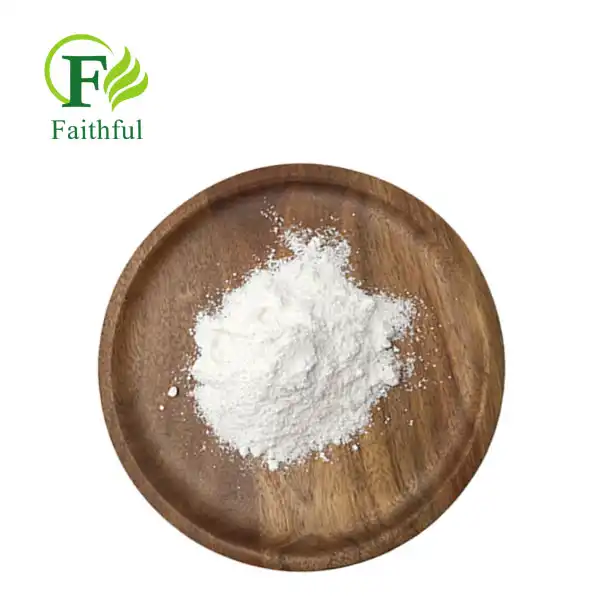
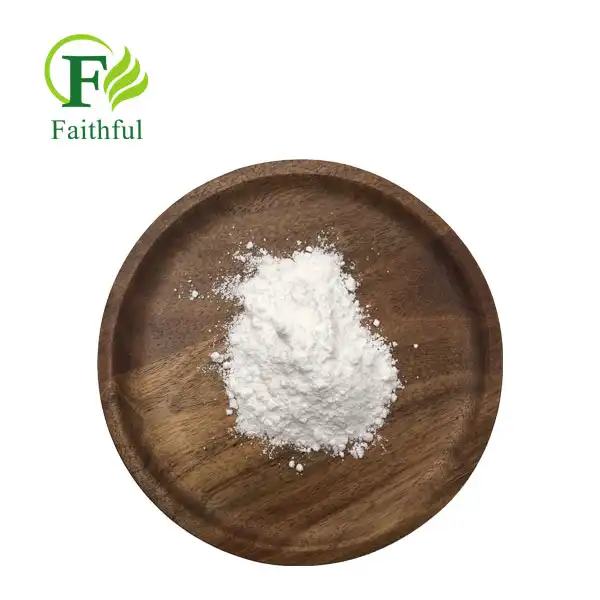
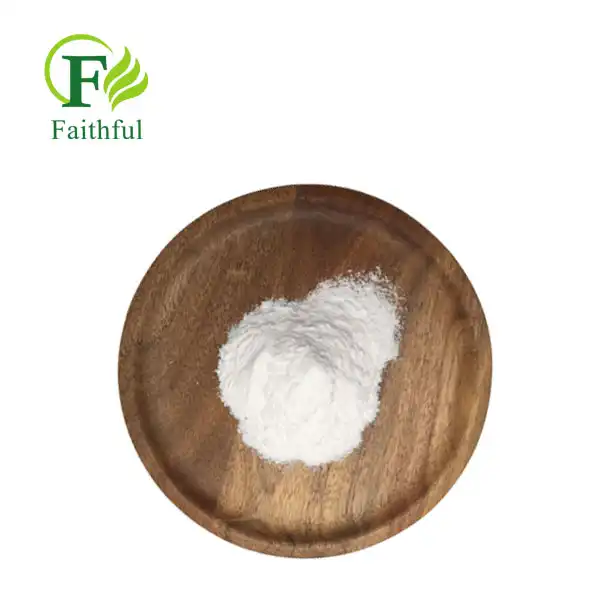
Carnitine base powder, also known as L-carnitine powder, CAS number 541-15-1, molecular weight 161.20, is a white crystalline powder with extremely high hygroscopicity, easily deliquescing and even liquefying upon exposure to air. As a natural amino acid derivative, only the L-form possesses biological activity and is an essential carrier for the β-oxidation of fatty acids in the human body, often referred to as a "fat transporter." High-purity products are free of racemic impurities, have excellent water solubility, and can be directly used in pharmaceuticals, health products, sports nutrition, and feed additives.
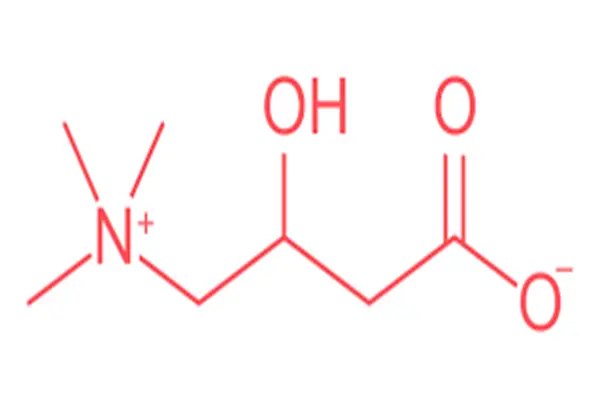
Molecular structure of quaternary ammonium inner salt and chiral hydroxyl group
Carnitine Base Powder is chemically a quaternary ammonium compound belonging to the amino acid derivative family. Its chemical formula is (3R)-3-hydroxy-4-(trimethylammonium)butyric acid, with the molecular formula C₇H₁₅NO₃ and a molecular weight of 161.2 g/mol. The inner salt structure means that the molecule carries both positive and negative charges within the same system, resulting in extremely high solubility in water; it is amphoteric but electronegative.
From a stereochemical perspective, the core of Carnitine Base Powder is a four-carbon straight chain with the chiral center located at the 3rd carbon position. The attached β-hydroxyl group has a levorotatory configuration. This is not a detail that can be easily reversed; the L-configuration is the key to its biological activity. Synthetically synthesized D-carnitine is not only useless but may also interfere with the normal function of natural L-carnitine through competitive transport systems. The two ends of the molecule each have their specific functions: one end is the "ticket," where the trimethylammonium group acts as a permanent cation recognized by specific transport proteins and membrane receptors; the other end is the "cargo hold," where the β-hydroxyl group and the terminal carboxyl group participate in esterification and transesterification reactions with acyl groups and coenzyme A, forming the chemical basis of its shuttle function.
Physically, high-purity Carnitine Base Powder is a white to off-white hygroscopic crystalline powder, readily soluble in water. With a calculated LogP value of -0.2, it is extremely hydrophilic and cannot cross the lipid barrier via passive diffusion, requiring specialized carnitine transport proteins for transmembrane transport. Regarding storage stability, Carnitine Base Powder should be stored in a sealed, dry, cool, and light-protected environment to prevent moisture absorption.
The main natural sources of Carnitine Base Powder are animal-based foods, especially red meat and dairy products. The human body can synthesize approximately 1.2 micromoles of carnitine daily, but this only meets about a quarter of the daily requirement; therefore, dietary intake is crucial for maintaining carnitine homeostasis. With the assistance of vitamin C, vitamin B6, niacin, and iron, lysine and methionine undergo endogenous synthesis of carnitine in the liver and kidneys through multiple enzymatic conversions.
Mechanism of action of fatty acid shuttle transport and energy metabolism activation
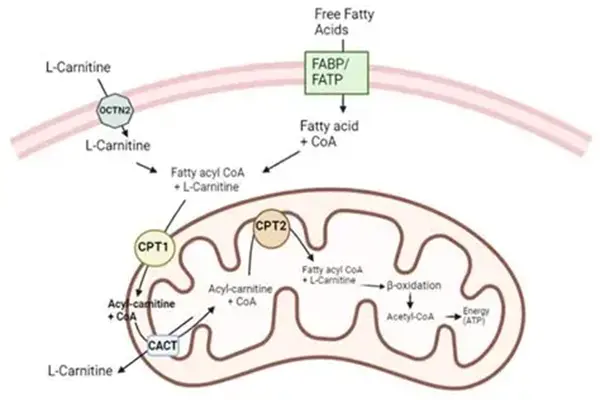
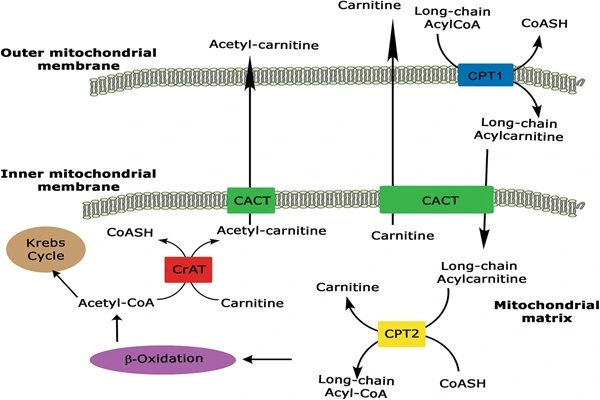
The primary mechanism involves the activation of the carnitine shuttle system. Carnitine base powder, as the only carrier capable of carrying long-chain fatty acids across the inner mitochondrial membrane, binds to acyl-CoA in the cytoplasm under the catalysis of CPT enzymes, generating acylcarnitine, which then crosses the inner membrane into the mitochondrial matrix. Subsequently, under the action of CPT2, fatty acids are released and enter the β-oxidation cycle, reverting to free carnitine and returning to the cytoplasm, thus continuously transporting fatty acids.
Fatty acid β-oxidation and efficient energy production are the core effects. Long-chain fatty acids cannot freely penetrate the inner mitochondrial membrane; without carnitine base powder, fat cannot be oxidized for energy. Fatty acids entering the mitochondria are β-oxidized to generate large amounts of ATP, providing the main energy source for high-energy-consuming organs such as the heart, skeletal muscle, and liver. Especially during periods of glycogen deficiency, such as fasting or exercise, fat oxidation becomes the primary energy source.
Mitochondrial function stability and stress protection are key supporting values. Carnitine base powder can stabilize mitochondrial membrane potential, reduce reactive oxygen species leakage, and inhibit the opening of mitochondrial permeability transition pores. Under stress conditions such as hypoxia, ischemia, and high-intensity exercise, it can delay mitochondrial damage and apoptosis, protecting cardiac and skeletal muscle cells. Simultaneously, it regulates the CoA/acyl-CoA ratio within mitochondria, preventing acyl-CoA accumulation from inhibiting metabolic enzymes and maintaining smooth metabolism.
Optimized energy supply and improved exercise endurance are direct physiological effects. Supplementing with Carnitine base powder during exercise can accelerate fat oxidation, conserve muscle glycogen reserves, reduce lactic acid accumulation, and delay fatigue. It improves ATP production efficiency during exercise, prolongs endurance exercise duration, shortens post-exercise recovery time, and reduces muscle soreness, making it particularly suitable for high-intensity, long-duration exercise.
Lipid metabolism balance and cardiovascular protection are deeper health benefits. Carnitine base powder promotes fat oxidation, reduces abnormal fat accumulation in the liver, heart, and skeletal muscle, lowers serum triglyceride and cholesterol levels, and improves blood lipid profiles. It also enhances myocardial energy supply, protects myocardial cells, reduces the risk of cardiovascular disease, maintains lipid metabolism homeostasis, and supports overall metabolic health.
Applications in multiple fields such as pharmaceuticals, healthcare, sports nutrition, and feed industry
Its core application is as a pharmaceutical raw material, used in L-carnitine injections, oral solutions, and tablets to treat primary/secondary carnitine deficiency, carnitine loss in dialysis patients with chronic renal failure, cardiomyopathy, heart failure, hyperlipidemia, and fatty liver. High-purity raw materials have low impurities and stable activity, allowing direct use in formulation production, meeting pharmacopoeia standards, and ensuring safe and effective clinical use.
It is widely used in health supplements and weight management, serving as a core ingredient in weight loss, anti-fatigue, and energy supplements. Suitable for athletes, those trying to lose weight, those experiencing fatigue from staying up late, and the elderly with slowed metabolism. It can be used alone or in combination with vitamins, minerals, and plant extracts to create powders, tablets, capsules, and oral liquids, assisting in fat metabolism, boosting energy, and improving physical performance, with no significant side effects.
It is indispensable in the sports nutrition field, serving as a key additive in sports drinks, energy bars, protein powder, and endurance supplements to improve endurance, delay fatigue, accelerate recovery, and reduce muscle damage. For individuals engaging in high-intensity exercise, supplementation can enhance fat oxidation efficiency, conserve glycogen, extend exercise time, reduce post-exercise lactic acid buildup, and facilitate rapid recovery, meeting the needs of professional athletes and fitness enthusiasts.
Its application in infant formula and foods for special medical purposes is mature. As a nutritional fortifier in infant formula, premature infant supplements, and foods for children with metabolic disorders, it supports brain and muscle development, proper energy metabolism, and normal growth in infants. Infants have weak carnitine synthesis capabilities; exogenous supplementation ensures normal fatty acid metabolism, promotes growth and development, and meets the standards for infant food additives.
Demand is stable in the animal feed additive sector. Added to livestock, poultry, aquatic, and pet feed, it improves animal growth performance, reduces body fat percentage, improves meat quality, enhances reproductive capacity, and strengthens stress resistance. It can promote animal fat metabolism, reduce fat deposition, increase lean meat percentage, improve energy utilization efficiency, and reduce feed consumption, meeting the needs of large-scale farming for improved quality and efficiency.
Upgraded Green Synthesis Processes and Precision Nutrition
Optimization and large-scale production of green synthesis processes are the core directions of the industry. Traditional chemical synthesis relies on highly toxic cyanides and strong acid-base reagents, resulting in significant pollution, low yields, and numerous impurities. Current optimization efforts utilize bio-enzyme catalysis, microbial fermentation (such as engineered E. coli), and green chemical synthesis (cyanide-free routes) to reduce the use of toxic reagents, lower emissions, improve reaction yields and product purity, achieve ton-scale production, reduce production costs, and ensure stable market supply.
Improving purity and refining impurity control have become key quality control priorities. Through continuous flow crystallization, membrane separation purification, chiral resolution, and targeted impurity removal technologies, strict control is exercised over impurities such as D-isomers, heavy metals, residual solvents, and microbial limits. A comprehensive quality control system is established, compliant with global pharmacopoeia and food standards such as USP, EP, and GB, ensuring consistency in activity, purity, and safety between batches of raw materials, meeting the stringent requirements of high-end pharmaceuticals and infant formula.
Formulation technology innovation and bioavailability improvement continue to deepen, particularly targeting Carnitine base powder. Addressing the issues of high hygroscopicity, moderate oral bioavailability, and short in vivo half-life associated with Carnitine base powder, we are developing novel formulations such as microencapsulation, nanoemulsions, solid dispersions, sustained-release formulations, and sublingual tablets. These technologies improve powder flowability and stability, enhance water solubility and intestinal absorption efficiency, prolong the duration of action in vivo, reduce dosage, and improve ease of use and efficacy.
Expanding application scenarios and advancing precision nutrition, we are extending beyond traditional weight loss and anti-fatigue treatments to areas such as cardiovascular health, neuroprotection, liver metabolism, male reproductive health, and anti-aging. We are exploring the link between carnitine deficiency and metabolic diseases, and the appropriate supplementation dosage and regimens for different populations. By combining gene sequencing and metabolomics, we aim to achieve precise supplementation based on individual metabolic characteristics, improve intervention effects, and promote the upgrade of carnitine application from "general supplementation" to "precision nutrition."
Accelerating the development of combined formulations and synergistic effects research, we are focusing on exploring the interaction between carnitine base powder and B vitamins, coenzyme Q10, and α-carnitine. By leveraging the synergistic mechanisms of nutrients such as alpha-lipoic acid, fish oil, dietary fiber, and plant polyphenols, we can develop compound formulas that optimize metabolism, protect the heart, combat fatigue, and reduce fat. This enhances the effects of individual ingredients, reduces side effects, expands the functional boundaries of products, and meets the diverse health needs of consumers.
Conclusion
Carnitine base powder, with its unique molecular structure of amphoteric quaternary ammonium inner salt, L-type chiral specific activity, and core regulation of the carnitine shuttle system, constructs a complete network of action for fat transport, β-oxidation energy supply, mitochondrial protection, and maintenance of metabolic balance. With its comprehensive advantages of 99% high purity, high water solubility, high bioactivity, clear metabolic targeting, and high safety, it has become a core raw material in the pharmaceutical, health product, sports nutrition, infant food, and feed industries. From clinical treatment of carnitine deficiency and improvement of cardiovascular health, to enhancing endurance in athletes, assisting metabolism in those trying to lose weight, supporting infant growth and development, and improving the quality and efficiency of animal husbandry, its applications cover the entire medical, health, and nutritional chain, demonstrating broad and irreplaceable value.
Partner with Faithful for Premium Carnitine base powder Supply
Xi'an Faithful BioTech Co., Ltd. is ready to help you make cognitive health products with our high-quality Carnitine base powder. Our cutting-edge lab makes sure that quality control is strict at every stage of manufacturing, so that we always get results that meet pharmaceutical-grade requirements. Our stable supply chain and technical know-how are the keys to your success, whether you're making nootropic products, dietary supplements, or new functional foods.
Our expert research and development team has a lot of experience creating natural active ingredients. They also have access to a wide range of testing tools, including HPLC, GC, and spectrophotometric analysis. We are a reliable provider of Carnitine base powder and offer OEM services and aid with unique formulations to help you get your idea to market. We have built long-lasting collaborations with manufacturers in North America, Europe, and Asia because we are dedicated to quality and new ideas.
Are you ready to find out how our Carnitine base powder will improve your product line? Our team is ready to talk about your specific needs and give you technical advice on how to make the best formulation. Email us at allen@faithfulbio.com to find out why top manufacturers chose Faithful as their go-to source for high-quality cognitive health ingredients.
References
- Li, Y., & Zhang, H. (2022). Chemistry and biochemistry of L-carnitine: Synthesis, mechanism, and biological functions. Journal of Agricultural and Food Chemistry, 70(23), 6890–6905.
- Broek, M. R., & van der Greef, J. (2021). L-carnitine as a key regulator of fatty acid metabolism in health and disease. Pharmacology & Therapeutics, 225, 107885.
- Evans, J. D., & Ingram, D. K. (2020). Carnitine supplementation: Effects on exercise performance and fatigue. Sports Medicine, 50(8), 1457–1472.
- Wang, L., et al. (2023). Green synthesis and purification of high-purity L-carnitine base powder. Sustainable Chemistry and Pharmacy, 32, 101256.
- De Vivo, D. C., & Tein, I. (2019). Primary and secondary carnitine deficiency disorders: Clinical features and treatment. Neurology, 93(12), 529–538.
- Chen, H., & Liu, S. (2022). Formulation strategies for improving the stability and bioavailability of L-carnitine base. Advanced Drug Delivery Reviews, 189, 114205.
- Stanley, C. A., & Bennett, M. J. (2021). L-carnitine in neonatal nutrition: Benefits and risks. Journal of Perinatology, 41(3), 456–463.